Coloring tips: How to color Halloween Little Skeleton coloring page well?
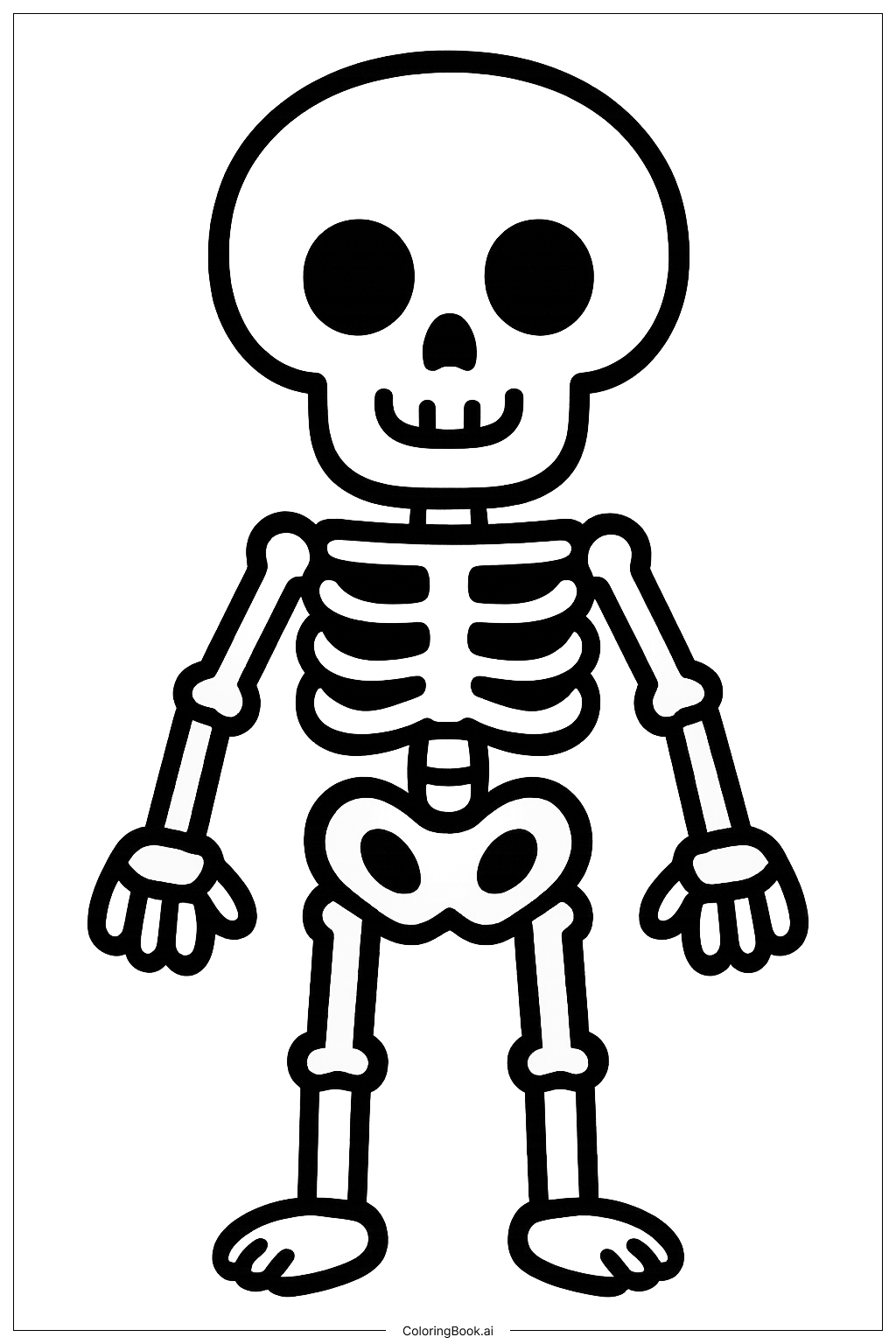
When coloring this Halloween Little Skeleton, think about using bright colors to make the scene lively and fun. For the skeleton bones, you might stick with white or light gray to keep the classic look. Use orange for the pumpkin and add different shades of green for its leaves. The background stars and leaves can be colored in yellows, reds, and browns to give an autumn feel. Don’t be afraid to add some color to the skeleton’s eyes or add a colorful pattern to the costume’s bones to make it unique. Use soft blues or purples for the background to create a night sky effect, bringing out the Halloween mood while keeping it cheerful for all ages.
Coloring challenges: Which parts are difficult to color and need attention for Halloween Little Skeleton coloring page?
• Detailed Bones: The skeleton’s bones have many small sections that require careful coloring to stay inside the lines and keep the shape clear. • Facial Features: The skull has big eyes and a smile which need precise coloring to keep the friendly expression without making it look messy. • Small Decorative Elements: The pumpkin’s carving and the tiny stars require attention to detail due to their small size. • Overlapping Parts: The skeleton’s arms and legs overlap some background elements, so careful coloring is needed to differentiate layers. • Even Shading: Achieving smooth shading on the bones and pumpkin can be tricky for younger colorers, requiring patience and practice to blend colors nicely.
Benefits of coloring books: Advantages of drawing Halloween Little Skeleton coloring page
Coloring this Halloween Little Skeleton helps develop fine motor skills as children maneuver within small, detailed spaces. It encourages creativity by allowing choices in color schemes, from classic Halloween orange and black to imaginative, bright patterns. The design’s friendly and fun style supports emotional comfort, making Halloween less scary and more joyful, especially for younger children. Coloring this page also improves focus and concentration, as staying within the lines requires attention. Finally, completing a themed coloring page boosts a child’s confidence and pride in their artistic work.