Coloring tips: How to color Graduation Cap And Tassel coloring page well?
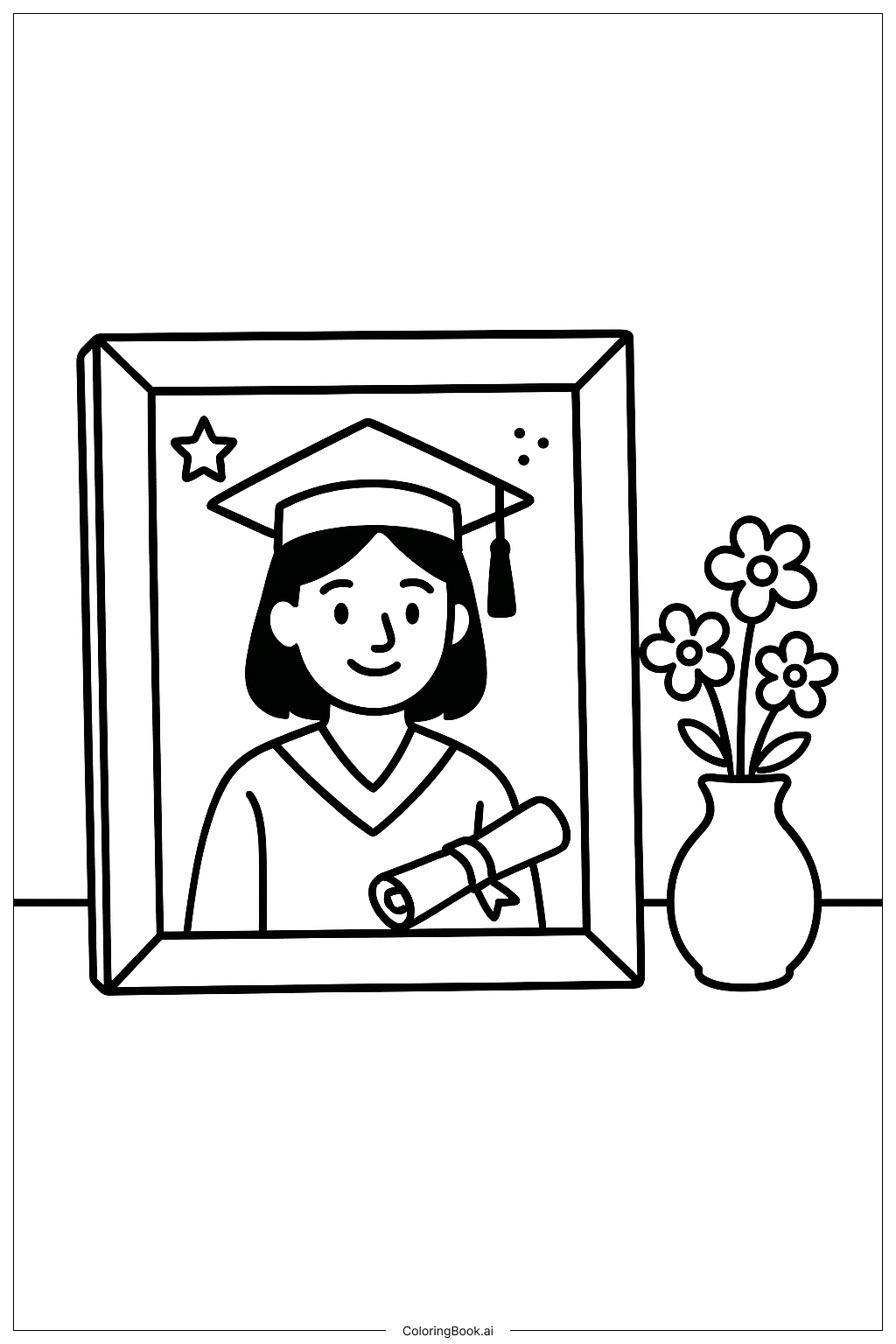
Start with the square mortarboard top in traditional black or navy blue, or choose school colors like gold, maroon, or royal blue. The tassel can match or contrast with the cap - try metallic gold, silver, or the graduate's school colors. Consider using darker shades for the cap's underside to create depth and shadow. Add highlights to the tassel's cord with lighter tones to show its braided texture. The year charm or button at the tassel's base could be colored in gold or silver for a special touch. For a festive look, use bright, cheerful colors that reflect celebration. Younger colorists might enjoy using rainbow colors or their favorite shades. Add subtle shading around the edges of the square board to make it appear three-dimensional. Consider leaving small white spaces to suggest shine and glossiness on the cap's surface.
Coloring challenges: Which parts are difficult to color and need attention for Graduation Cap And Tassel coloring page?
• Tassel Texture and Detail: The tassel presents the most intricate challenge with its thin, individual strands that fan out at the bottom. Colorists must carefully stay within narrow lines while maintaining consistent color and pressure. The braided cord section requires attention to show the twisted texture, which may involve using multiple shades or directional strokes. Younger children might find the delicate strands frustrating and may need to use fine-tipped markers or colored pencils.
• Three-Dimensional Form: Creating depth on the flat square board and rounded cap base requires understanding of shading techniques. Colorists should apply darker tones along edges and underneath areas while keeping top surfaces lighter. The angle of the cap adds complexity, as different surfaces need different color intensities to appear realistic.
• Smooth vs Textured Surfaces: The cap requires even, smooth coloring to represent fabric or felt material, which demands consistent pressure and careful blending. Any streaks or uneven patches will be highly visible on these large, flat areas. Meanwhile, the tassel needs a different approach with linear strokes to suggest hanging threads.
• Edge Precision: The sharp corners of the square mortarboard and the circular outline of the cap base require steady hands and careful attention to boundaries. Going outside these bold lines can diminish the cap's structured, formal appearance that symbolizes academic achievement.
Benefits of coloring books: Advantages of drawing Graduation Cap And Tassel coloring page
Coloring this graduation cap helps children and teens understand the symbolism of educational milestones and achievement. It encourages fine motor skill development, especially when working on the detailed tassel strands, improving hand-eye coordination and pencil control. The geometric shapes of the cap teach spatial awareness and dimensional thinking as colorists learn to shade for depth. This activity can spark conversations about future educational goals, dreams, and the value of learning. It provides a calming, focused activity perfect for celebrating graduates or during end-of-school-year activities. The varying difficulty levels - from simple flat areas to complex tassel details - make it suitable for multiple age groups and skill levels, building confidence as colorists progress from easier to more challenging sections.