Coloring tips: How to color Baby Goat Sitting coloring page well?
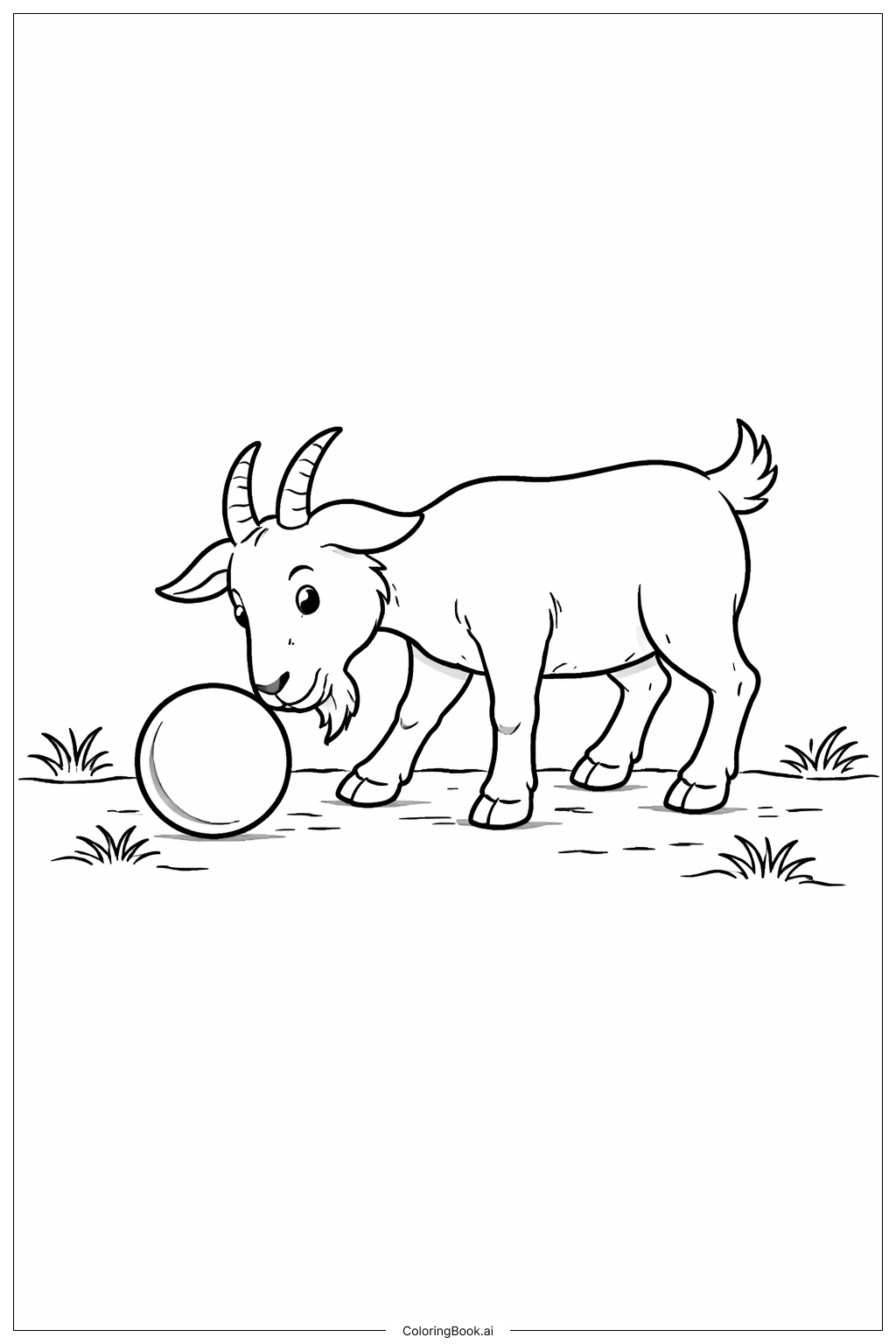
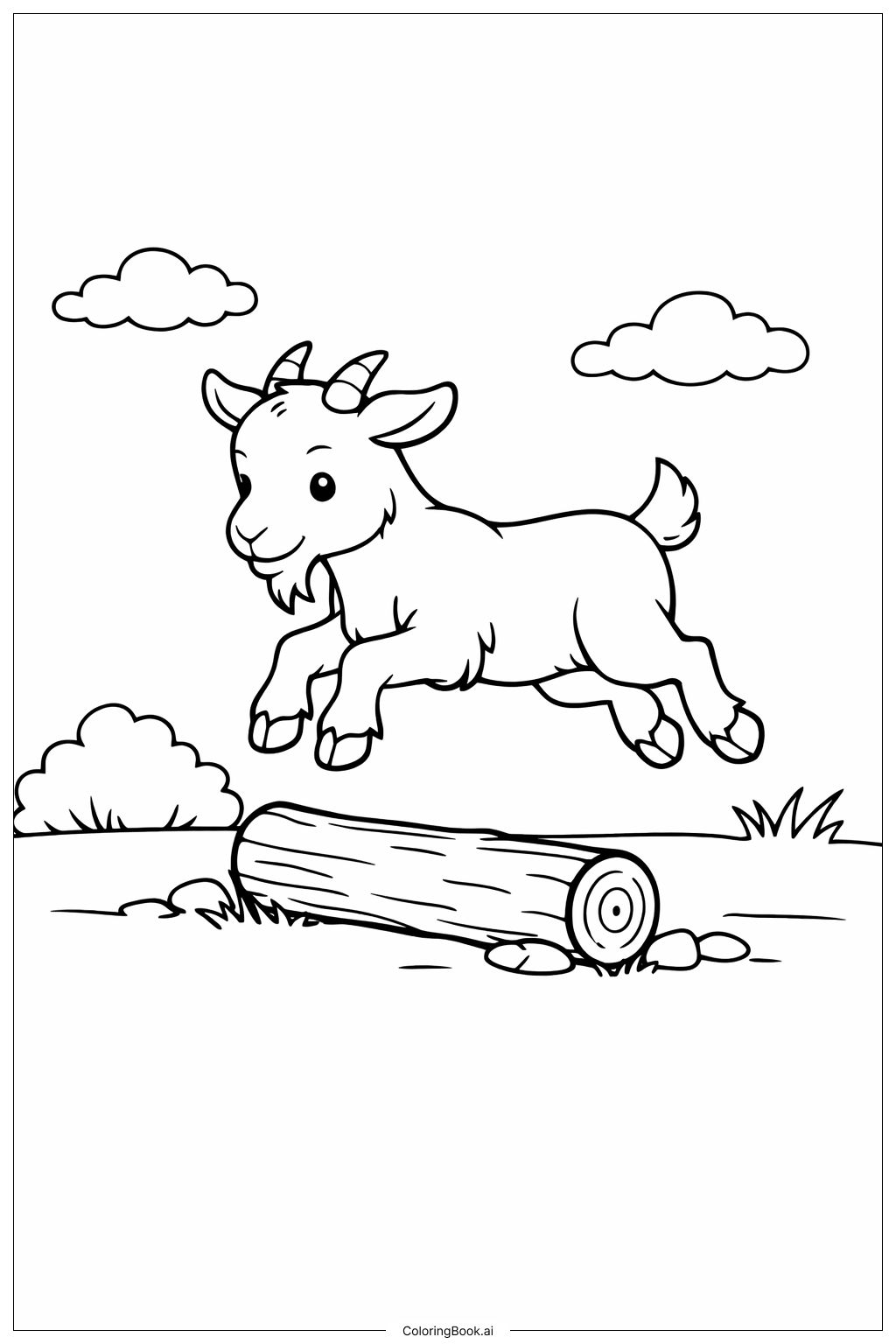
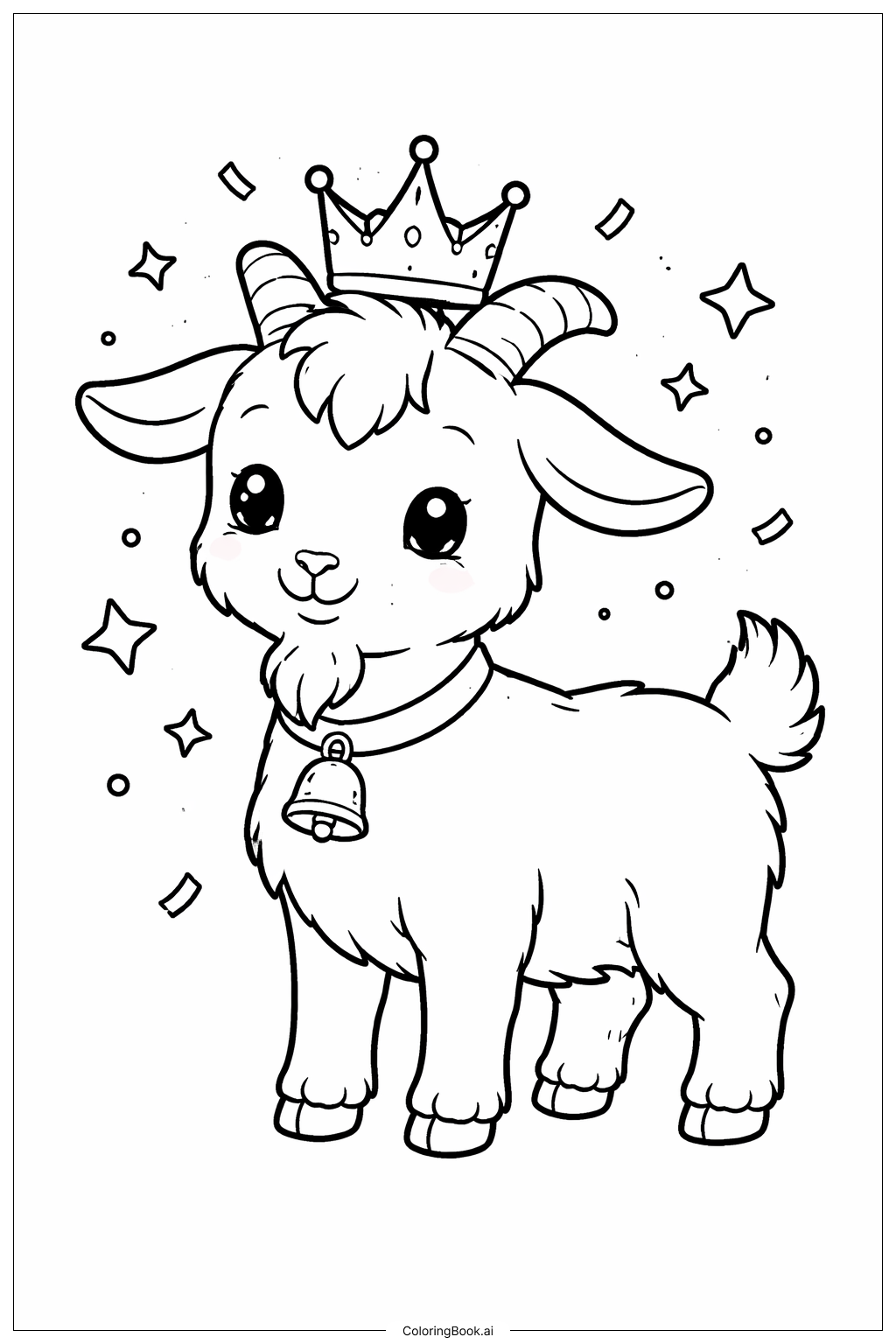
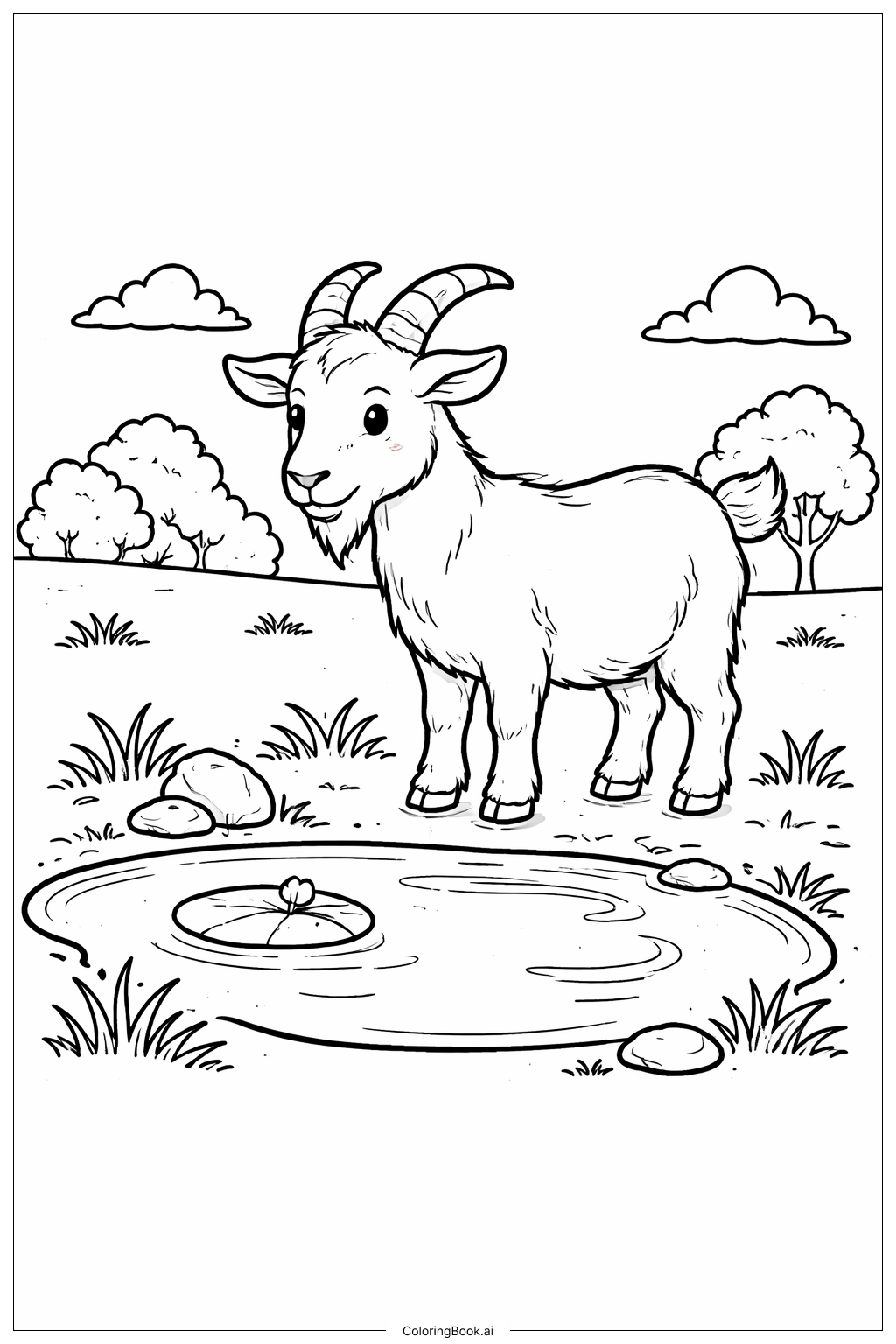
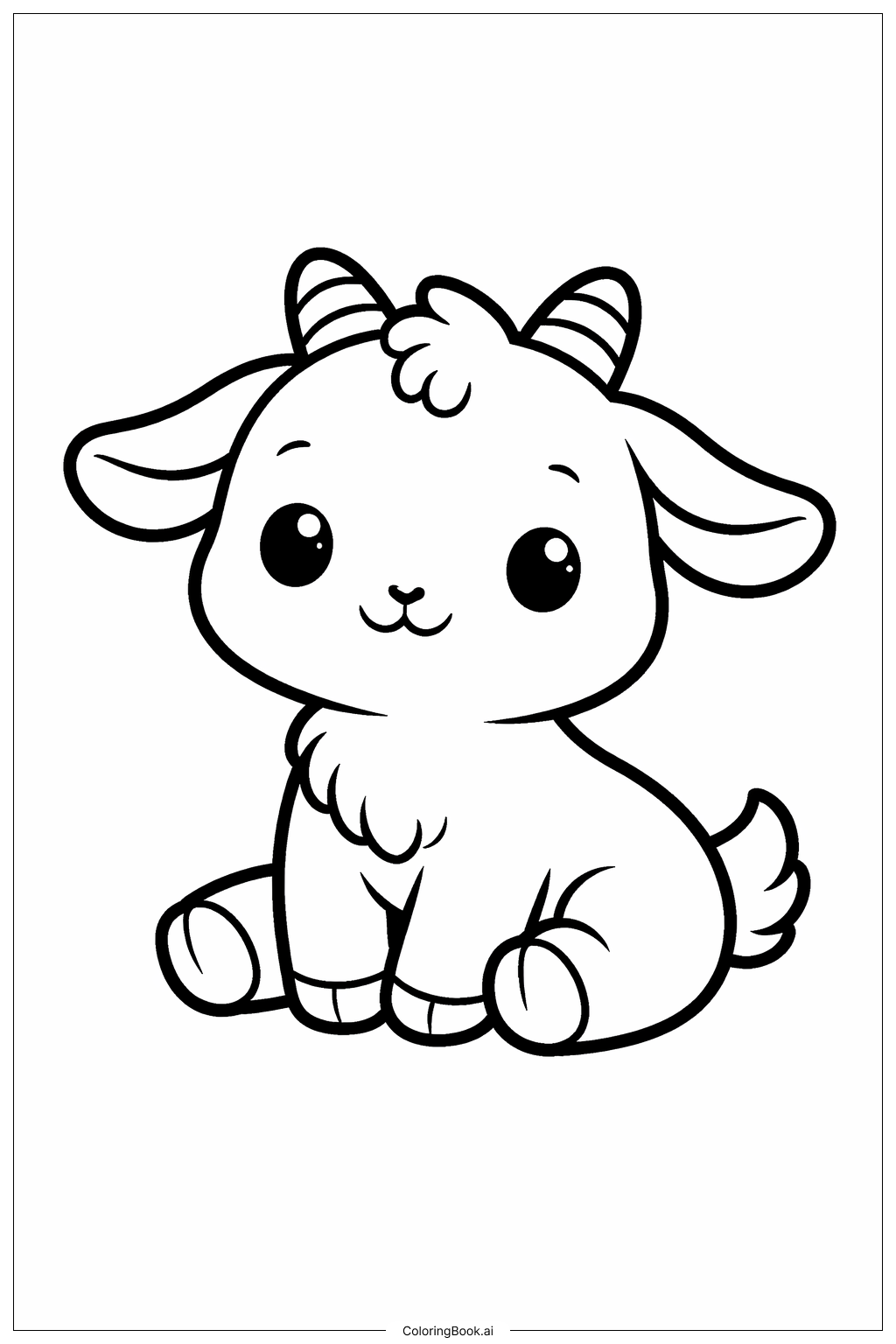
Use soft brown or cream colors for the goat's fur to make it look natural. You can add light pink inside the ears and on the cheeks to make the baby goat look cute and lively. The horns can be colored gray or light brown with darker stripes to add detail. For the eyes, use black with a little white spot to keep them shiny. You can also color the background with light green or blue to show grass or sky, giving a nice setting to the baby goat. Make sure to use gentle and smooth strokes to keep the goat looking soft and fluffy.
Coloring challenges: Which parts are difficult to color and need attention for Baby Goat Sitting coloring page?
1. Small Details: The baby goat's horns have small stripes which require careful coloring to avoid going outside the lines. 2. Soft Fur Areas: The fluffy fur around the neck and tail needs gentle coloring to keep its soft look. Heavy coloring can make it look harsh. 3. Eyes Shine: Coloring the eyes can be tricky because you need to leave white spots for the shine effect which gives the goat a lively expression. 4. Ears Shape: The inner ear shapes are small and curved, needing patience to color neatly. 5. Balancing Colors: Choosing colors that work well together can be challenging to make the goat look natural and cute without too much contrast.
Benefits of coloring books: Advantages of drawing Baby Goat Sitting coloring page
Coloring this baby goat helps children practice fine motor skills, especially in staying within lines and dealing with small spaces. It encourages creativity by allowing kids to choose colors and experiment with shading techniques. Additionally, coloring animals builds observation skills, helping kids notice details like fur texture and body shapes. The cute subject keeps children engaged and motivated, making the coloring activity fun and calming. This also aids hand-eye coordination and focus, important skills for young learners.