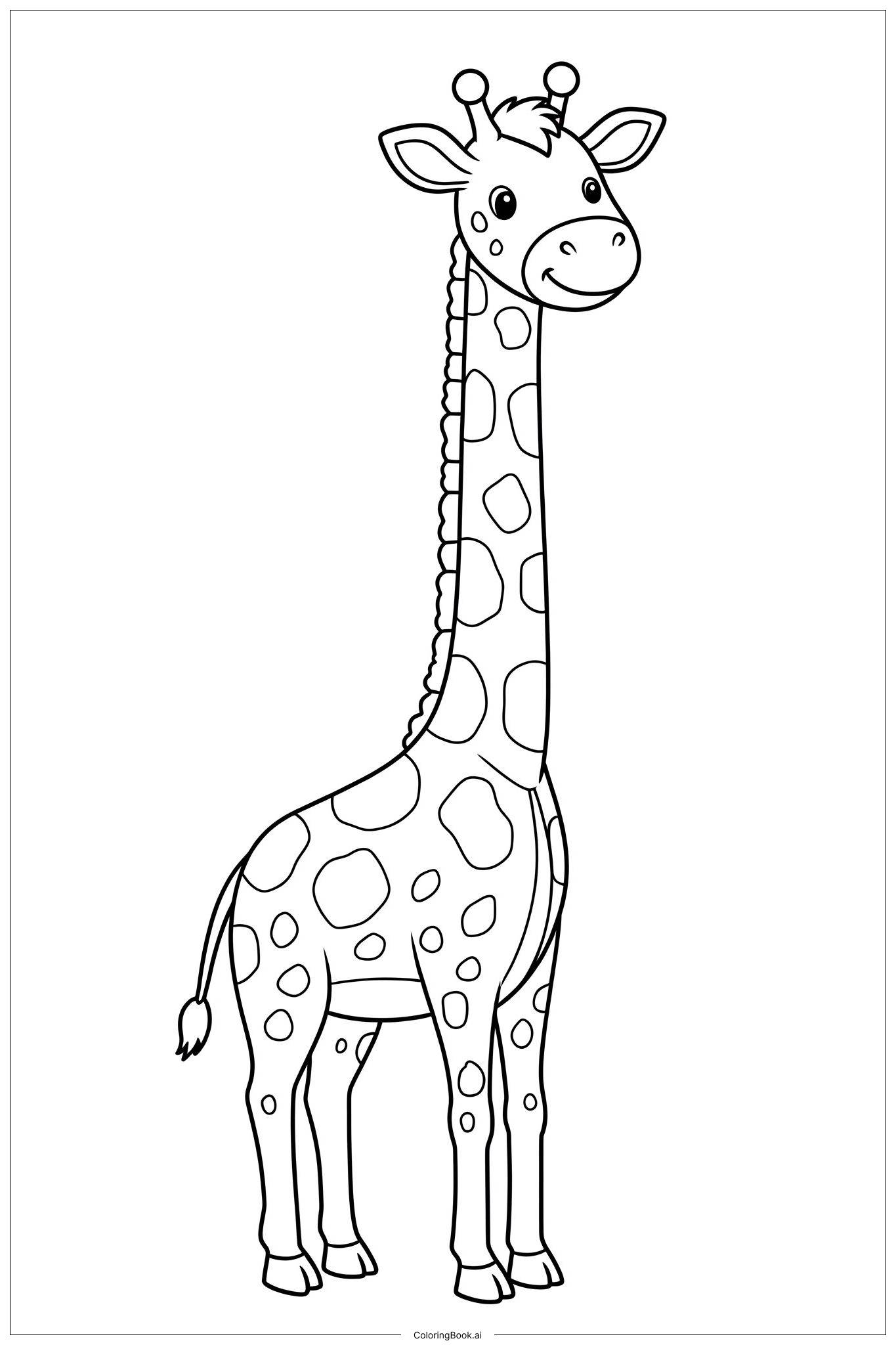
Coloring tips: How to color Giraffe Standing and Smiling coloring page well?
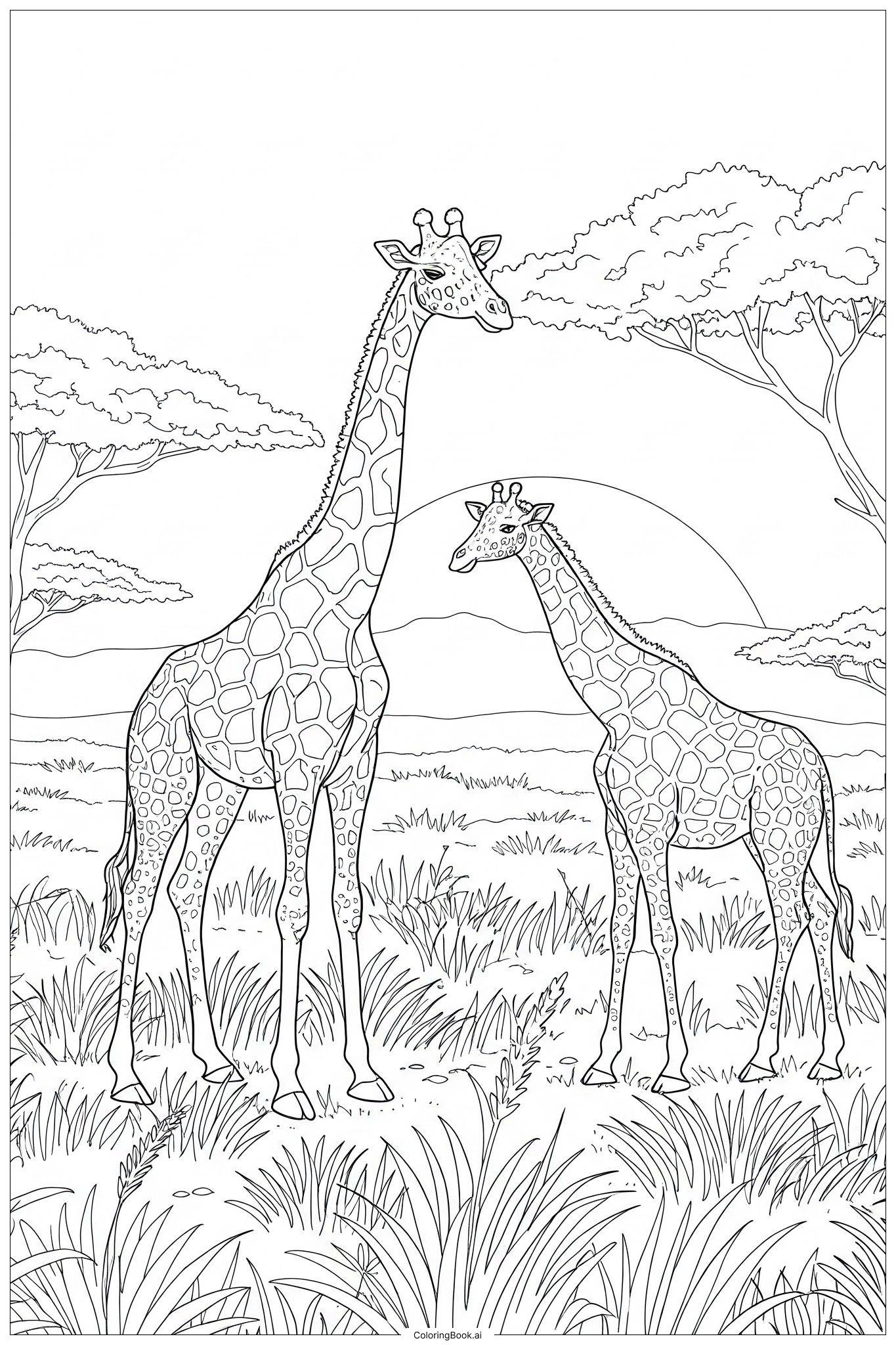
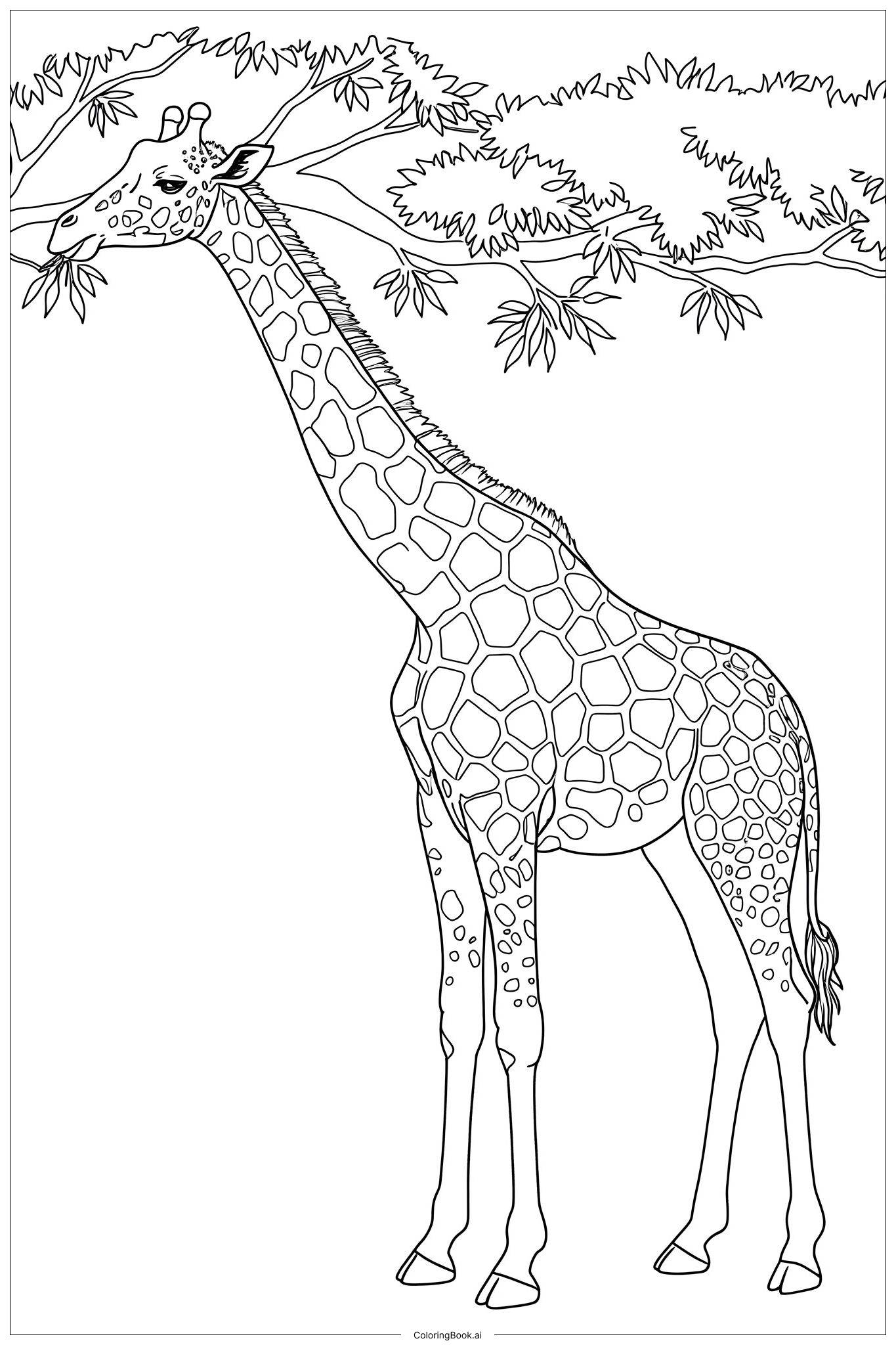
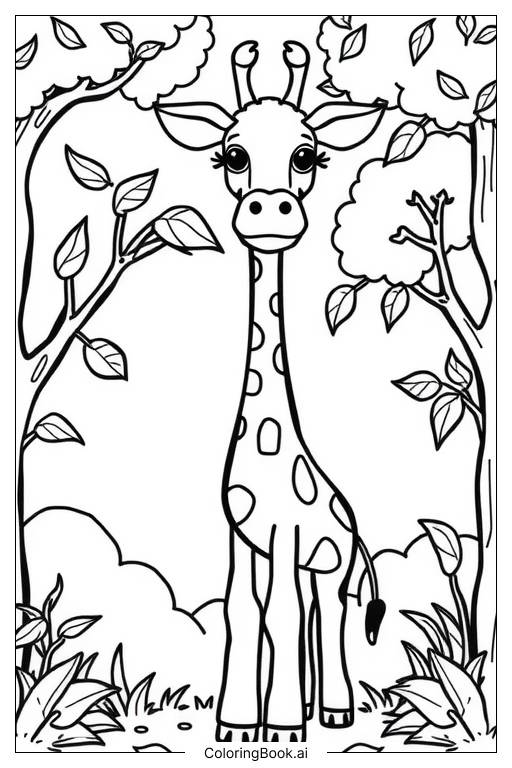
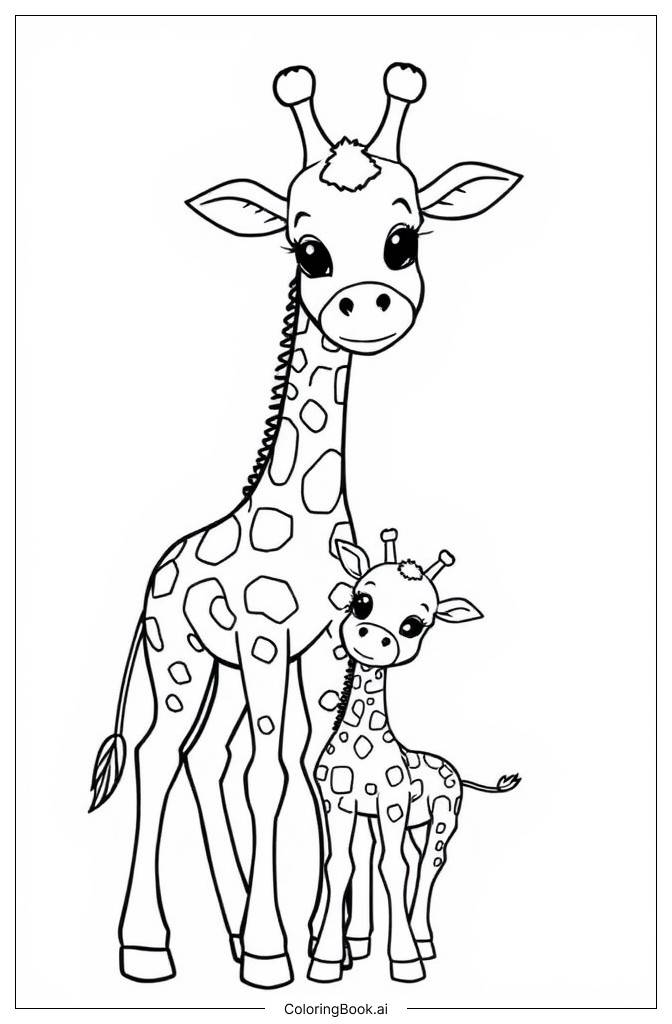
Start with the giraffe's body using a warm golden yellow or light tan as the base coat. Then fill in the iconic patch pattern with rich brown, dark orange, or chestnut tones. Leave thin lines between the patches in the base color to keep the pattern looking natural. Use a soft peach or pink for the inner ears and the smiling mouth area. Color the eyes dark brown with a small white highlight dot to make them look bright and lively. The mane and tail tuft can be done in a darker brown or black. For the hooves, use a deep gray or black. If you want to add a background, try a sunny sky blue or a grassy green to place the giraffe in a savanna setting. Kids can also get creative with fun colors like purple patches or a rainbow mane to make the image uniquely their own.
Coloring challenges: Which parts are difficult to color and need attention for Giraffe Standing and Smiling coloring page?
• Patch Pattern Complexity: The giraffe's signature coat is made up of many irregular, organic-shaped patches spread across the entire body. Carefully coloring each patch without accidentally bleeding into the neighboring areas requires patience and a steady hand. Younger children may find it helpful to use a fine-tipped marker or colored pencil to outline each patch before filling it in.
• Staying Inside the Lines on the Long Neck: The neck is a long, narrow section that curves slightly. Keeping color neatly within the outlines along this tall, thin shape can be tricky, especially near the edges. Using short, controlled strokes works better than long sweeping ones in this area.
• Facial Details and Expression: The smiling face includes small features like the eyes, nostrils, and mouth. These details are close together and require precision. Using a sharp pencil or a thin marker helps avoid smudging or over-coloring these delicate features. The eyes benefit from careful layering to show depth and shine.
• Consistent Color Blending Across a Large Body: The giraffe's body is large, so maintaining consistent color pressure and tone throughout the full surface can be challenging. Uneven shading can make the coat look patchy in an unintended way. Blending colors gradually and working in sections helps keep the overall look smooth and balanced.
• Mane and Tail Texture: The short mane along the neck and the tuft at the end of the tail have a bristly, textured appearance. To capture this look, try using short, quick strokes pointing in the direction of the hair growth rather than filling the area with flat color.
Benefits of coloring books: Advantages of drawing Giraffe Standing and Smiling coloring page
Coloring this smiling giraffe image brings a wide range of benefits for kids and beginners alike. The large body gives plenty of open space to practice smooth, even coloring, which helps build brush and pencil control over time. Working through the detailed patch pattern trains focus and attention to detail, skills that are useful both in art and in everyday learning. Choosing colors for the patches encourages creative thinking and color theory exploration, like experimenting with warm and cool tones or trying complementary color combinations. The friendly, expressive face of the giraffe makes the activity feel fun and emotionally engaging, which can boost mood and reduce stress. Completing a full image like this builds a sense of accomplishment and confidence in young artists. The variety of textures — smooth body, bristly mane, and defined facial features — also introduces kids to different coloring techniques in a single page. Overall, this image is a wonderful mix of fun and skill-building that keeps children engaged from start to finish.