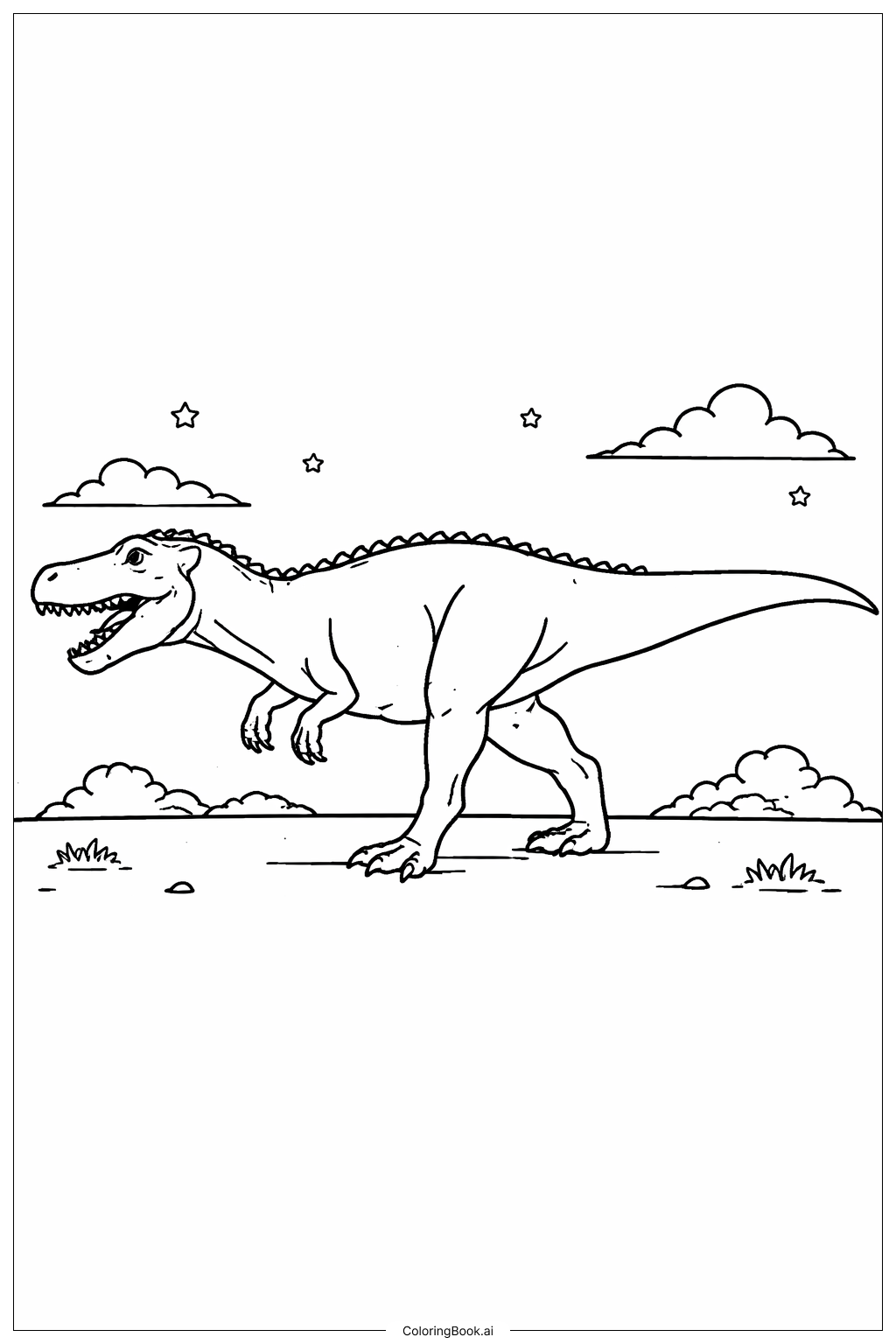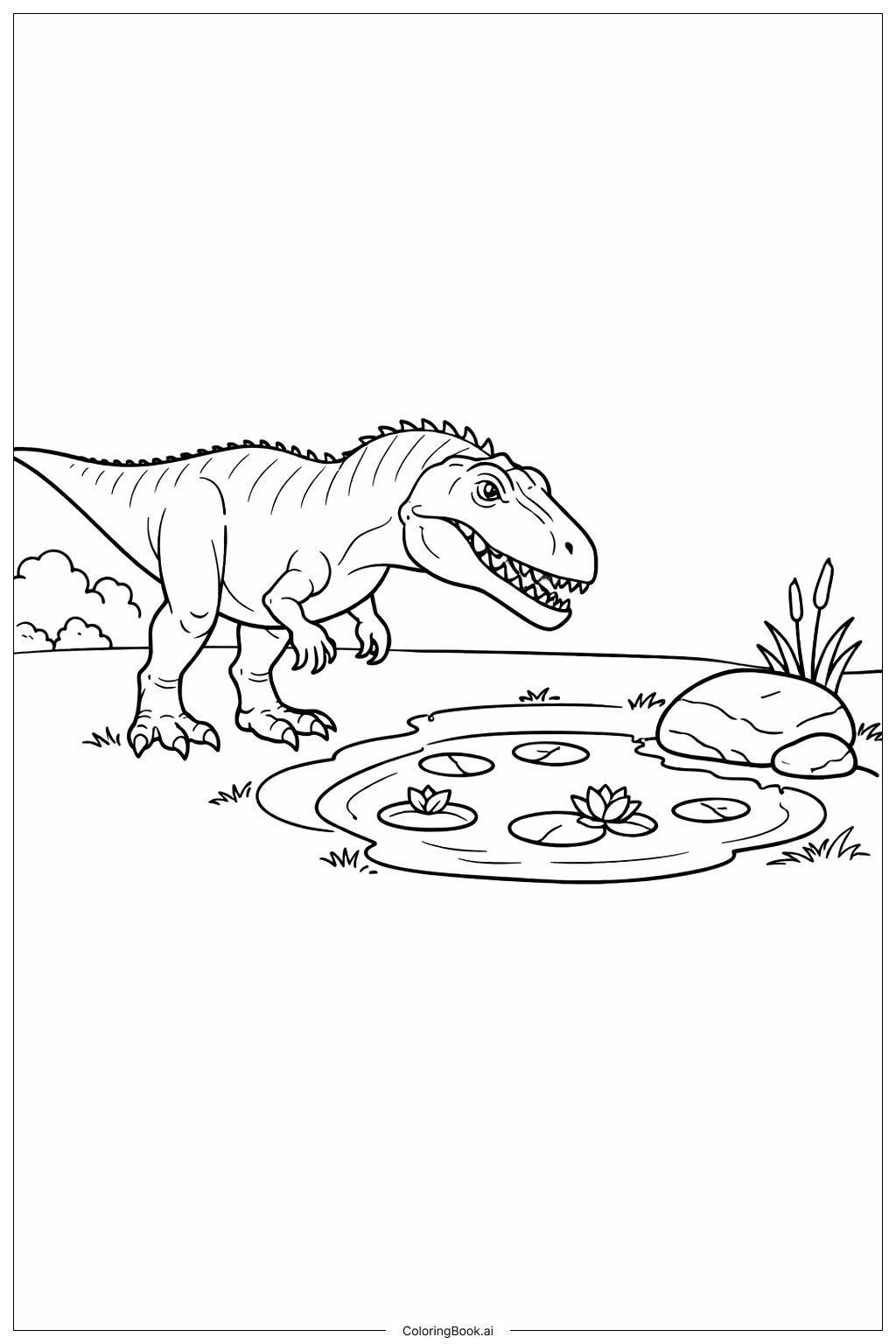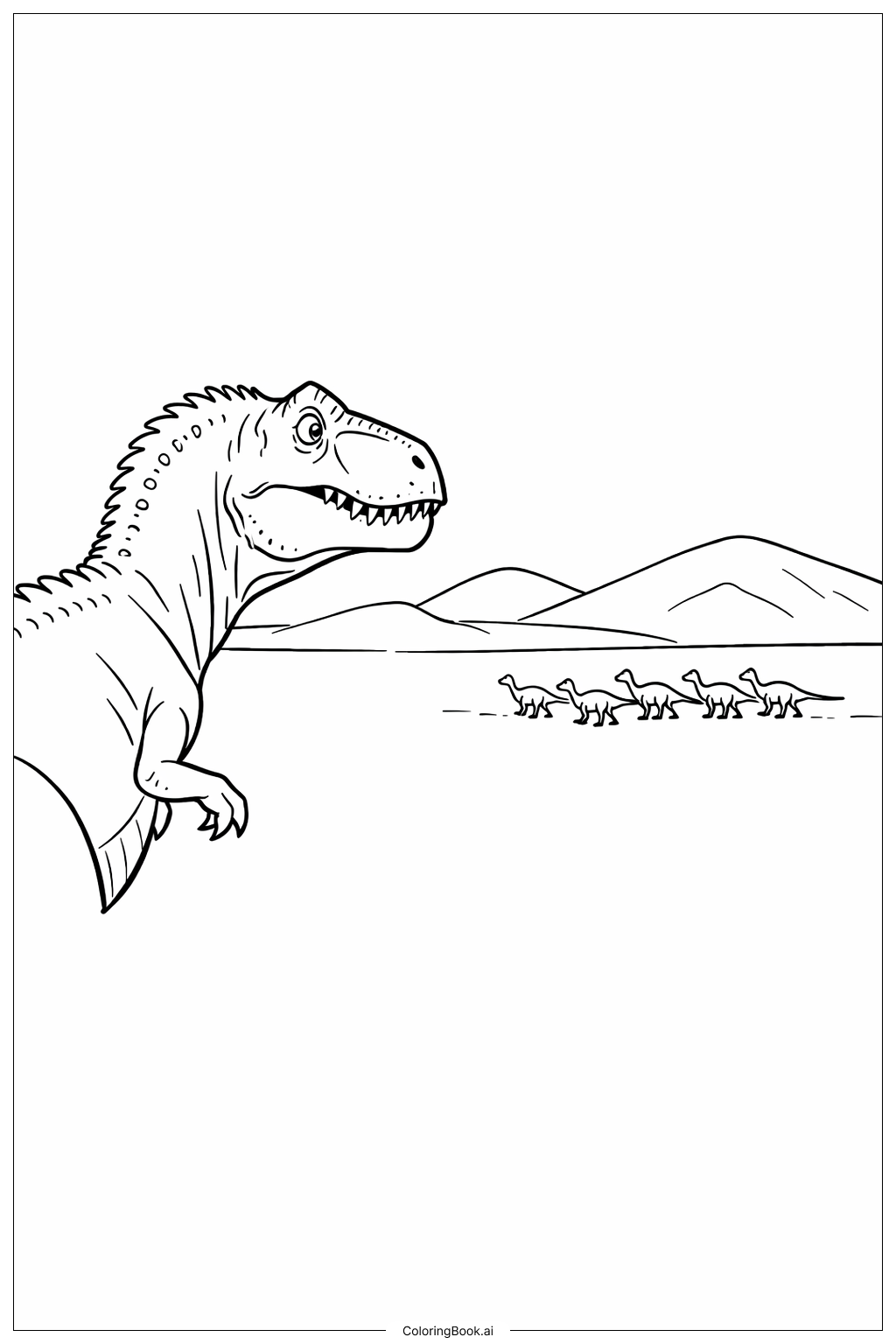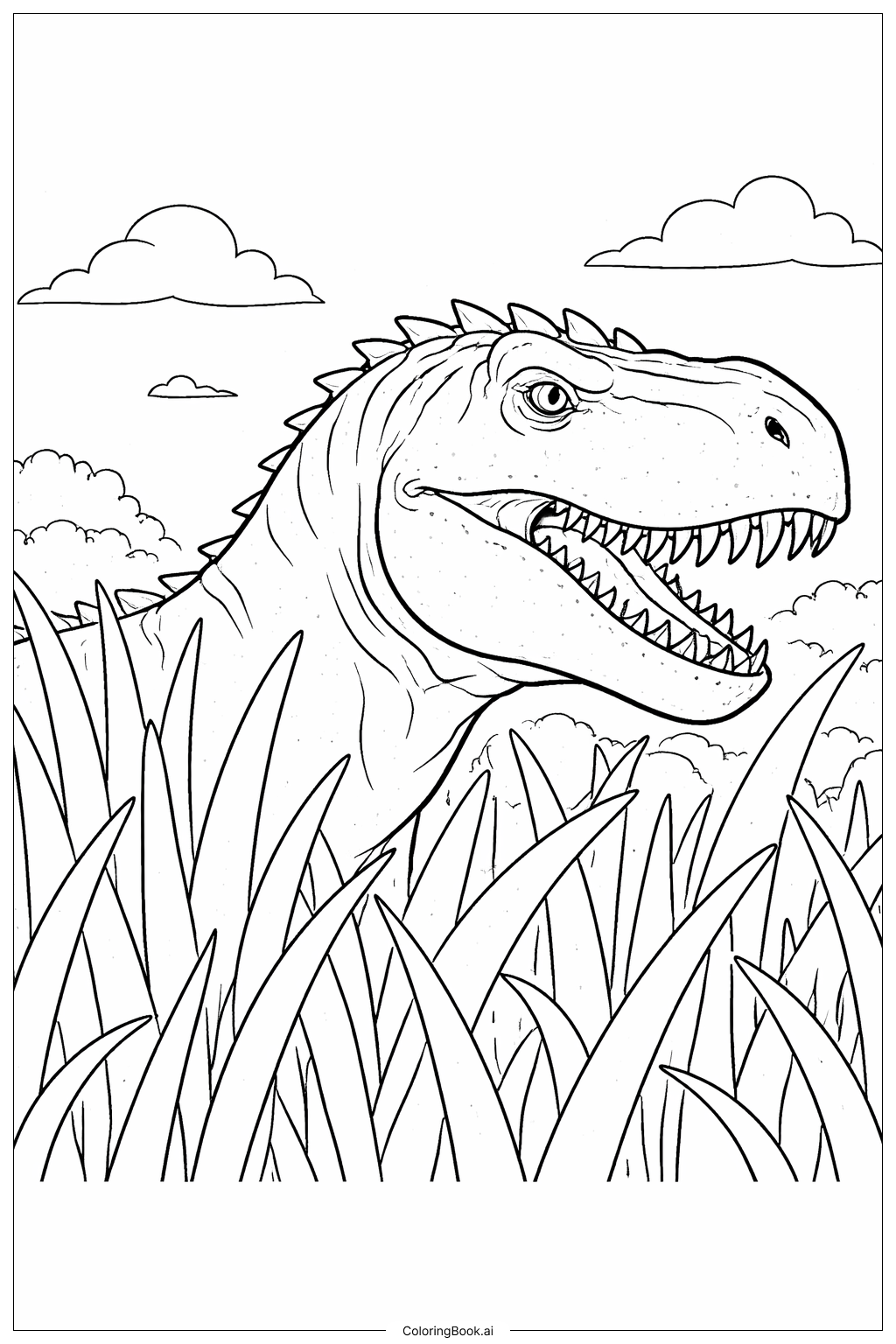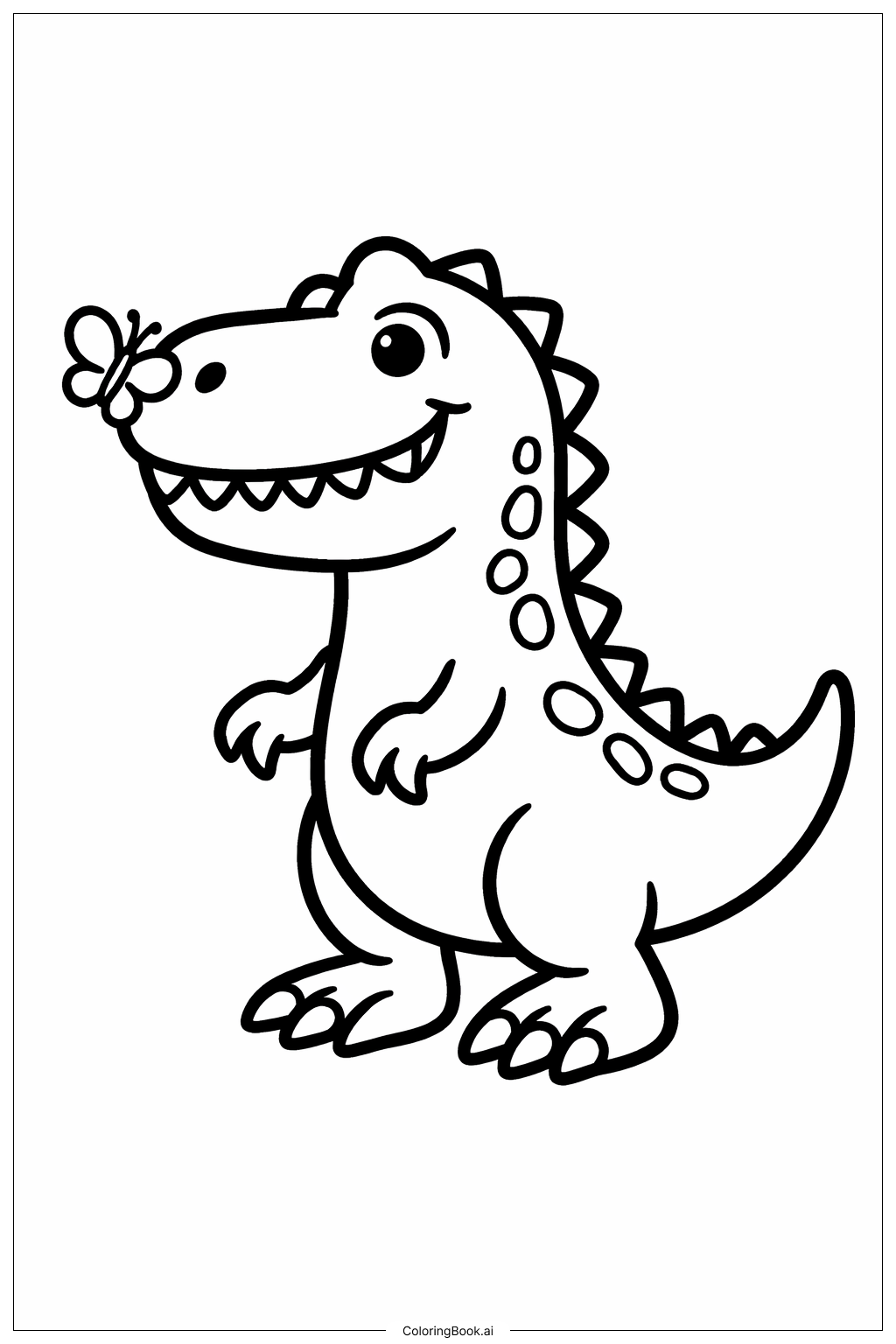
Coloring tips: How to color Giganotosaurus With Butterfly coloring page well?
Start with the Giganotosaurus body first since it takes up most of the page. Earthy tones like olive green, dark brown, or gray work great for the dinosaur's skin. You can add some lighter shades on the belly area to give it a natural look. Use a darker shade to add depth along the spine and around the muscles.
For the scales and texture on the body, try a slightly different shade of the base color to make them stand out. Sharp claws and teeth can be colored in off-white or pale yellow.
The butterfly is the perfect place to have fun with bright colors. Try vibrant oranges, blues, purples, or pinks for the wings. Add small dots or swirl patterns on the wings to make them look more detailed and lifelike.
Feel free to add a background too. A prehistoric jungle with ferns and tall trees in greens and browns can make the whole scene come alive. A warm sky in soft orange or yellow adds a nice finishing touch.
Coloring challenges: Which parts are difficult to color and need attention for Giganotosaurus With Butterfly coloring page?
• Dinosaur Scale Texture: The Giganotosaurus body is covered in detailed scale patterns. Coloring each scale individually takes patience and a steady hand. Using a fine-tip colored pencil or marker helps keep the lines clean and prevents colors from bleeding into each other. Try working in small sections at a time rather than rushing across the whole body.
• Size and Color Balance: The dinosaur is very large compared to the tiny butterfly. Keeping the colors balanced so that both subjects look equally interesting can be tricky. If the dinosaur is colored too boldly, the butterfly may get lost visually. Consider using a slightly muted palette for the dinosaur and saving the brightest, most vivid colors for the butterfly wings.
• Butterfly Wing Details: Despite being small, the butterfly wings often carry intricate patterns like spots, veins, and symmetrical designs. Coloring both wings to look the same on each side requires careful attention. Using a light pencil sketch or reference point before adding color can help keep the pattern even and symmetrical.
• Shading and Depth on the Dinosaur: Creating a three-dimensional look on the large dinosaur body means adding shadows and highlights. Blending darker tones along the underside and lighter tones on the top surfaces makes the figure look more realistic. This technique requires layering colors gradually, which can be challenging for younger colorists but is a great skill to practice.
• Avoiding Color Overlap at the Border: Where the butterfly sits close to or on the dinosaur, the two sets of colors meet. Keeping the butterfly colors from bleeding into the dinosaur and vice versa requires careful coloring near the edges, especially if using markers or watercolors.
Benefits of coloring books: Advantages of drawing Giganotosaurus With Butterfly coloring page
Coloring this Giganotosaurus With Butterfly page offers a wonderful mix of fun and learning for kids of all ages.
Working on the large dinosaur body helps children practice staying within lines and builds fine motor skills. As they carefully fill in scales and textures, they develop patience and attention to detail — skills that are useful far beyond art class.
The butterfly section encourages creative thinking. Children get to choose their own color combinations for the wings, which builds confidence and self-expression. Thinking about which colors look good together also develops early color theory awareness.
The contrast between a giant predator and a delicate butterfly is a wonderful conversation starter. It can spark curiosity about dinosaurs, nature, and the animal world, turning a simple coloring activity into a learning moment.
For older children, trying to add shading and depth to the dinosaur introduces more advanced art techniques in a relaxed and enjoyable setting. There is no pressure to get it perfect, which makes experimentation feel safe and fun.
Overall, this page gives children a calming, screen-free activity that exercises both the creative and focused sides of their brain. It is a great way to unwind while still engaging the imagination.