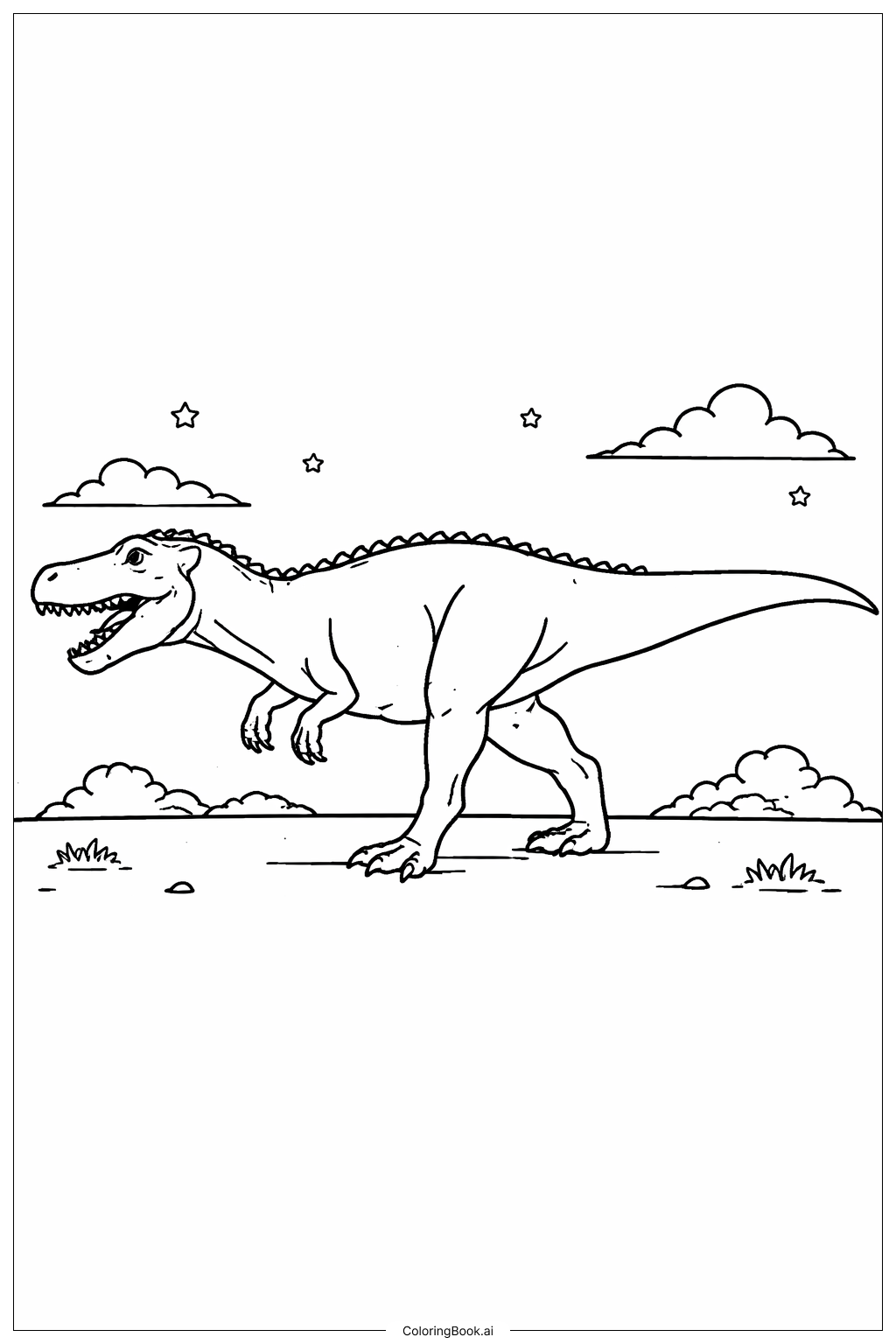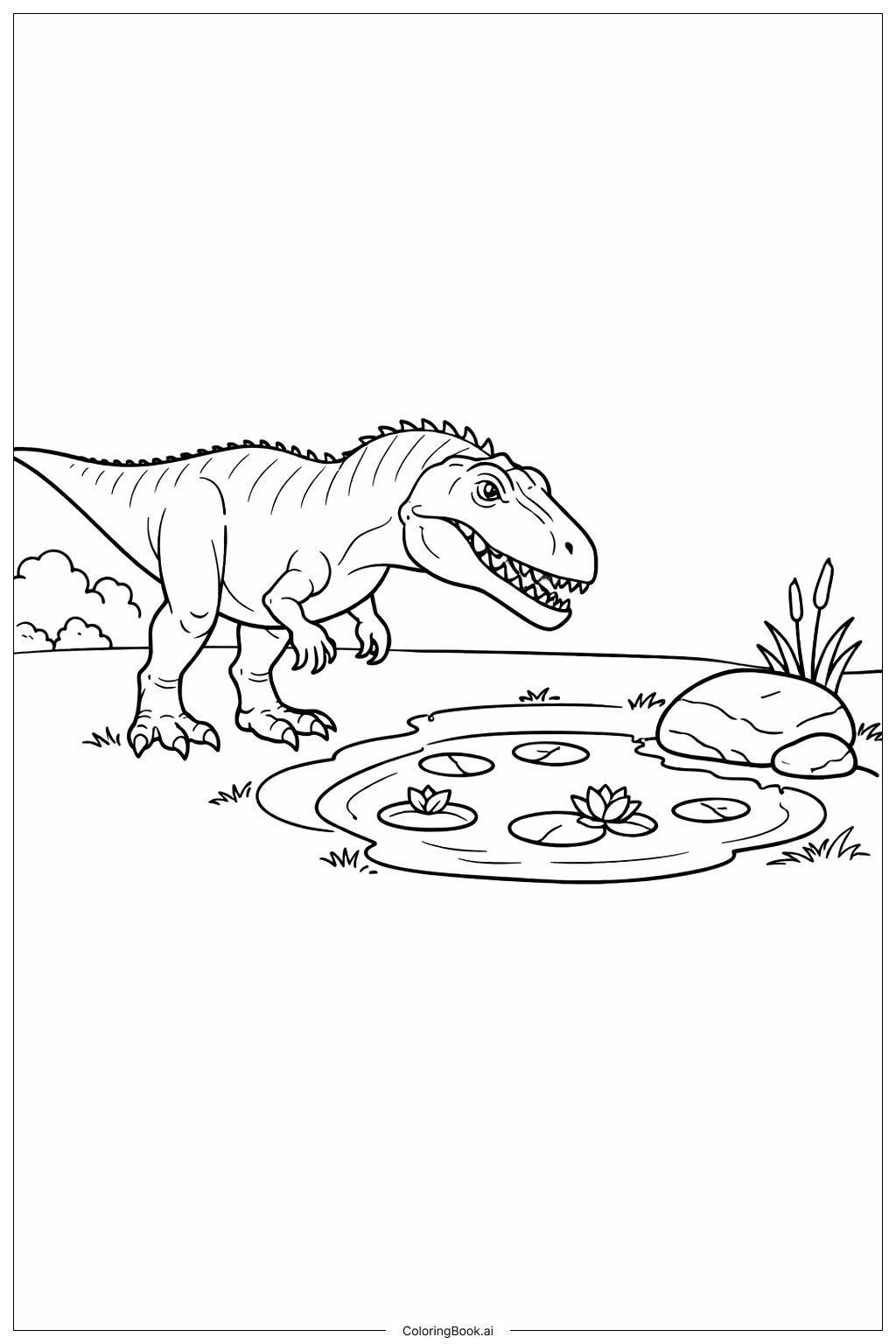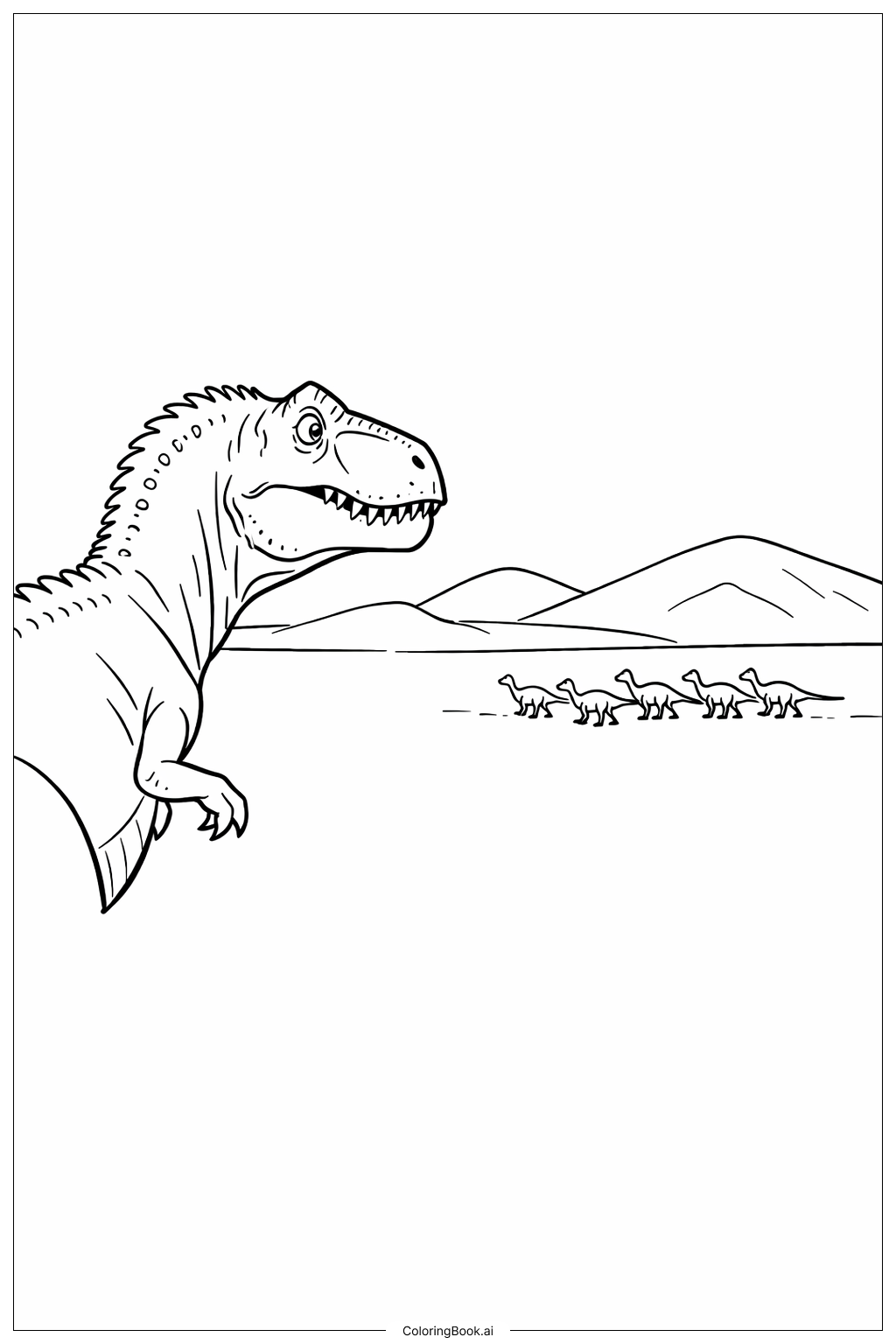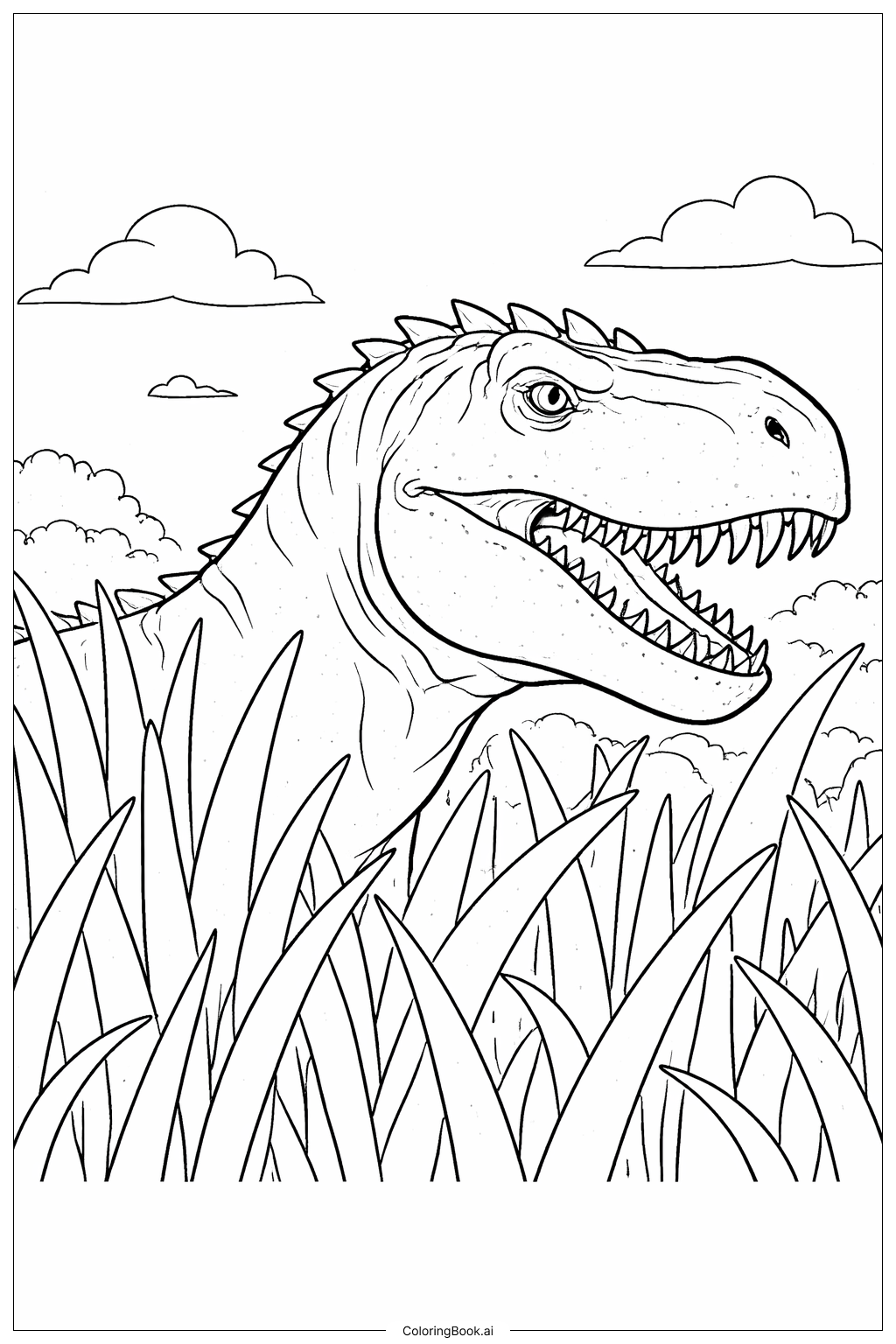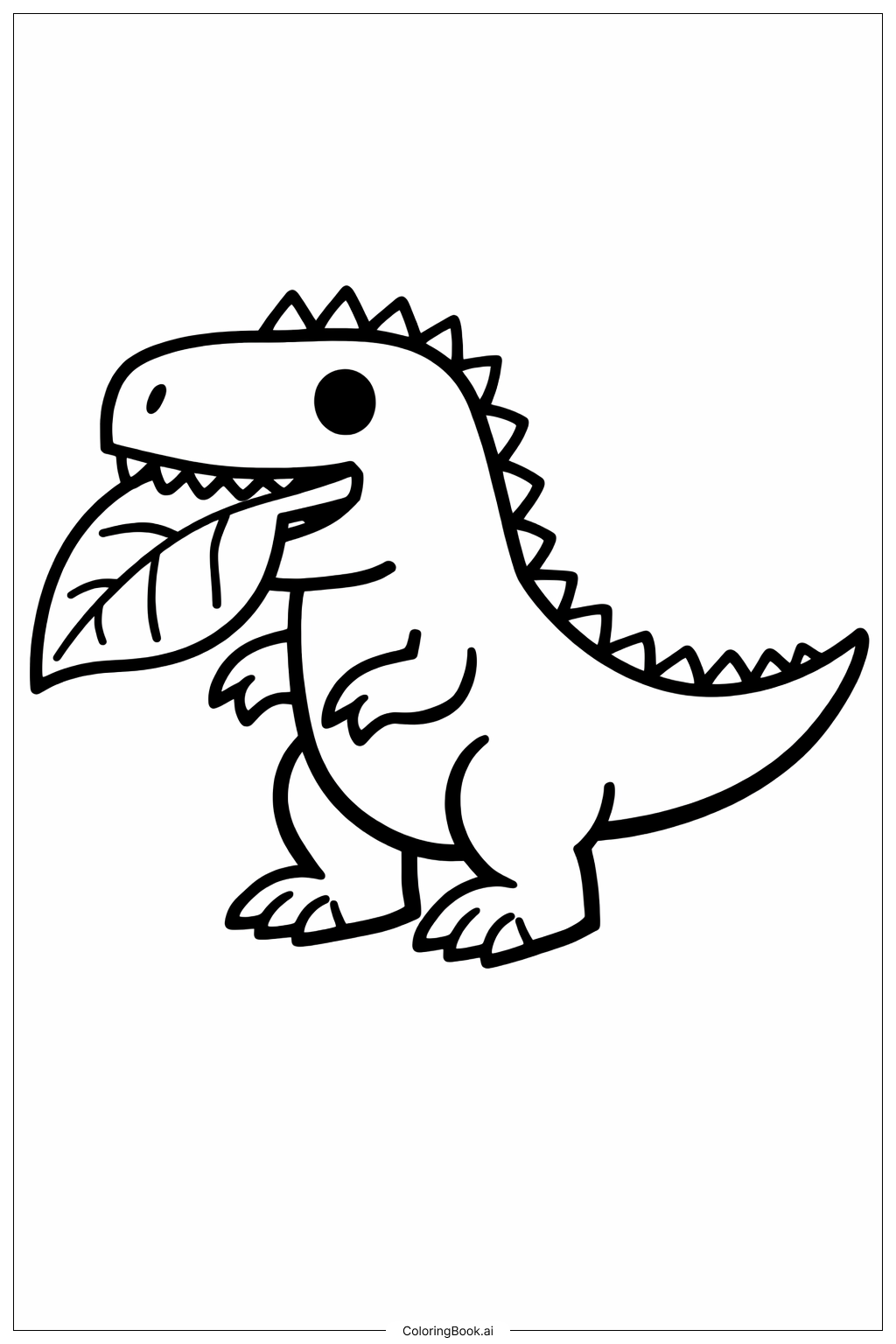
Coloring tips: How to color Giganotosaurus Eating Leaf coloring page well?
Start with the Giganotosaurus body before moving to the background. Use earthy tones like olive green, muddy brown, or dark gray for the dinosaur's skin to give it a realistic prehistoric look. You can also go bold and use bright greens or blues if you want a more imaginative style — there are no rules! Add darker shades along the underside of the body and tail to create shadow and depth. Use a lighter tone on the belly area to show where light hits. For the leaves the dinosaur is eating, try several shades of green — lime, forest, and dark green all work well together. The background jungle can be filled with deep greens and earthy browns. Use yellow or orange peeking through the treetops to suggest sunlight filtering through the prehistoric canopy. Take your time with the skin texture — small strokes in slightly different shades can make the scales look really cool.
Coloring challenges: Which parts are difficult to color and need attention for Giganotosaurus Eating Leaf coloring page?
Coloring this image of a Giganotosaurus Eating Leaf comes with several interesting challenges that will test your patience and creativity:
• Skin Texture and Scales: The Giganotosaurus is covered in detailed scales and ridges across its entire body. Coloring each small section evenly without going outside the lines takes steady hands and careful attention. Using a fine-tipped colored pencil or marker will help you stay in control of these tight areas.
• Shading a Large Body: Because the dinosaur takes up much of the page, creating a sense of depth and dimension across such a large surface is tricky. You need to gradually shift from lighter tones on the top of the body to darker tones underneath, which requires blending multiple colors smoothly rather than using a single flat shade.
• Overlapping Leaves and Foliage: The leaves being eaten and the background plants overlap in several places, making it easy to color two areas the same shade by mistake. Planning your color choices ahead of time — using different greens for the eaten leaves versus the background ferns — helps keep each section visually distinct.
• Background Depth: The jungle background includes layers of trees, ferns, and plants at different distances. Capturing that sense of depth means using lighter, cooler greens for faraway trees and darker, richer tones for plants closer to the viewer. Getting this contrast right requires careful observation and color planning.
• Tiny Front Arms: The small forearms of the Giganotosaurus are detailed but compact, leaving very little space to work in. Coloring these accurately without muddying the surrounding areas is one of the more precise challenges on the page.
Benefits of coloring books: Advantages of drawing Giganotosaurus Eating Leaf coloring page
Coloring this Giganotosaurus Eating Leaf page offers a wide range of benefits for kids and young learners. First, it sparks curiosity about prehistoric life. As children color the dinosaur, they naturally start asking questions about what Giganotosaurus really looked like and how it lived, which encourages a love of science and natural history. Second, working through the detailed scales, leaves, and background plants builds fine motor skills and hand-eye coordination. Carefully staying within lines and blending colors strengthens the small muscle control needed for writing and drawing. Third, choosing color combinations for the dinosaur's skin and the jungle environment develops creative thinking and artistic confidence. Kids learn that there is no single right answer — their version of the scene is valid and personal. Fourth, completing a detailed page like this builds focus and patience. Sitting with a task, working through it section by section, and seeing it come together teaches kids how to manage longer projects. Finally, finishing a full coloring page gives children a real sense of accomplishment, which supports positive self-esteem and motivates them to take on new creative challenges.