Coloring tips: How to color Mushroom Sheltering Frog coloring page well?
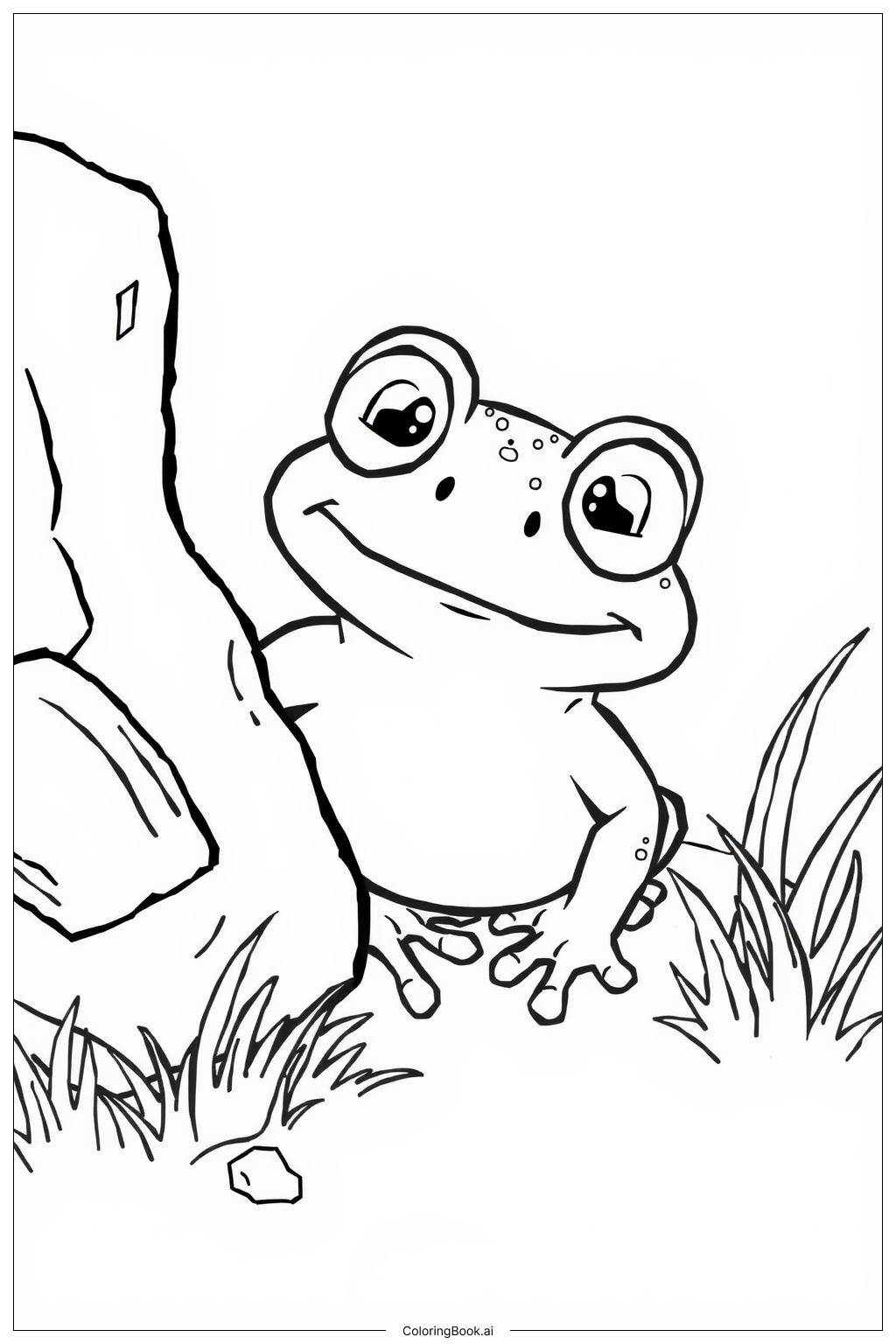
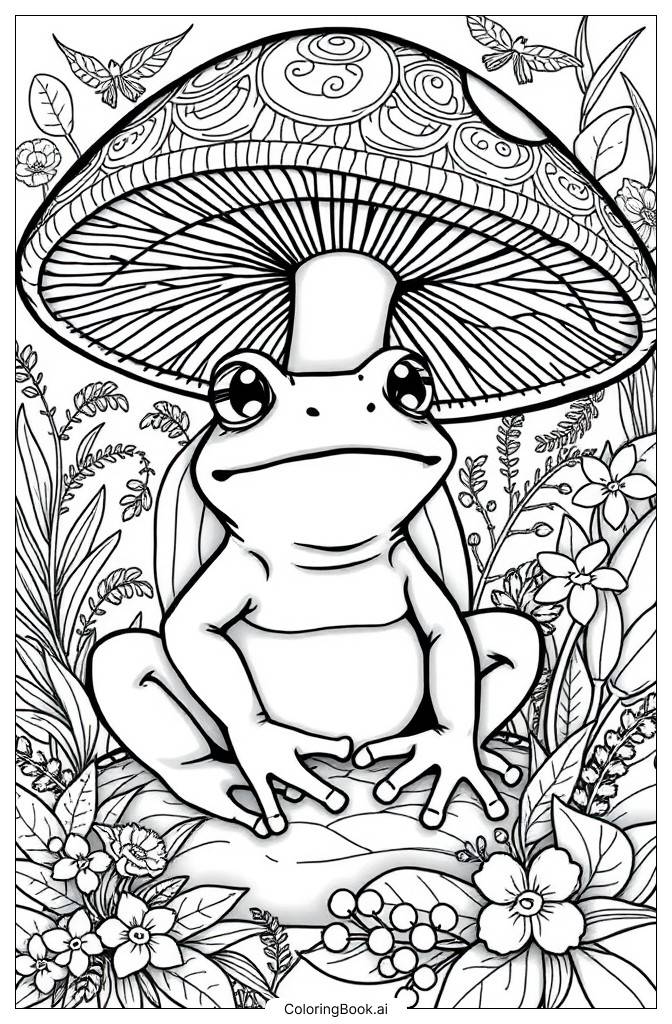
To bring this image to life, start by coloring the mushroom cap in bright colors like red or orange with white spots for a classic look. You can also try softer tones like light brown or cream for a more natural feeling. For the mushroom stem, choose pale beige or light gray shades. Color the frog in shades of green to make it look lively, or use creative colors like blue or yellow for a fun twist. The grass blades around can be various shades of green, and the leaves can be colored in brown, yellow, or even autumnal red. Don’t forget to add light shading to show where the mushroom protects the frog from rain or sun. You can also use blues or grays in the background to suggest rainy weather.
Coloring challenges: Which parts are difficult to color and need attention for Mushroom Sheltering Frog coloring page?
• Small Details: The frog’s eyes and webbed toes are small and need careful coloring to avoid going outside the lines. This requires steady hands and precision. • Texture Variations: The mushroom cap has spots and a smooth surface, while the stem is rougher. Coloring these differently adds realism but can be tricky. • Overlapping Shapes: The frog is partly hidden under the mushroom, so coloring the overlapping areas neatly can be challenging to maintain clear shapes. • Shading for Depth: To show the mushroom as a shelter, you need to add shading under the cap where the frog sits. This can be difficult to make it look natural. • Natural Elements: Grass and leaves come in many shapes and sizes around the frog and mushroom, so deciding which to color darker or lighter to create depth requires attention to detail.
Benefits of coloring books: Advantages of drawing Mushroom Sheltering Frog coloring page
Coloring this image helps children improve their fine motor skills through careful attention to small details like the frog’s eyes and the mushroom spots. It encourages creativity by allowing them to experiment with different colors for natural elements like the frog and the mushroom. The overlapping shapes and textured surfaces train their ability to add shading and depth, enhancing their understanding of light and shadow. This image also inspires curiosity about nature by depicting a real-life interaction between a frog and a mushroom. Coloring such scenes helps relax the mind and develop focus, making it a rewarding and educational activity.