Coloring tips: How to color Mushroom Sheltering Frog coloring page well?
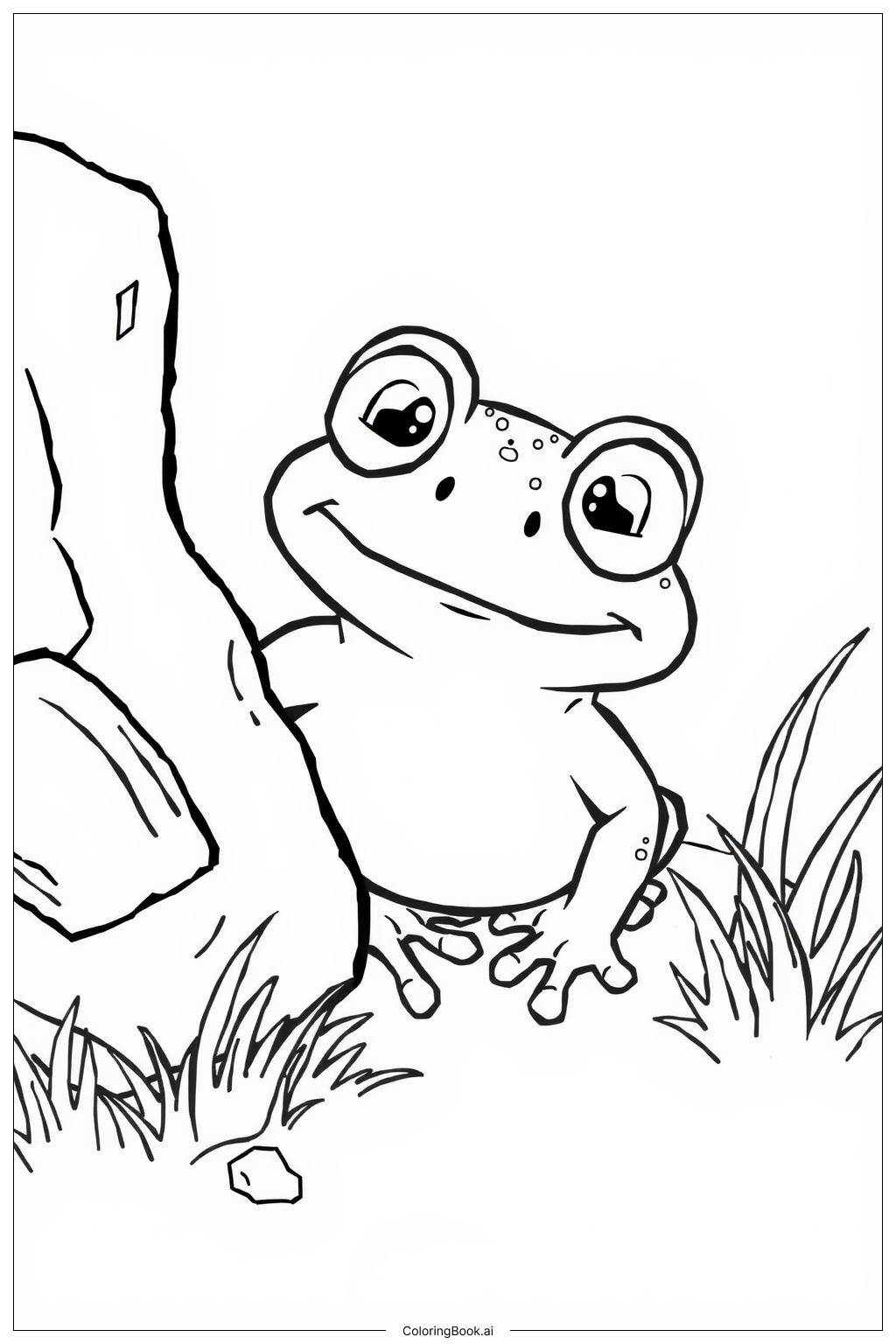
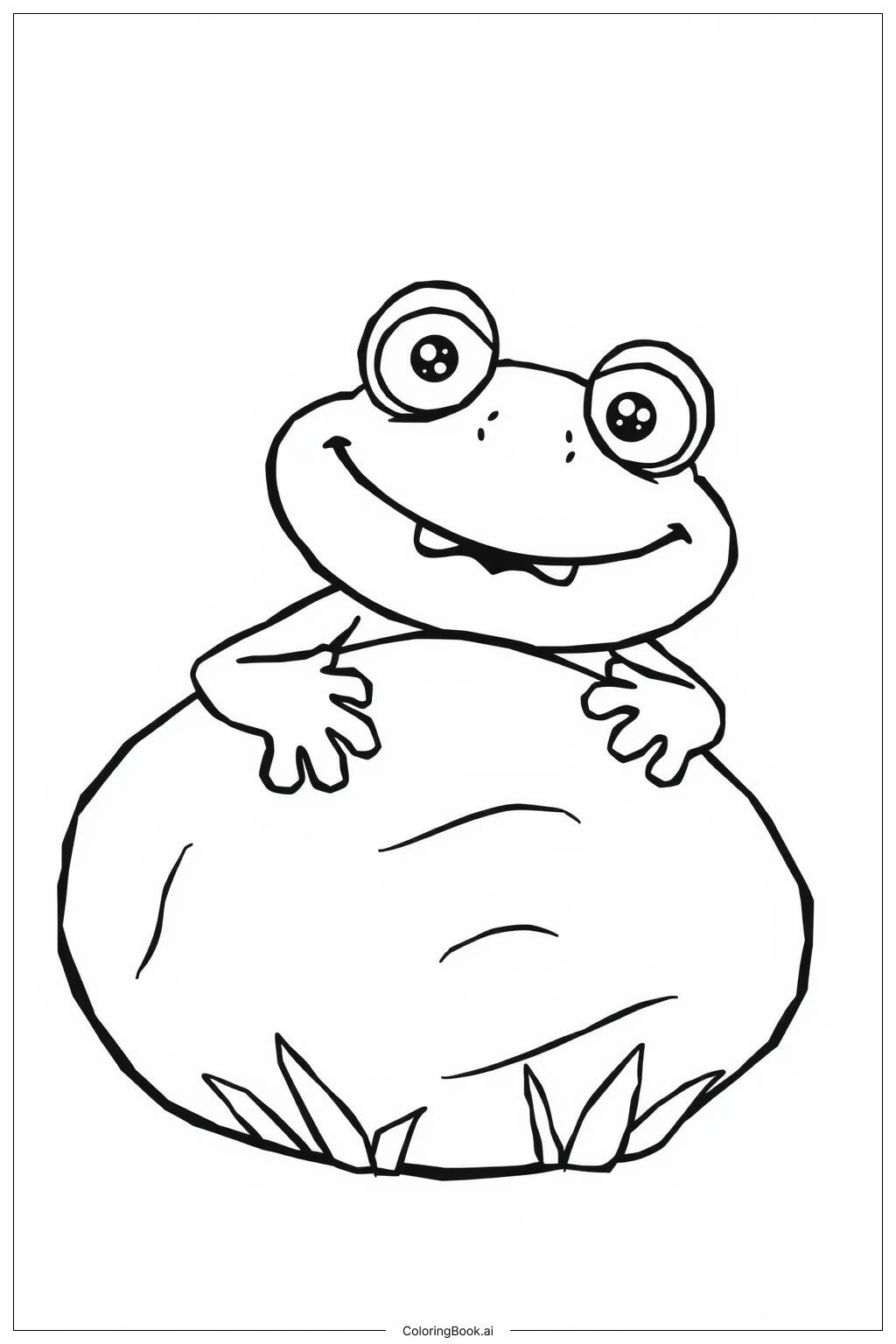
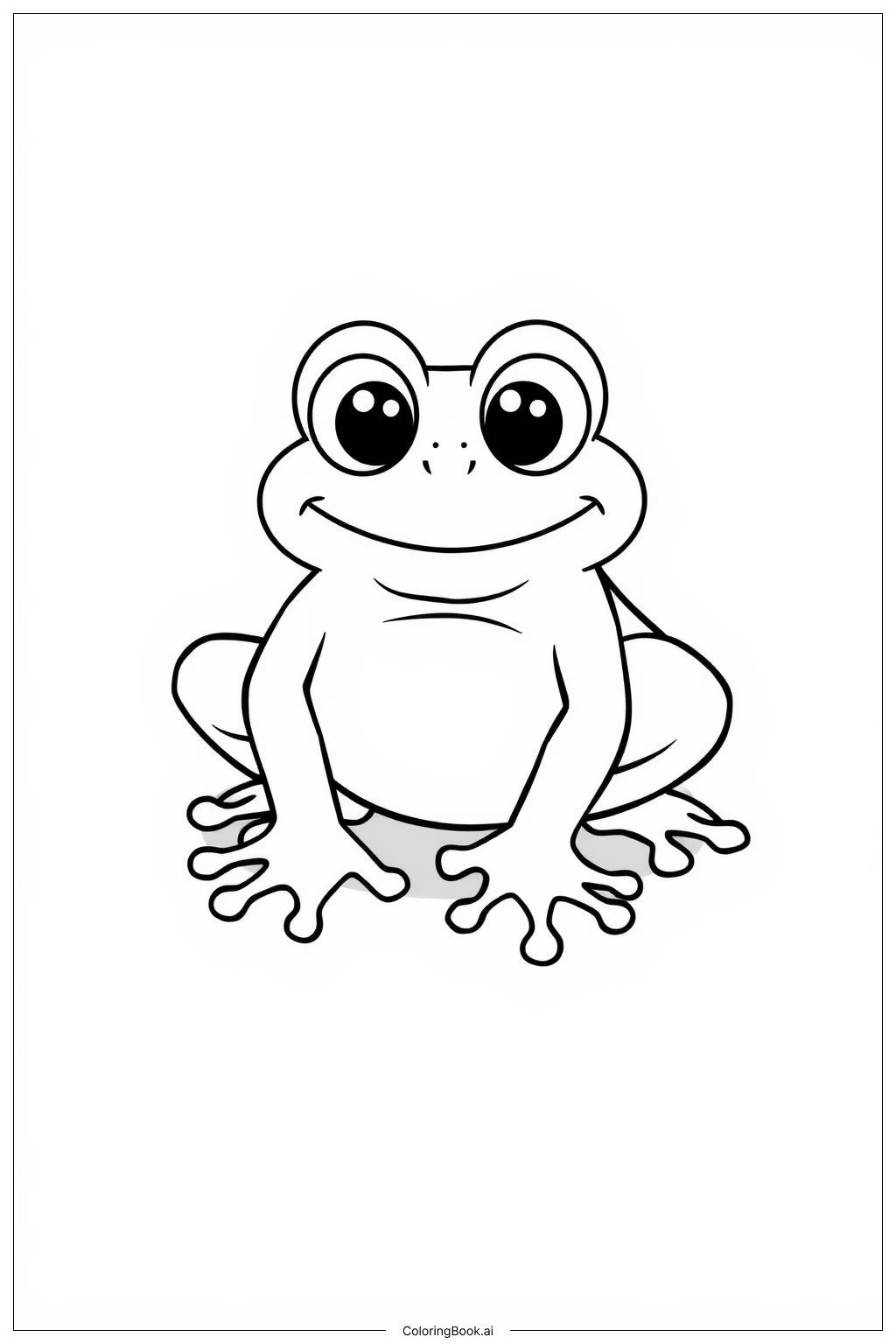
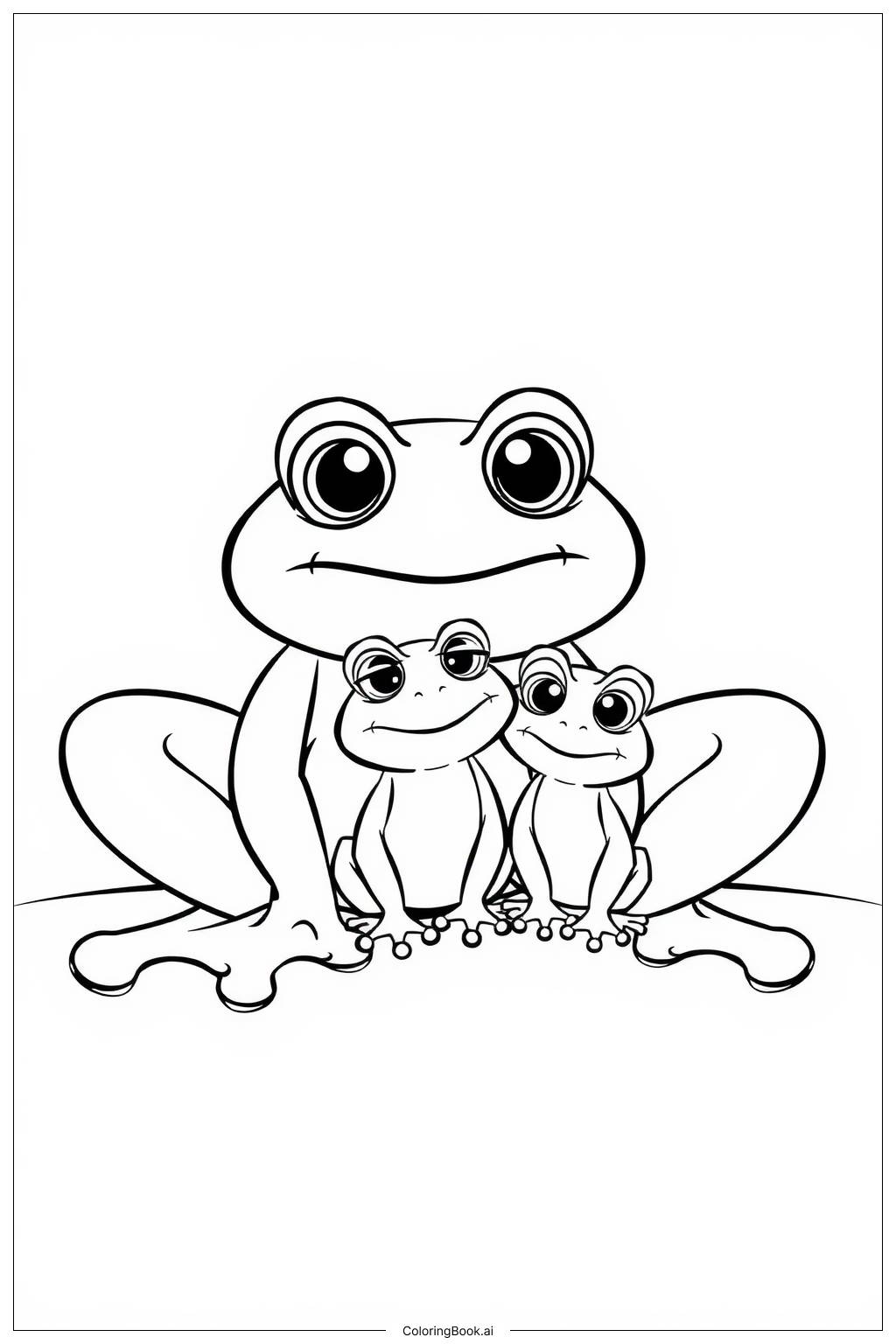
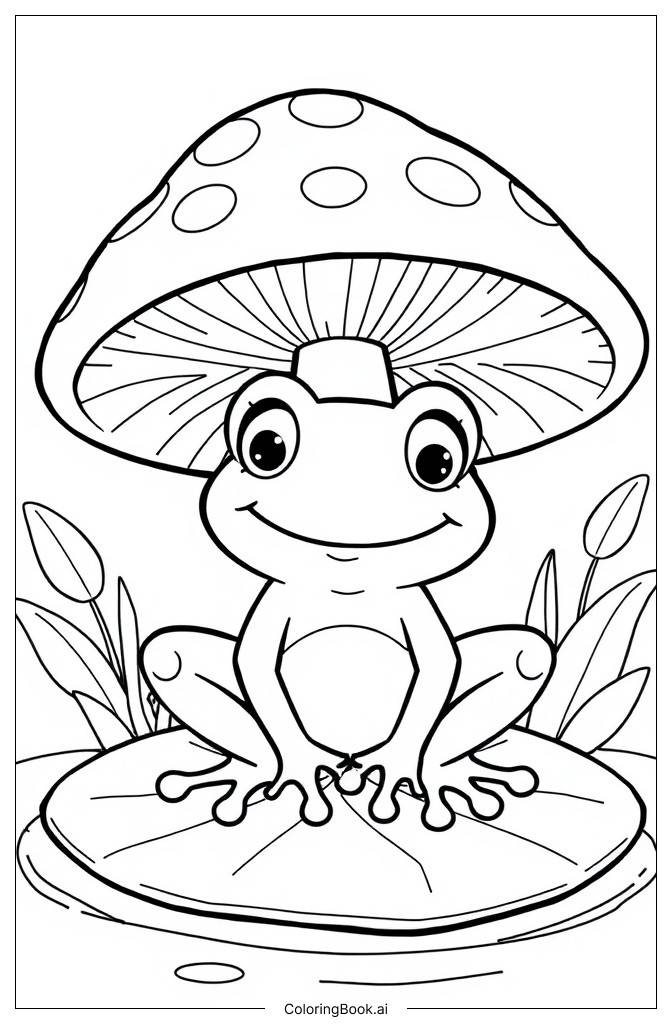
Start with the frog's body. Frogs can be bright green, olive green, or even a fun mix of yellow-green. Add a lighter shade on the belly to give it a soft, rounded look. For the mushroom cap, try a warm red or orange with white spots — classic and eye-catching. The stem can be cream or light tan. Use different shades of green for the grass around the base to add depth and variety. Tiny flowers can be colored in yellow, pink, or purple to brighten the scene. If there are raindrops in the background, light blue or soft gray works perfectly. Try using darker shades along the edges of each shape to create shadows and make everything look more three-dimensional. Have fun mixing colors and do not be afraid to try something unexpected — a purple frog or a teal mushroom can look amazing too!
Coloring challenges: Which parts are difficult to color and need attention for Mushroom Sheltering Frog coloring page?
• Frog Skin Texture: The frog's smooth, rounded body may look simple, but creating a natural look requires careful shading. Applying a darker green along the sides and under the chin, while keeping the belly light, takes patience and steady hands. Blending smoothly without harsh lines can be tricky for younger colorists.
• Mushroom Cap Spots: The spots on the mushroom cap need to stay clean and evenly spaced. Coloring around each spot without accidentally filling them in, or keeping the spots bright white against a bold red or orange cap, demands careful control of your coloring tool, especially with crayons or markers.
• Small Details in the Grass and Flowers: The tiny grass blades and little flowers at the base of the mushroom are small and closely packed. Staying within the lines of each individual element without smudging into neighboring areas is a real challenge, particularly for those using thick markers or brushes.
• Background Depth and Raindrops: Suggesting rain or a misty forest background while keeping the foreground frog and mushroom as the clear focal point is a balancing act. Using very light, cool tones in the background without overpowering the warm, bright colors in the front requires color planning and restraint.
• Achieving a Cohesive Color Story: Tying together the frog, mushroom, ground cover, and background into one harmonious, balanced scene means thinking about how colors interact. Too many bold colors can make the image feel chaotic, so learning to balance bright and muted tones across the whole page is a valuable but challenging skill.
Benefits of coloring books: Advantages of drawing Mushroom Sheltering Frog coloring page
Coloring this sweet scene of a frog sheltering under a mushroom offers a wonderful range of benefits for children and beginners alike. The image encourages creativity by inviting colorists to experiment with nature-inspired palettes or invent their own imaginative color combinations. Choosing colors for the frog, mushroom, and surrounding plants helps develop color awareness and an eye for harmony. Working carefully within the lines of small details like grass, flowers, and mushroom spots builds fine motor skills and hand-eye coordination, which are important for writing and other everyday tasks. The calm, cozy subject matter — a little frog safely tucked away from the rain — creates a soothing, stress-free coloring experience that helps children relax and focus. Connecting with a nature scene also sparks curiosity about the natural world, frogs, fungi, and forest ecosystems. For older children, experimenting with shading and layering colors to create depth and dimension introduces early artistic techniques in a fun, low-pressure setting. Overall, this page combines creativity, skill-building, and a gentle sense of wonder into one enjoyable activity.