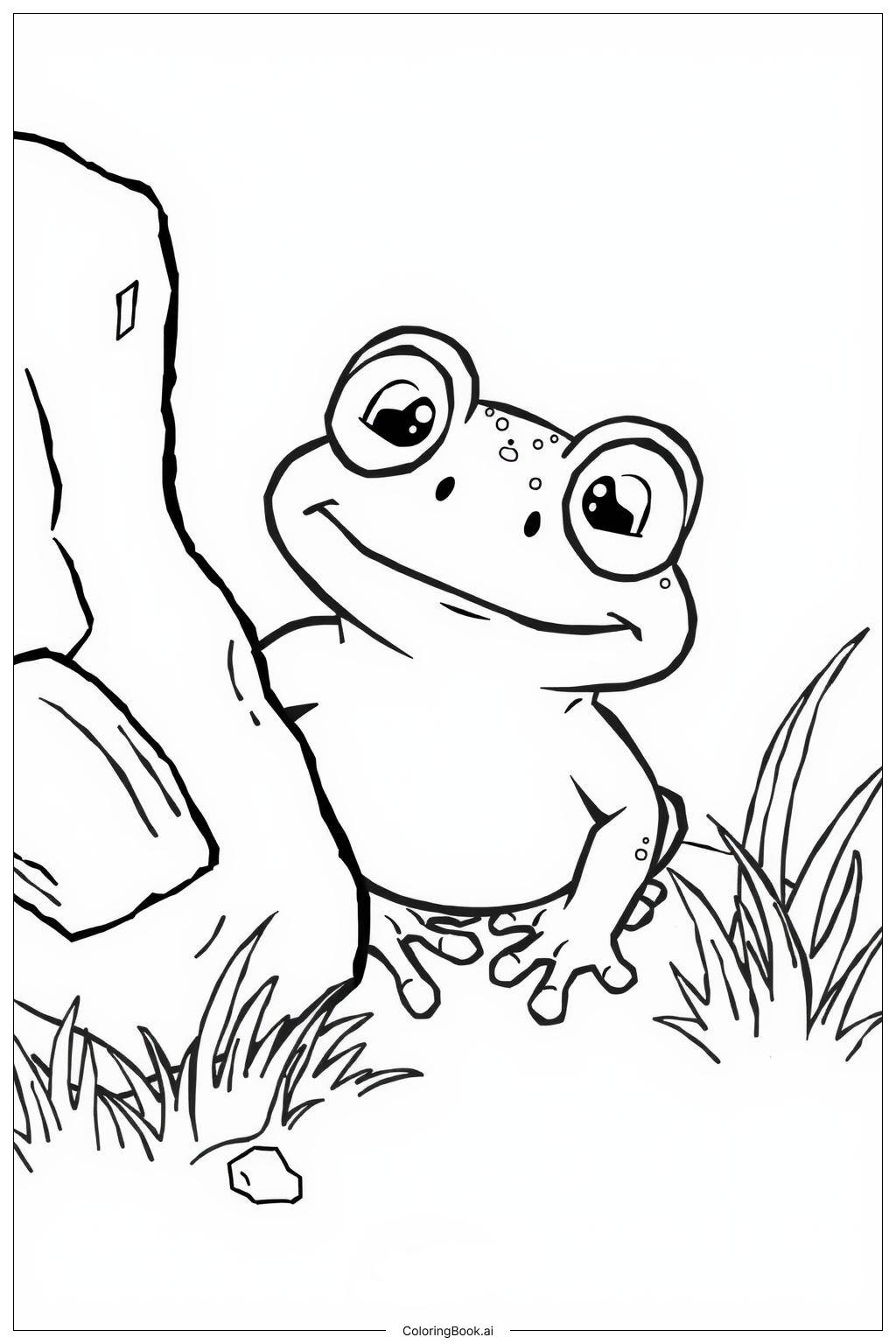
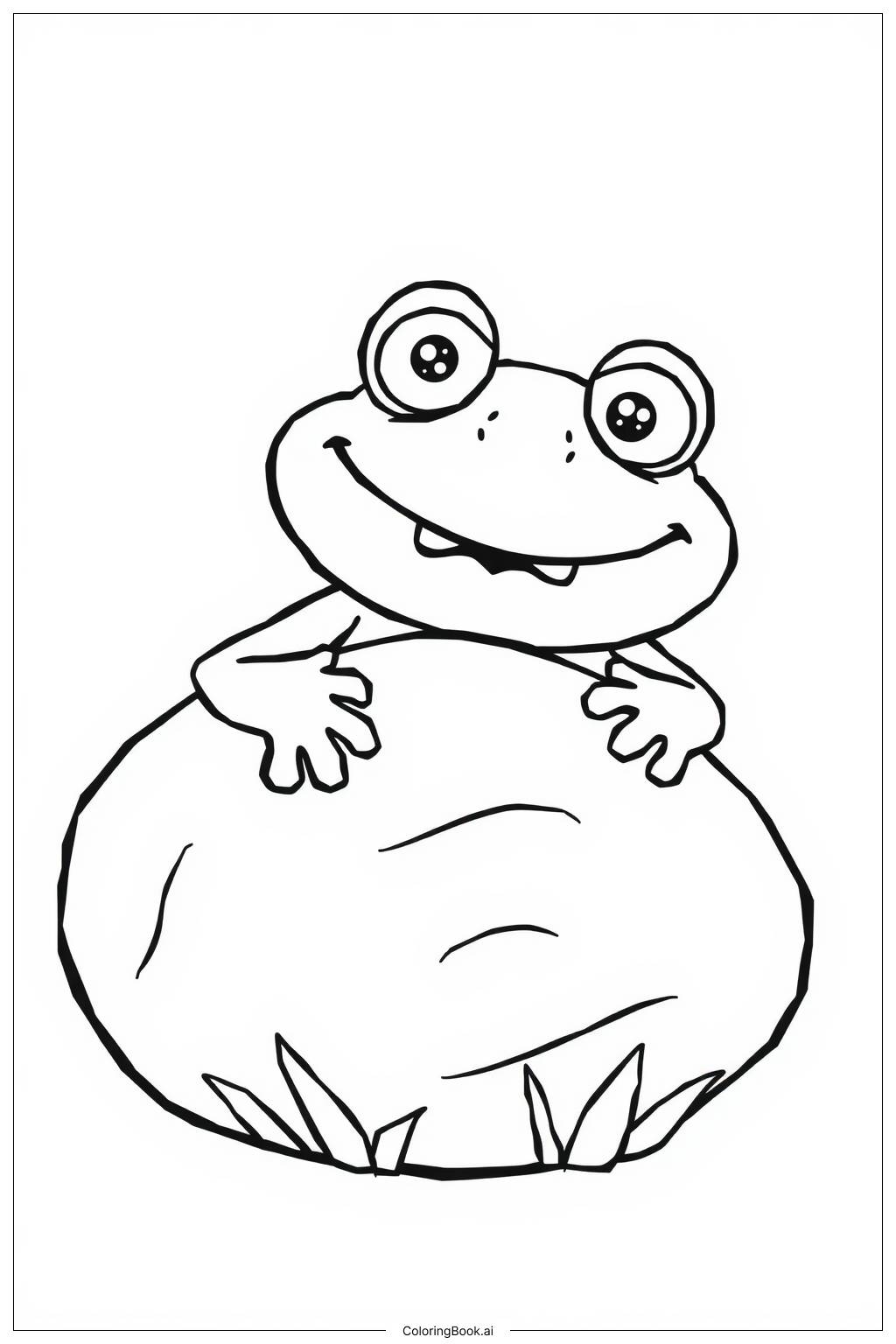
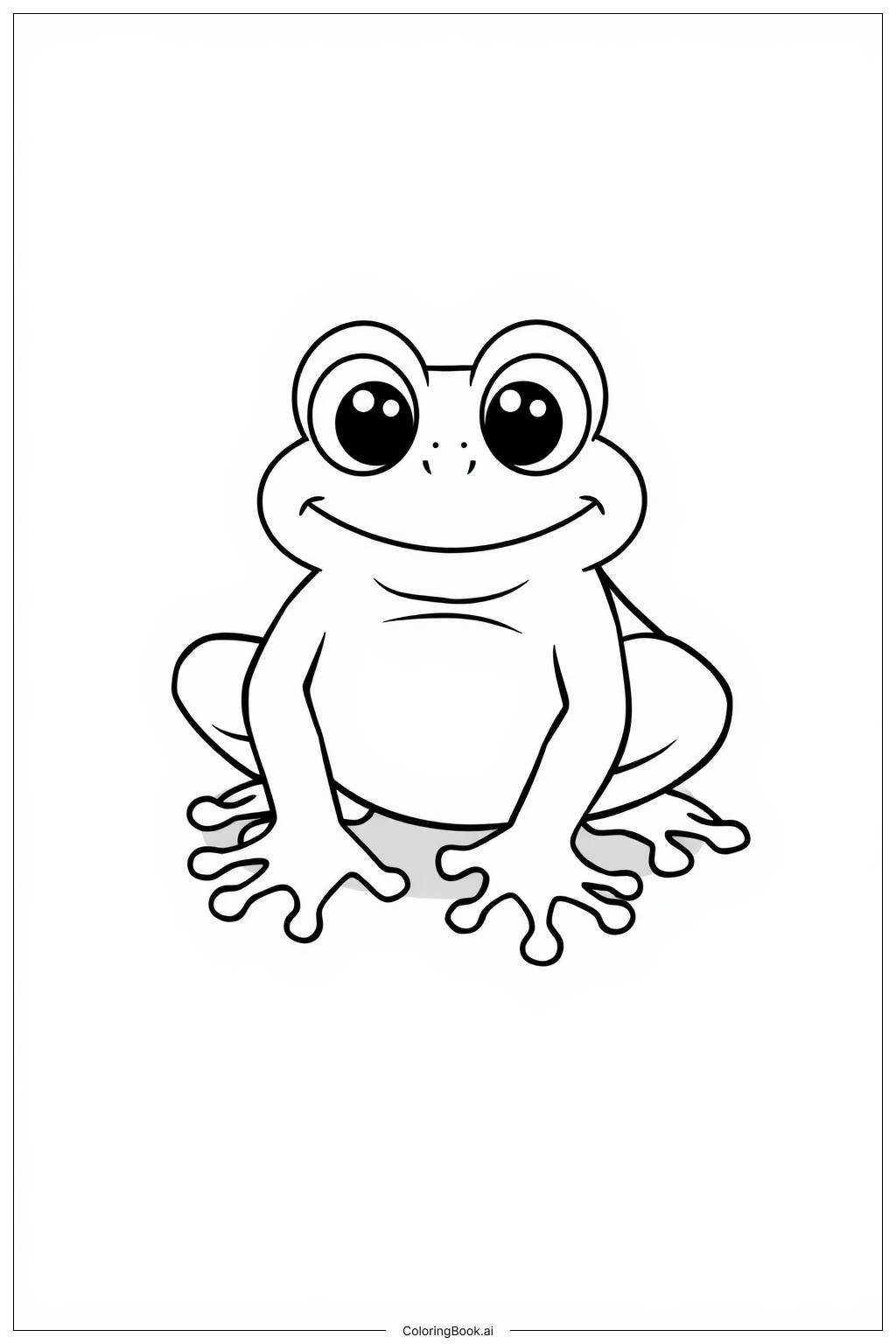
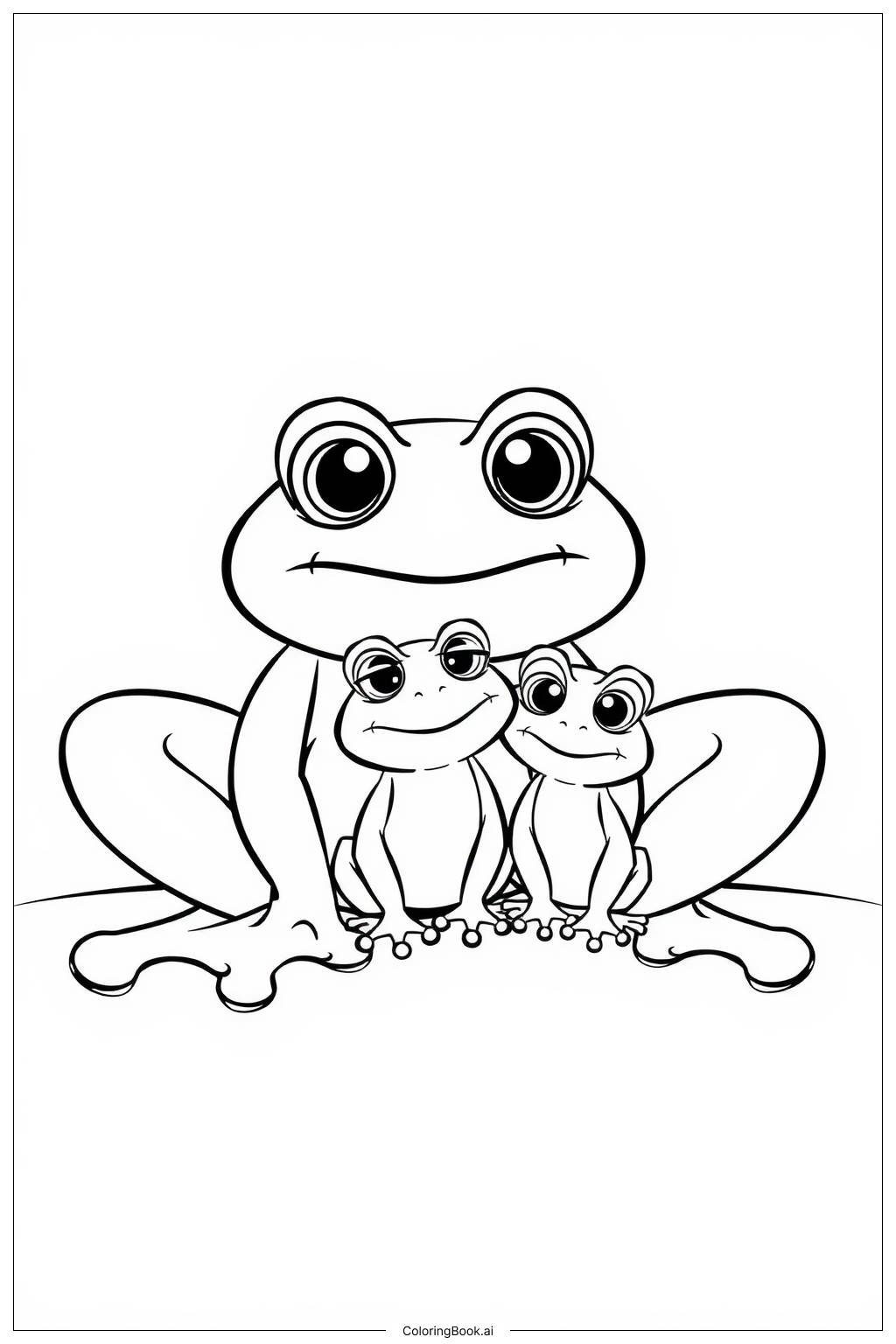
Coloring tips: How to color Frog Watching Raindrops Fall coloring page well?
For the frog, try bright green for the body with darker green or olive tones for shading along the sides and legs. The eyes can be golden yellow with black pupils. Use light pink or peach for the throat area. Color the lily pad a rich green with darker veins running through it. Make the water lilies white, pink, or soft purple with yellow centers. The water can be various shades of blue, from light aqua to deeper navy, creating depth. Use gray or light blue for the raindrops to make them visible against the background. The cattails work well in brown tones with tan seed heads. Add green to the pond grasses and reeds. Consider using lighter colors in the background and darker, more saturated colors in the foreground to create dimension.
Coloring challenges: Which parts are difficult to color and need attention for Frog Watching Raindrops Fall coloring page?
• Raindrop Definition: The numerous raindrops falling throughout the scene require careful attention to keep them distinct from the background. Young colorists may find it challenging to color around each small raindrop or to make them visible with subtle shading. Using light pressure with gray or blue while maintaining consistency across all drops takes patience and a steady hand.
• Water Texture and Depth: Creating realistic-looking water with ripples and reflections presents a moderate challenge. Blending different shades of blue to show depth, adding highlights where light hits the surface, and coloring the circular ripples around the raindrops requires understanding of water movement and light effects. Younger children may struggle with these layering techniques.
• Frog Skin Texture: The bumpy, textured surface of the frog's skin needs varied shading to appear three-dimensional and realistic. Adding spots, different green tones, and shadow areas around the bumps requires careful color selection and blending skills. Maintaining consistent texture across the entire frog body while avoiding a flat appearance can be difficult.
• Lily Pad and Plant Details: The lily pads have visible veins and natural curves that need darker lines or shading to stand out. The cattails and grasses have fine details and overlapping elements that require precision coloring to avoid accidentally going outside the lines or losing the distinct shapes of each plant element in the busy pond scene.
Benefits of coloring books: Advantages of drawing Frog Watching Raindrops Fall coloring page
Coloring this rainy pond scene helps children develop fine motor skills through detailed work on small raindrops and plant textures. It encourages focus and concentration as they navigate the busy composition with multiple overlapping elements. The nature theme teaches about pond ecosystems and weather, building environmental awareness. Children practice color theory by mixing and blending greens and blues to create water depth and realistic frog coloring. The calming subject matter promotes relaxation and mindfulness, as the peaceful frog watching rain creates a serene mood. This page builds patience through the repetitive task of coloring many raindrops and ripples. It also sparks creativity in choosing color schemes for flowers and deciding on realistic versus imaginative color choices for the frog and its habitat.