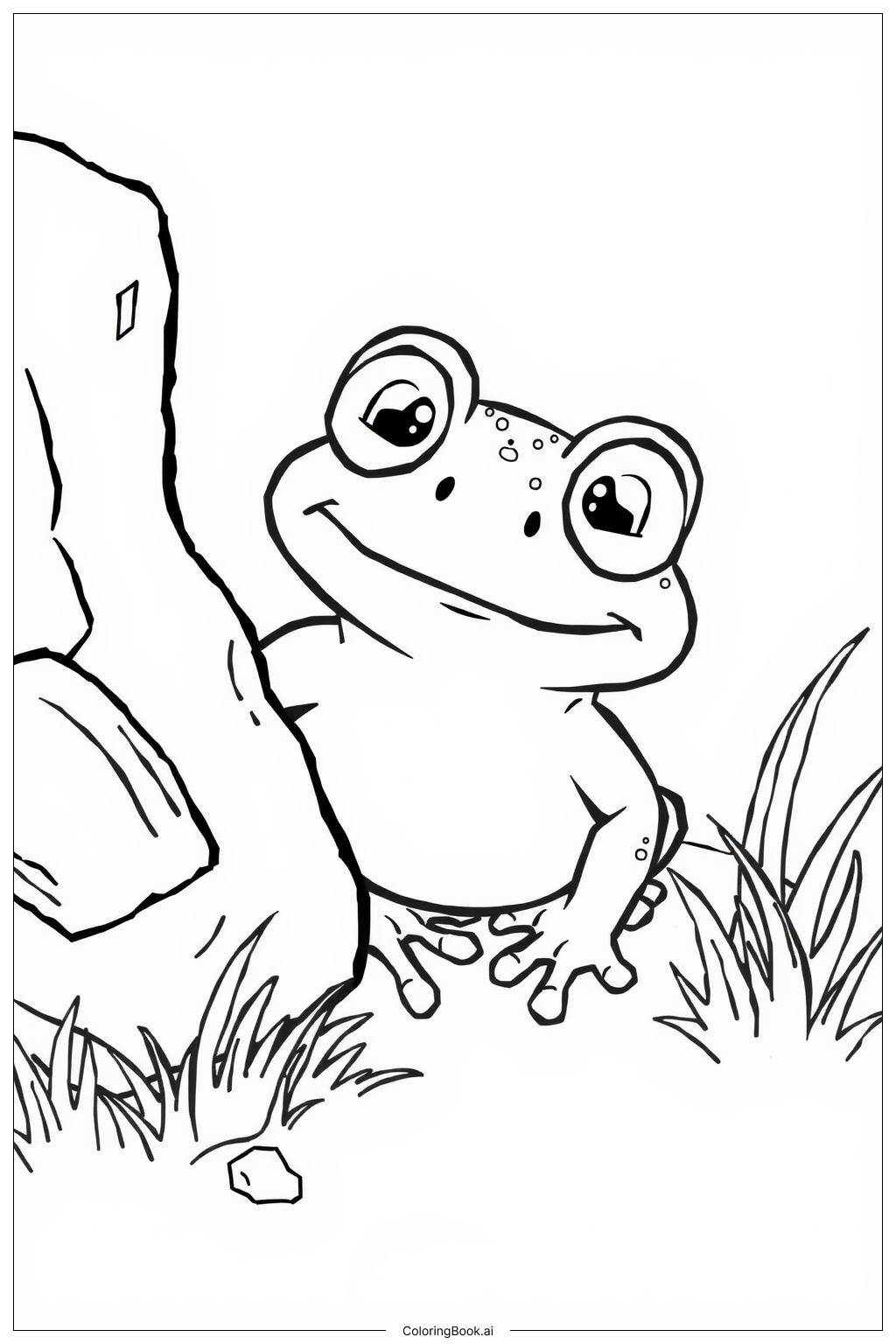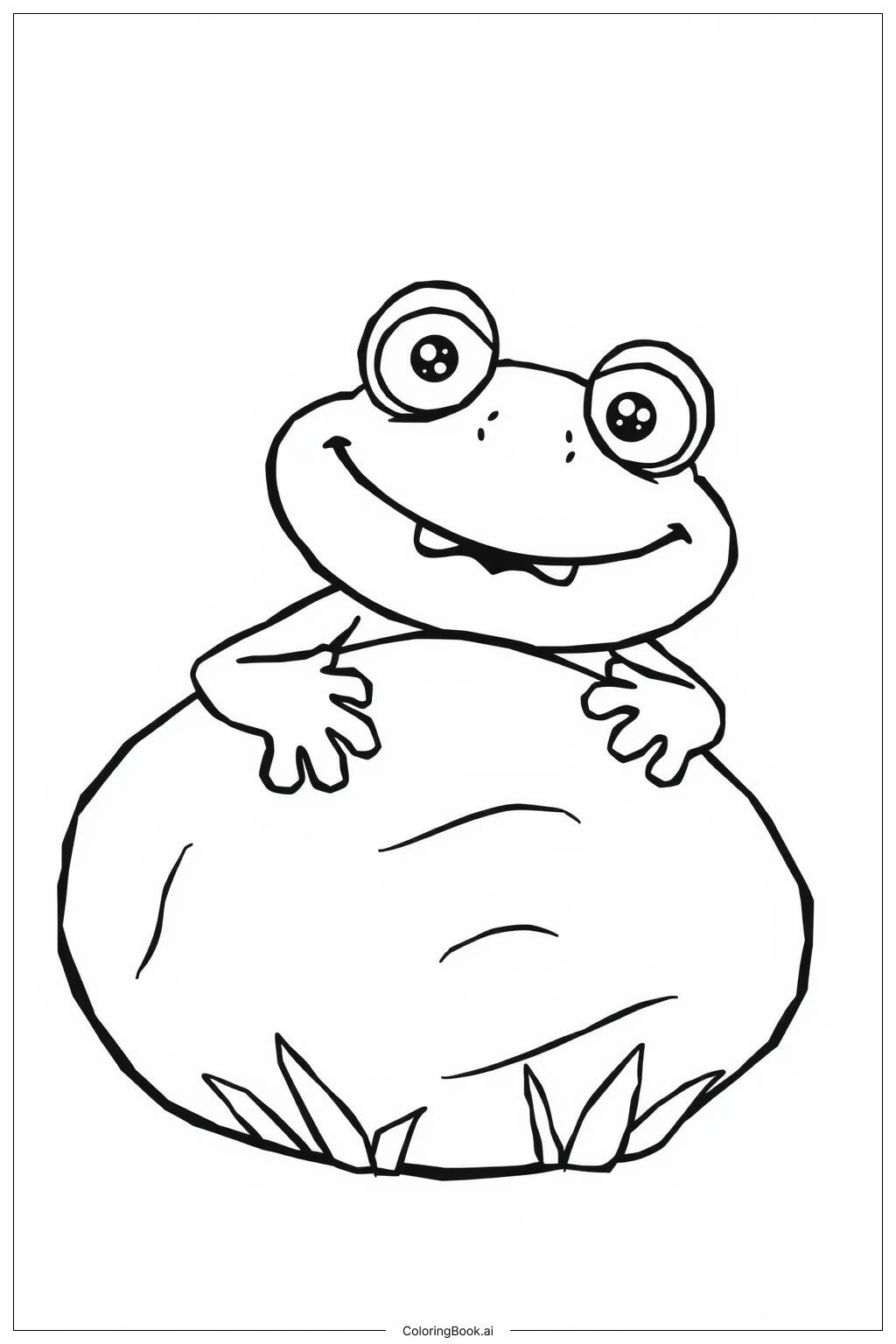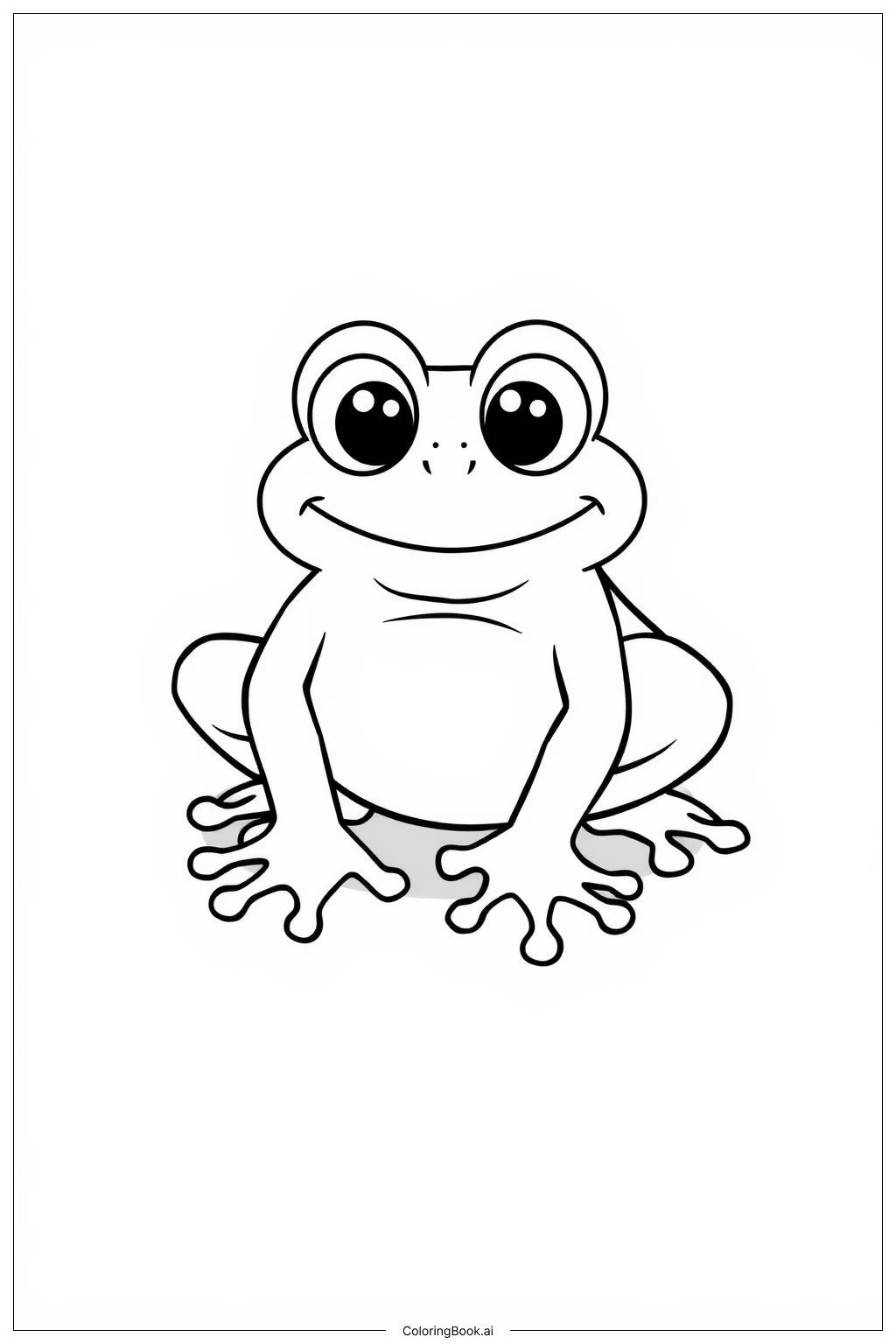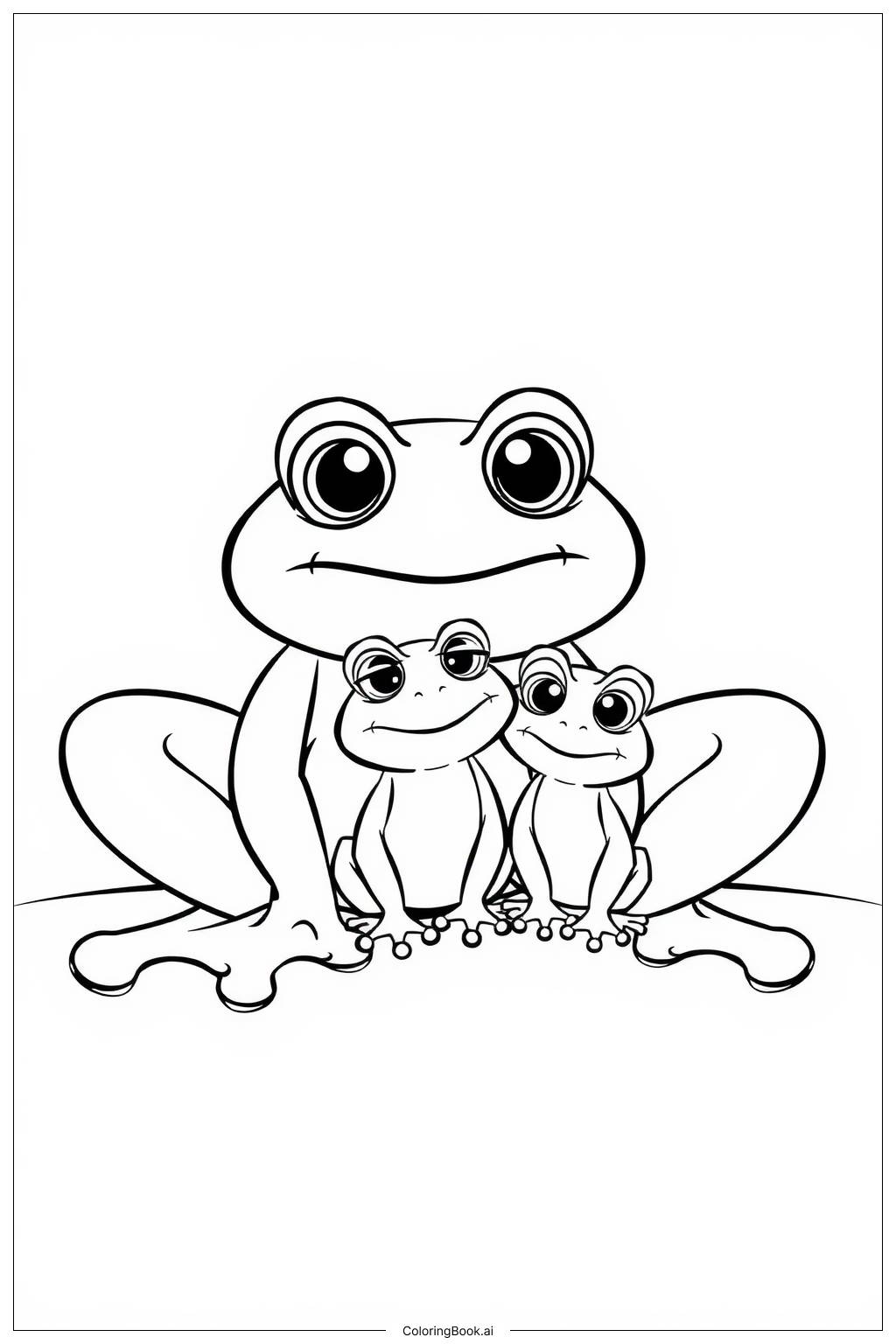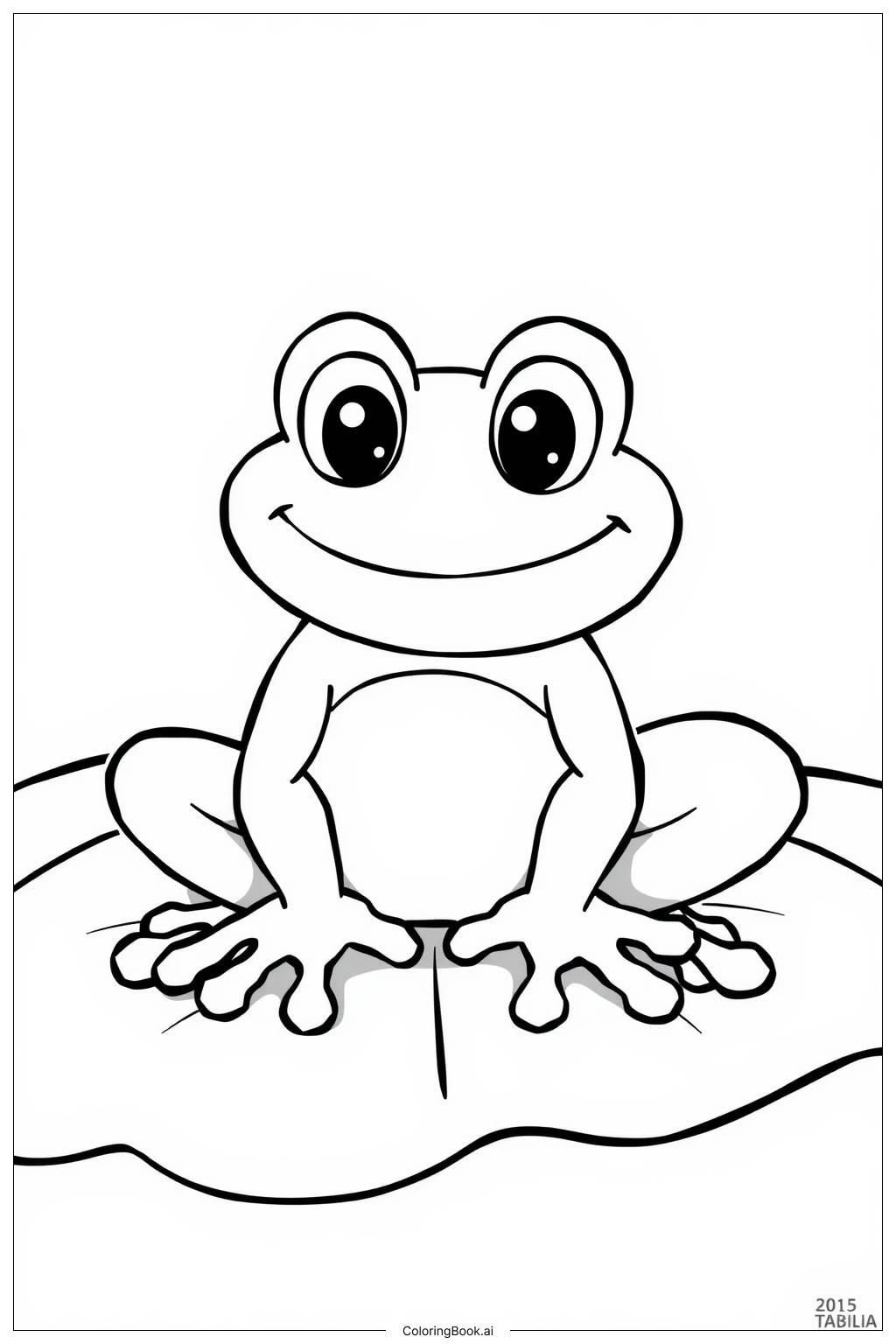
Coloring tips: How to color Frog in a Pond Surrounded by Flowers coloring page well?
Try using different shades of green for the frog’s body, such as light green for the belly and darker green for the back to show depth. Use bright yellows, pinks, or purples for the flowers to make them stand out against the calm blue water of the pond. Adding blue-green shades for the lily pads will help distinguish them from the water. For the pond’s surface, soft blues mixed with hints of white can give the impression of gentle reflections. Don’t forget to color the grasses around the pond using various greens and browns to create a natural environment. Feel free to add small details, like tiny insects or water bubbles, with contrasting colors for extra fun.
Coloring challenges: Which parts are difficult to color and need attention for Frog in a Pond Surrounded by Flowers coloring page?
• Frog Details: Capturing the frog’s smooth skin and rounded eyes may be tricky. The color contrast between its body parts requires careful shading to make it look realistic rather than flat. • Water Reflections: Showing the gentle ripples and reflections on the pond water can be challenging. Using the right balance of light and shadow colors is important to create a convincing water effect. • Flowers Variety: Each flower has intricate petal shapes and different sizes. Coloring them requires attention to detail and a steady hand to keep the shapes distinct and vibrant. • Background Elements: The grasses and leaves at the pond’s edge have overlapping lines and textures. Maintaining clear color boundaries here is necessary to avoid the picture looking messy. • Layering Colors: Since many elements are layered, such as lily pads on water and flowers surrounding the frog, choosing colors that don’t blend into each other too much takes some planning.
Benefits of coloring books: Advantages of drawing Frog in a Pond Surrounded by Flowers coloring page
Coloring this image helps develop fine motor skills because it requires careful control to color the different shapes and details. It also encourages creativity by allowing children to choose colors for natural objects like frogs and flowers. The scene promotes focus and patience as coloring water reflections and overlapping layers takes time and thought. Additionally, working with a nature-themed picture can boost curiosity about animals and their environments. Overall, the image provides a relaxing but engaging activity suitable for children aged 4 to 16, supporting both artistic expression and observation skills.