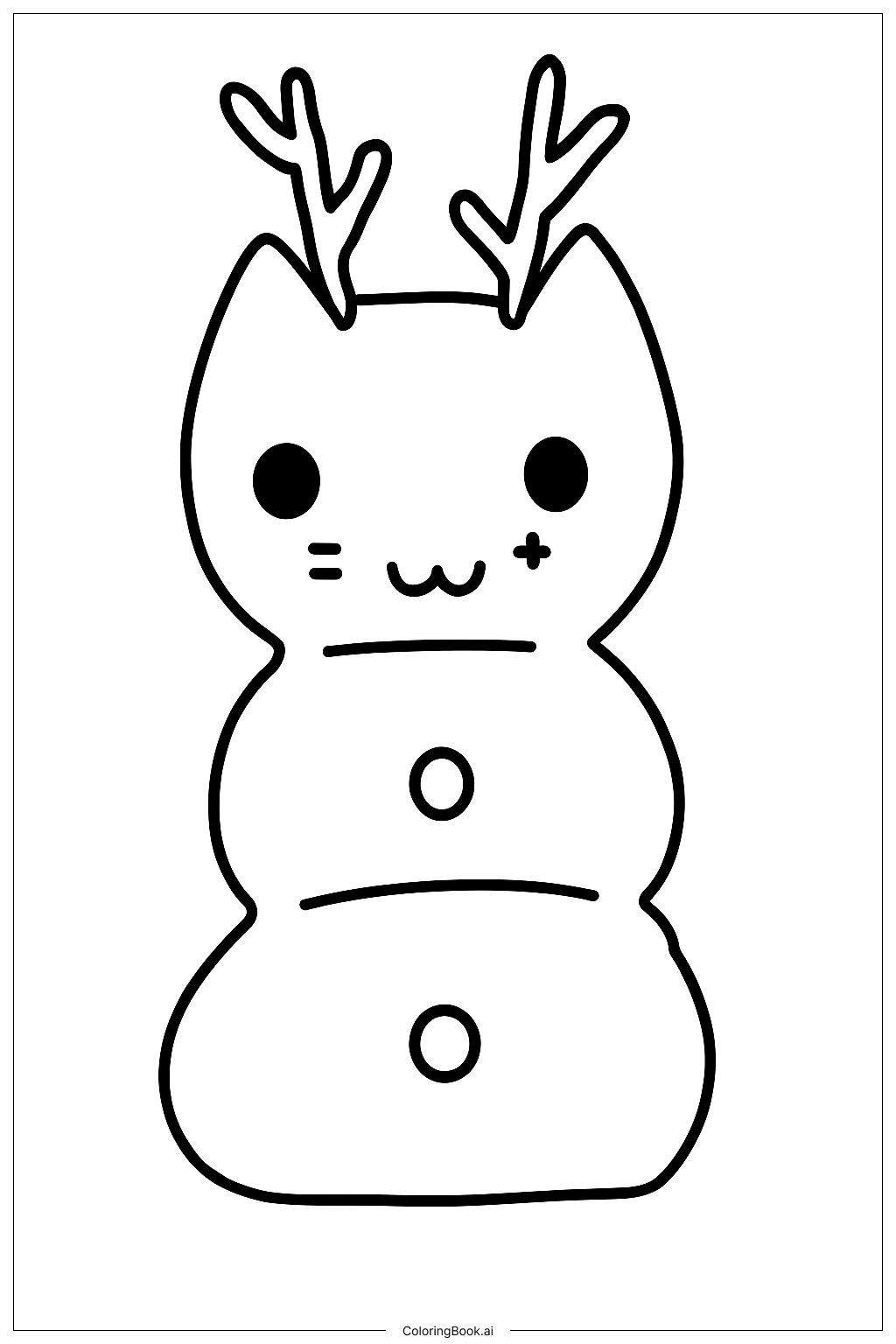
Coloring tips: How to color Snowie coloring page well?
Start by coloring Snowie's body with a very light blue or soft white to give it a frosty, icy feel. You can add a pale blue shadow on the edges of each snowball section to show depth and roundness.
For the scarf, pick a bright, fun color like red, green, or orange to make it pop against the white body. Stripes or patterns on the scarf look great too.
Color the top hat dark grey or deep black with a colorful hatband in yellow or purple. Use a warm orange for the carrot nose to make it stand out.
The eyes and buttons can be dark brown or black. Add tiny white dots on the eyes to make them look shiny and alive.
For the background, try a soft light blue or lavender sky. Color the snowflakes around Snowie in icy blue or silver to give a sparkling winter feel. Use bright colors throughout to make this page feel festive and full of holiday cheer.
Coloring challenges: Which parts are difficult to color and need attention for Snowie coloring page?
• Smooth Body Shading: Snowie's round snowball body sections look best when shaded smoothly to show their curved, three-dimensional shape. Blending light blue into white without creating harsh lines can be tricky, especially for younger colorists. Take your time and use light, gentle strokes to build up color gradually from the edges toward the center.
• Small Button and Eye Details: The tiny buttons and small dot eyes on Snowie's body are very small and close together. Coloring inside these tiny shapes neatly requires a sharp pencil or a fine-tipped marker. If the tool is too thick, colors may bleed outside the lines and muddy the look of the design.
• Scarf Texture and Folds: The scarf wrapped around Snowie's neck may have folds and overlapping sections. Showing the depth of these folds using slightly darker shades of the same color adds realism but can be challenging. Try using a darker tone on the underside of each fold to create a natural shadow effect.
• Carrot Nose Gradients: The carrot nose is a small but important feature. To make it look realistic, it should transition from a darker orange at the base to a brighter, lighter orange at the tip. Achieving this gradient in a small area requires careful, controlled coloring, which can challenge beginners.
• Snowflake Accents Around the Scene: The delicate snowflake shapes surrounding Snowie have thin, intricate lines and tiny points. These are some of the hardest parts to color without going outside the lines. Using a very fine pen or a sharpened colored pencil tip works best for these detailed accents.
Benefits of coloring books: Advantages of drawing Snowie coloring page
Coloring Snowie is a wonderful activity for kids and families during the winter season. It brings so many great benefits beyond just having fun.
First, it helps build fine motor skills. Carefully coloring inside the lines of Snowie's round body, tiny buttons, and detailed snowflakes trains small hand muscles and improves pencil control, which supports writing skills at school.
Second, it sparks creativity. Choosing colors for Snowie's scarf, hat, and background encourages kids to make their own artistic choices and express their unique personalities. There are no wrong answers, and every version of Snowie can look different and special.
Third, it supports focus and patience. Completing a full coloring page like this one teaches children to slow down, concentrate, and work toward a finished goal, which builds healthy attention habits.
Fourth, it is great for emotional well-being. The cheerful, friendly design of Snowie naturally lifts spirits and brings feelings of joy and warmth. Coloring can be calming and relaxing for kids who feel stressed or restless.
Finally, coloring Snowie together as a family or in a classroom creates a shared experience full of laughter and connection. It is a simple, screen-free way to enjoy quality time and celebrate the magic of winter.