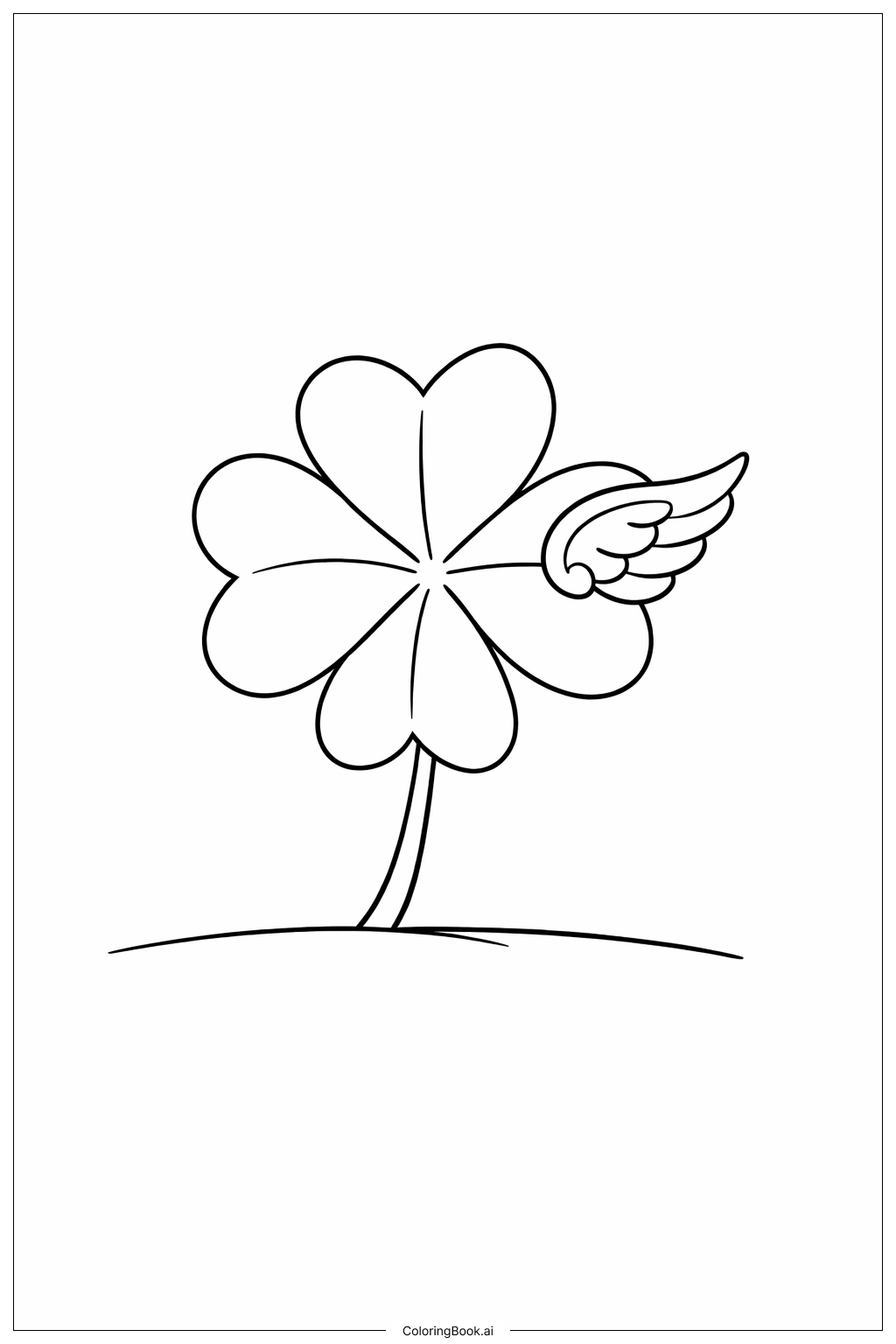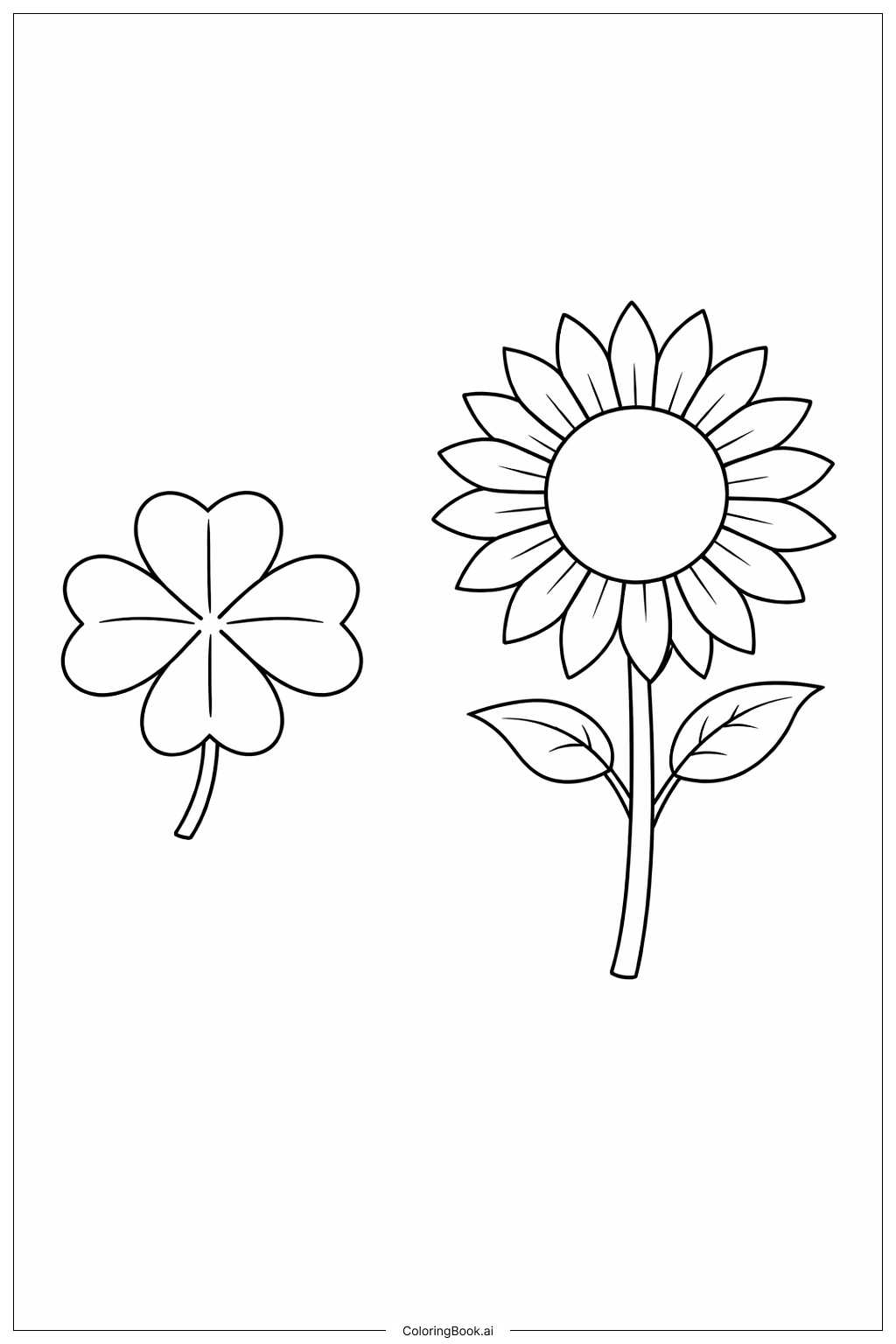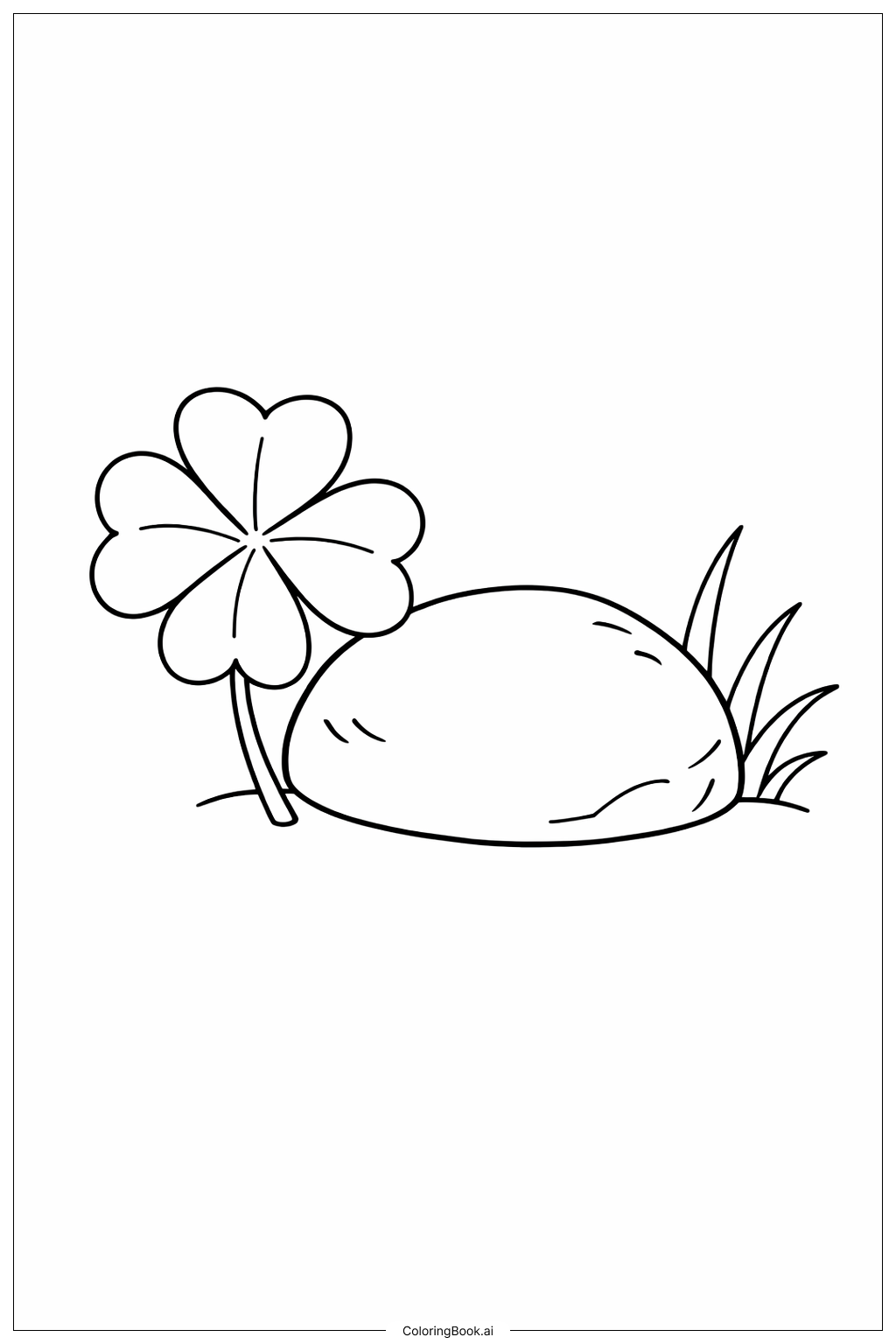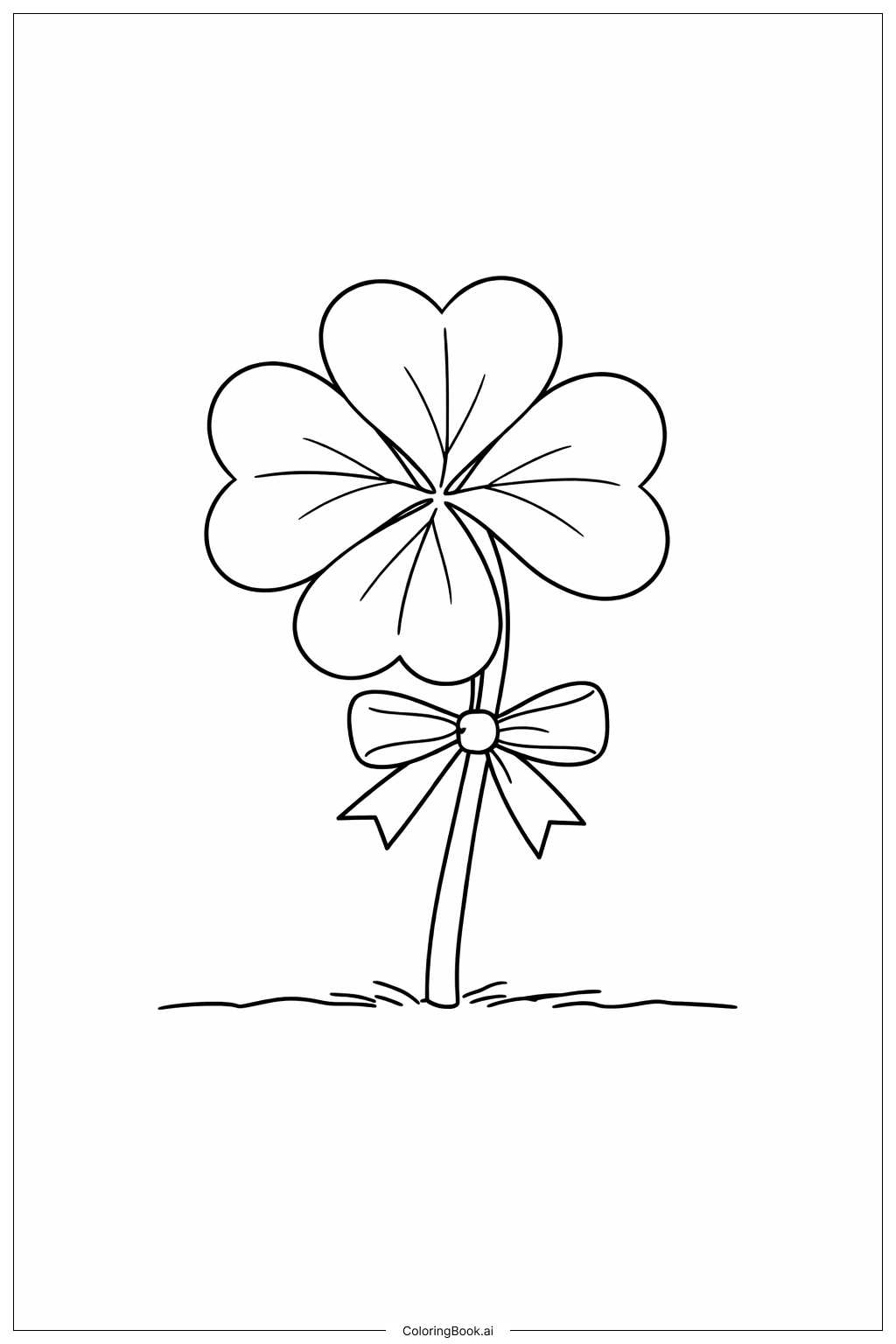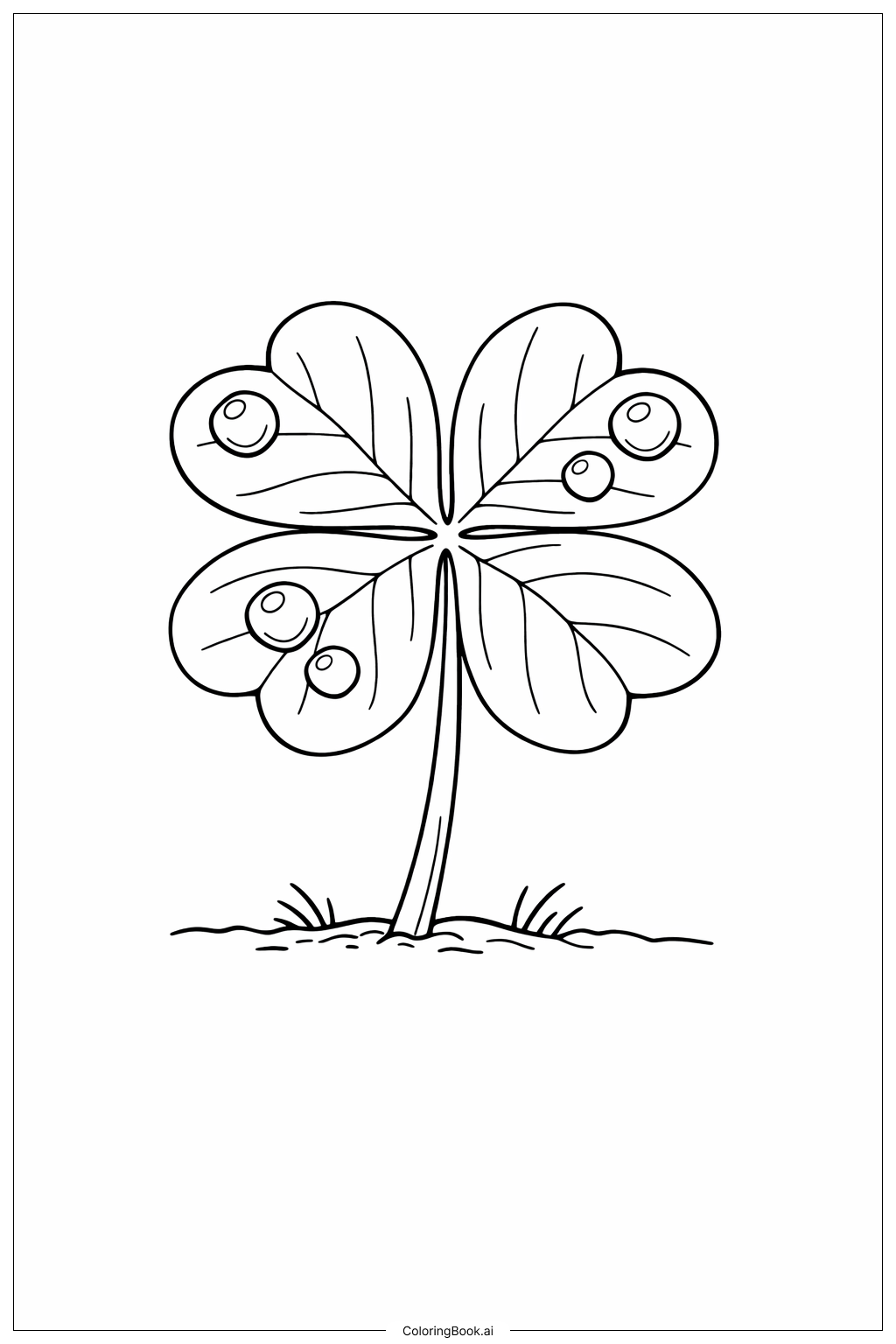
Coloring tips: How to color Four Leaf Clover With Dew Drops coloring page well?
Start with the clover leaves. Use bright, cheerful greens — try lime green for the lighter areas and a deeper forest green along the edges and veins to give the leaves depth and a fresh, lively look. You can also add a tiny bit of yellow-green near the center where the light would hit brightest.
For the dew drops, keep them mostly white or very light blue. Leave the very center nearly white and add a pale blue or light gray along one side to show the rounded, glassy shape. A tiny dark outline helps each drop stand out.
Color the stem with a medium green or olive tone to set it apart from the leaves. If you like, add a soft brown or tan at the very base to suggest soil.
Feel free to add a soft blue or pastel yellow background to suggest a sunny morning sky or a grassy meadow. This makes the green clover pop and gives the whole picture a bright, cheerful feeling. Take your time with the small dew drops — they are the most fun part!
Coloring challenges: Which parts are difficult to color and need attention for Four Leaf Clover With Dew Drops coloring page?
Coloring this image is enjoyable, but a few areas will need extra care and patience. Here are the main challenges to watch out for:
• Dew Drop Shading: The dew drops are small and round, and making them look glassy or three-dimensional takes careful shading. You need to leave a bright highlight spot, add a gentle curve of light blue or gray on one side, and keep the edges clean. Working inside such a tiny space without going over the lines can be tricky, especially for younger colorists.
• Leaf Gradients and Depth: Each of the four lobes needs shading to look full and curved rather than flat. Blending from a lighter green at the center to a darker green at the edges takes practice. Rushing this step can make the leaves look patchy or uneven.
• Vein Details: The fine vein lines inside each leaf lobe are very narrow. Coloring right up to these lines without covering them completely requires a sharp pencil or a fine-tipped marker. If the veins disappear under the color, the leaves lose their natural, textured look.
• Avoiding Color Bleed Between Elements: The dew drops sit directly on the leaf surface, so the boundary between the drop and the leaf needs a clean edge. Using two different color families — greens for the leaf and blues or whites for the drops — helps, but staying inside the lines in those tight spots is still a real challenge.
• Stem and Base Contrast: The slim stem can easily blend into the leaf color if you use a similar green. Choosing a slightly warmer or darker shade for the stem keeps it visible and gives the whole image a more finished, polished appearance.
Benefits of coloring books: Advantages of drawing Four Leaf Clover With Dew Drops coloring page
Coloring this Four Leaf Clover With Dew Drops page offers a wide range of benefits for kids and adults alike.
For children, it builds fine motor skills as they carefully color inside the small dew drops and along the leaf veins. Choosing greens, blues, and whites also encourages color awareness and creative thinking. Completing the page gives a real sense of accomplishment and boosts confidence.
For older kids and adults, the detailed shading involved in making the dew drops look glassy and the leaves look three-dimensional is a wonderful way to practice blending and color theory. It trains the eye to notice light and shadow in everyday natural objects.
The nature theme itself is calming. Focusing on a simple, peaceful subject like a clover in the morning dew helps slow the mind, reduce stress, and encourage mindfulness. Many people find that coloring nature scenes feels as relaxing as a quiet walk outside.
Sharing the finished page with family or friends also makes a lovely connection moment. It can spark conversations about nature, luck, and the beauty of small things. Whether you are coloring solo or side by side with someone, this page is a gentle, rewarding creative experience for all ages.