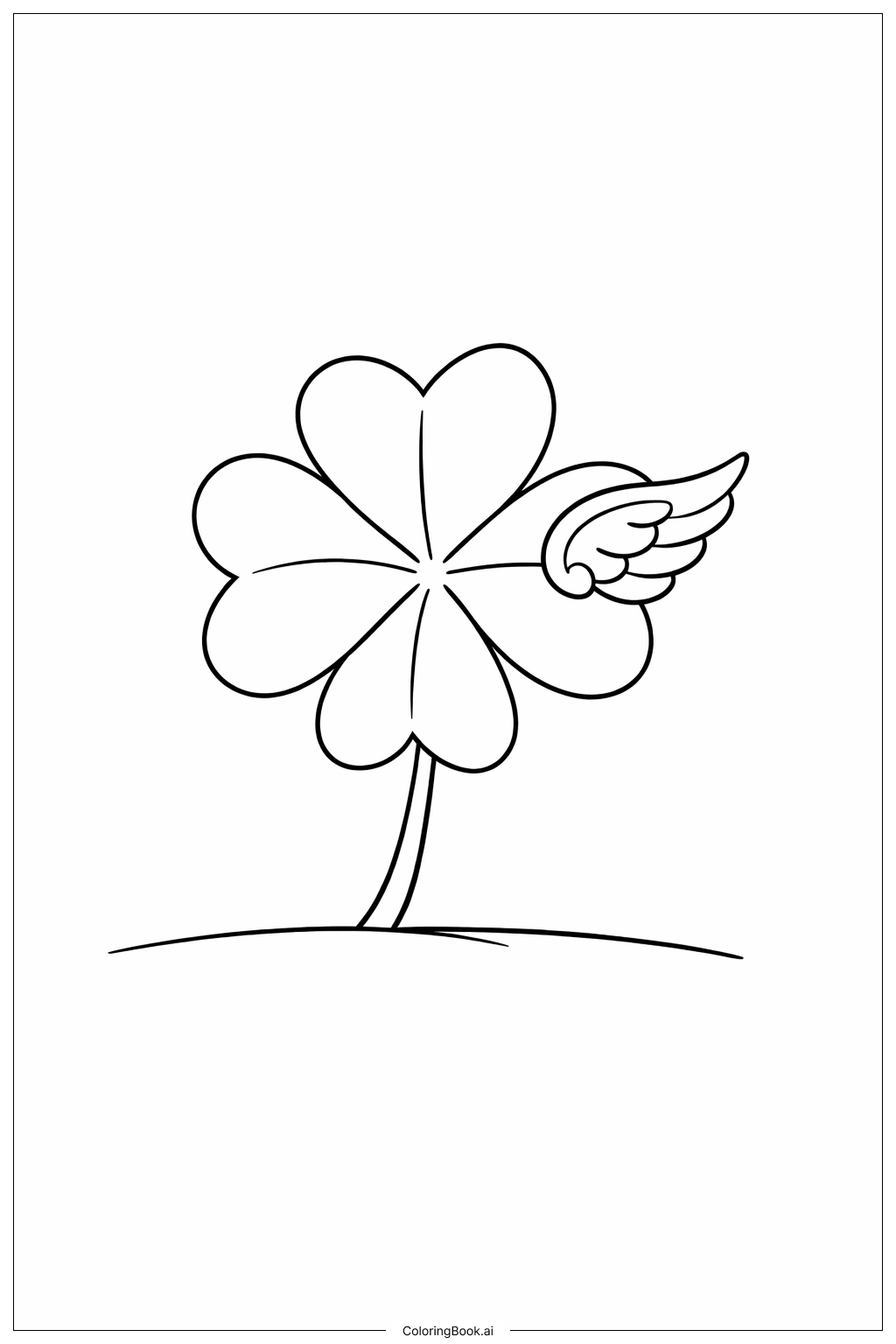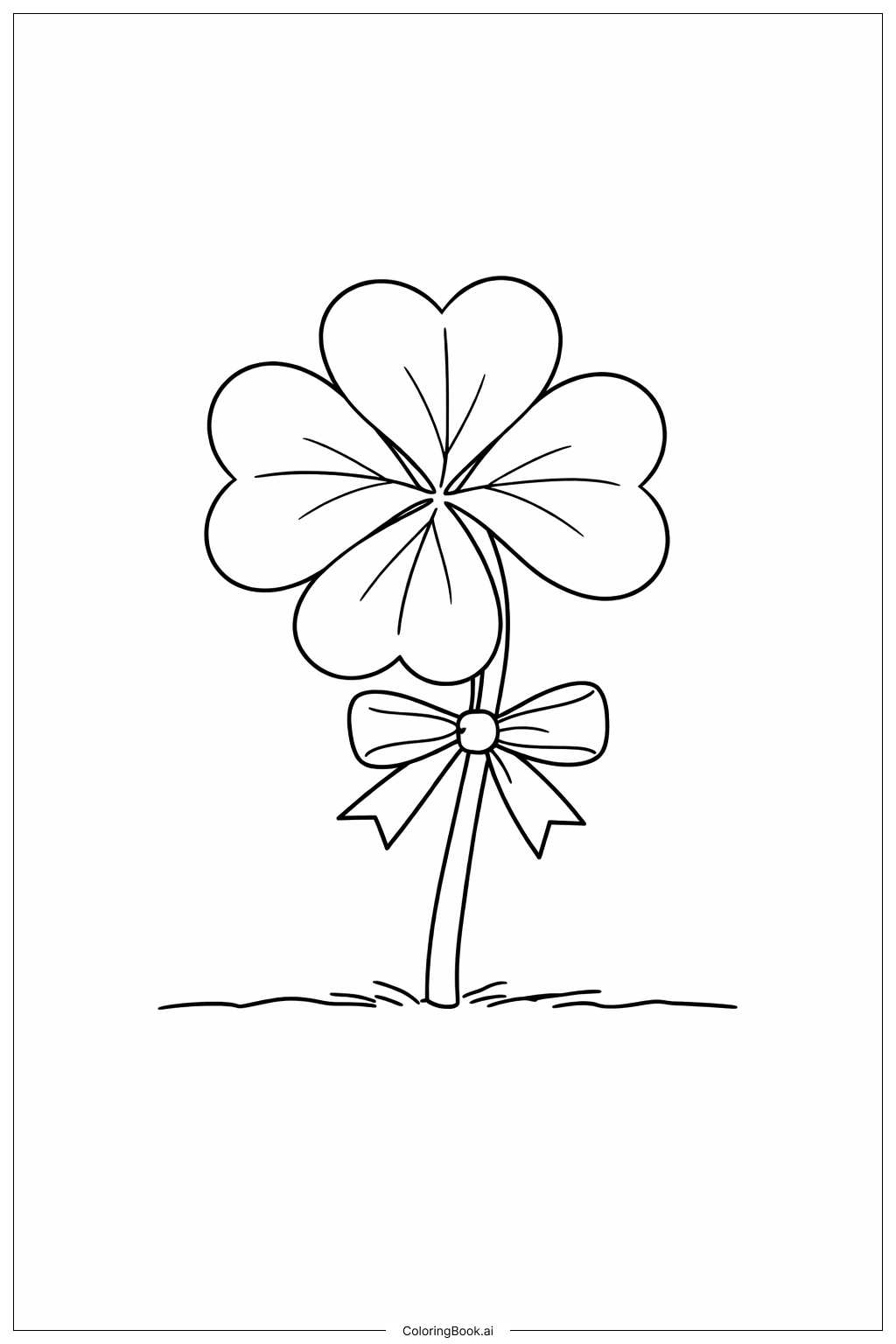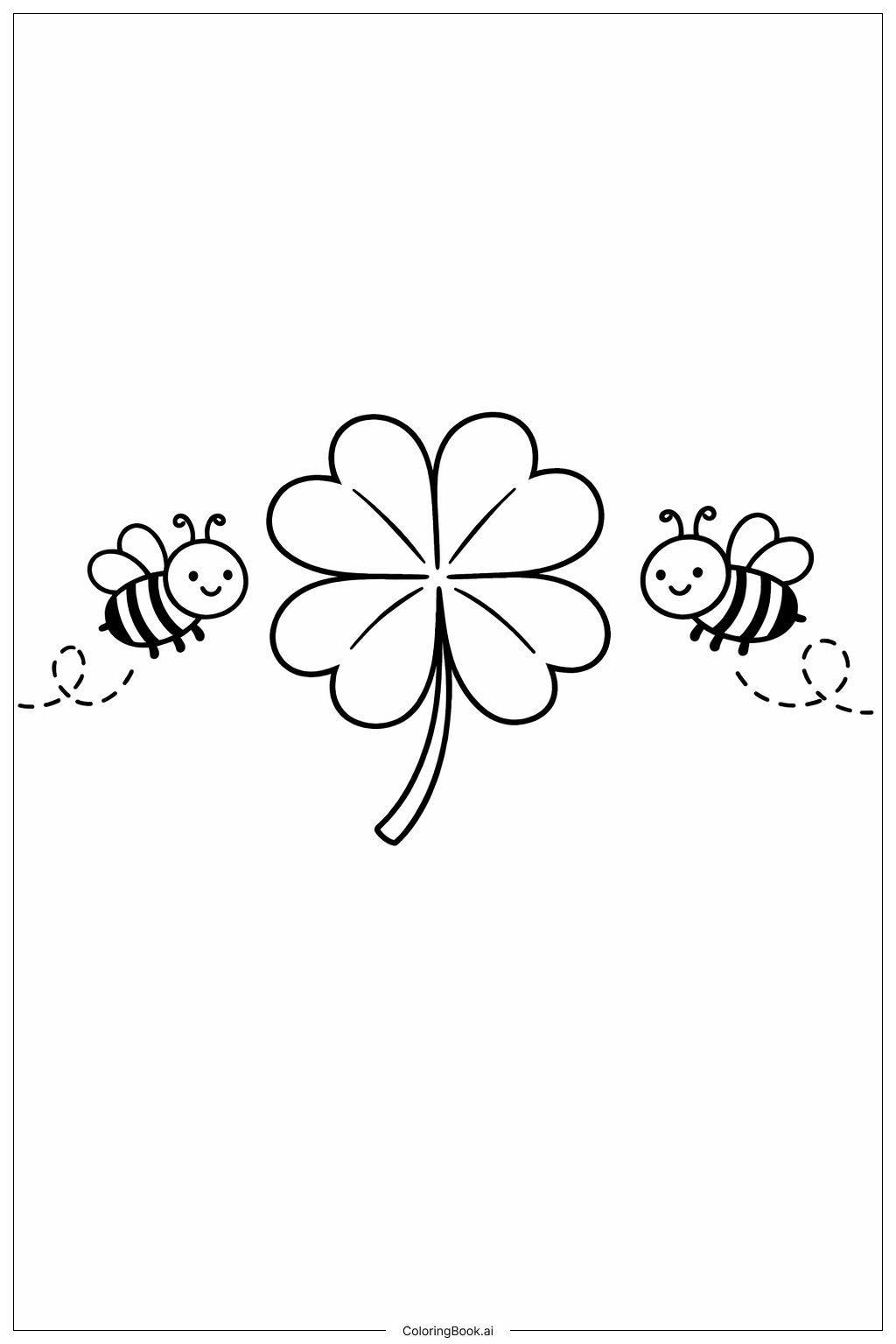
Coloring tips: How to color Four Leaf Clover With Bees coloring page well?
For this image, use various shades of green to color the Four Leaf Clover, from light to dark green, to highlight the veins and leaf folds. The bees can be colored with bright yellow and black stripes, and their wings with light blue or gray tones for a transparent effect. You can add touches of pink, purple, or white for the flowers around the clover. Try coloring the grass with different greens to add depth and make the scene lively. Feel free to use soft colors for the background to keep the focus on the clover and the bees. Experimenting with blending colors will give a natural look to the leaves and insects.
Coloring challenges: Which parts are difficult to color and need attention for Four Leaf Clover With Bees coloring page?
• Detailed Leaf Veins: The veins on each leaf of the Four Leaf Clover require careful coloring to maintain their shape and make the leaves look realistic without overcrowding the details.
• Small Busy Bees: Coloring the bees’ tiny bodies and wings can be challenging because of their size and the need to differentiate the black and yellow stripes clearly.
• Wing Transparency: The delicate wings need subtle shading to look light and transparent, which can be tricky to achieve distinctly.
• Overlapping Elements: Some bees overlap the clover leaves or flowers, so staying within the lines without blending the colors together may require extra attention.
• Background Complexity: The grasses and flowers in the background have smaller sections and varied shapes, making consistent coloring a bit more advanced for younger children.
Benefits of coloring books: Advantages of drawing Four Leaf Clover With Bees coloring page
Coloring this Four Leaf Clover With Bees image helps children develop fine motor skills as they stay within the detailed lines and small spaces, especially when coloring the veins and bees. It encourages focus and patience while working on both larger and smaller areas. This image also inspires creativity by allowing children to choose different shades of green for the leaves and experiment with colors for the bees and flowers. Additionally, coloring natural elements like plants and insects can foster an appreciation for nature. It is a calming and enjoyable activity that boosts concentration and artistic expression across all age groups.