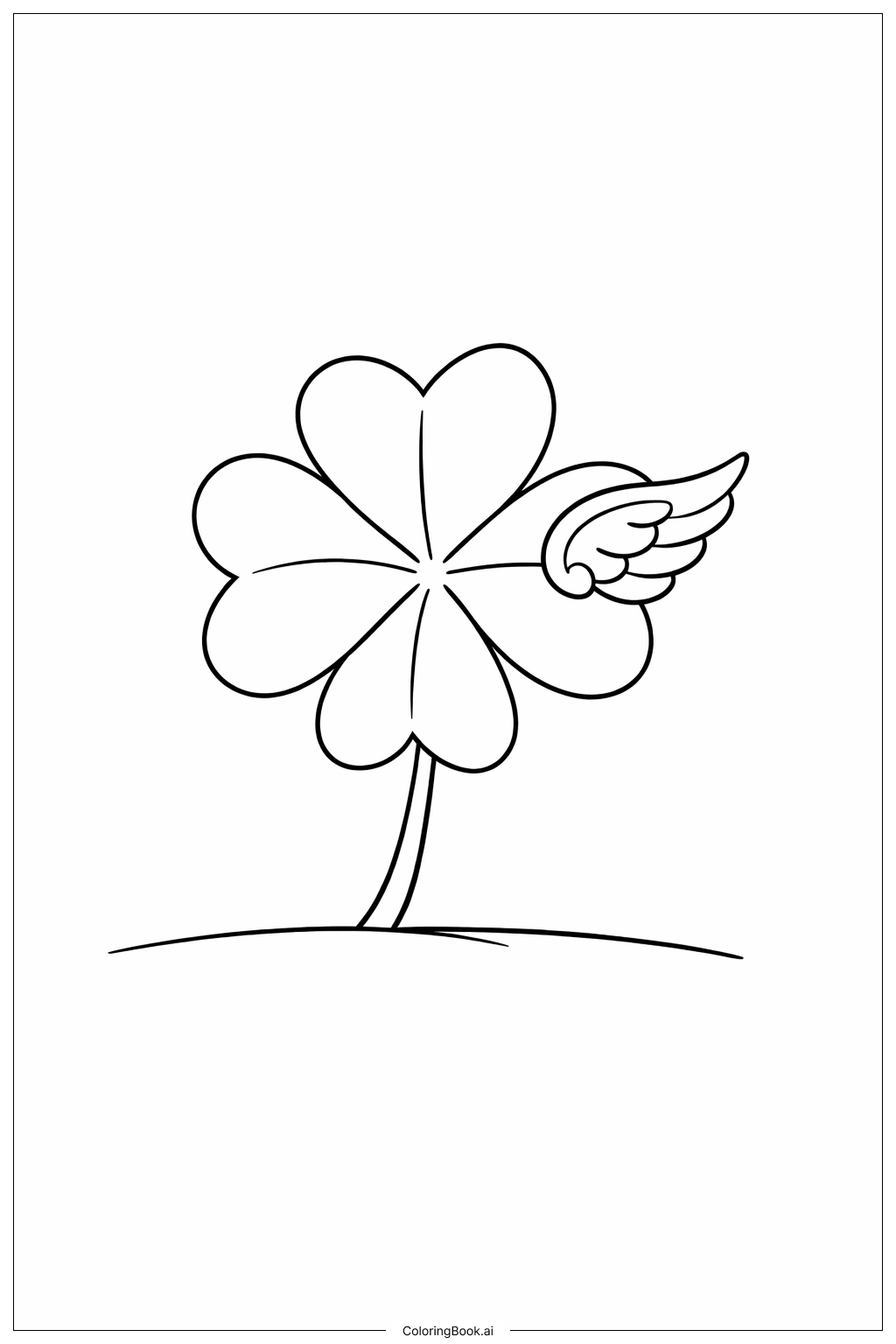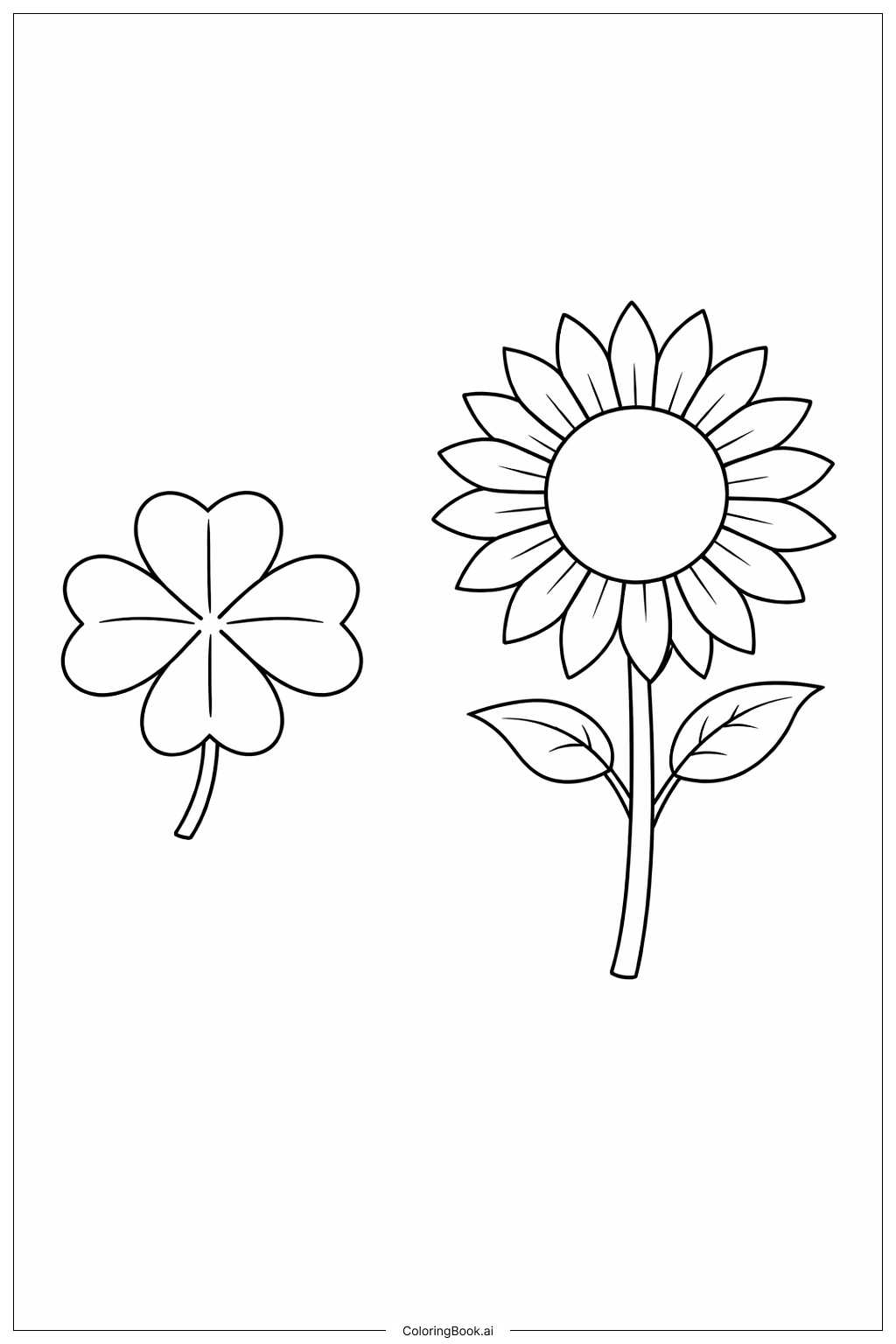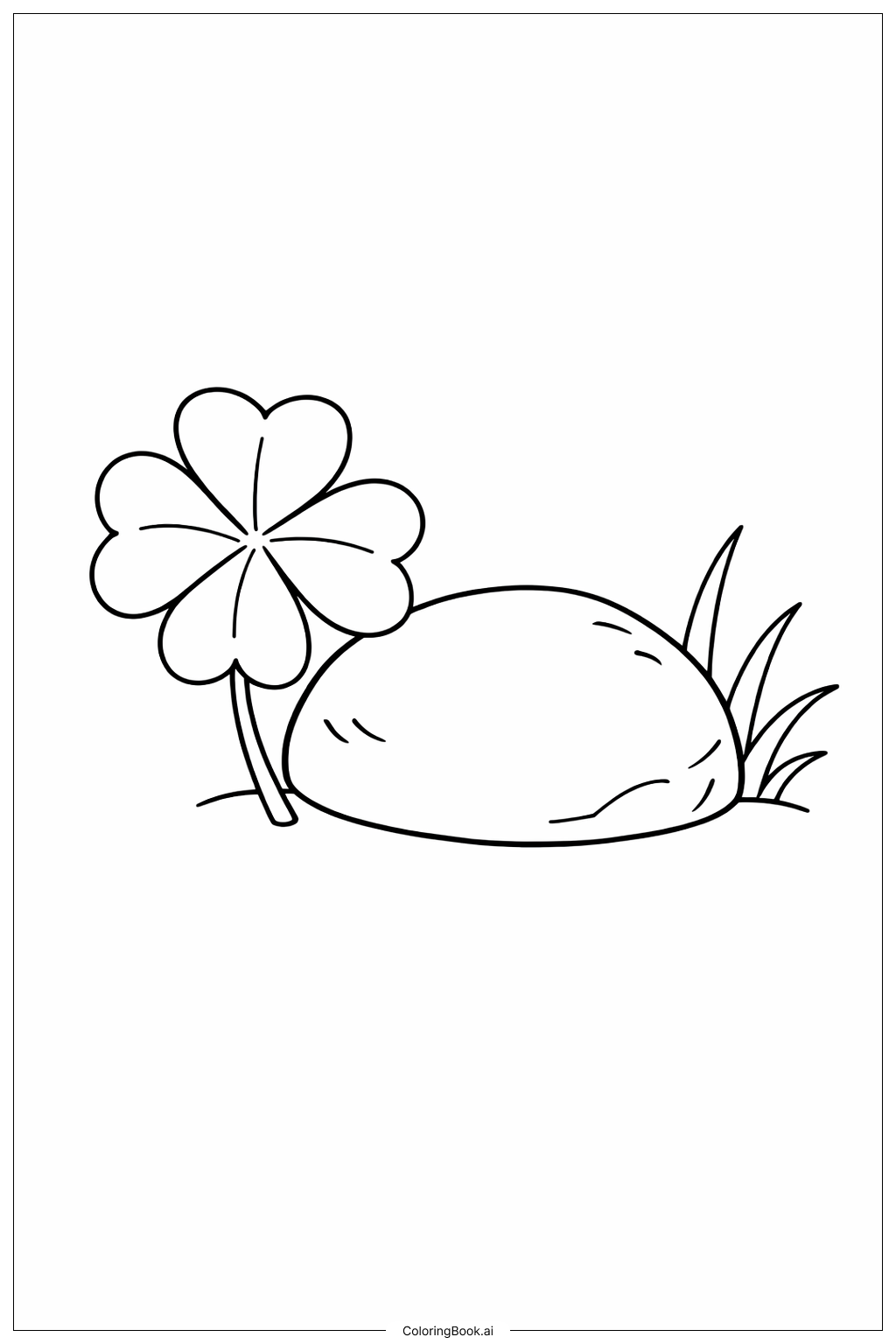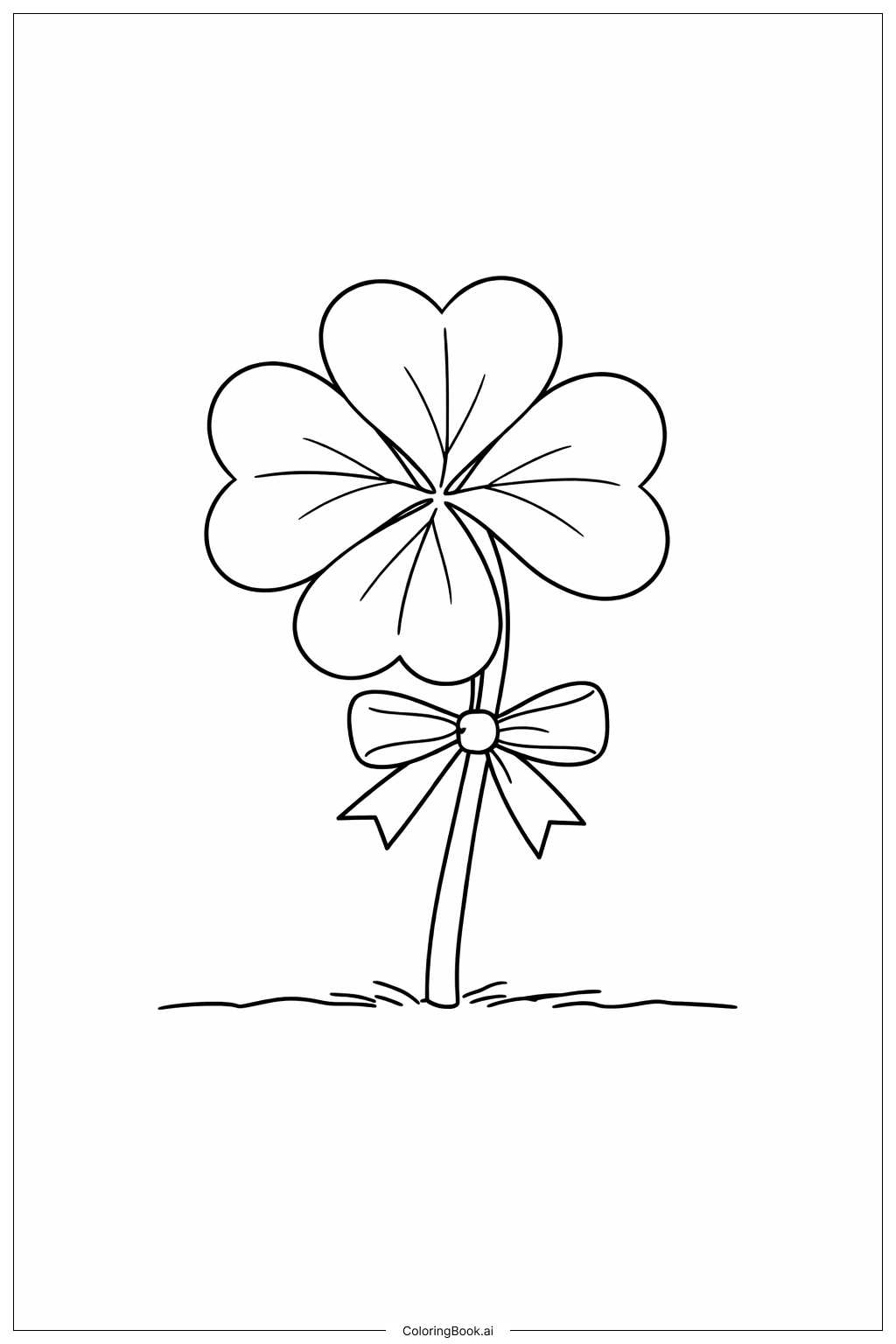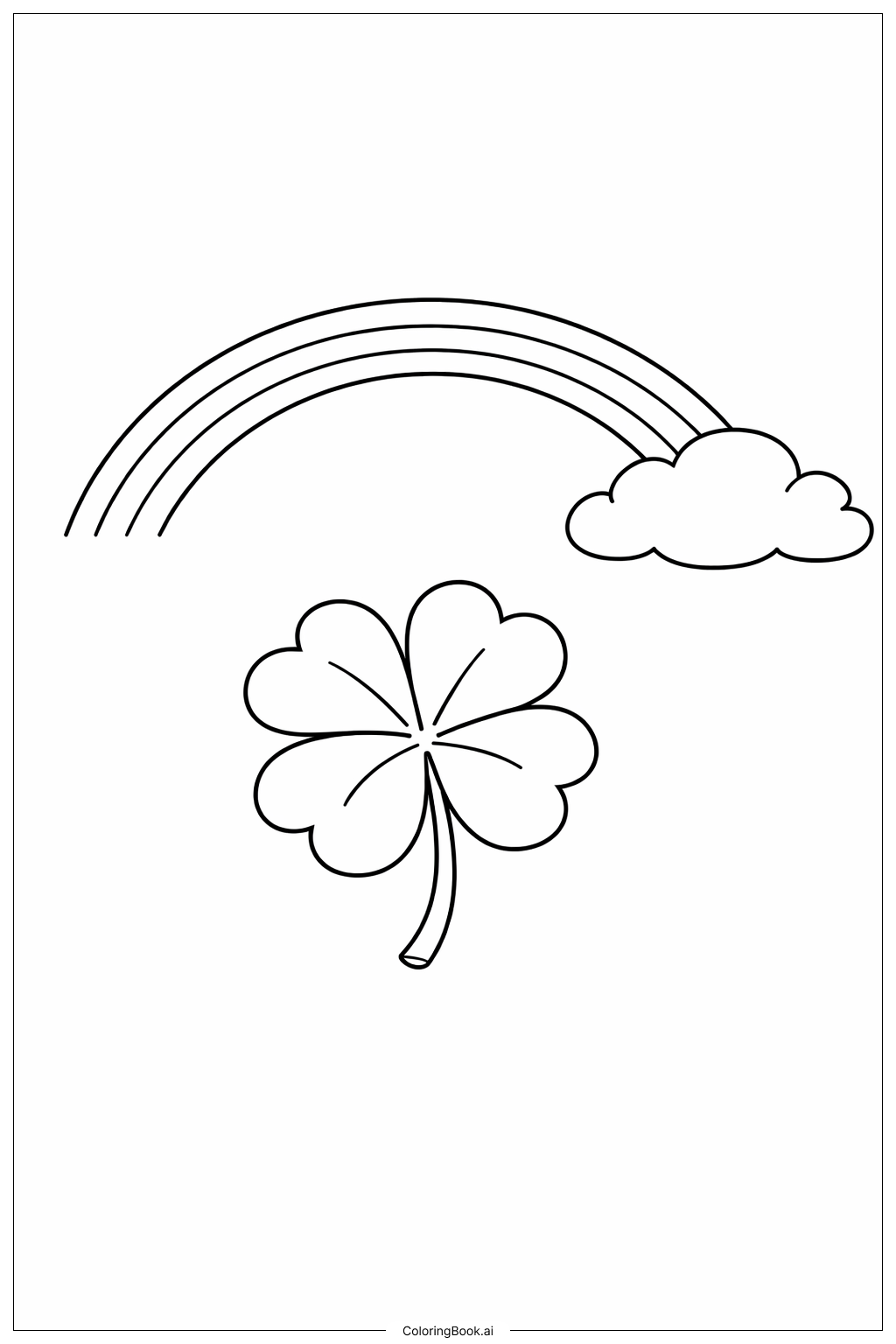
Coloring tips: How to color Four Leaf Clover And Rainbow coloring page well?
Start with the four-leaf clover by using bright, fresh shades of green. Try mixing light green for the inner parts of the leaves and a deeper forest green along the edges to give them shape and depth. The stem can be a medium green or olive tone. For the rainbow, follow the classic color order from top to bottom: red, orange, yellow, green, blue, indigo, and violet. Use smooth, even strokes to keep each band clean and separate. The background sky can be filled with soft light blue or a warm golden yellow to suggest sunshine. Add pale yellow or white to the small stars and dots to make them sparkle. If you want a magical feel, try using light purple or pink tones in the background. Colored pencils work well for blending the rainbow bands smoothly, while crayons or markers are great for bold, vivid results on the clover and larger areas.
Coloring challenges: Which parts are difficult to color and need attention for Four Leaf Clover And Rainbow coloring page?
• Keeping Rainbow Bands Separate: The rainbow has seven distinct color bands that sit very close together. It can be tricky to stay within each band without accidentally blending into the next one. Take your time and use a fine-tipped tool along the edges of each stripe to keep the colors clean and distinct.
• Blending Green Tones on the Clover: The four-leaf clover looks best when it has depth and dimension, but achieving a natural gradient from light to dark green can be challenging for younger colorists. Practice using light pressure first and slowly build up color in layers to create a smooth, realistic look.
• Filling Small Decorative Details: The tiny stars, swirls, and dots scattered around the image are small and require steady hands and a sharp pencil or fine marker. These little details are easy to smudge or color outside of, so working slowly and carefully in these areas will make a big difference in the final result.
• Balancing the Overall Color Palette: Because the image includes both a rainbow with many colors and a green clover, it can be hard to make everything look balanced and harmonious. Choosing a calm, neutral background color like soft blue or pale yellow helps all the bright elements stand out without clashing.
• Staying Inside the Lines on Curved Shapes: Both the clover leaves and the rainbow arc involve many gentle curves. Following curved outlines neatly, especially near the tips of the clover leaves and the ends of the rainbow, takes patience and control, which is a great skill to practice.
Benefits of coloring books: Advantages of drawing Four Leaf Clover And Rainbow coloring page
Coloring this Four Leaf Clover And Rainbow page offers a wide range of benefits for children and young artists. Working on the rainbow helps kids learn the order of colors in the spectrum, turning a fun creative activity into a simple science lesson about light and color. Filling in the clover's four rounded leaves encourages fine motor skill development as children practice controlling their coloring tools along curved edges and small shapes.
The image's cheerful, lucky theme sparks imagination and storytelling. Kids can dream up the world this magical clover and rainbow live in, boosting creative thinking and narrative skills. Focusing on staying within the lines and choosing matching colors also builds concentration and attention to detail, both of which are valuable in school and everyday life.
Coloring is also a calming, stress-relieving activity. The gentle, repetitive motion of filling in color helps children relax and feel a sense of accomplishment when the page is complete. Completing a full piece like this builds confidence and a positive attitude toward creative work.
Sharing the finished page with family or friends encourages communication and pride in one's own effort. Overall, this page blends learning, creativity, and relaxation into one enjoyable experience that children of all skill levels can appreciate and enjoy.