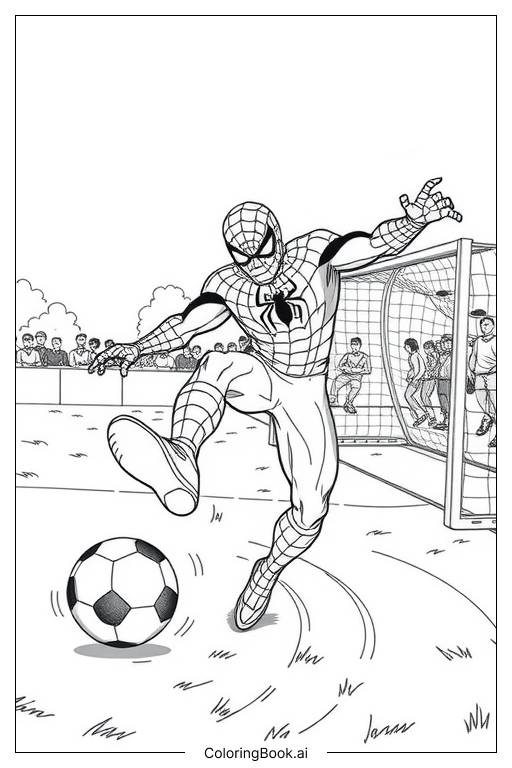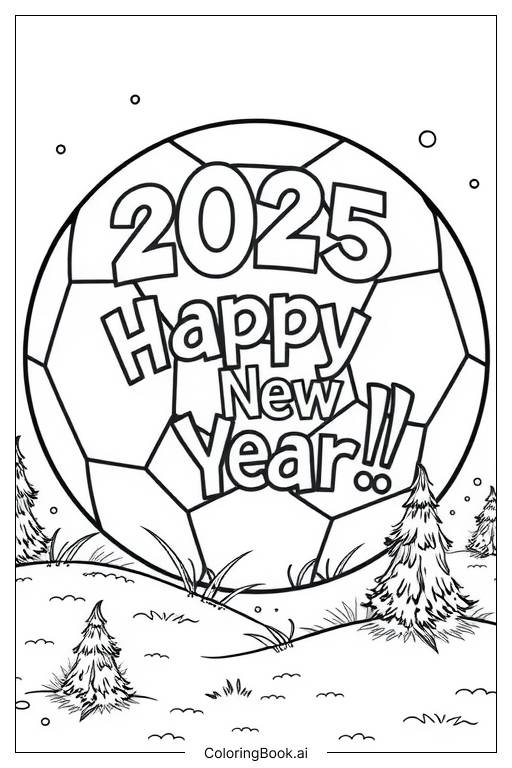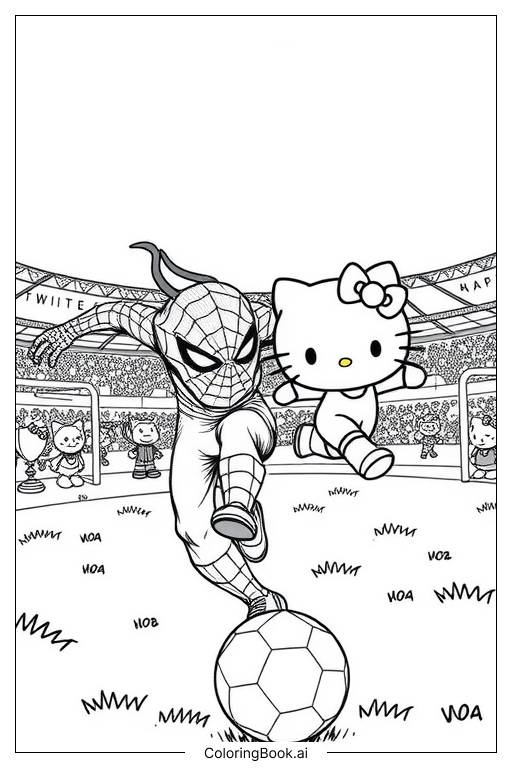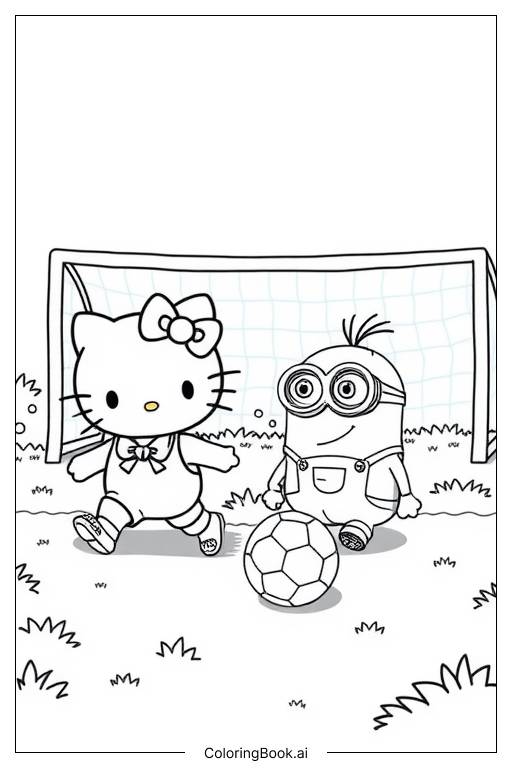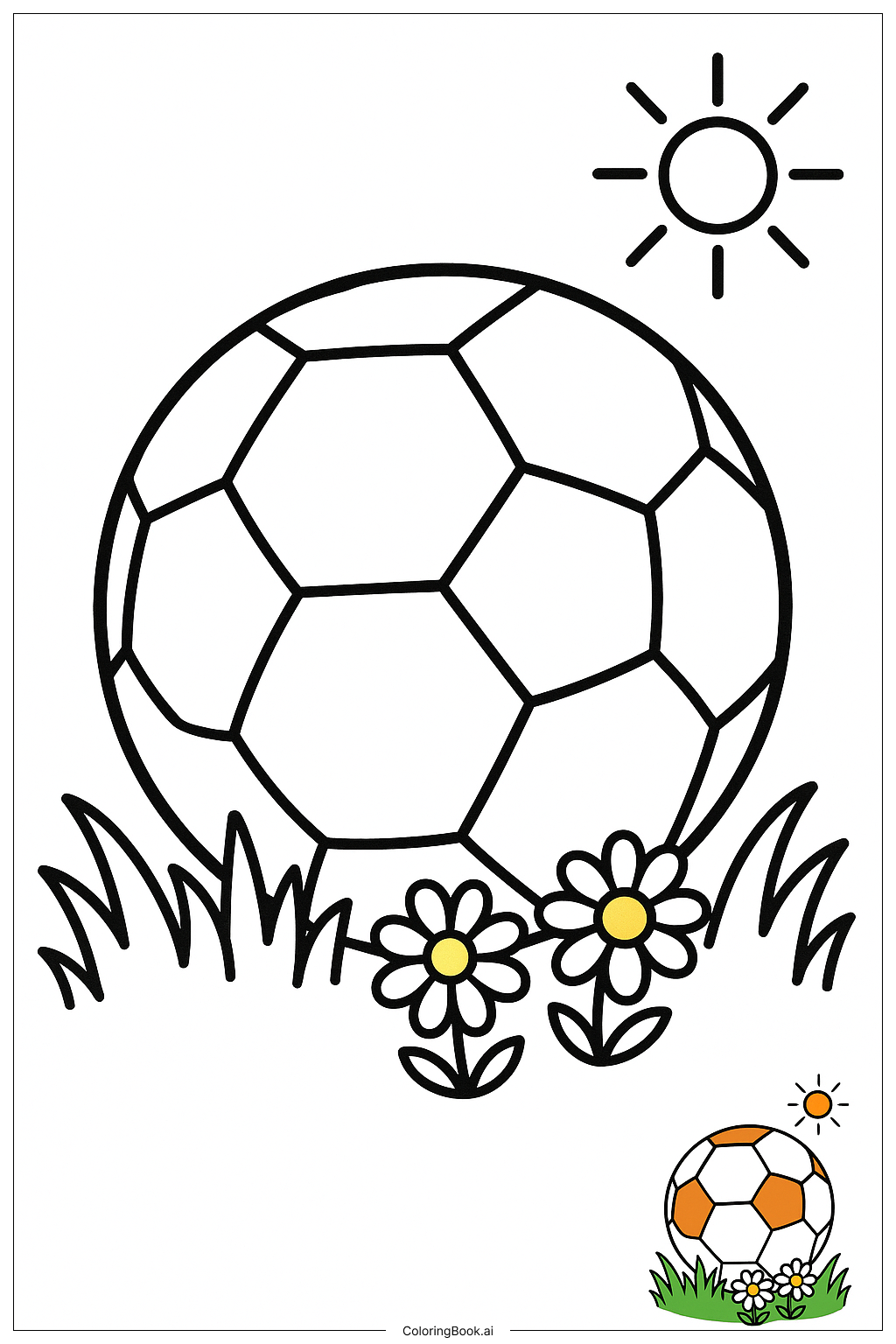
Coloring tips: How to color Soccer Ball On Green Field coloring page well?
Start with the soccer ball. Use white for the hexagonal panels and black for the pentagonal patches. If you want to be creative, swap the black patches for dark blue, navy, or deep red to make your ball unique. For the grass, use bright green as your base, then add darker green strokes to show depth and texture. You can mix in a little yellow-green for sunlit areas. For any field markings like boundary lines, use white or bright yellow to make them stand out clearly. Keep the sky or background light — pale blue or a soft golden tone works great for an outdoor daytime feel. Take your time filling in each section cleanly, and don't worry about staying perfectly inside the lines. The goal is to have fun and make it your own!
Coloring challenges: Which parts are difficult to color and need attention for Soccer Ball On Green Field coloring page?
• Ball Panel Accuracy: The soccer ball is made up of pentagons and hexagons that fit together in a specific geometric pattern. Coloring each panel neatly without bleeding into neighboring sections requires a steady hand and patience. Using a fine-tipped marker or colored pencil works best for staying inside the small edges.
• Black and White Contrast: Getting a clean contrast between the black pentagonal patches and the white hexagonal panels is tricky. Pressing too hard with a black pencil can smear into the white areas. Apply black color slowly and carefully, using light layers at first and building up the darkness gradually.
• Grass Texture Realism: The green field looks simple at first glance, but capturing a realistic grass texture takes some skill. Flat green coloring can look dull, so blending two or three shades of green — light, medium, and dark — helps bring life to the ground. Short, directional strokes that follow the grain of the grass add natural movement.
• Field Line Precision: If the image includes field markings such as boundary lines or arc curves, keeping those lines clean and evenly white against the green background is a challenge. Consider leaving those areas uncolored or using a white gel pen for crisp, sharp edges.
• Overall Depth and Shading: Making the ball look round and three-dimensional requires adding subtle shading on one side and a highlight spot on the other. This level of shading can feel advanced for younger colorists, but even a simple attempt adds impressive visual depth to the finished image.
Benefits of coloring books: Advantages of drawing Soccer Ball On Green Field coloring page
Coloring this soccer ball image offers a wide range of benefits for kids and young fans of the sport. First, it helps build fine motor skills. Carefully filling in the geometric panels of the ball trains hand muscles and improves pencil control, which supports better handwriting too. Second, it sharpens focus and concentration. Staying within the lines of a detailed pattern teaches patience and attention to detail — skills that carry over into schoolwork and daily tasks. Third, it sparks creativity. Choosing your own color combinations for the ball and field encourages personal expression and imaginative thinking. There is no single right answer, which makes the activity feel open and fun. Fourth, it creates a connection to something kids already love. For young soccer fans, coloring a soccer ball makes the activity feel personally meaningful, boosting motivation and engagement. Finally, it offers a calm, screen-free break. Coloring is a relaxing activity that helps reduce stress and anxiety, giving kids a healthy way to unwind after a busy day at school or practice.