Coloring tips: How to color Football Field Simple coloring page well?
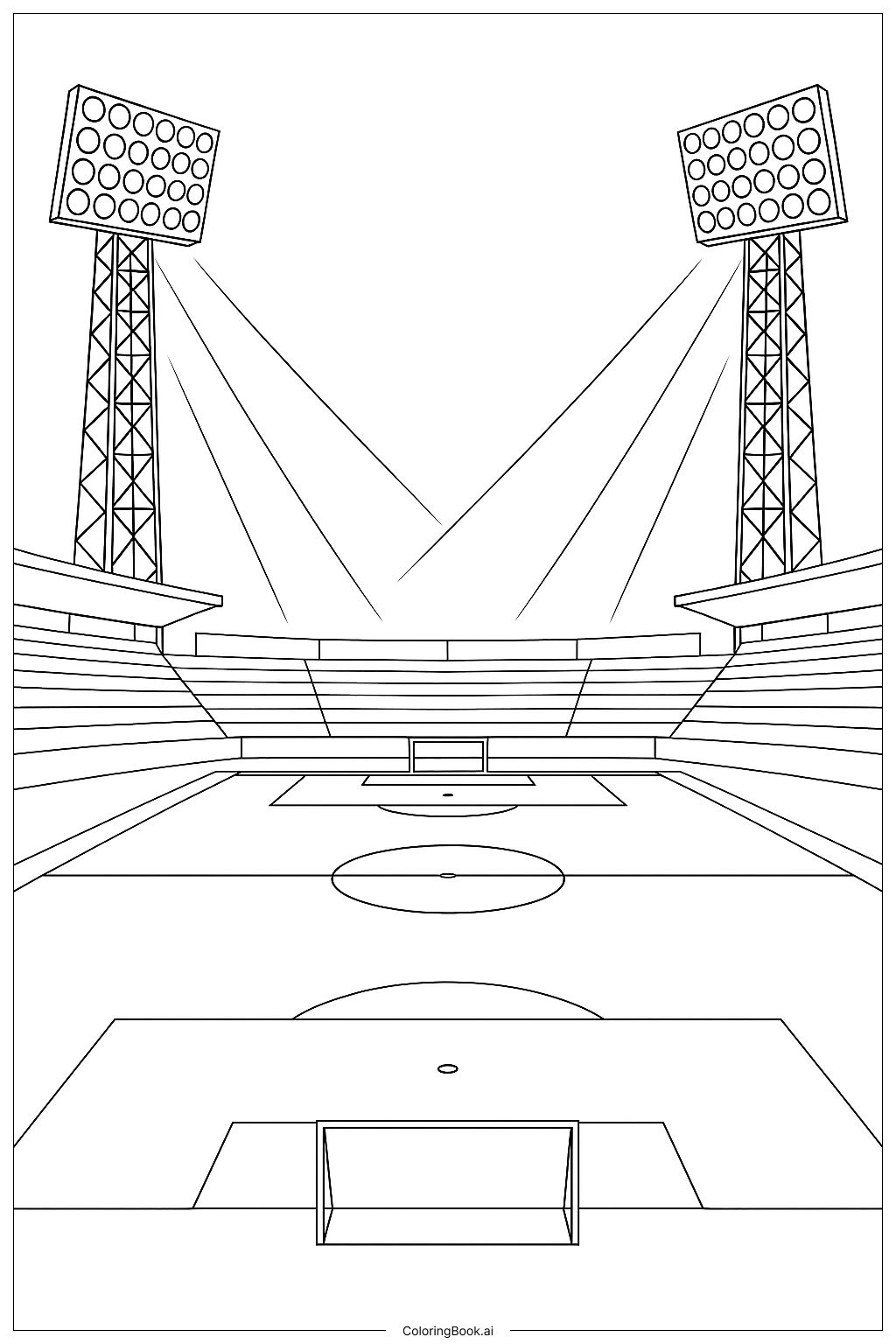
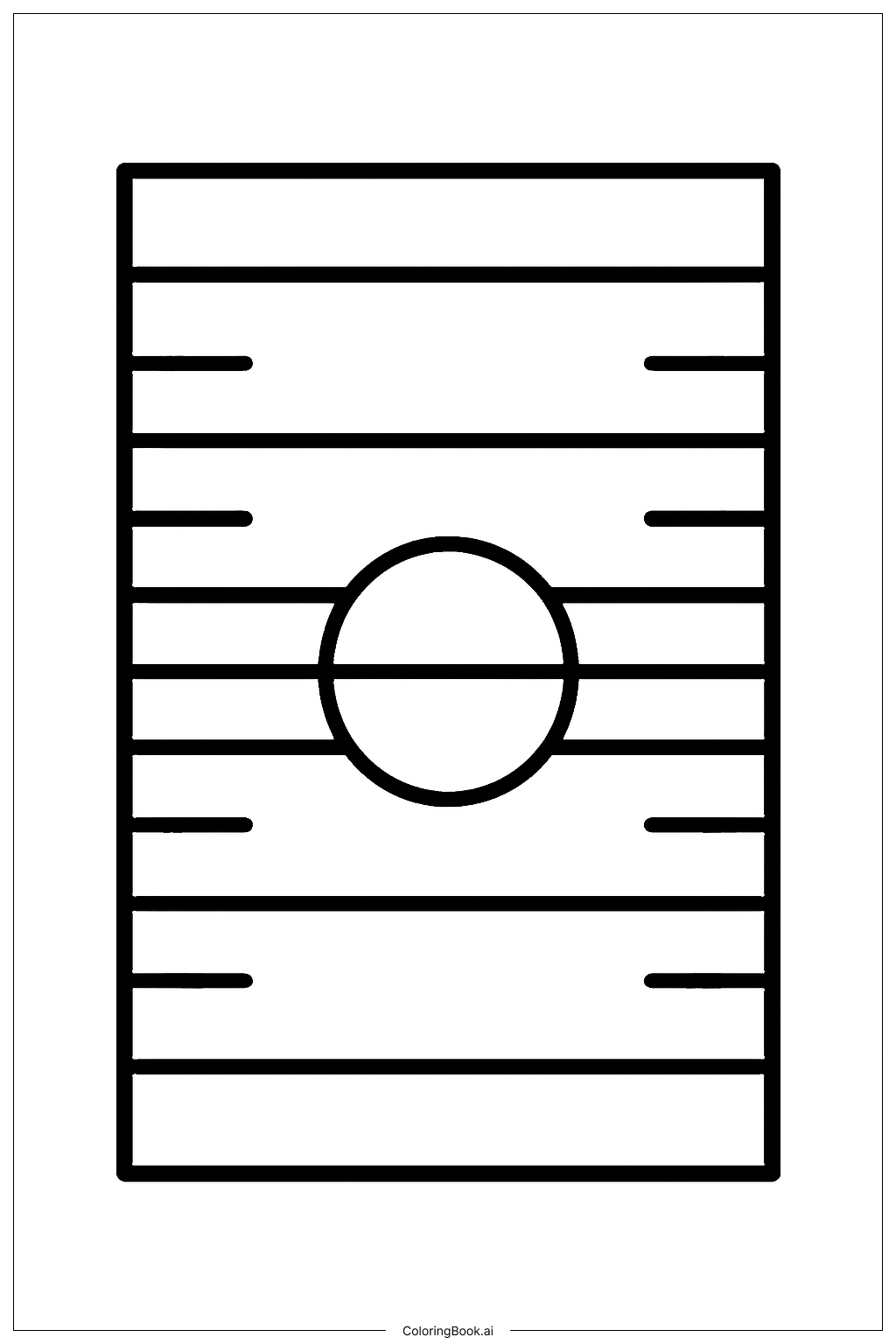
Start with the large playing field. Use a bright green for the grass. You can make alternating stripes of light green and dark green to show the mowed lines — just like a real Football field. Color the yard lines and boundary lines in white or light yellow so they stand out clearly. For the end zones, pick two bold, contrasting colors — one for each team. This is your chance to use your favorite team's colors! Color the goalposts yellow or gold to make them pop. The sky or background around the field can be left white or lightly shaded in blue to give it an open-air stadium feel. Use crayons, colored pencils, or markers — any tool works great for this simple, open design. Have fun and make it your own!
Coloring challenges: Which parts are difficult to color and need attention for Football Field Simple coloring page?
• Yard Line Spacing: The football field is filled with many evenly spaced yard lines running across the width of the field. Keeping your coloring neat between these lines can be tricky, especially for younger kids. Try using a ruler or coloring slowly along each line to stay inside the boundaries and avoid smudging one section into another.
• Hash Mark Details: The small hash marks running down the middle of the field are tiny and closely spaced. These thin lines require careful control with your coloring tool. Using a sharpened colored pencil rather than a thick marker will help you color around them without accidentally filling them in or blending them into the field color.
• End Zone Coloring: The end zones are separate sections at each end of the field. If you want to add letters or team names inside the end zones — just like a real Football field — keeping the lettering clean and readable can be challenging. Take your time and use a fine-tip marker or colored pencil for any detail work inside these sections.
• Goalpost Precision: The goalposts are tall, narrow structures with thin uprights extending upward from a crossbar. These thin lines are difficult to color without going over the edges. Use a thin-tipped tool and short, careful strokes to fill them in neatly, making sure the color stays within the lines.
• Color Consistency Across the Field: Because the playing field is large and open, keeping a smooth and even color throughout the green grass area can be hard. Uneven pressure or overlapping strokes may create blotchy patches. Try using long, steady strokes in one direction to keep the color looking uniform and clean.
Benefits of coloring books: Advantages of drawing Football Field Simple coloring page
Coloring this Football Field Simple page offers a wonderful mix of fun and learning for kids of all ages. Here are some great reasons to pick up your colors and get started.
It builds focus and patience. Carefully staying within the yard lines and small hash marks trains kids to slow down and concentrate, developing attention to detail that helps in school and everyday life.
It sharpens fine motor skills. Controlling a pencil or marker around the thin goalposts and narrow field lines strengthens hand and finger muscles, which supports better handwriting and coordination.
It sparks creativity. Choosing team colors for the end zones and deciding how to shade the field gives kids a chance to express themselves and make every page uniquely their own.
It introduces sports knowledge. As kids color each part of the field, they naturally learn about Football — the end zones, yard lines, goalposts, and field layout. It turns coloring into a mini sports lesson.
It promotes relaxation. The simple, open layout of this page makes it a calming activity. The rhythmic motion of filling in large sections of grass helps reduce stress and creates a sense of accomplishment when the page is complete. It is a great way for kids to unwind after a busy day.