Coloring tips: How to color Food Fruit Tree coloring page well?
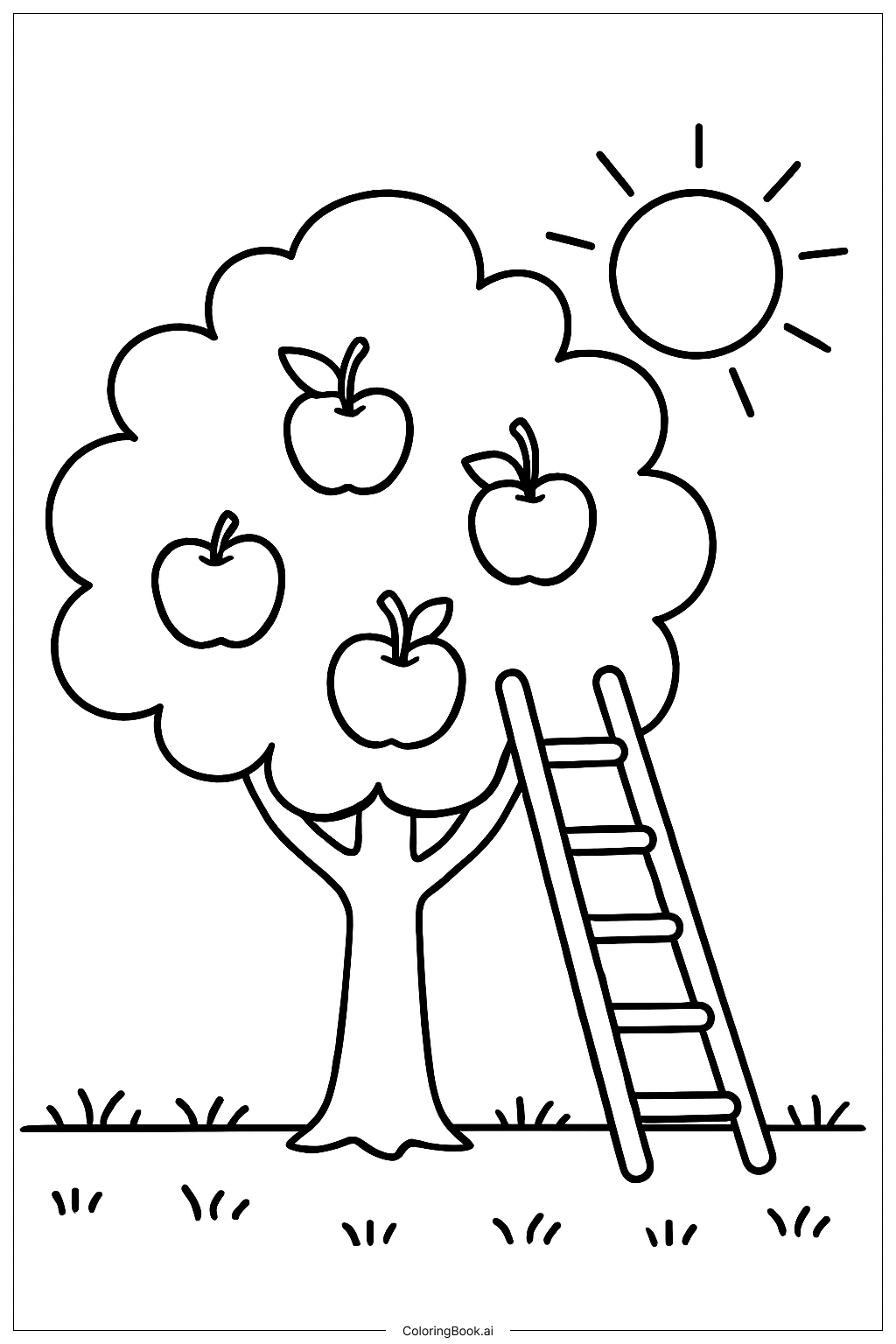
Try using different shades of green for the leaves to give the tree a lively and natural look. For the fruits, you can pick bright colors like red, orange, yellow, or purple to make them stand out on the branches. Use brown tones to color the sturdy trunk and branches, adding darker or lighter shades to show texture. You can also add small touches of blue or light colors in the background to create a sky or other environment behind the tree. Blending colors gently around the fruits and leaves will make the tree appear more realistic and vibrant.
Coloring challenges: Which parts are difficult to color and need attention for Food Fruit Tree coloring page?
• Detailed Leaves: The tree has many leaves with small spaces between them. Coloring inside these tight spaces requires careful attention so the colors stay neat and don’t overlap. This helps keep the image clean and colorful.
• Fruit Variety: The fruits vary in size and position, which can make it challenging to choose colors that balance well across the whole tree. Selecting colors that differ in tone but complement each other can be tricky but rewarding.
• Bark Texture: The tree trunk shows bark patterns and texture lines. Coloring this part with consistent strokes to show depth and roughness takes focus and patience.
• Overlapping Branches: Some branches cross or layer over each other, which makes it important to decide which parts to color first and how to layer the colors to keep the tree’s structure clear.
• Maintaining Brightness: Since the tree has many elements, it can be easy to use too many dark colors. Managing contrast by mixing light and dark shades carefully is important to keep the image lively.
Benefits of coloring books: Advantages of drawing Food Fruit Tree coloring page
Coloring this Food Fruit Tree helps improve hand-eye coordination and fine motor skills as you work on the detailed parts like leaves and small fruits. It encourages focus and patience while navigating the different sections of the tree. Choosing colors for the fruits and leaves stimulates creativity and helps children learn about nature’s diversity. Additionally, it provides a relaxing and calming activity that can reduce stress. By practicing blending and layering colors in this image, children and adults alike enhance their artistic skills and appreciation for natural beauty.