Coloring tips: How to color Simple Flower Border coloring page well?
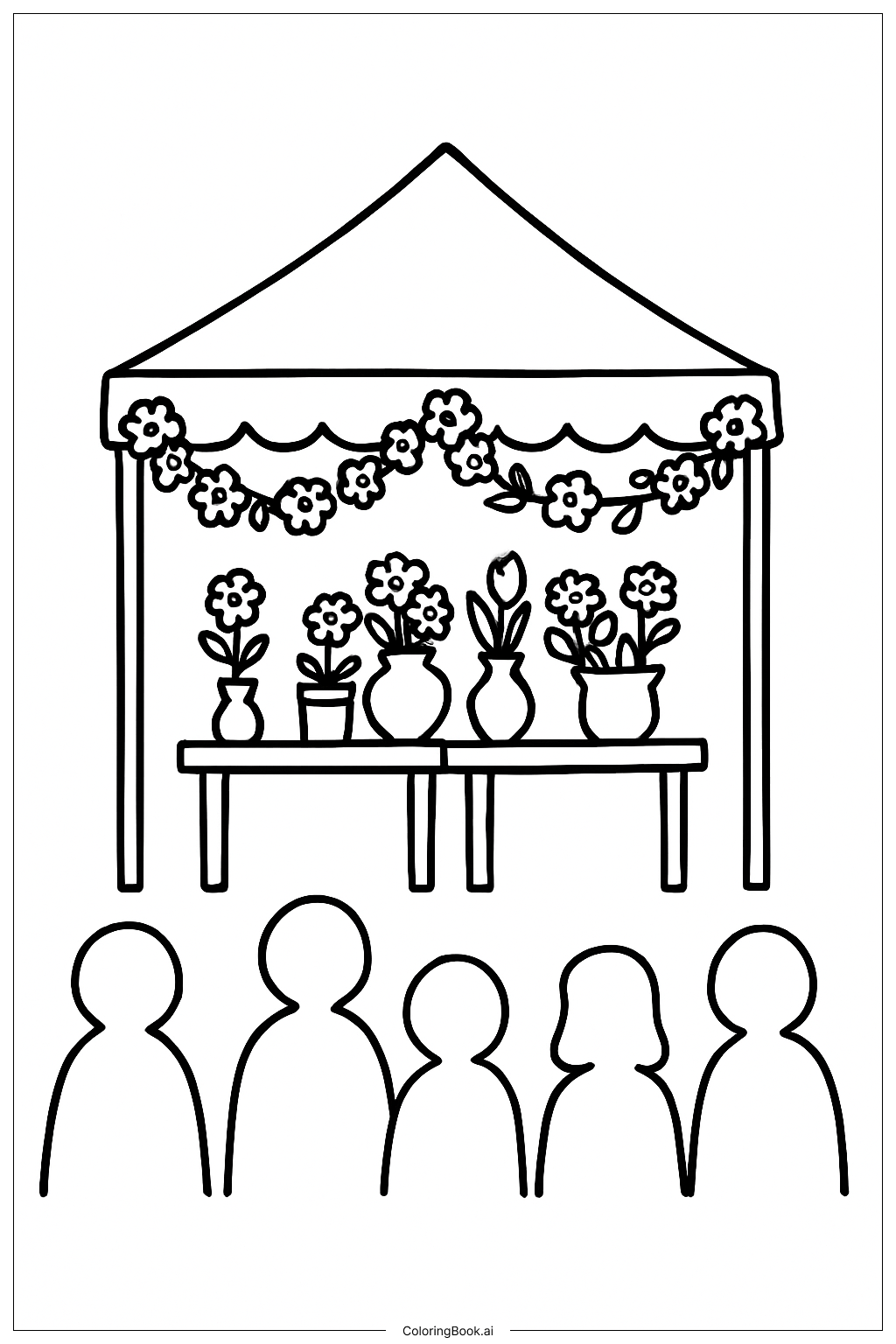
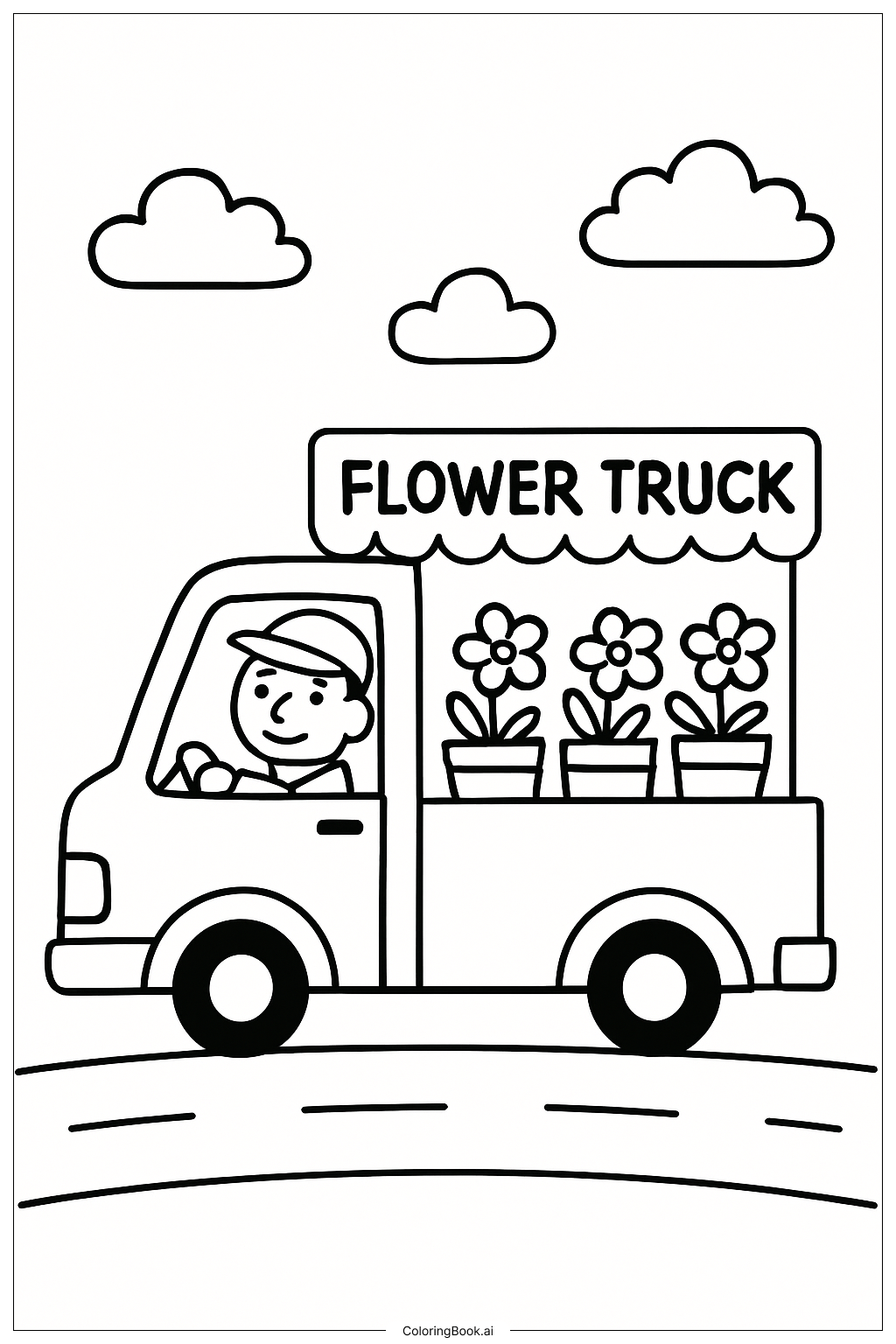
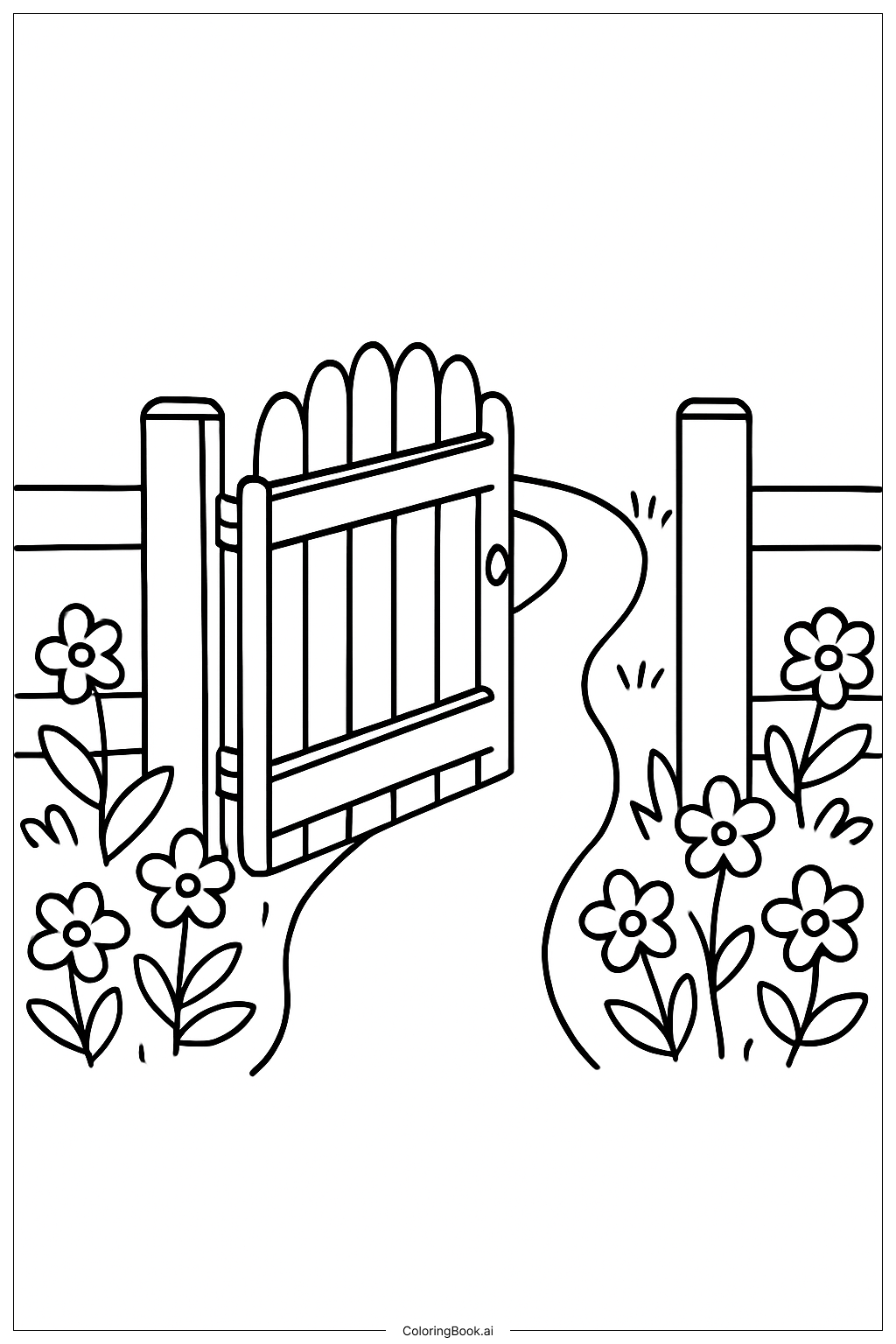
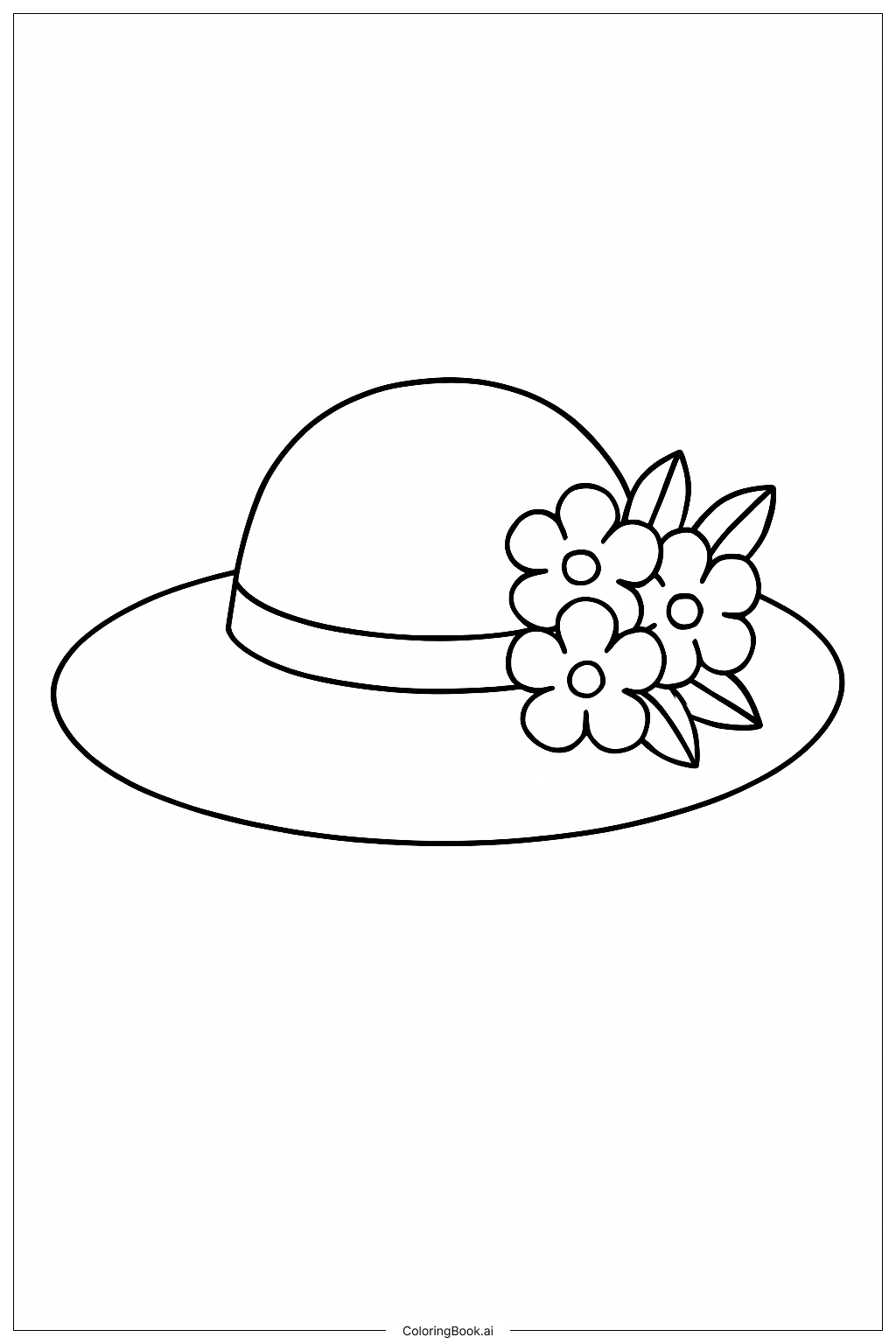
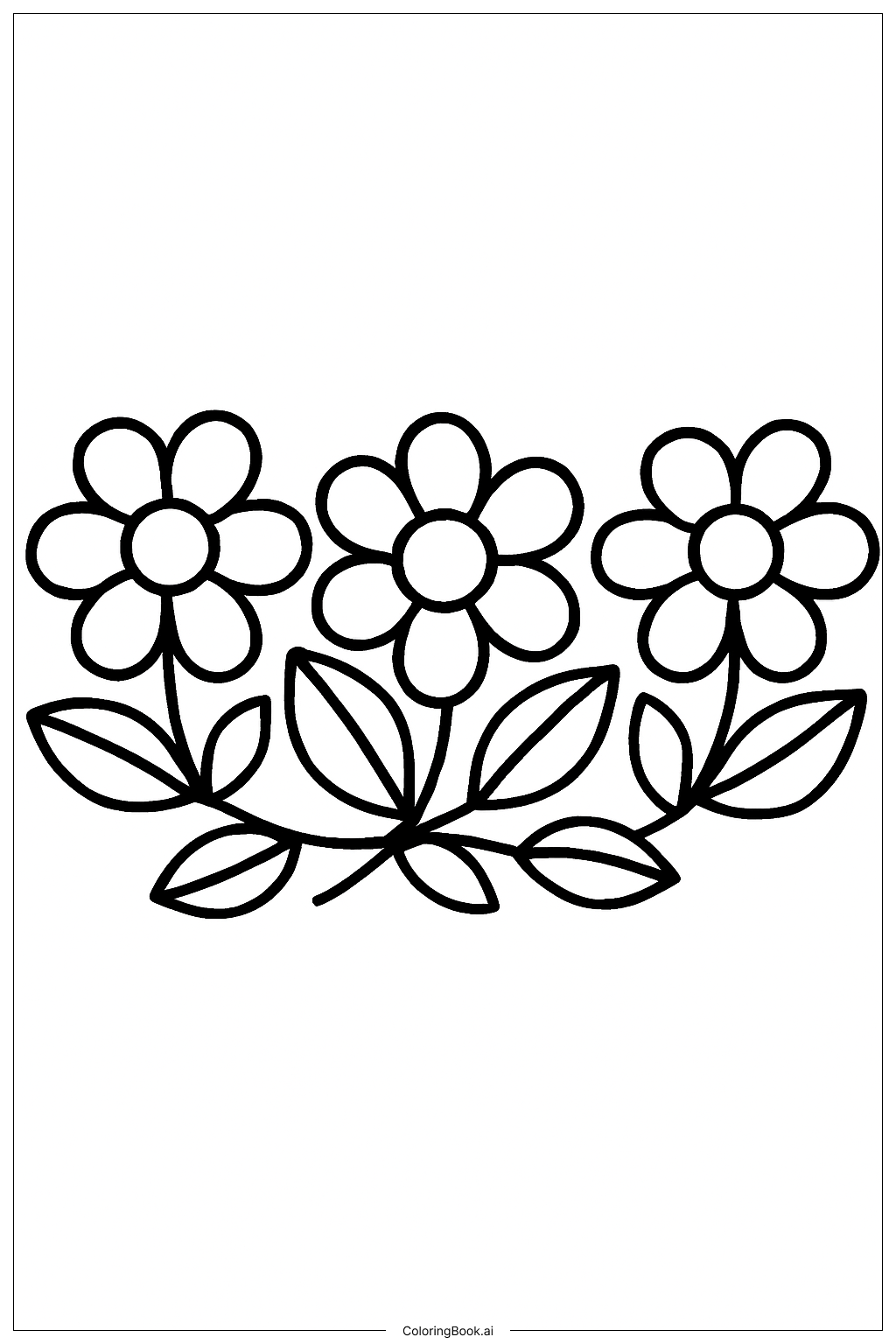
To bring this Simple Flower Border to life, try using bright and cheerful colors for the flowers, such as reds, pinks, yellows, or purples. Use green shades for the leaves to add freshness and contrast. You can color the petals with a single hue or blend two colors gently for a soft look. For the stems, a medium or dark green works well. If you like, add small details like dots or stripes inside the petals to make them more interesting. Consider using crayons, colored pencils, or markers to create different textures and effects. This border looks lovely when the colors complement each other, so pick a color palette before starting.
Coloring challenges: Which parts are difficult to color and need attention for Simple Flower Border coloring page?
• Fine Details: The border contains thin stems and small leaves that require careful coloring to stay inside the lines. Using a sharpened pencil or fine-tip marker helps with precision.
• Repetitive Patterns: The repetition of similar flower shapes might feel a bit monotonous, making it important to keep colors varied or introduce small patterns to maintain interest.
• Limited Space: Some flowers and leaves are close together, so it can be challenging to color each part without overlapping onto adjacent shapes.
• Choosing Colors: Deciding which colors to use for each flower and leaf to keep the border balanced can be tricky. Planning a color scheme in advance will help.
• Shading and Depth: Adding depth with shading is more subtle here due to the simplicity of the shapes. Beginners might find it hard to create dimensional effects without making it look messy.
Benefits of coloring books: Advantages of drawing Simple Flower Border coloring page
Coloring this Simple Flower Border is great for developing fine motor skills because it involves careful control to stay within tight lines and small shapes. It encourages patience and concentration as you work through the repetitive floral pattern. Choosing colors for the flowers and leaves also helps improve decision-making and creativity. For young artists, this border provides a friendly opportunity to practice blending and coloring techniques without feeling overwhelmed. As a calming activity, it enhances focus and can be a relaxing way to express yourself artistically. The final colored border can be used to decorate homemade cards, invitations, or just brightens up any page.