Coloring tips: How to color Garden Path With Flowers coloring page well?
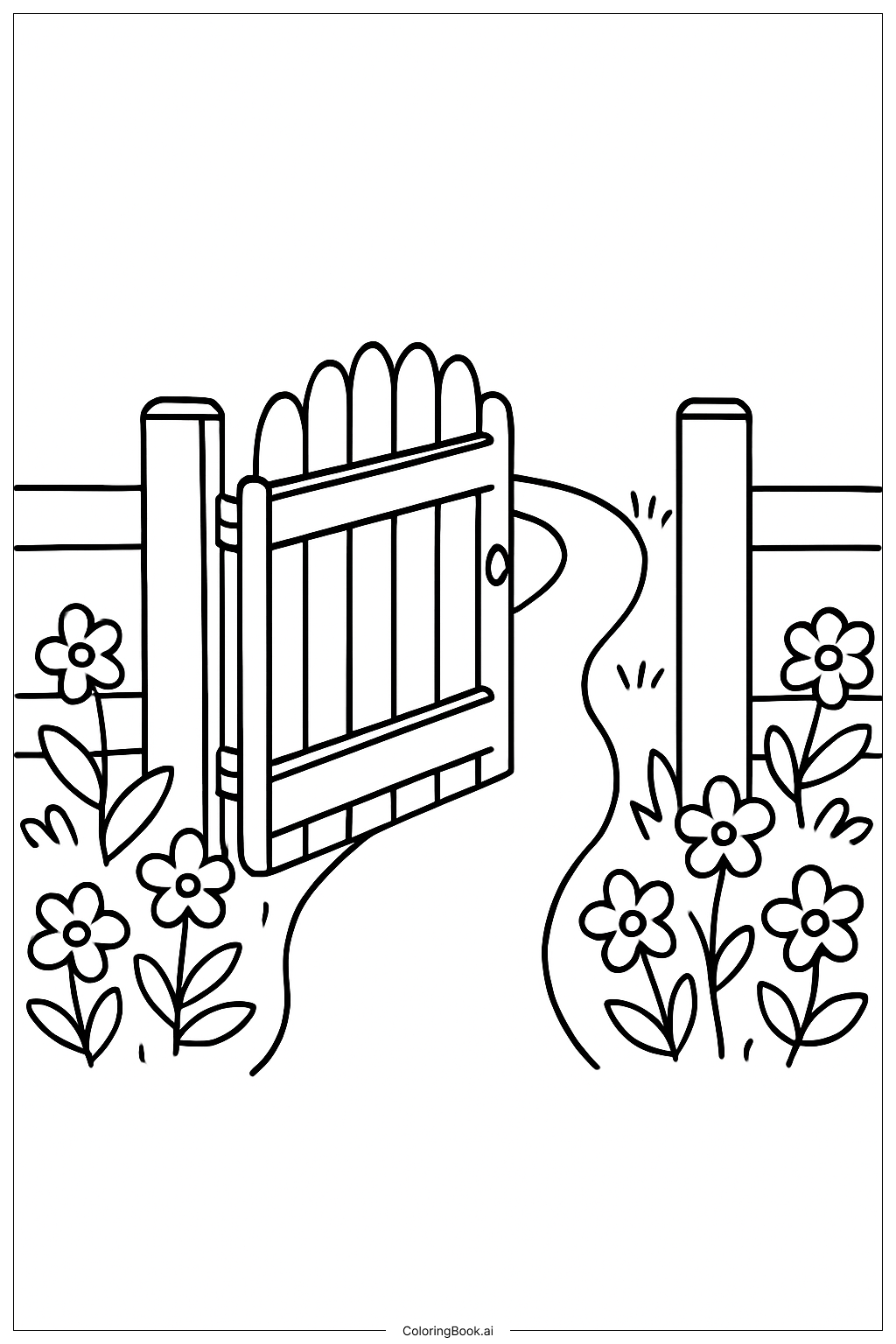
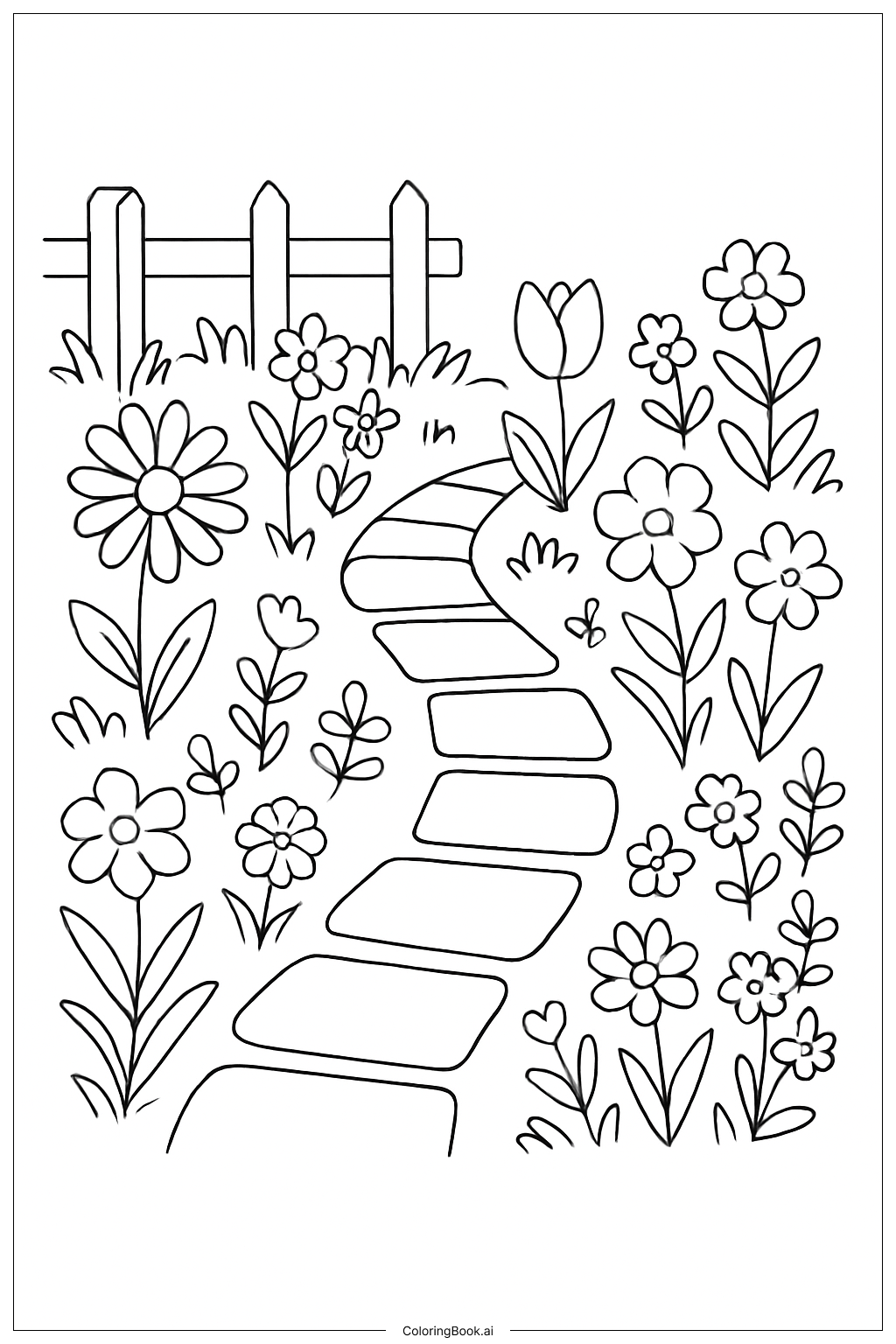
Start with the path. Use light gray, tan, or sandy yellow for the stones or pebbles. Then move to the flowers. Pick bright, cheerful colors like red, pink, orange, yellow, and purple for the blooms. Use different shades of green for the leaves and stems — darker green for large leaves and lighter green for new growth. If there are butterflies or birds, try blue, orange, or gold to make them stand out. Color the background sky a soft blue or leave it pale to keep the flowers as the main focus. Take your time with each flower and have fun mixing colors to make your garden feel alive and full of joy.
Coloring challenges: Which parts are difficult to color and need attention for Garden Path With Flowers coloring page?
• Small Flower Details: Many flowers in this image have tiny petals, delicate stamens, and fine edges. Staying inside these small shapes can be tricky, especially for younger colorists. A thin marker or a sharpened colored pencil works best for these areas. Take it slowly and do not worry if you go slightly outside the lines.
• Layered Leaves and Stems: The leaves and stems overlap throughout the image, creating a dense, layered look. It can be hard to tell where one leaf ends and another begins. Try using two or three different shades of green so each leaf stands apart from the others. This adds depth and makes the garden feel more realistic.
• Path Texture: The garden path is made up of many small stones or pebbles, each with its own shape. Coloring each stone individually takes patience. Using light and shadow — a slightly darker shade on one side of each stone — can give the path a three-dimensional feel without too much effort.
• Balancing Color Across the Scene: With so many flowers and plants, it is easy to make one area feel too bright while another looks dull. Try to spread your brightest colors evenly across the whole image so the garden feels balanced and full of life from corner to corner.
• Background Depth: The areas behind the main flowers and path can be hard to color without flattening the image. Using softer, cooler tones in the background — like pale blue, muted lavender, or soft green — helps push those areas back and makes the front of the scene pop.
Benefits of coloring books: Advantages of drawing Garden Path With Flowers coloring page
Coloring this garden path scene offers a wonderful range of benefits for children and adults alike. The peaceful, nature-filled setting helps calm the mind and reduce everyday stress. Focusing on flowers, leaves, and stones encourages mindfulness and helps colorists stay present in the moment.
For children, this image builds fine motor skills as they practice controlling their pencils or markers within detailed petal shapes and small stone outlines. Choosing colors for each flower also develops creative thinking and sparks imagination.
Learning to mix and blend different shades of green, pink, yellow, and purple builds a practical understanding of color. Kids begin to see how light and dark versions of the same color can make a flat drawing look three-dimensional and lifelike.
The repetitive, gentle motion of coloring flower after flower is naturally soothing. It can be a great quiet-time activity after school or before bed. Adults will find the intricate details of this scene deeply satisfying to work through, offering a creative break from screens and daily routines.
Completing the full image also gives colorists a strong sense of accomplishment. Displaying a finished garden scene is something to be proud of, and it makes a beautiful piece of art to hang or share with family and friends.