Coloring tips: How to color Sweet Spring Flower coloring page well?
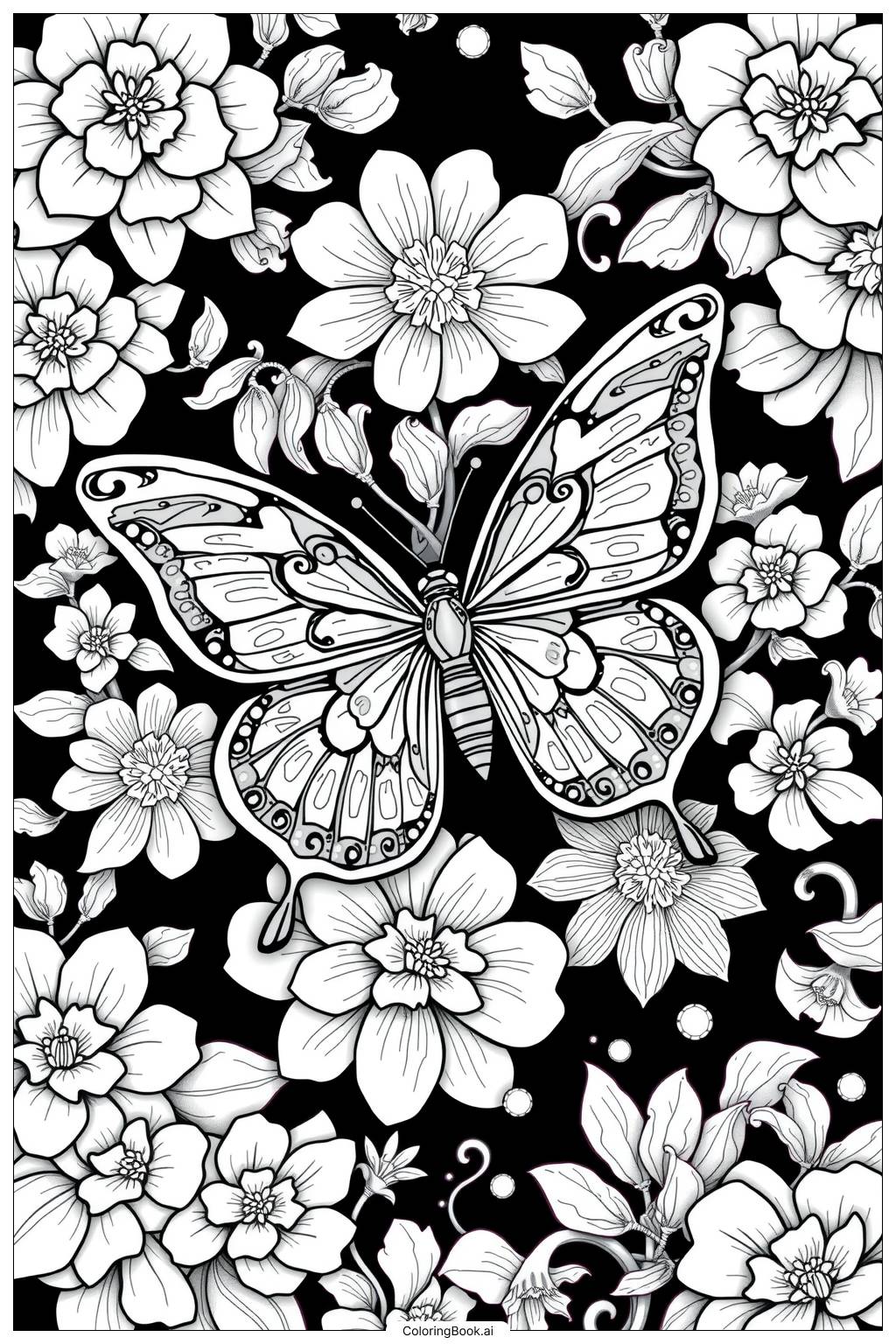
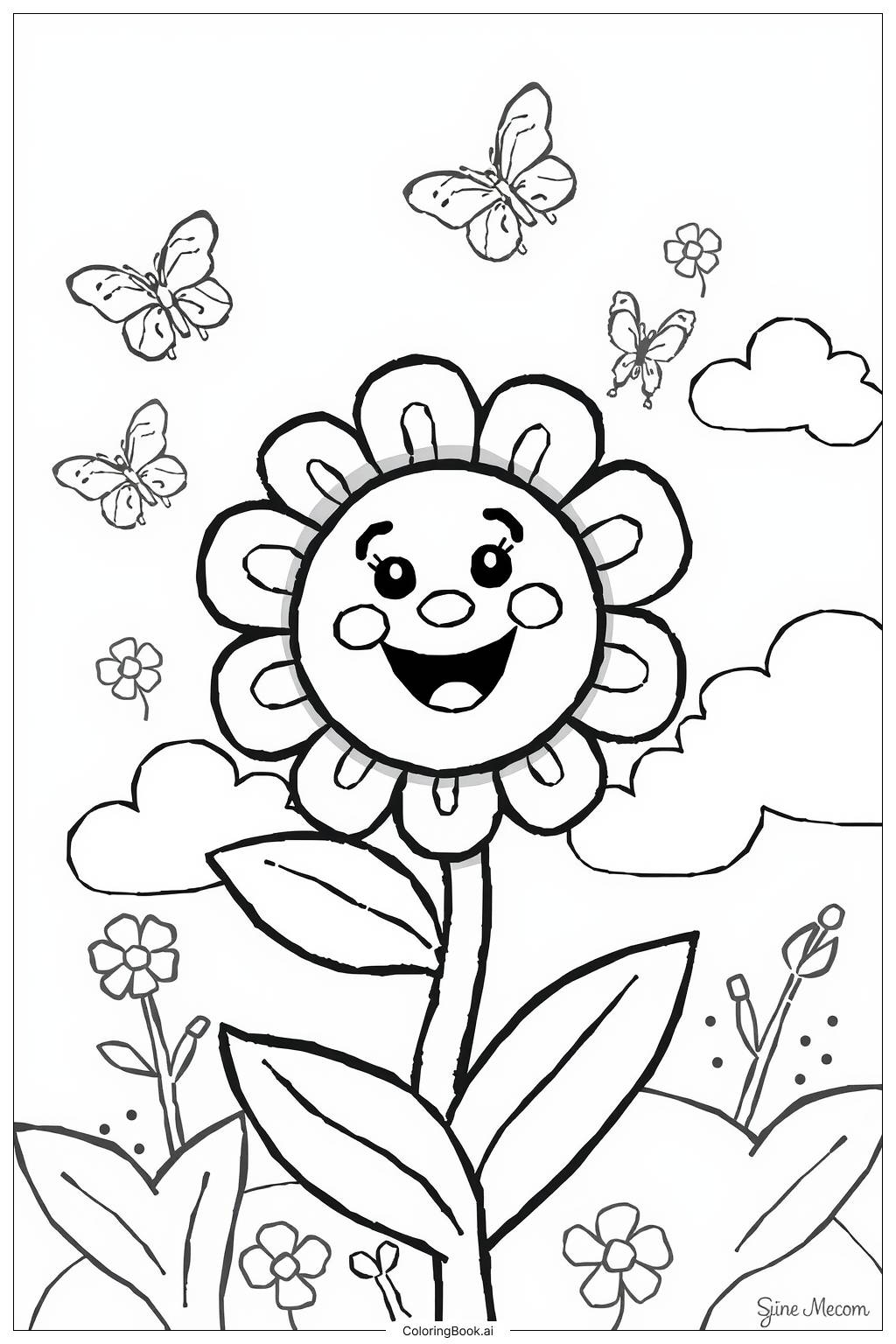
Start with the petals first. Choose soft, cheerful colors like light pink, lavender, peach, or pale yellow to give the flower a fresh spring feel. You can make each petal the same color for a clean look, or use slightly different shades on each petal to add variety and depth. For the center of the flower, try a warm golden yellow or a bright orange to make it pop. The leaves look great in different shades of green. Use a darker green along the edges and a lighter green in the middle to show the shape of the veins. The stem can be a medium green to tie everything together. If you want to add more fun, try using colored pencils to blend two colors on the petals for a soft gradient effect. Younger colorists can keep it simple with one color per section, while older kids can experiment with shading and blending to make the flower look more realistic and vibrant.
Coloring challenges: Which parts are difficult to color and need attention for Sweet Spring Flower coloring page?
• Petal Consistency: The flower has multiple petals of similar size and shape arranged in a circle. Keeping each petal colored evenly and consistently can be tricky, especially when trying to apply the same shade or gradient across all of them without the colors looking uneven or patchy. Take your time and work on one petal at a time.
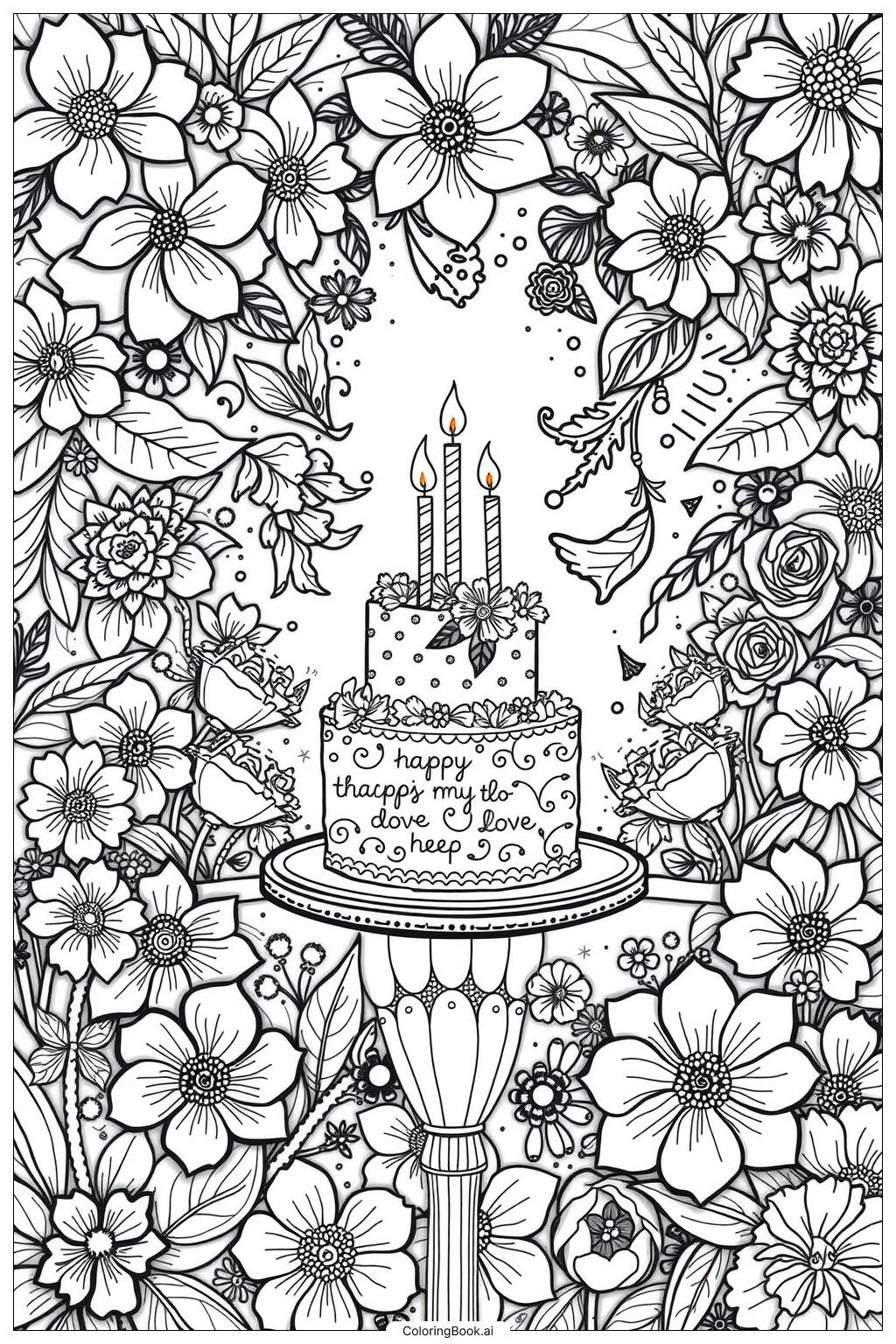
• Center Detail Work: The center of the flower contains small dots and intricate decorative elements packed closely together. Coloring inside these tiny shapes without going outside the lines requires a sharp pencil or a fine-tipped marker. This section demands patience and a steady hand, which can be challenging for younger colorists.
• Leaf Vein Definition: The leaves feature clearly drawn veins running from the stem outward. Coloring around these fine lines while keeping the vein areas light or white requires careful control of your coloring tool. If you color over the veins, the natural detail of the leaf can be lost, making the leaves look flat.
• Smooth Color Transitions: If you want to add depth by blending colors on the petals or leaves, achieving a smooth gradient without harsh lines takes practice. Layering light strokes gradually is the key, but it can be frustrating if the transition looks streaky or too sharp.
• Staying Within Outlines: The bold lines make this page beginner-friendly, but areas where petals overlap or meet the leaves are tight spaces. Carefully coloring these junction areas without crossing into a neighboring section keeps the finished image looking neat and well-defined.
Benefits of coloring books: Advantages of drawing Sweet Spring Flower coloring page
Coloring this sweet spring flower page offers wonderful benefits for kids and adults alike. For younger children, carefully filling in the petals, leaves, and center details helps develop fine motor skills and improves hand-eye coordination. Staying within the lines builds focus and patience, which are important skills both inside and outside the classroom. Choosing colors encourages creative thinking and allows kids to express their own personality and imagination. There is no right or wrong color choice, so every child feels free to create something uniquely theirs. For older kids and teens, experimenting with shading and color blending on the petals and leaves can spark a deeper interest in art and design. The repetitive, calming motion of coloring also helps reduce stress and anxiety, making it a great activity after a busy school day. Adults can enjoy this page as a mindful, relaxing break from screens and daily pressures. The nature-themed design connects colorists to the beauty of the natural world, promoting a sense of calm and well-being. Completing the page gives everyone a satisfying sense of accomplishment and a lovely piece of art to display or share.