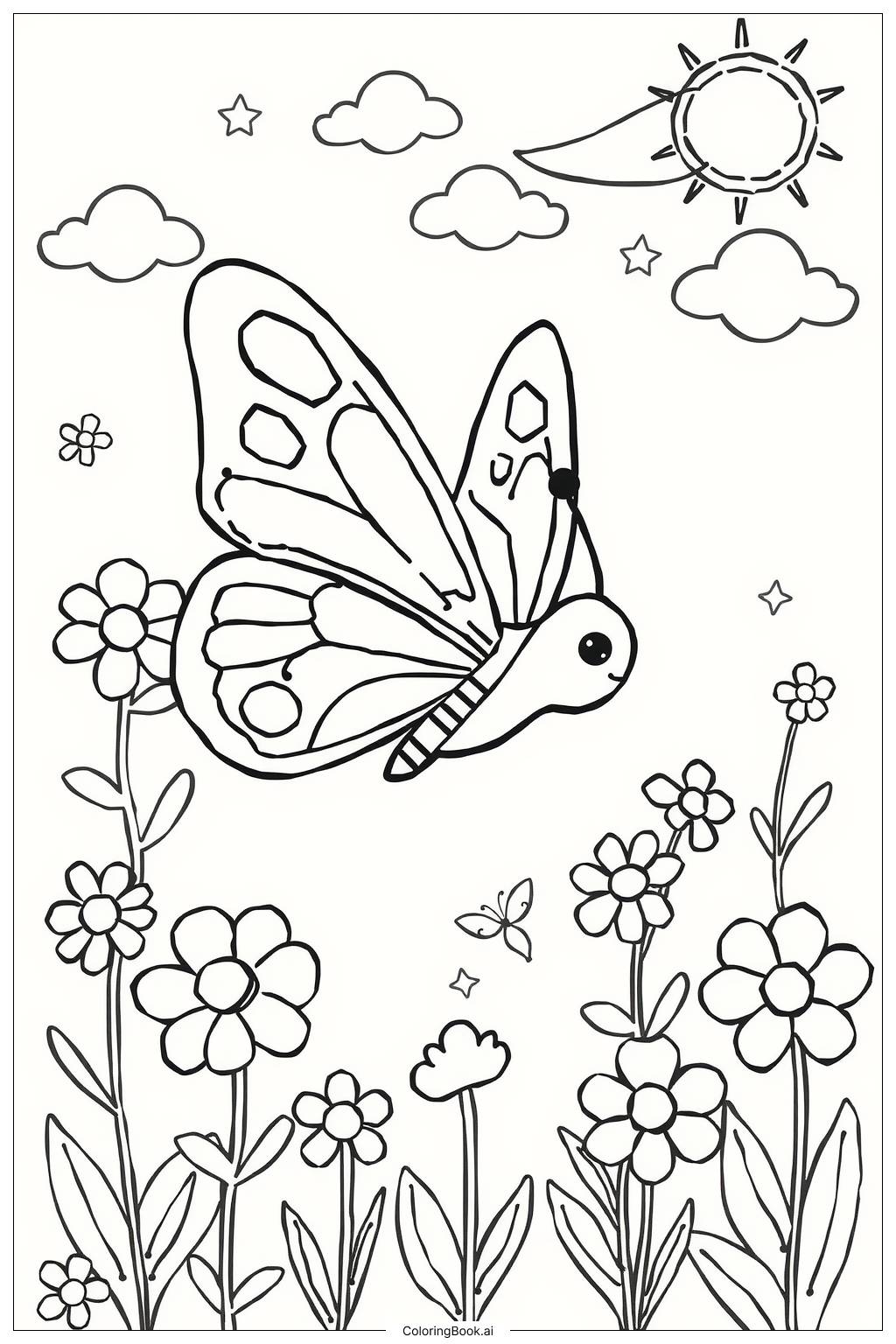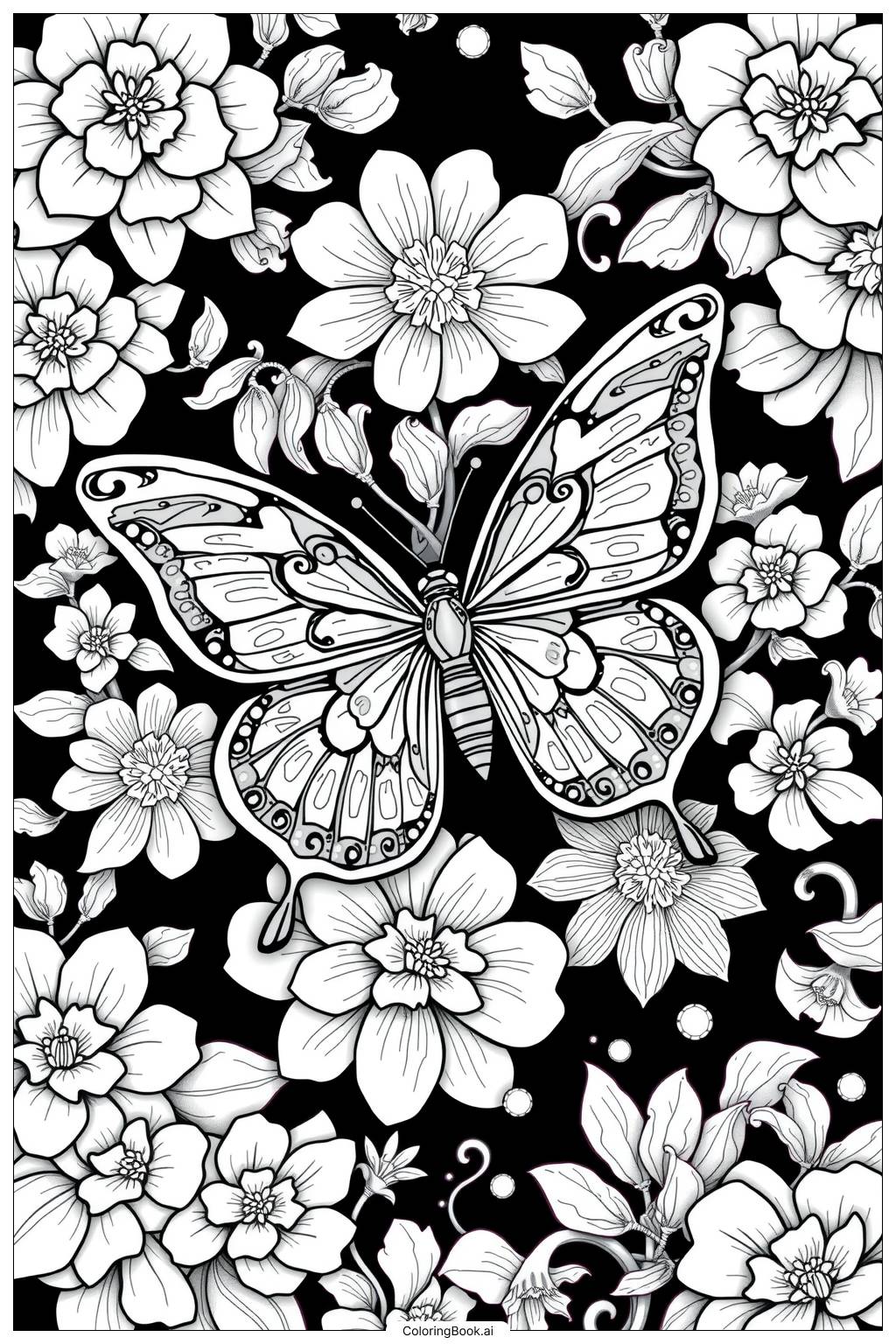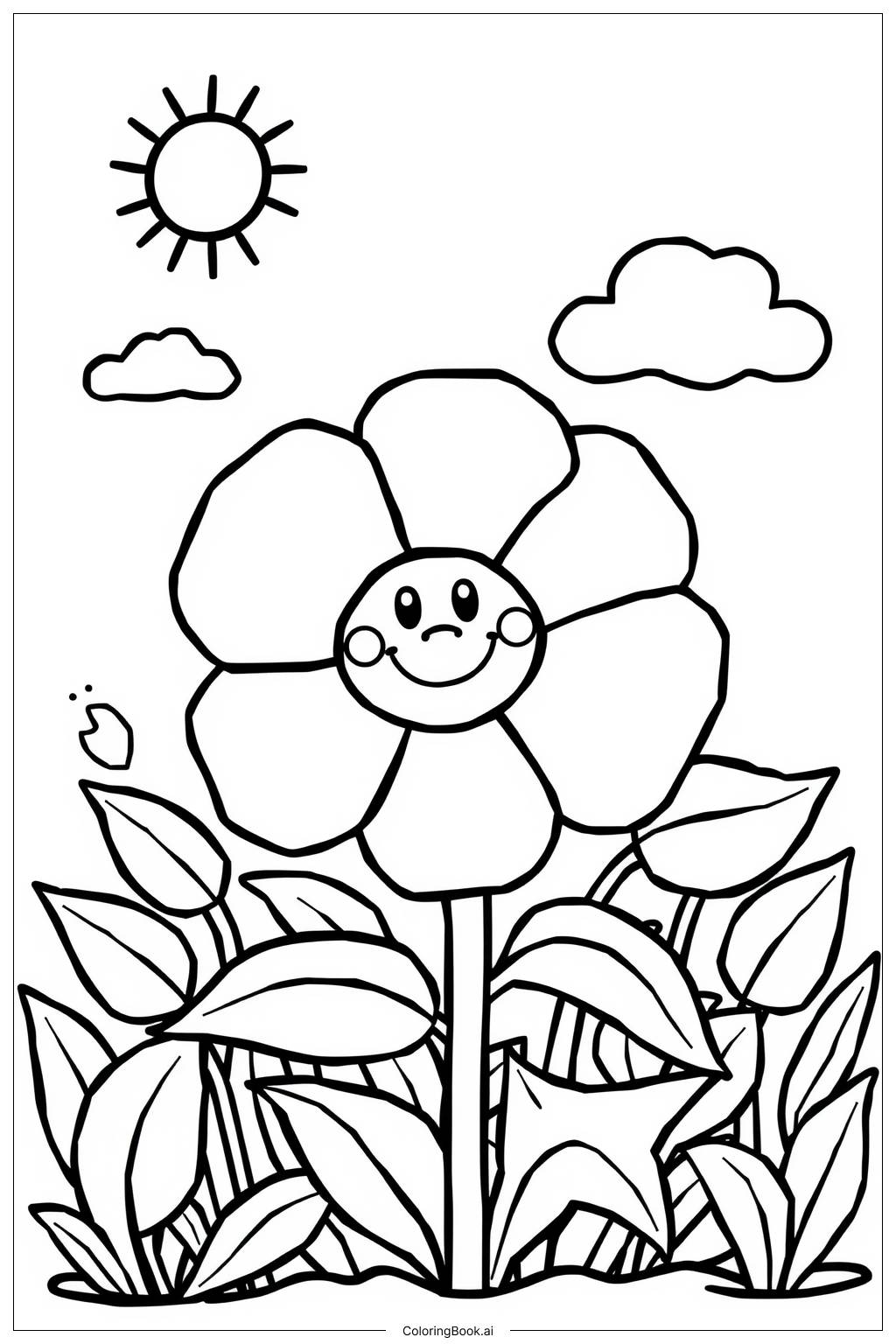
Coloring tips: How to color Simple Garden Flower coloring page well?
Start with the flower center. Use a bright yellow or golden orange to make it stand out. Then move to the petals. Try a bold pink, purple, red, or yellow — pick a color that feels sunny and happy. Use a lighter shade on the inner part of each petal and a deeper shade near the edges to add depth. For the leaves, go with a medium green. Add a slightly darker green along the leaf veins to give them dimension. The stem looks great in a fresh, solid green. If you want the flower to really pop, color the background in a soft sky blue or a warm pastel tone. Keep your strokes smooth and steady, staying inside the lines for a neat finish. Have fun mixing and layering colors to make your garden flower truly your own!
Coloring challenges: Which parts are difficult to color and need attention for Simple Garden Flower coloring page?
• Petal Consistency: Each petal needs to be colored evenly and in a consistent style. Because the petals are similar in shape and size, it can be tricky to make them all look balanced without one petal appearing darker or lighter than the rest. Take your time with each petal and try to use the same pressure throughout.
• Staying Inside Bold Outlines: Even though the outlines are thick and clear, younger colorists may still find it challenging to stay neatly within the curved edges of the petals and leaves. Curved lines require more control than straight ones, so slow and careful strokes work best here.
• Leaf Vein Details: The leaves have fine vein lines running through them. Coloring around these thin lines without accidentally covering them takes a steady hand. Using a sharp pencil or a fine-tipped marker will help keep those details visible.
• Center Circle Shading: The large circular center of the flower can look flat if colored in just one solid tone. Adding a subtle gradient or a second shade to show depth and texture can be difficult for beginners who are still learning how to blend colors smoothly.
• Color Harmony Between Elements: Choosing colors that work well together across the petals, leaves, stem, and background is a creative challenge. Picking colors that clash can make the image feel unbalanced. Beginners may want to plan their color choices before starting to ensure the whole flower looks unified and pleasing to the eye.
Benefits of coloring books: Advantages of drawing Simple Garden Flower coloring page
Coloring this simple garden flower page offers many wonderful benefits for children and beginners. First, it helps build fine motor skills. Carefully guiding a crayon or marker along curved petals and smooth leaves strengthens hand-eye coordination and grip control. These skills are important for writing and other everyday tasks. Second, it encourages creativity. Choosing colors for the petals, leaves, and background lets kids express their own ideas and personality. There is no wrong color — every choice is a form of self-expression. Third, it supports focus and patience. Filling in each section neatly and thoughtfully teaches children to slow down and concentrate, which is a valuable habit in school and daily life. Fourth, it introduces basic color theory in a fun way. Experimenting with light and dark shades, or pairing complementary colors, builds an early understanding of how colors interact. Finally, completing a coloring page gives a real sense of accomplishment. Seeing a finished, colorful flower is rewarding and builds confidence. It encourages kids to keep creating and trying new things.