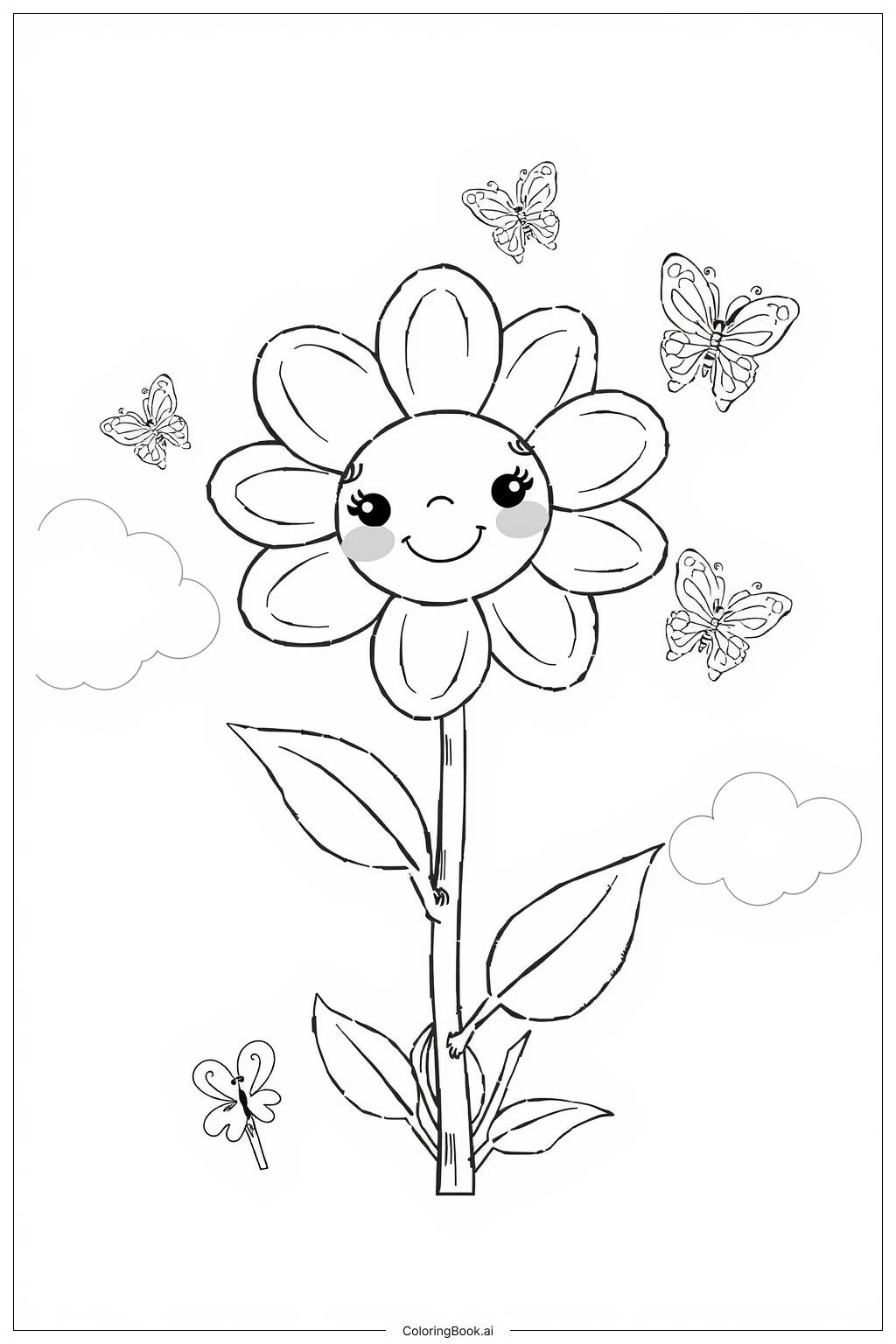
Coloring tips: How to color Happy Flower Friend coloring page well?
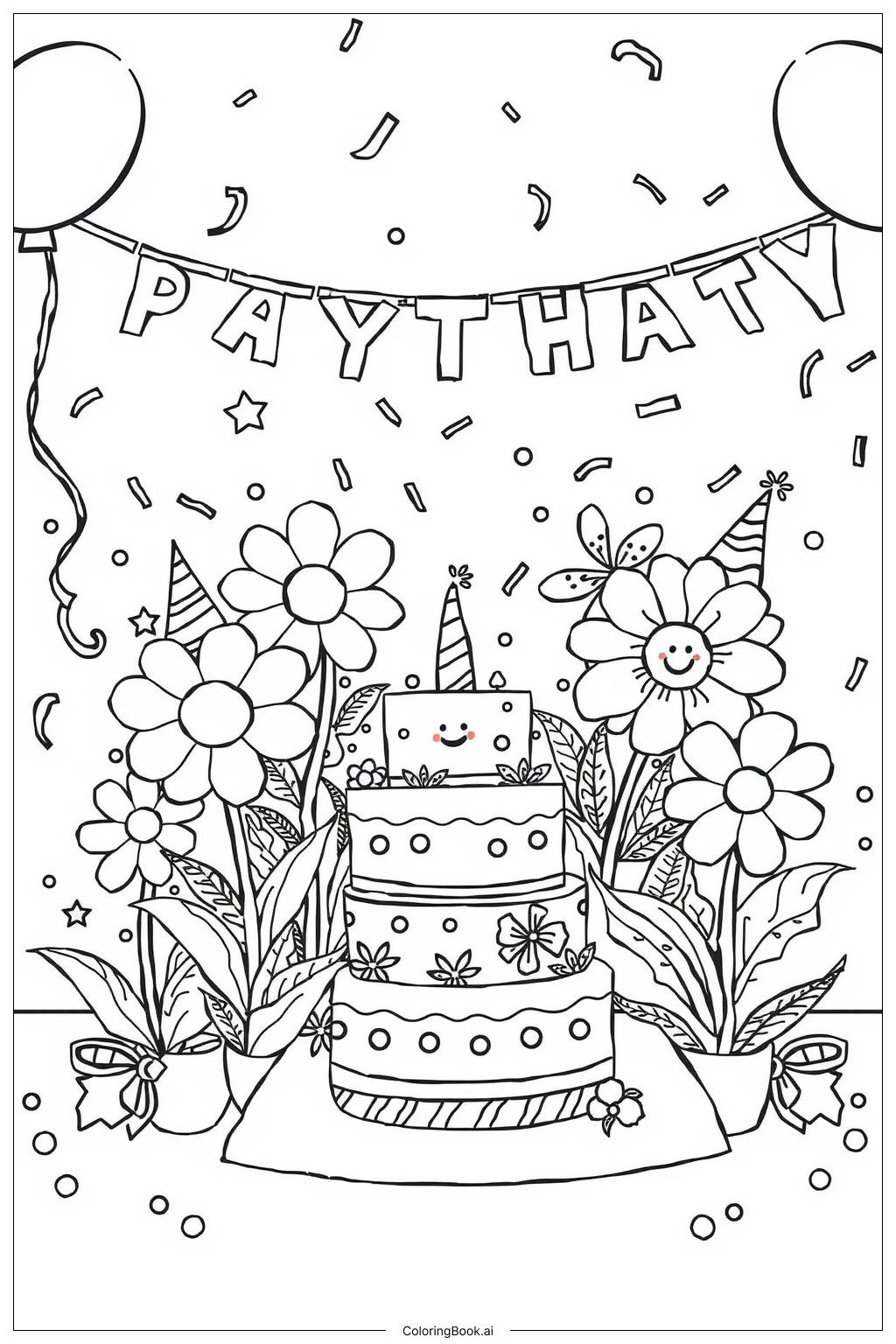
Start with the flower's face. Use a light peach or soft yellow for the round center. Add pink or rosy red for the cheeks to give it a warm, happy look. Color the eyes with brown or dark blue to make them stand out. For the petals, try bright, cheerful colors like sunny yellow, coral orange, or hot pink. You can make all the petals the same color or use different shades to create a rainbow effect. Use different shades of green for the leaves and stem. A darker green on the edges and a lighter green in the middle will make them look full and real. Add small details last, like coloring the tiny dots or curved lines with a slightly darker shade than the base color around them. This gives the image depth and makes it pop. Feel free to add a colorful background too, like a bright blue sky or soft purple to make the flower stand out even more.
Coloring challenges: Which parts are difficult to color and need attention for Happy Flower Friend coloring page?
• Facial Feature Precision: The flower's face sits inside a small circular center, which means the eyes, cheeks, and smile are packed closely together. Coloring these details neatly without the colors bleeding into one another requires a fine-tipped colored pencil or marker. Young colorists may find it tricky to stay within the tiny boundaries of each feature.
• Petal Shading and Consistency: The petals are large and rounded, which is great for filling in color, but keeping each petal looking even and smooth can be a challenge. If you want to add shading to give the petals a three-dimensional look, you need to blend colors carefully from the center outward. Uneven pressure or strokes can make the petals look patchy.
• Leaf Detail and Texture: The leaves have curved edges and decorative vein lines running through them. Staying inside the vein lines while using two different shades of green takes patience and control. Crossing over a vein line can flatten the look of the leaf and reduce the sense of depth.
• Decorative Accent Marks: Small dots and curved accent lines appear across the design. These tiny elements are easy to overlook, but coloring them with a slightly contrasting color adds a polished, finished look. Using too dark a color can make them look harsh, while too light a color makes them disappear entirely.
• Background Color Choices: Deciding on a background color that complements the flower without overpowering it is a subtle but real challenge. A color that is too similar to the petals will make the flower blend in, while a very dark background may feel overwhelming for a cheerful, lighthearted design like this one.
Benefits of coloring books: Advantages of drawing Happy Flower Friend coloring page
Coloring this Happy Flower Friend page offers a wonderful range of benefits for children and young artists. The friendly, smiling flower creates a positive and calming mood right from the start, making it easy and enjoyable to sit down and focus. Working on the petals, face, and leaves helps develop fine motor skills and hand control, which are important for writing and other everyday tasks. Choosing colors for the petals, cheeks, and background encourages creative thinking and self-expression. There is no single right answer, so every child can make their own unique version. The small facial details and accent marks challenge kids to concentrate and practice patience, which builds focus over time. Completing the full image gives a strong sense of accomplishment and boosts confidence. Coloring is also a wonderful way to relax and unwind after a busy day. The cheerful subject matter, a happy flower with a big smile, brings a sense of joy and positivity to the activity. Whether done alone or with friends and family, this coloring page is a fun, screen-free creative experience that supports both emotional well-being and artistic growth.