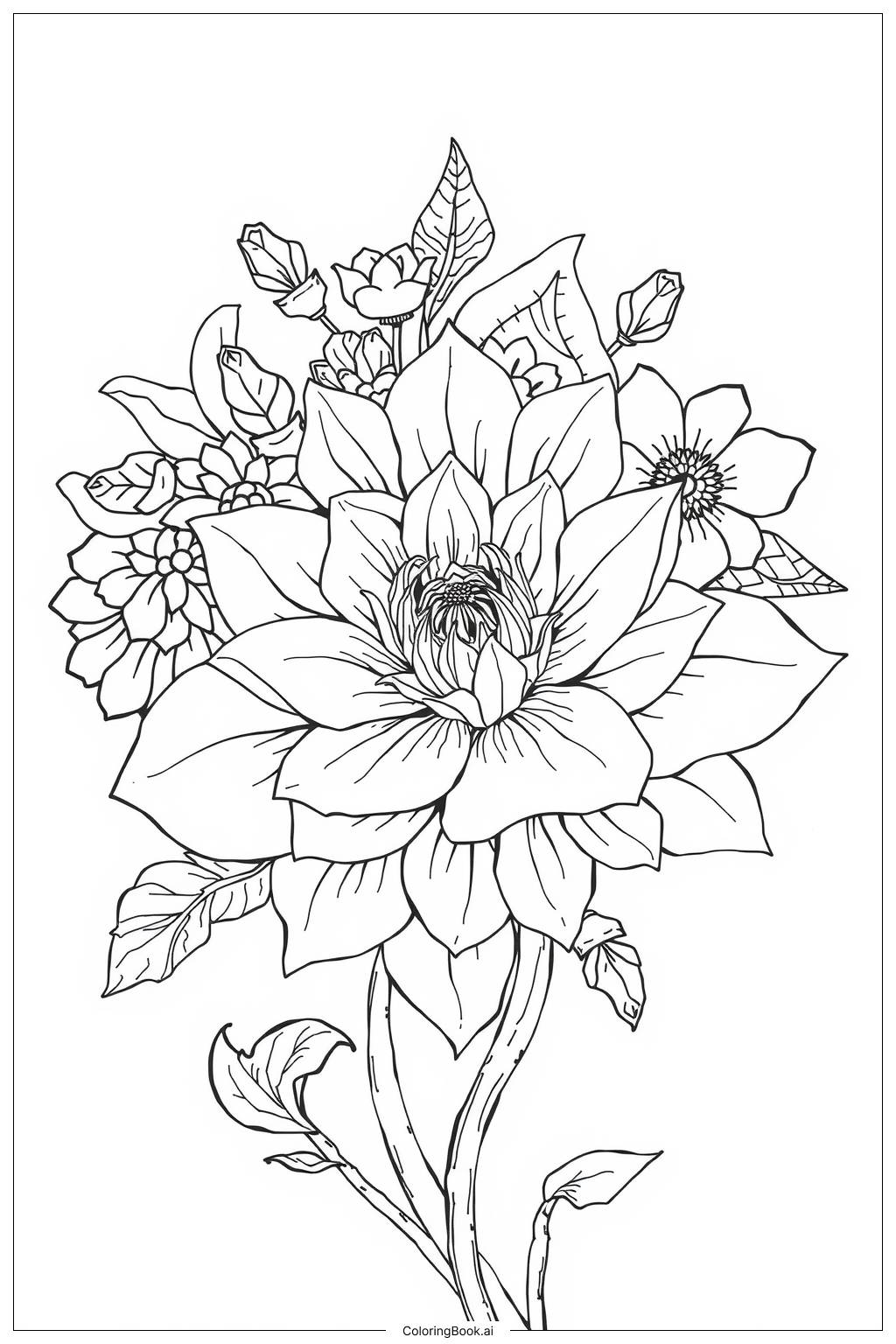
Coloring tips: How to color Flower Aesthetic Design coloring page well?
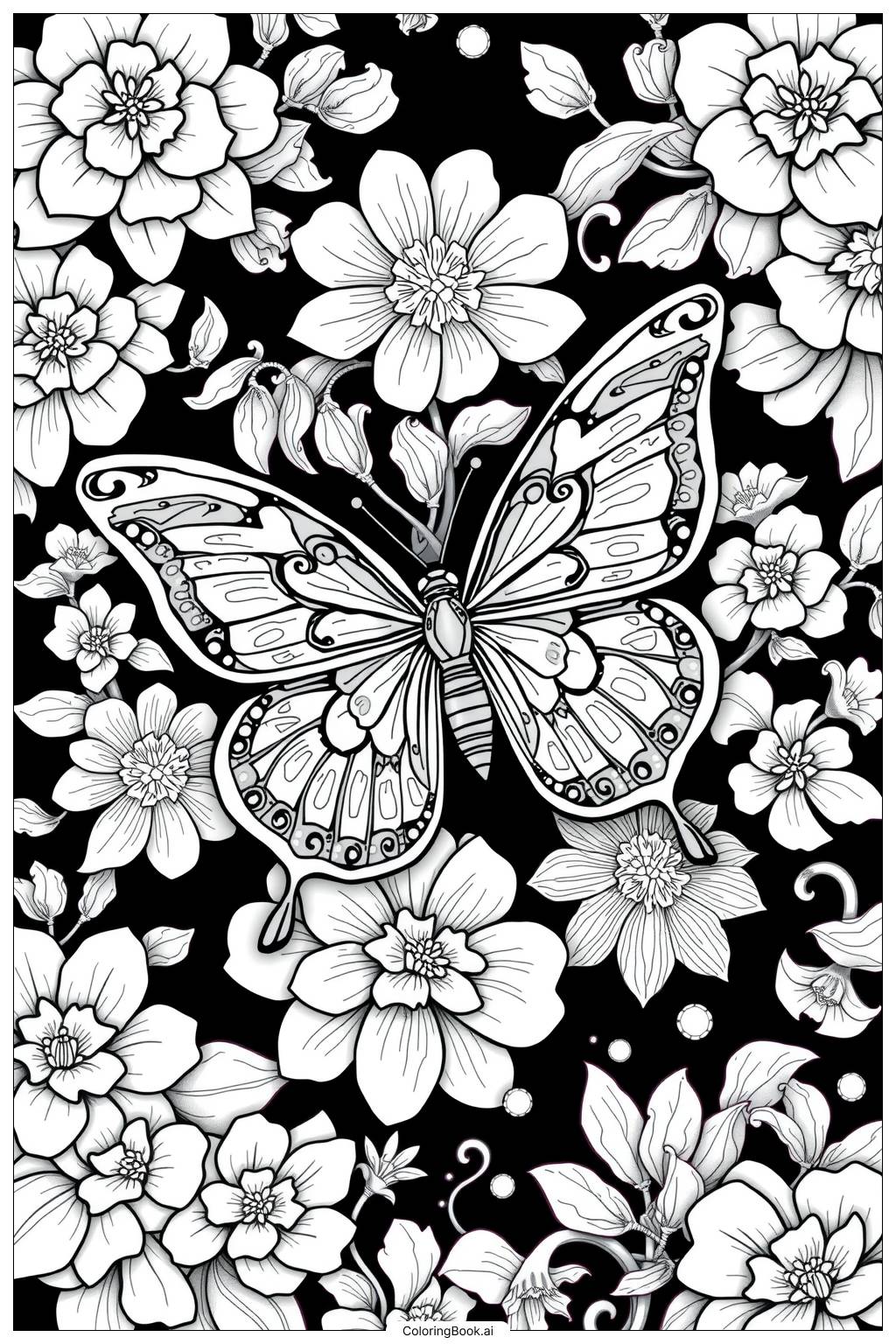
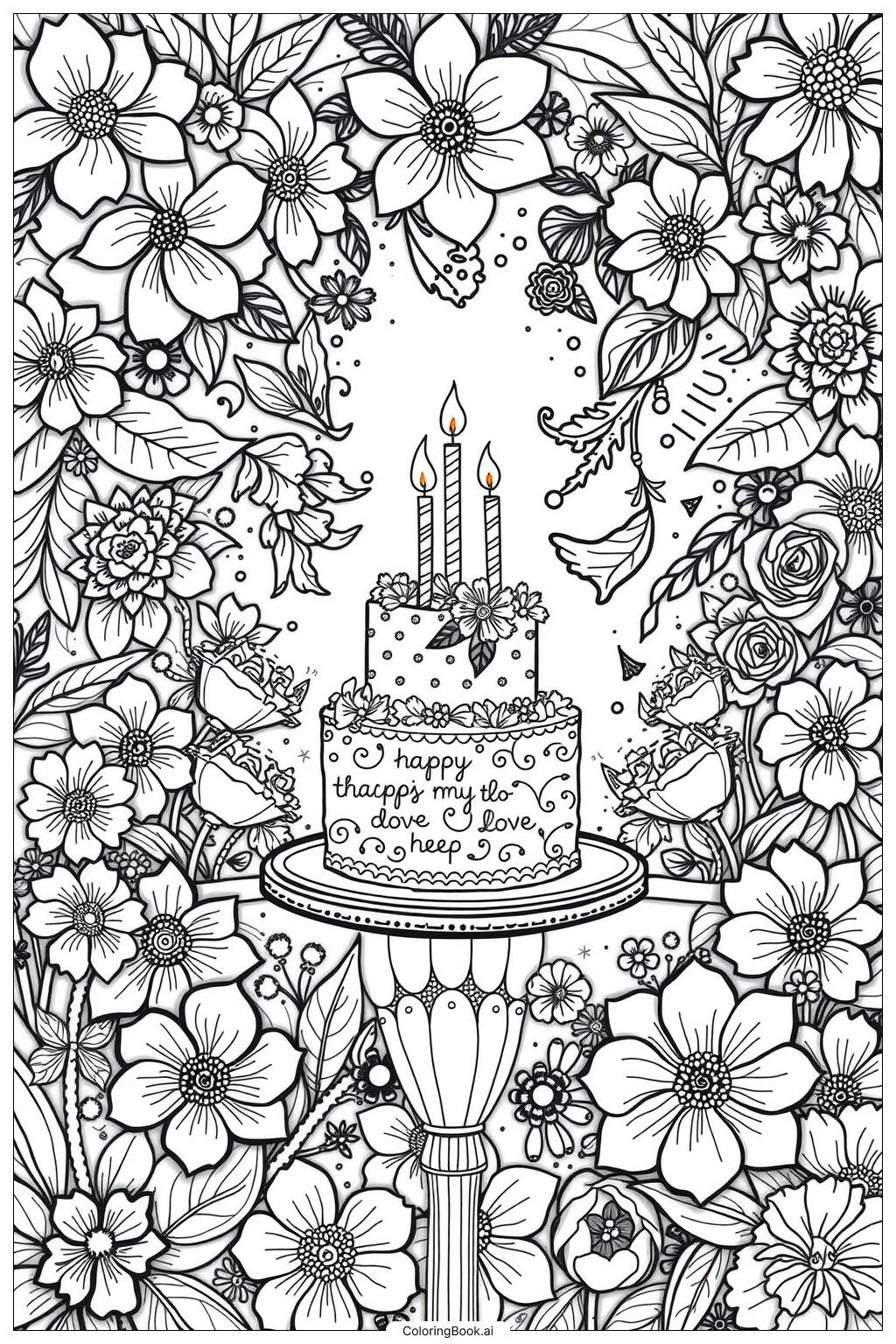
Start by choosing a color palette that feels soft and harmonious, like pastel pinks, lavenders, peach, and mint green. These colors work beautifully with floral designs. Begin with the largest bloom at the center. Use a bold but pretty color like rose pink or coral to make it stand out. Then move outward to the smaller flowers. Try using different shades of the same color family so the design feels unified. For the leaves and vines, go with various greens like sage, lime, or forest green. Use light yellow or white for the dotted accents to add a gentle glow. Take your time with each section. Coloring slowly helps you stay inside the lines and enjoy every detail. You can also try a warm sunset palette using oranges, reds, and golds for a bold, vibrant look. Have fun and make this design your own!
Coloring challenges: Which parts are difficult to color and need attention for Flower Aesthetic Design coloring page?
• Intricate Petal Details: The large central flower contains many layered petals, each filled with fine lines and curved textures. Staying inside these small sections while maintaining consistent shading requires steady hands and careful attention. Young or beginner colorists may find it helpful to use sharp-tipped colored pencils or fine-point markers to manage these tight areas precisely.
• Dense Background Patterns: The background is packed with small flowers, swirling vines, and overlapping leaves. Because these elements are closely spaced, it can be easy to accidentally color outside a section or mix up neighboring areas. Taking a slow, section-by-section approach and using different tones to separate overlapping shapes will help maintain clarity and visual depth.
• Maintaining Color Harmony: With so many floral elements across the design, choosing colors that all work well together is a real challenge. If too many bright, clashing colors are used side by side, the design can look busy and unbalanced. Planning a color palette ahead of time and testing colors on a scrap piece of paper before applying them to the page can help create a more cohesive and pleasing result.
• Decorative Accent Spots: Tiny dotted accents and small ornamental details are scattered throughout the composition. These small spots are tricky to fill neatly, especially for younger colorists. Using a fine-tip pen or the very tip of a colored pencil works best for these miniature sections.
• Symmetry and Balance: The design has a balanced, symmetrical layout, meaning colors applied to one side should ideally mirror the other. Keeping track of which colors go where to maintain visual balance across the whole page takes planning and focus.
Benefits of coloring books: Advantages of drawing Flower Aesthetic Design coloring page
Coloring this flower aesthetic design offers a wide range of wonderful benefits for children and adults alike. First, it helps improve focus and concentration. The detailed patterns require careful attention, which trains the mind to stay present and engaged. Second, it builds fine motor skills. Coloring within the intricate lines and small sections strengthens hand-eye coordination and pencil control, skills that are valuable in school and everyday life. Third, it encourages creativity. Choosing colors, experimenting with shading, and making artistic decisions all nurture imaginative thinking. Fourth, it provides a calming and relaxing experience. Spending quiet time with a coloring page reduces stress and anxiety, making it a great mindfulness activity after a busy day. Fifth, it boosts confidence. Completing a detailed design gives a real sense of achievement and pride, especially for younger colorists. Finally, this floral design helps children develop an appreciation for nature and beauty through art. It is a joyful, screen-free activity that brings peace, creativity, and a little bit of color into everyday life.