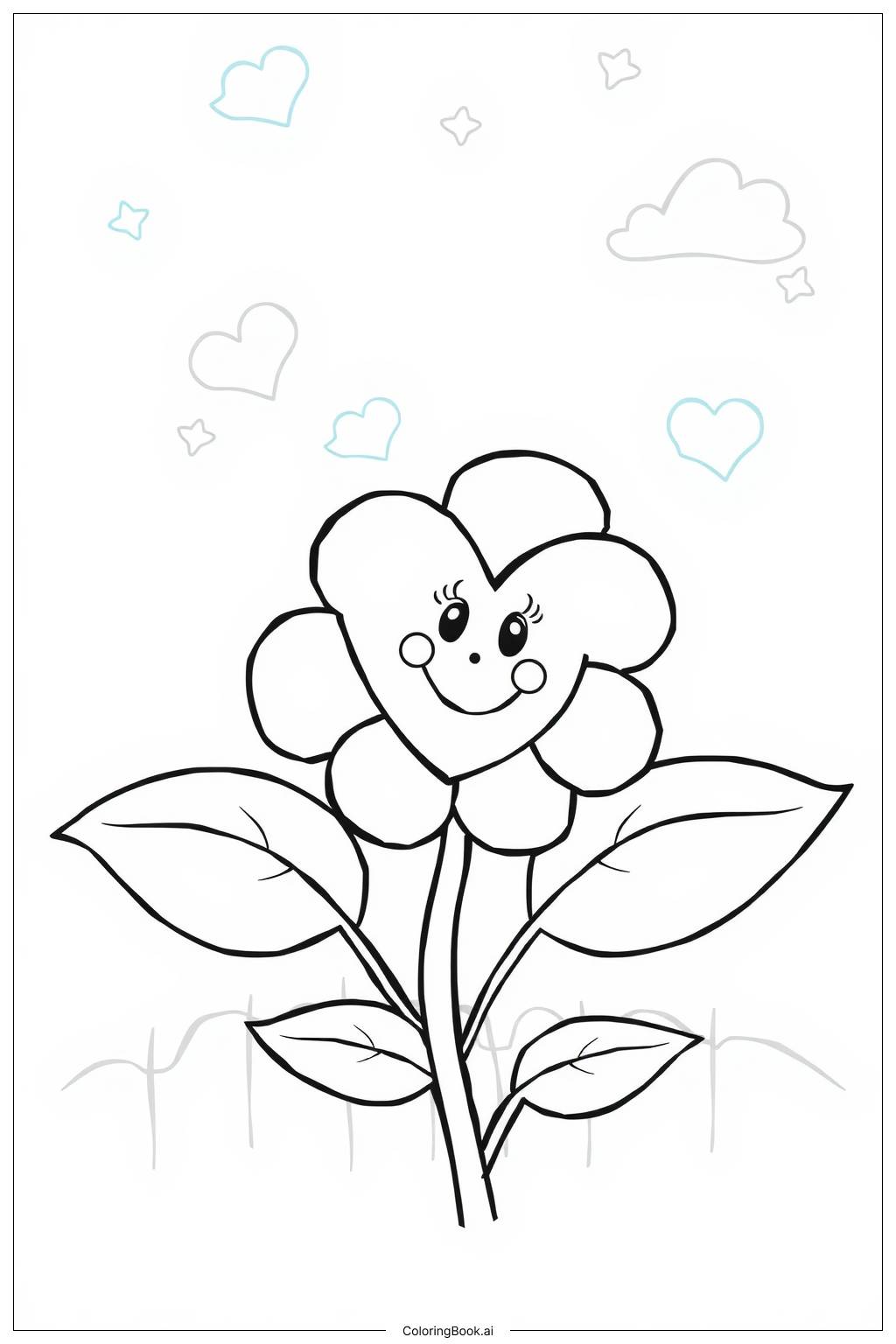
Coloring tips: How to color Basic Flower Heart coloring page well?
Start by choosing a color theme for your heart. A classic look uses warm reds and pinks for the petals, with yellow or orange for the flower centers. For a dreamy feel, try purples, lavenders, and soft blues. You can also mix many bright colors to make each flower unique and fun. Color the background last. A soft pastel like light blue or pale yellow helps the flowers stand out. Try using darker shades along the outer edges of petals and lighter shades in the middle to add depth. If you have colored pencils, blend two colors together on each petal for a beautiful gradient effect. Have fun and make it your own!
Coloring challenges: Which parts are difficult to color and need attention for Basic Flower Heart coloring page?
• Coloring Small Petal Details: Each flower in this design has multiple small petals that sit close together. Staying within the lines of each individual petal can be tricky, especially near the center of the flowers where the petals meet. Using a fine-tipped colored pencil or marker will help you stay precise in these tight areas.
• Maintaining Color Consistency: Because the heart is made up of many repeated flowers, keeping a consistent color pattern throughout the design requires planning. It is easy to lose track of which colors you have used. Before you begin, decide on a pattern and lightly note it so your finished piece looks balanced and harmonious.
• Blending Where Flowers Meet: The flowers are packed closely together to form the heart shape. Where the petals of neighboring flowers overlap or touch, choosing colors that work well side by side is important. Colors that clash can make the design feel busy, so selecting a cohesive palette before you start is a smart move.
• Filling the Background: The space between and around the heart outline can be challenging to color neatly without accidentally going over the flower outlines. Using a smaller tool for the tight gaps and a broader tool for larger open areas will make this step much easier and cleaner.
• Capturing the Heart Shape: The overall heart silhouette should be visible when the coloring is complete. Using slightly deeper or bolder colors for the flowers along the outer edge of the heart, compared to those inside, can help the heart shape stand out clearly and beautifully.
Benefits of coloring books: Advantages of drawing Basic Flower Heart coloring page
Coloring this floral heart design offers a wide range of wonderful benefits for children and beginners alike. Working with the small petals and closely arranged flowers helps improve fine motor skills and hand-eye coordination, as careful, controlled movements are needed to stay within the lines. This kind of focused activity also strengthens concentration and attention to detail, which are skills that support learning in school and everyday life. Choosing colors and planning a palette encourages creative thinking and self-expression. Kids learn to experiment with color combinations and develop their own artistic style in a low-pressure, enjoyable way. The heart shape adds an emotional element, making this page a great project for gifts or cards for loved ones, which builds a sense of purpose and pride in one's work. Coloring also has a calming effect. The gentle, repetitive motion of filling in petals can reduce stress and anxiety, promoting a sense of relaxation and mindfulness. Completing the full design gives a satisfying feeling of accomplishment that boosts confidence and motivates continued creativity. Overall, this coloring page is a joyful and enriching activity for anyone who picks it up.