Coloring tips: How to color Floral Rainy Day coloring page well?
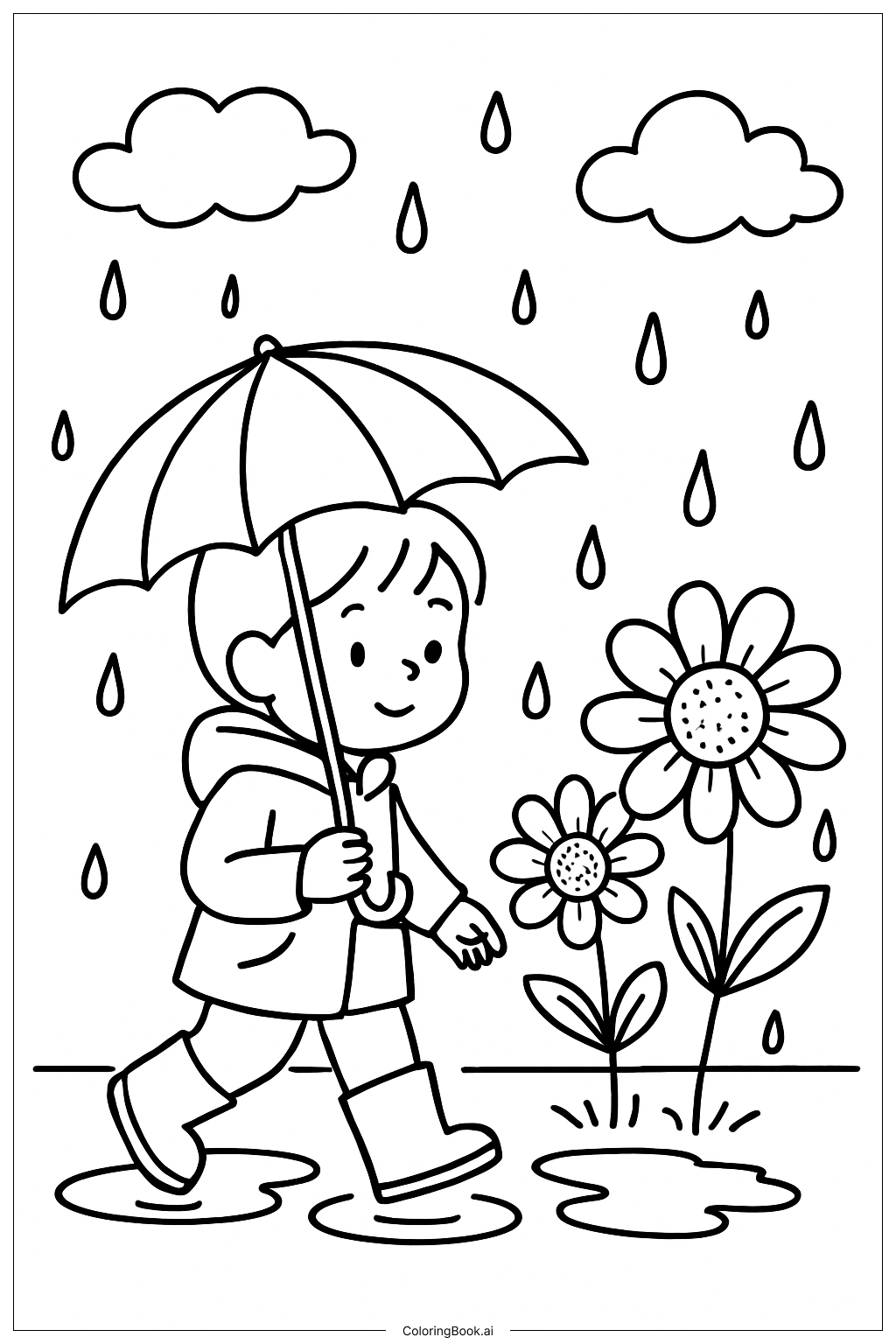
Start with the umbrella canopy by choosing vibrant colors for the large flowers. Consider using pink, red, or coral tones for the roses, with green for leaves and stems. The umbrella background could be a soft pastel shade like lavender, sky blue, or pale yellow. For the raindrops, try light blue, silver, or even leave them white with a hint of blue shading. The flowers at the base can feature a variety of colors to create a cheerful garden effect. Use warm colors like orange, yellow, and magenta mixed with cooler purples and blues for contrast. The foliage and leaves work well in different shades of green, from light mint to deep forest green. Consider adding subtle shading to create depth and dimension throughout the image.
Coloring challenges: Which parts are difficult to color and need attention for Floral Rainy Day coloring page?
• Intricate Floral Details: The umbrella and surrounding area contain numerous flowers with overlapping petals, small details, and decorative elements that require careful attention. Staying within the lines of these tiny spaces can be challenging, especially where petals overlap or where fine vines weave through the design. Using fine-tipped coloring tools like colored pencils or thin markers will help achieve precision in these delicate areas.
• Raindrop Patterns: The falling raindrops create vertical lines throughout the composition that intersect with other elements. Coloring around these thin lines while maintaining consistent color in the background requires steady hands and patience. Deciding whether to color the raindrops themselves or leave them as negative space adds another layer of creative decision-making.
• Creating Depth and Dimension: With so many floral elements layered throughout the scene, it can be difficult to make certain flowers stand out while pushing others into the background. Choosing appropriate color values and using shading techniques to create depth requires planning and color theory understanding. Lighter colors and less saturation can help background elements recede, while bolder, darker colors bring foreground elements forward.
• Color Coordination: With multiple flower types and foliage throughout the image, selecting a harmonious color palette that creates visual interest without overwhelming the scene requires thoughtful planning. Balancing warm and cool tones while ensuring the umbrella remains the focal point takes consideration and color awareness.
Benefits of coloring books: Advantages of drawing Floral Rainy Day coloring page
Coloring this Floral Rainy Day scene offers wonderful relaxation benefits, as the repetitive motion of filling in petals and leaves creates a calming, meditative experience. The nature theme helps reduce stress and brings peaceful feelings. Children develop fine motor skills and hand-eye coordination while working on the detailed floral patterns and small spaces. The image encourages color recognition and creativity as young artists experiment with different color combinations for flowers and rain. Planning which colors to use for various elements builds decision-making skills and boosts confidence. The cheerful subject matter promotes positive emotions and can brighten moods on actual rainy days. Completing this detailed page provides a strong sense of accomplishment and pride in creating something beautiful.