Coloring tips: How to color Floral Garden Path coloring page well?
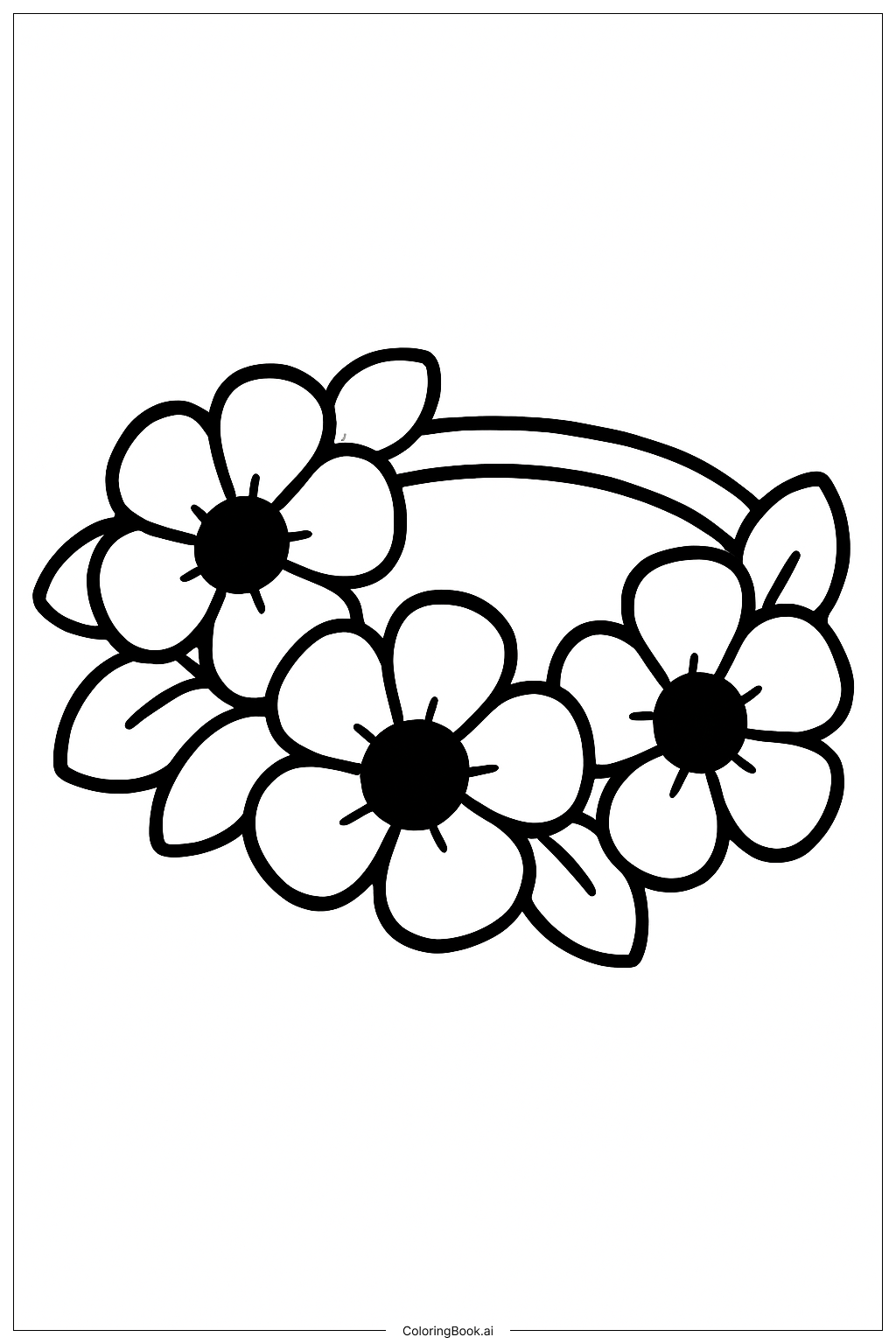
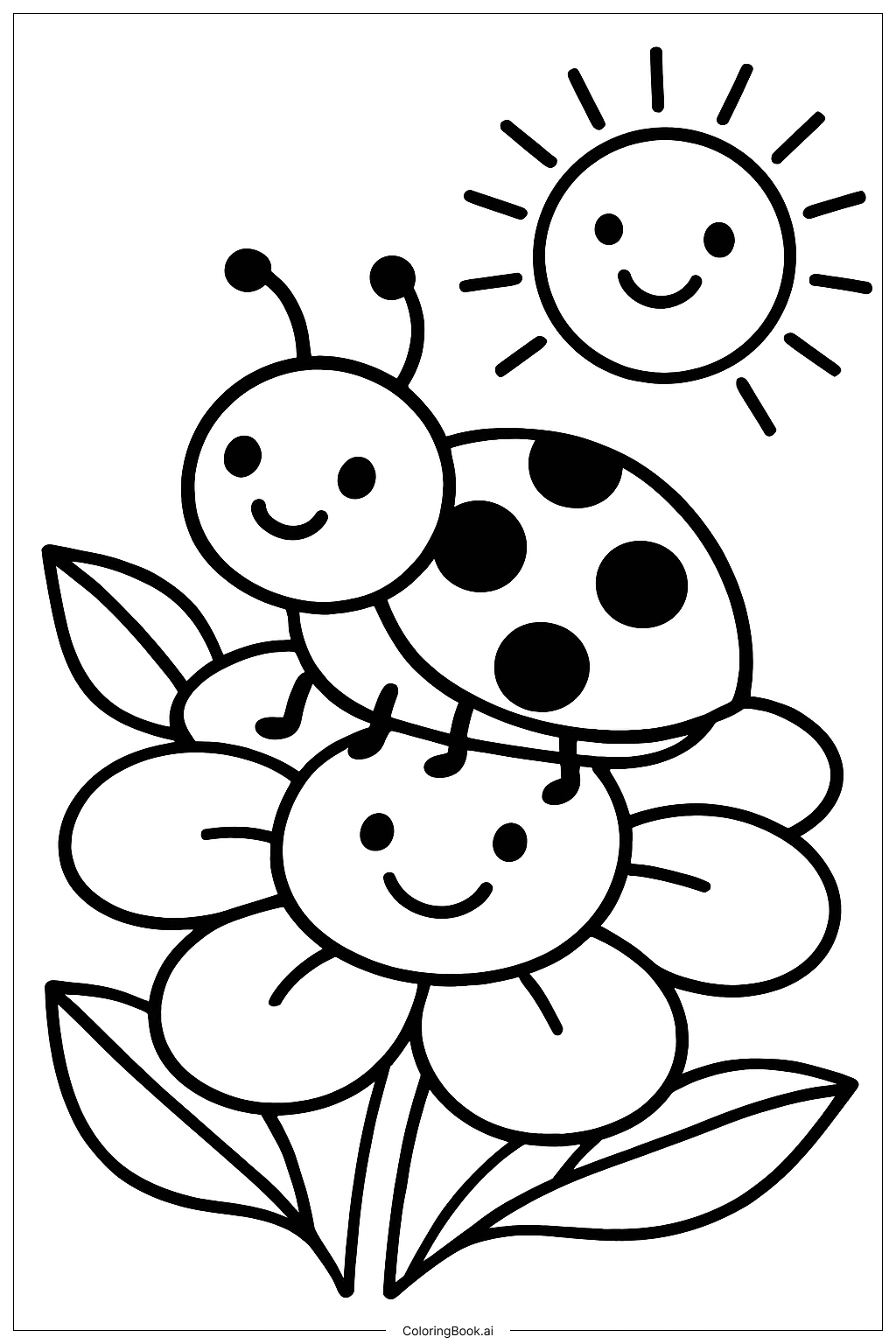
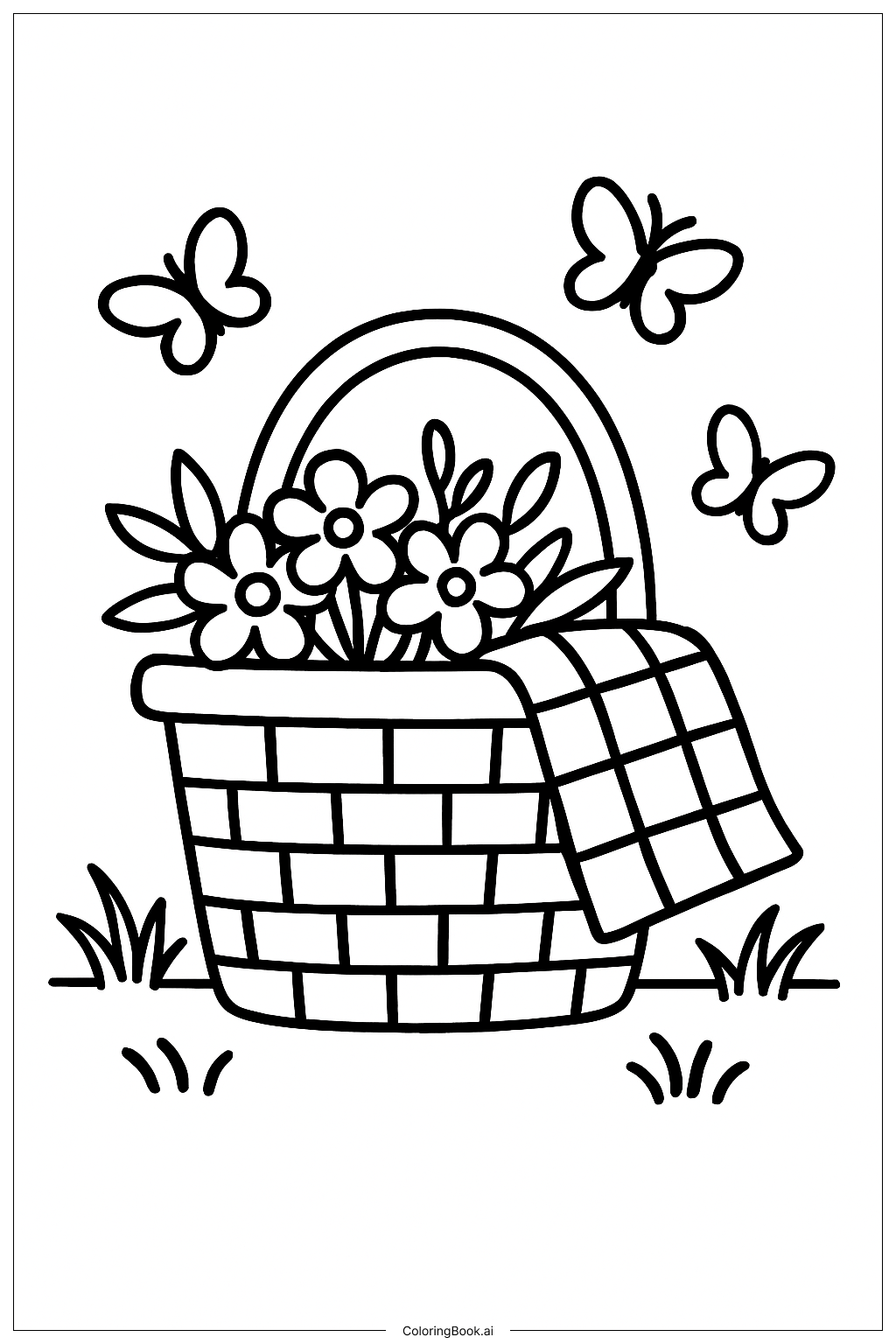
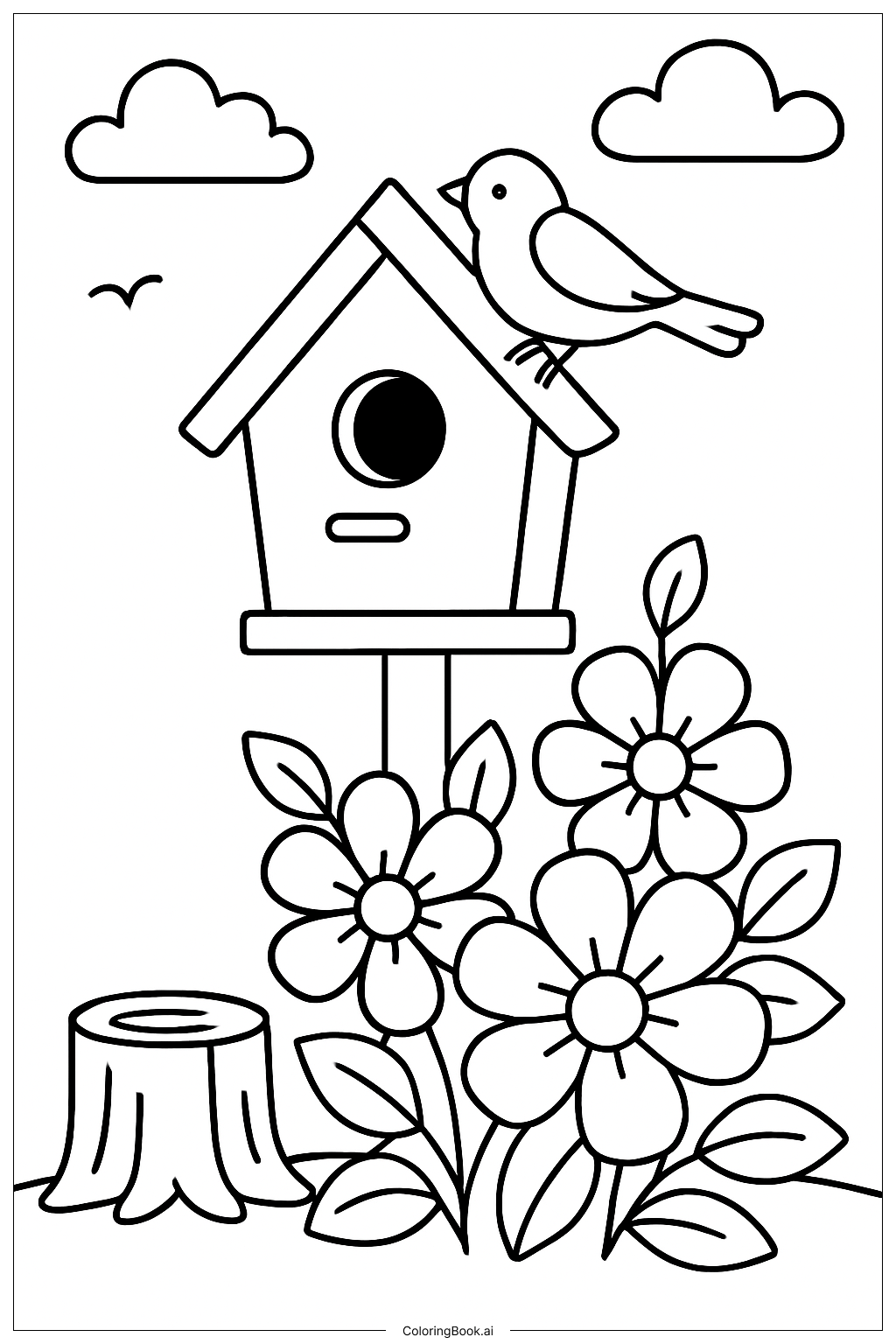
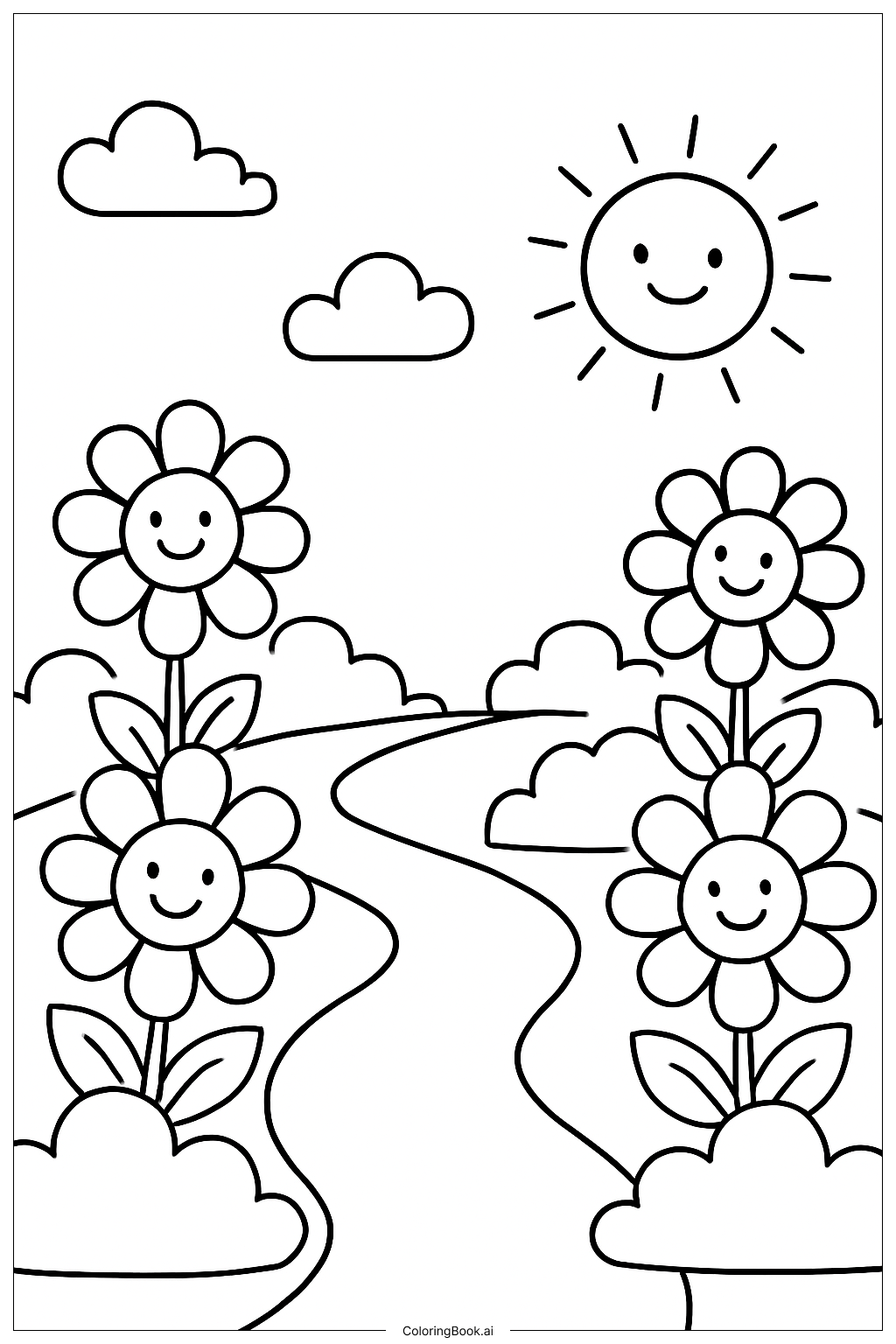
For the flowers, use bright colors like pink, yellow, and blue to make them pop. For the leaves, green shades such as lime and dark green can add depth. Consider using a light blue for the sky to create a sunny feel. The clouds can be white with a touch of light gray to give them texture. The sun can be yellow with orange rays for a warm effect. Get creative with the path too; shades of brown or gray can work. Mix and match colors to make the scene lively and colorful!
Coloring challenges: Which parts are difficult to color and need attention for Floral Garden Path coloring page?
1. **Small Details**: The flowers have small sections, which may be tricky to color neatly. Younger kids might find it hard to stay within the lines. To overcome this, they can use finer markers or colored pencils. 2. **Color Blending**: Creating gradients or blends can be challenging. For instance, blending lighter and darker greens in the leaves requires practice. Kids can experiment with overlapping colors to see what works best. 3. **Choosing Color Schemes**: Picking colors that match well together can be tough. Children might struggle to decide if they want bright or pastel tones. It helps to look at a color wheel or discuss colors with parents or friends. 4. **Layering Colors**: If kids want to add depth or shadows, layering different colors can be hard. It requires a gentle hand and some technique. They can start with lighter colors and gradually add darker ones. 5. **Consistency**: Maintaining the same color pattern throughout can be a challenge. Kids may start with one color scheme and switch to another halfway through. Planning the colors before starting can be useful.
Benefits of coloring books: Advantages of drawing Floral Garden Path coloring page
Coloring this page brings numerous benefits for children. First, it enhances fine motor skills as they practice holding crayons or pencils to color within the lines. Second, it encourages creativity; kids can express their imagination through color choices. They can explore different color combinations, learning what they like and enjoy. Third, coloring promotes relaxation and mindfulness. It allows children to focus, providing a calming break from screen time or fast-paced activities. Additionally, coloring supports visual perception and helps them recognize patterns and shapes. Children also gain a sense of accomplishment once they complete their masterpiece, boosting their confidence.