Coloring tips: How to color Puffer Fish Blowing Up Underwater coloring page well?
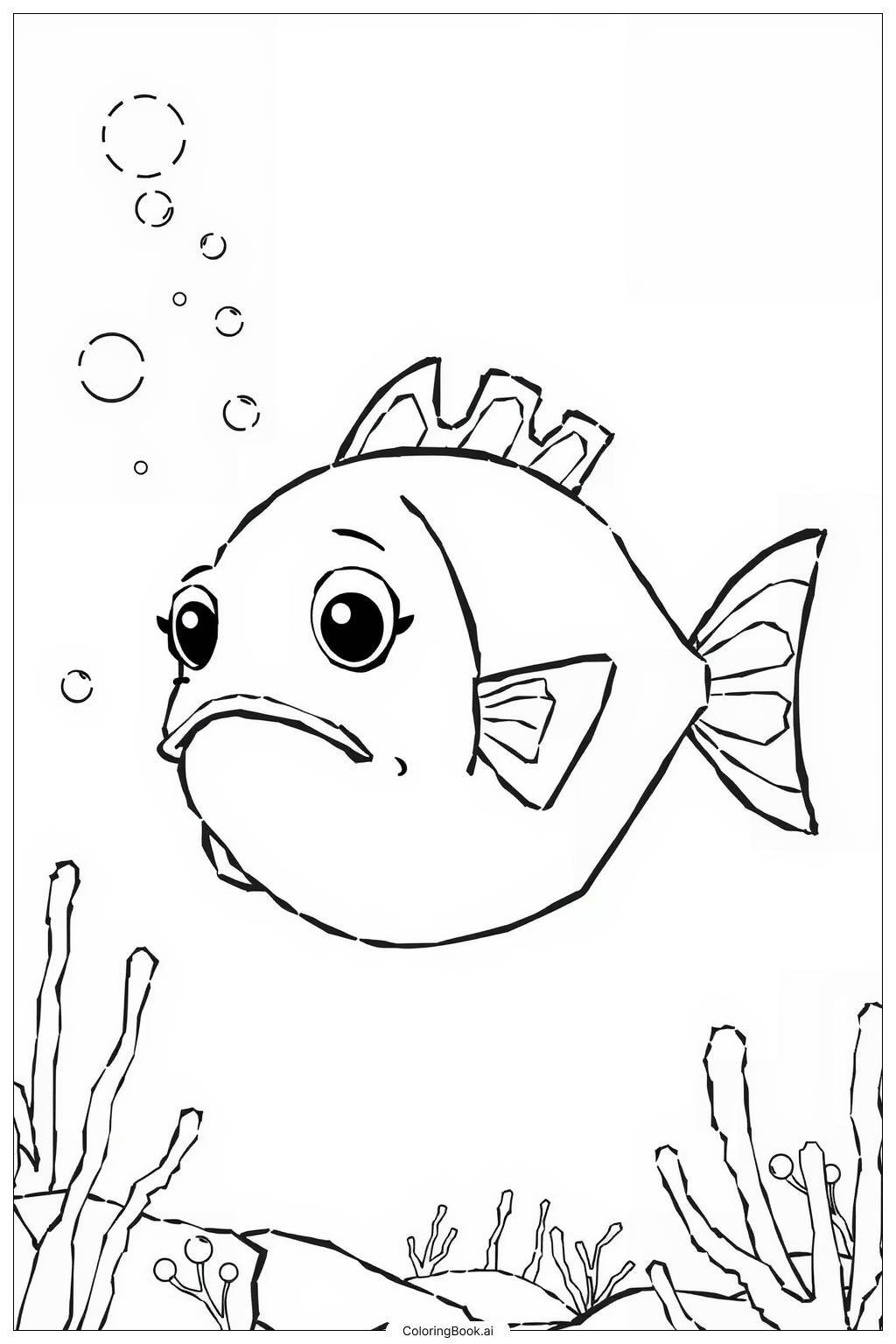
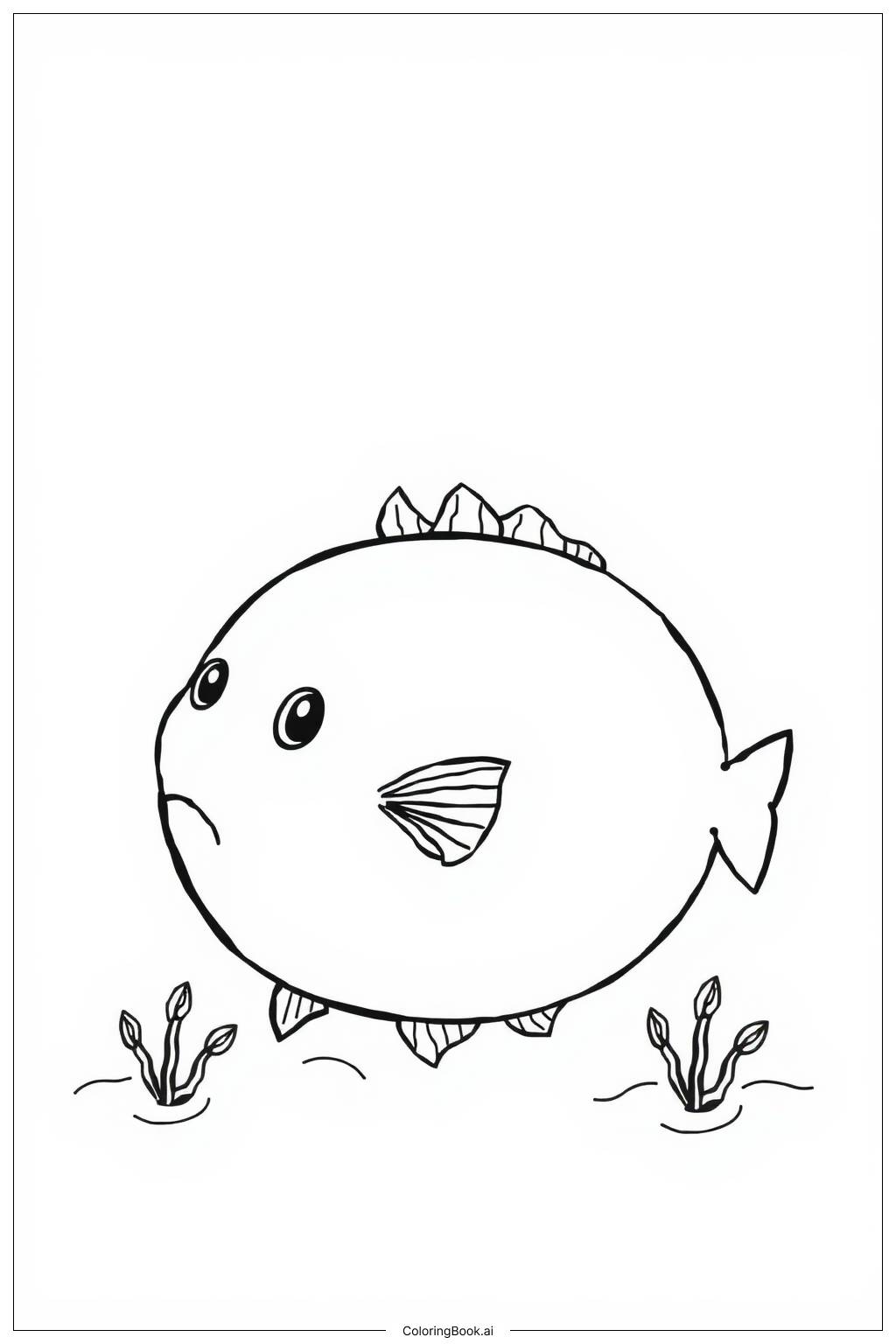
Start with the puffer fish's body. Use a bright yellow or orange as the base color. This makes the fish pop against the ocean background. Add darker spots or patches on the body using brown or dark orange. Color the spines with a slightly darker shade than the body to make them stand out. Use black or very dark brown for the outline of the big eyes, and fill them with a warm golden or amber color. Leave a small white dot in each eye to show a light reflection. For the background water, try light blue or aqua. Use a slightly darker blue around the edges to show depth. Color the sea plants in shades of green. Use bright green for young plants and darker green for older ones. Add a little teal or blue-green for variety. Color the coral in pink, red, or purple. Fill the bubbles with light blue or leave them mostly white with just a thin blue outline. This coloring page is great for Boys, Girls, and Adults alike.
Coloring challenges: Which parts are difficult to color and need attention for Puffer Fish Blowing Up Underwater coloring page?
• Spines and Body Texture: The puffer fish is covered in many small spines. Coloring each spine carefully without going outside the lines takes patience. Young colorists may find it hard to stay inside such small, pointed shapes. Using a fine-tipped colored pencil or marker will help keep the spines neat and defined.
• Layering Colors on the Rounded Body: The fish has a large, round, inflated body. To make it look three-dimensional, you need to layer colors from light to dark. The center of the body should be lighter, and the edges should gradually get darker. This kind of shading can be tricky for beginners who are not used to blending or layering.
• Small Detail Areas Around the Eyes: The eyes are large but surrounded by fine detail lines. Filling in the eye area cleanly while keeping the highlight dot white requires a steady hand. Accidentally coloring over the highlight will flatten the look of the eye and reduce the fish's lively expression.
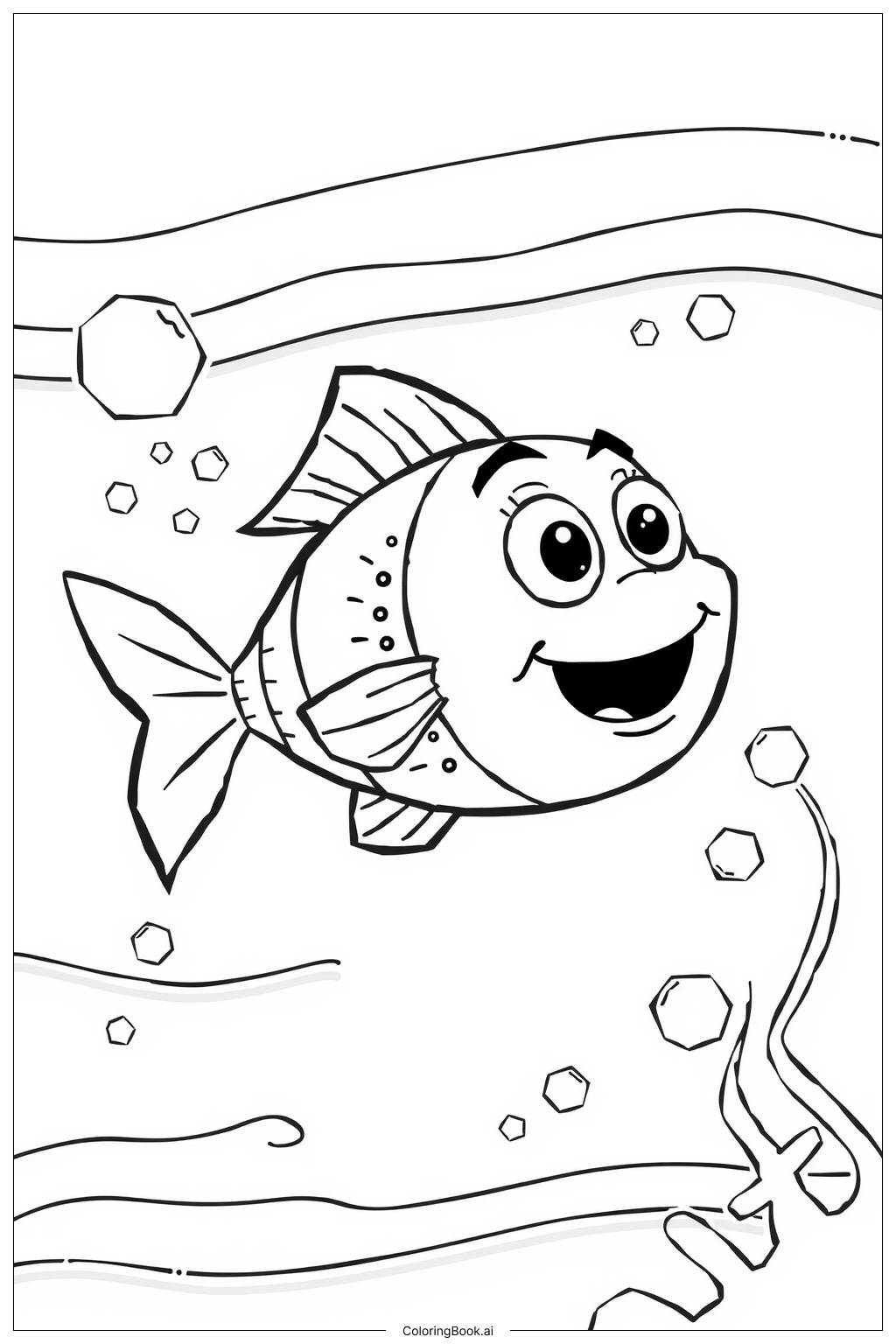
• Bubbles in the Water: Bubbles look best when they are mostly clear with just a hint of color. Coloring them too heavily makes them look solid and unrealistic. Keeping a light touch with blue or leaving most of the bubble white while only adding a soft outline edge is a skill that takes practice.
• Background Depth and Ocean Layers: The underwater background needs to look deep and layered. Using only one shade of blue makes the scene feel flat. Blending multiple shades of blue, from light near the surface to deep navy toward the bottom, gives the image a realistic ocean feel but requires careful color transitions.
Benefits of coloring books: Advantages of drawing Puffer Fish Blowing Up Underwater coloring page
Coloring this puffer fish page offers many wonderful benefits for children and Adults. For younger kids, it helps develop fine motor skills as they carefully color around the spines and details. Staying inside small shapes like the spines and bubbles trains hand control and pencil grip. This kind of focused work also builds patience and concentration. For older children and Adults, the shading and blending challenges encourage artistic thinking and creativity. Choosing which colors to use for the ocean, the fish, and the coral helps develop a personal sense of color and design. Learning how to create depth with color layers is a valuable skill that goes beyond coloring pages and connects to real art techniques. This image also sparks curiosity about ocean life. Children may become interested in learning more about puffer fish, why they inflate, and what lives in the sea. That natural curiosity supports learning and exploration. The calm, focused activity of coloring is also great for reducing stress and anxiety in both kids and Adults. It gives the mind a chance to slow down and enjoy a creative moment. Overall, this Printable coloring page is a fun and rewarding activity for Boys, Girls, and Adults of all skill levels.