Coloring tips: How to color Busy Classroom Morning coloring page well?
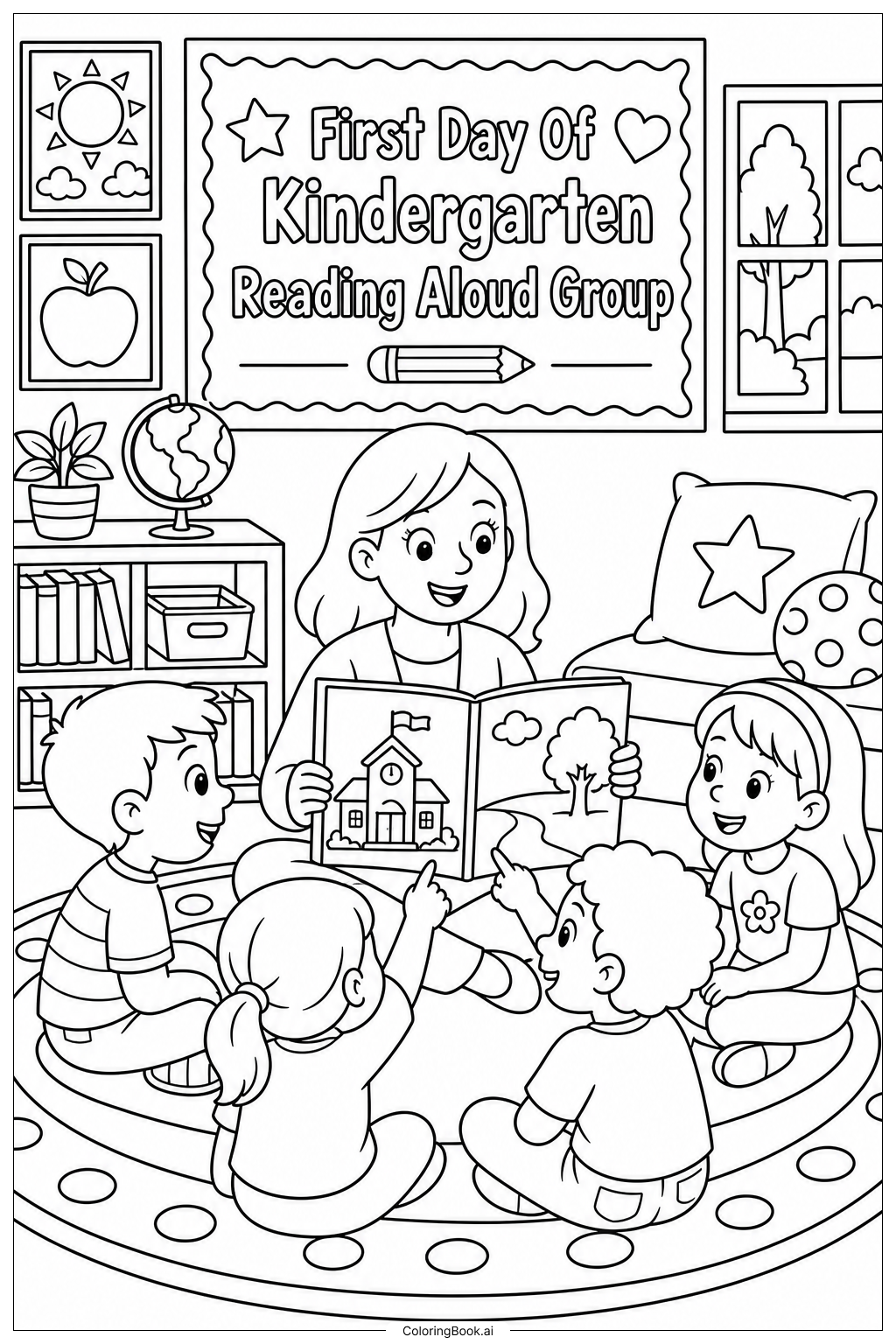
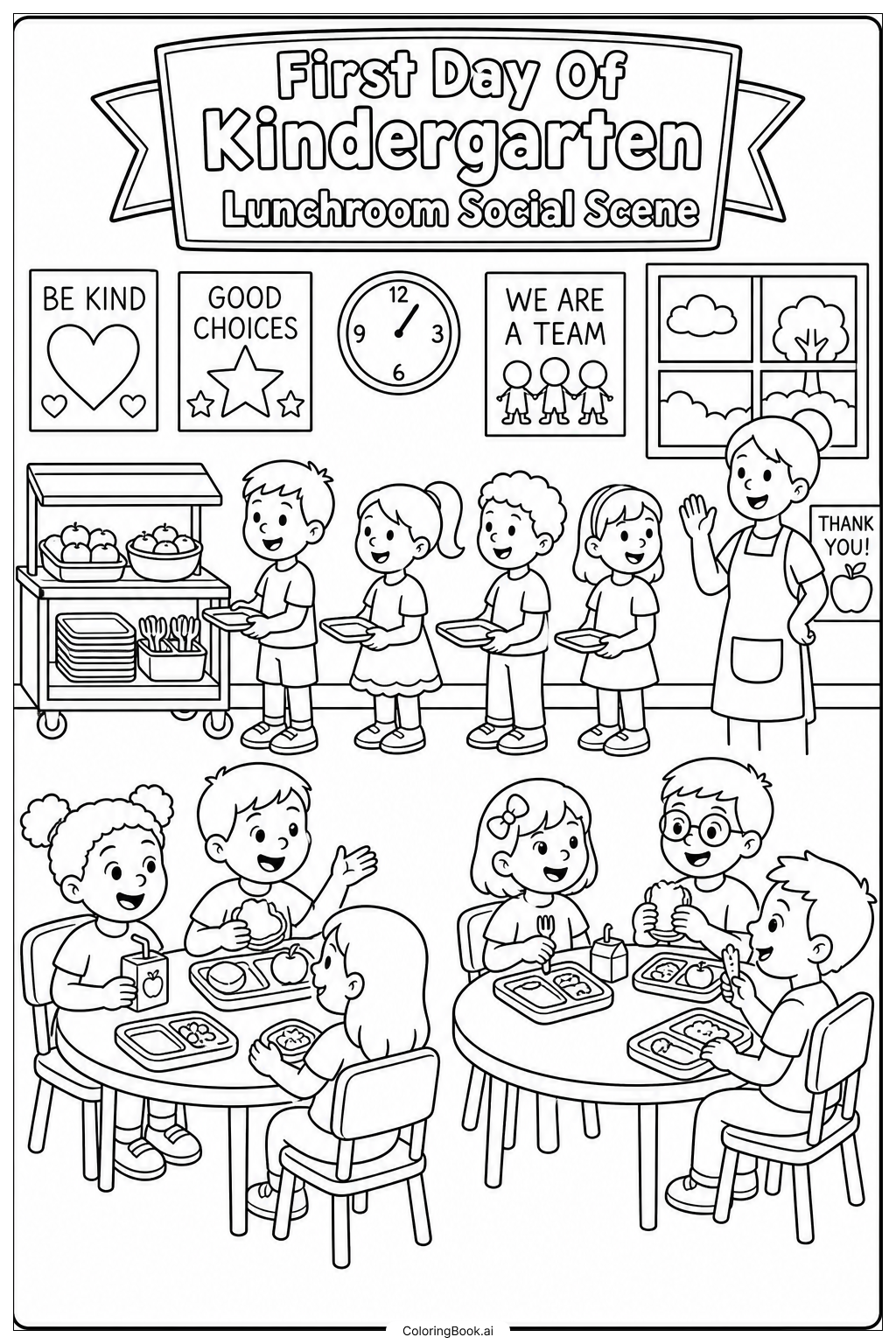
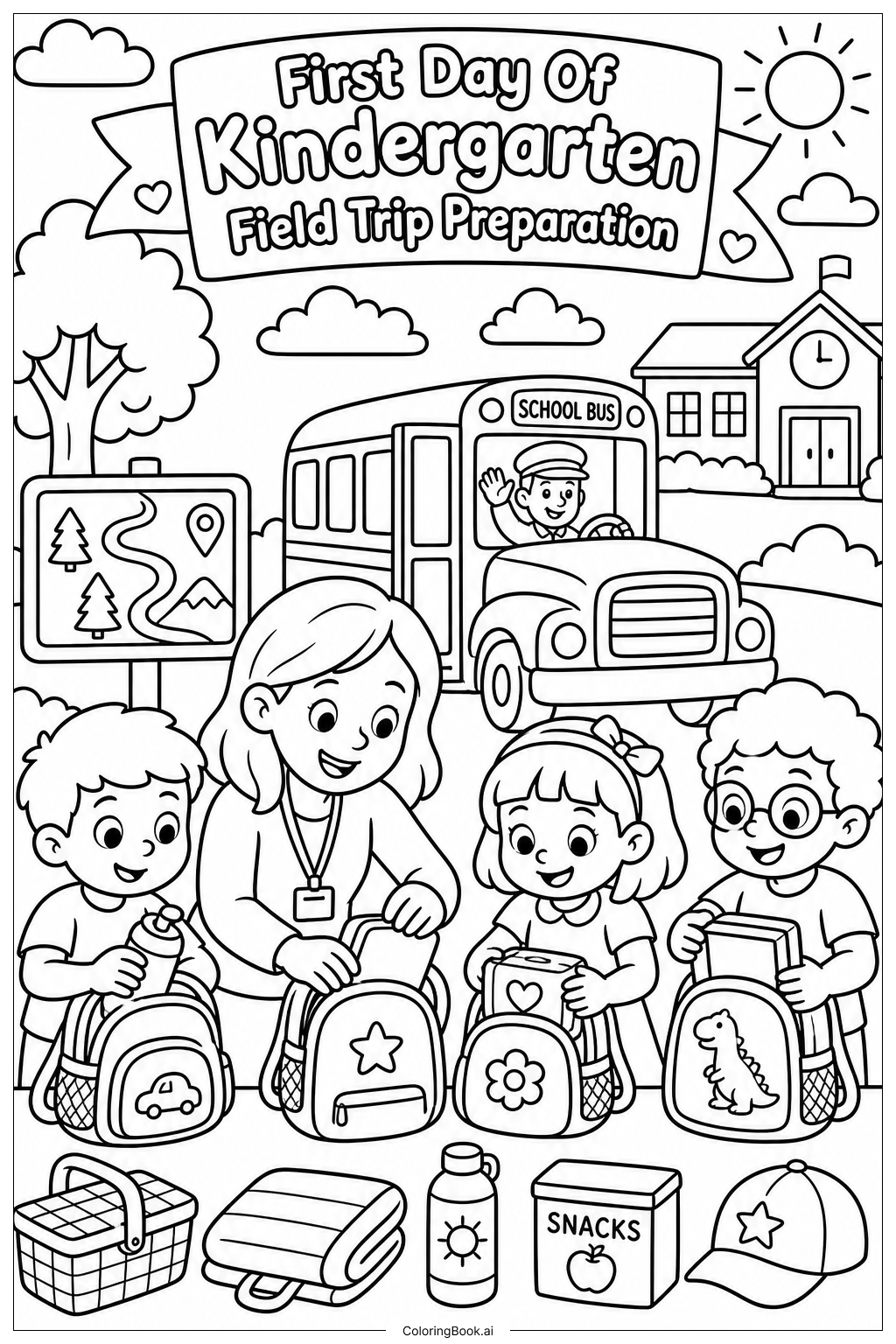
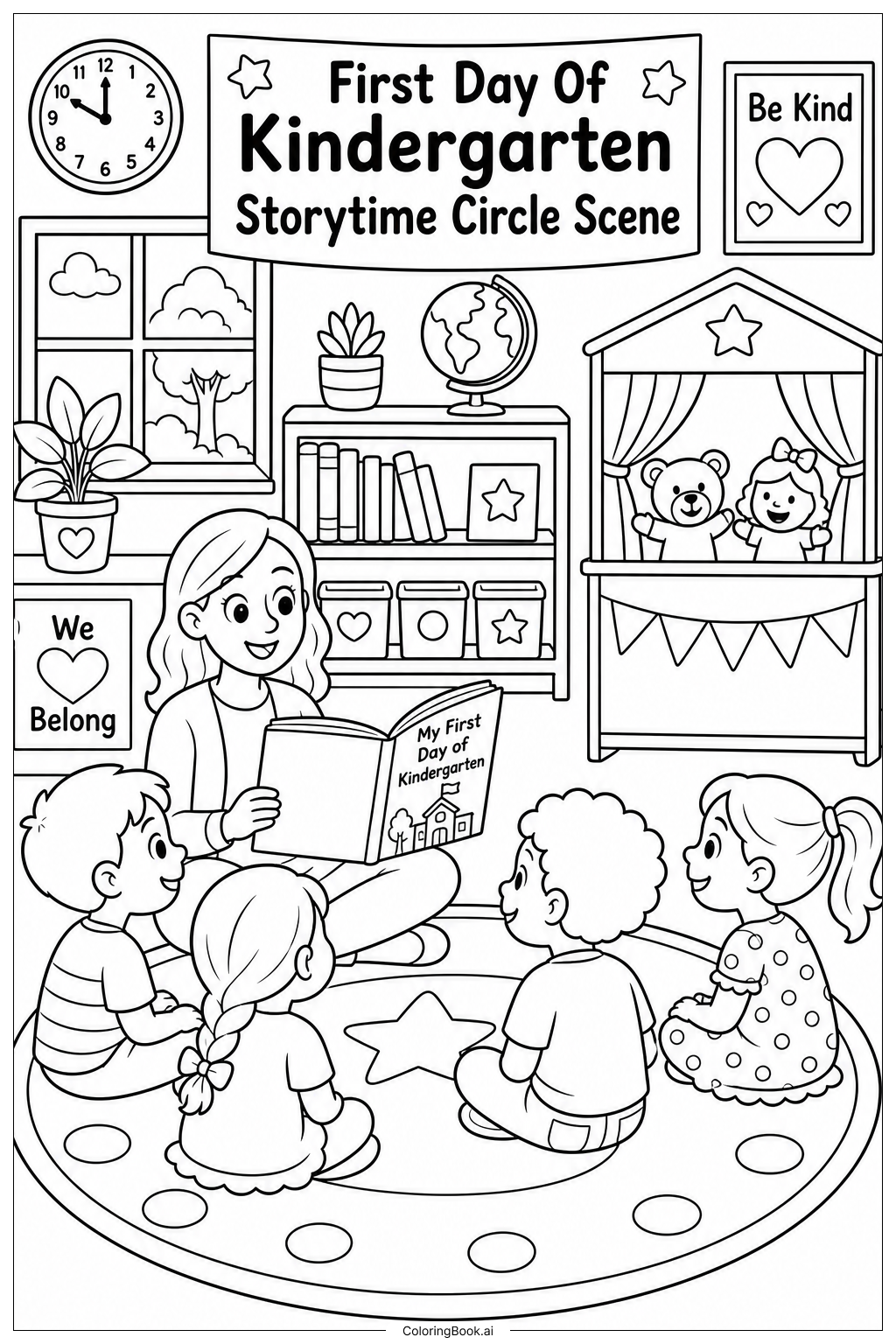
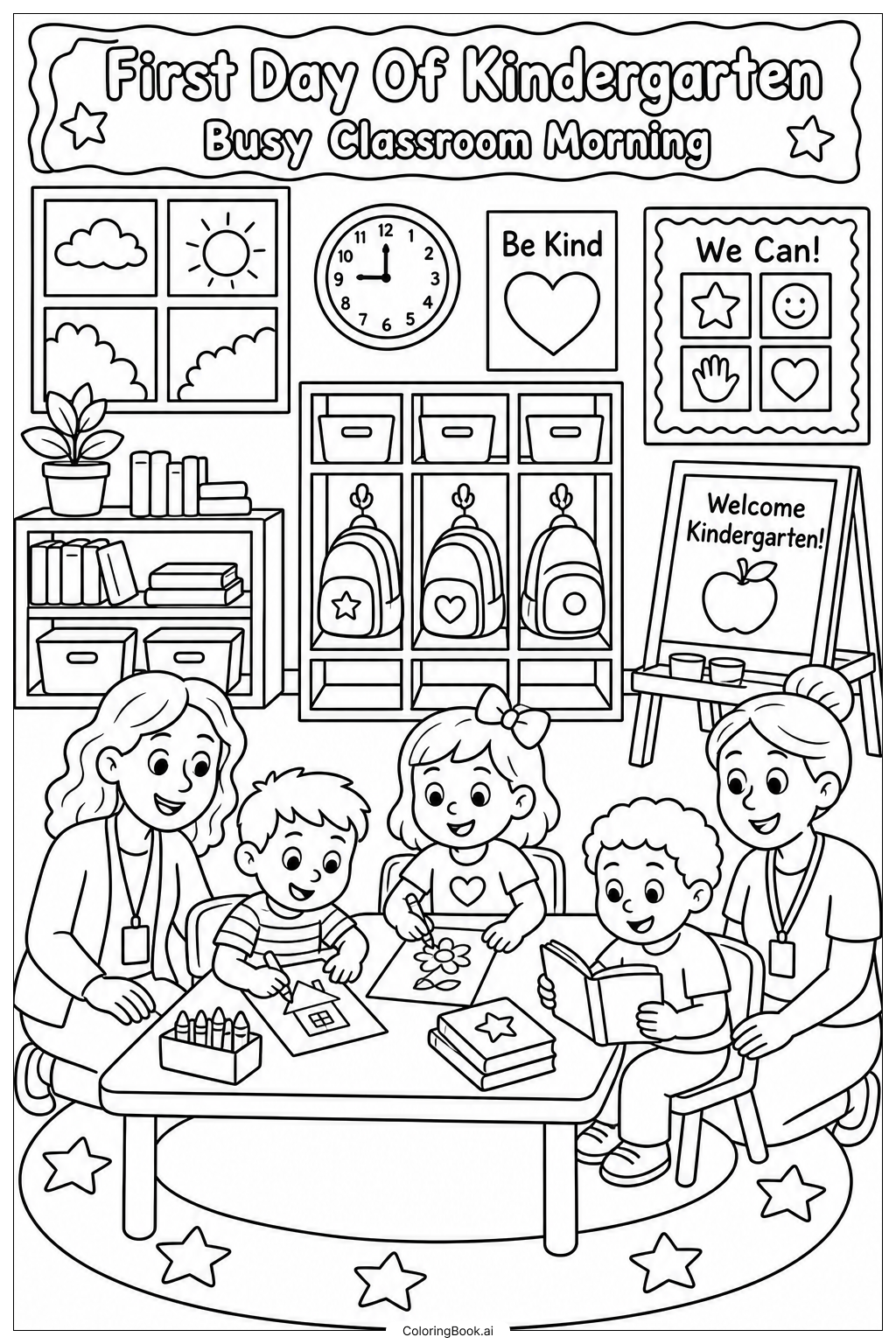
Use bright, cheerful colors to create a welcoming classroom atmosphere. Color the walls in soft pastel shades like light blue, cream, or pale yellow. Make the alphabet chart colorful with each letter in a different rainbow color. Give each child unique clothing colors and different hair shades to show diversity. Use warm skin tones varying from peach to brown. Color the teacher's outfit in friendly, professional colors like navy, burgundy, or forest green. Make the backpacks vibrant in reds, blues, greens, and purples. Use natural wood tones for furniture and shelves. Add bright primary colors to toys and learning materials. Color books with varied spine colors to show a well-stocked library. Use warm yellows and oranges for lighting effects to create a cozy morning glow throughout the classroom.
Coloring challenges: Which parts are difficult to color and need attention for Busy Classroom Morning coloring page?
• Multiple Small Figures: This page contains several children and requires careful color coordination to distinguish each character. Young colorists may find it challenging to stay within the lines of smaller faces and hands, and choosing different outfits for each child requires planning to avoid repetitive color schemes.
• Detailed Background Elements: The classroom setting includes many small objects like books, alphabet letters, storage cubbies, posters, and school supplies. These tiny details demand precision and patience, especially when coloring thin lines on alphabet charts or individual book spines on shelves.
• Overlapping Elements: Children seated at tables with supplies, furniture arrangements, and wall decorations create overlapping spaces. Distinguishing where one object ends and another begins requires careful observation and may challenge younger colorists who are still developing spatial awareness skills.
• Facial Expressions and Features: Each child has distinct facial features and expressions that need subtle coloring to convey emotions. Coloring eyes, mouths, and expressions realistically while keeping them child-friendly requires a gentle touch and understanding of how colors affect mood portrayal.
• Consistent Lighting and Depth: Creating a cohesive classroom scene means thinking about how morning light affects different areas. Maintaining consistent color values throughout while suggesting depth through shading choices can be complex for beginners still learning about color relationships and spatial representation.
Benefits of coloring books: Advantages of drawing Busy Classroom Morning coloring page
Coloring this First Day Of Kindergarten scene helps children process their own school experiences and emotions. It provides a safe way to explore feelings about starting school, whether excitement or nervousness. The busy classroom setting improves observation skills as children notice and color multiple details. Working with many small elements enhances fine motor control and hand-eye coordination essential for writing. Choosing colors for diverse characters promotes understanding of differences and inclusion. The detailed background develops focus and concentration as children work through complex sections. Completing this intricate page builds confidence and patience. The familiar school setting creates opportunities for conversations about routines, friendship, and learning. This coloring page transforms potentially anxious first-day feelings into a creative, calming activity while celebrating the important milestone of beginning school.