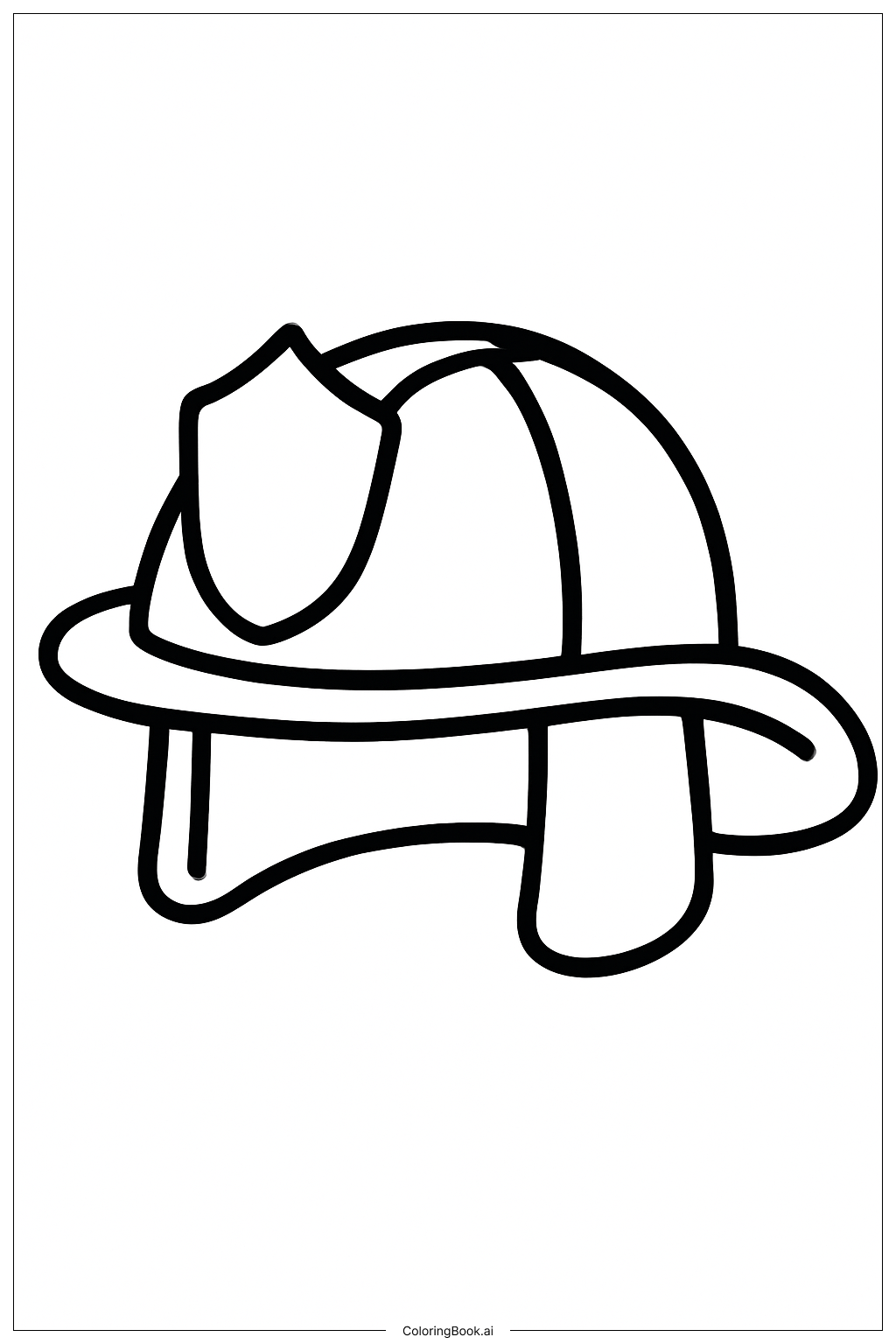
Coloring tips: How to color Basic Fire Safety Helmet coloring page well?
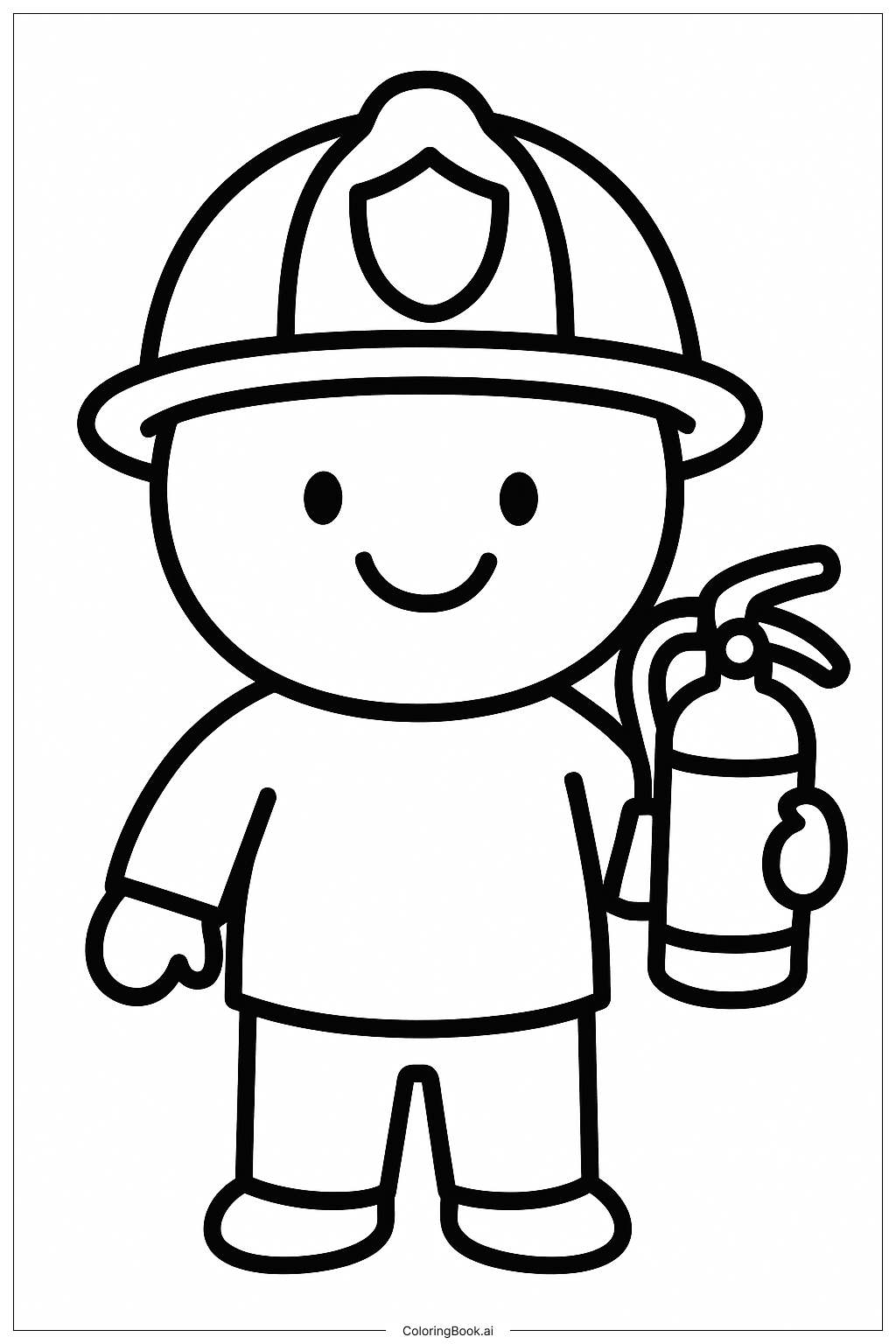
Start with the main body of the helmet. Traditional fire helmets are often bright red or yellow, so either color works great. Use a bold, even coat for the large dome shape first. Then move to the brim and front shield. These parts can be a slightly darker shade of the same color to show depth. The chin straps look good in black or dark brown. Try adding a thin line of white or light yellow along the top edge of the helmet to show a shiny highlight. This makes it look more like real, polished gear. Use gray or silver for any metal buckles or clasps. If there is a number or badge on the front, make it stand out with gold or white. Kids can also get creative and choose their own colors, like blue or orange, to design their very own custom firefighter helmet. Take your time and stay inside the lines for a clean, professional look.
Coloring challenges: Which parts are difficult to color and need attention for Basic Fire Safety Helmet coloring page?
• Large Dome Surface: The wide, curved top of the helmet covers a big area. Keeping the color smooth and even across such a large curved surface can be tricky. Pressing too hard in one spot makes it look patchy. Try using light, circular strokes to fill it in gradually and blend the color smoothly from one section to the next.
• Brim Shading: The brim wraps around the helmet at an angle, which means parts of it catch light while other parts sit in shadow. Adding a slightly darker tone to the underside of the brim helps it look three-dimensional and realistic. This kind of shading takes patience and a steady hand.
• Front Shield Details: The shield on the front of the helmet often has small text, numbers, or decorative lines. These tiny details are easy to smudge if you are not careful. Use a sharp pencil or a fine-tipped marker to stay precise within these small areas.
• Chin Strap and Buckles: The chin strap is narrow and made up of thin lines and small hardware pieces like buckles and clips. Coloring inside such tight, narrow spaces without going over the edges requires control. Thin markers or the very tip of a colored pencil work best here.
• Highlight and Gloss Effect: A real fire helmet has a shiny surface that reflects light. Showing this gloss effect with colored pencils or crayons is one of the harder challenges. Leave a small area near the top of the dome uncolored, or lightly shade it in white, to suggest the shine and make the helmet look more lifelike.
Benefits of coloring books: Advantages of drawing Basic Fire Safety Helmet coloring page
Coloring this fire safety helmet page is a fun and rewarding activity for kids and adults alike. For young children, it builds fine motor skills as they practice staying inside the lines and controlling their coloring tools. Handling crayons, markers, or colored pencils helps develop the hand strength and coordination needed for writing and other daily tasks.
Beyond the physical benefits, this page also sparks curiosity about fire safety. As kids color the helmet, they naturally start asking questions about firefighters, what they do, and how they stay safe. This creates a great opening for parents and teachers to share important fire safety lessons in a relaxed and engaging way.
Choosing colors and deciding how to shade the helmet also encourages creative thinking and self-expression. There is no single right answer, so kids feel free to explore and make choices on their own, building confidence along the way.
For older kids and adults, the detailed surface and small accents offer a calming, focused activity that helps reduce stress. Concentrating on a single image brings a sense of mindfulness, similar to meditation. Finishing the page also gives a satisfying sense of accomplishment. Overall, this coloring page combines creativity, learning, and relaxation all in one.