Coloring tips: How to color Single Oak Leaf Fall Leaves coloring page well?
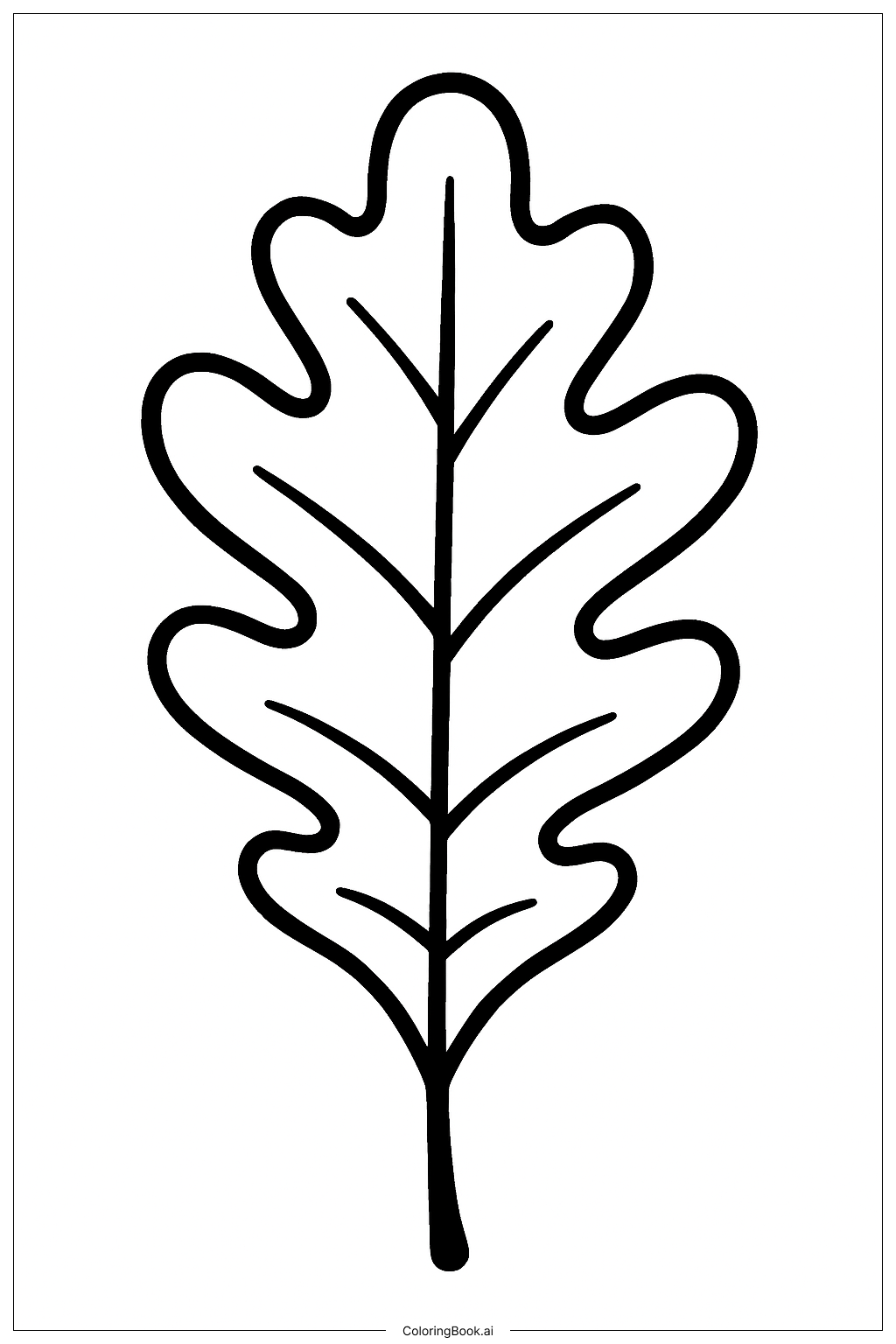
To color this oak leaf, start with warm fall colors like orange, red, yellow, and brown. You can use a single color or blend several to create a gradient effect. Try coloring the main part of the leaf with a bright orange or deep red and add shading by using darker shades near the veins. Experiment with coloring each lobe in different fall colors to make the leaf look vibrant and lively. Use colored pencils or crayons for smoother color transitions. Adding small touches of green or yellow near the stem can also make the leaf more realistic.
Coloring challenges: Which parts are difficult to color and need attention for Single Oak Leaf Fall Leaves coloring page?
1. Coloring inside the curved lobes may be tricky for younger children, requiring careful control to stay within the lines. 2. Creating smooth color transitions between different shades of autumn colors could be challenging without blending skills. 3. Coloring the thin veins needs patience and a steady hand to avoid smudging colors outside the lines. 4. Making the leaf look three-dimensional by adding shading and highlights may be difficult for beginners. 5. Balancing vibrant colors while maintaining a natural look requires thoughtful color choices and practice.
Benefits of coloring books: Advantages of drawing Single Oak Leaf Fall Leaves coloring page
Coloring this oak leaf helps children improve their fine motor skills, particularly in controlling pencil or crayon movements. It encourages creativity by allowing them to explore different fall color palettes and blending techniques. The activity also increases awareness of nature by focusing on a common tree leaf seen during autumn. Through shading and coloring veins, children learn about structure and detail, which can enhance observation skills. Overall, this simple yet beautiful leaf design offers a fun and educational coloring experience.