Coloring tips: How to color Layered Forest Fall Leaves coloring page well?
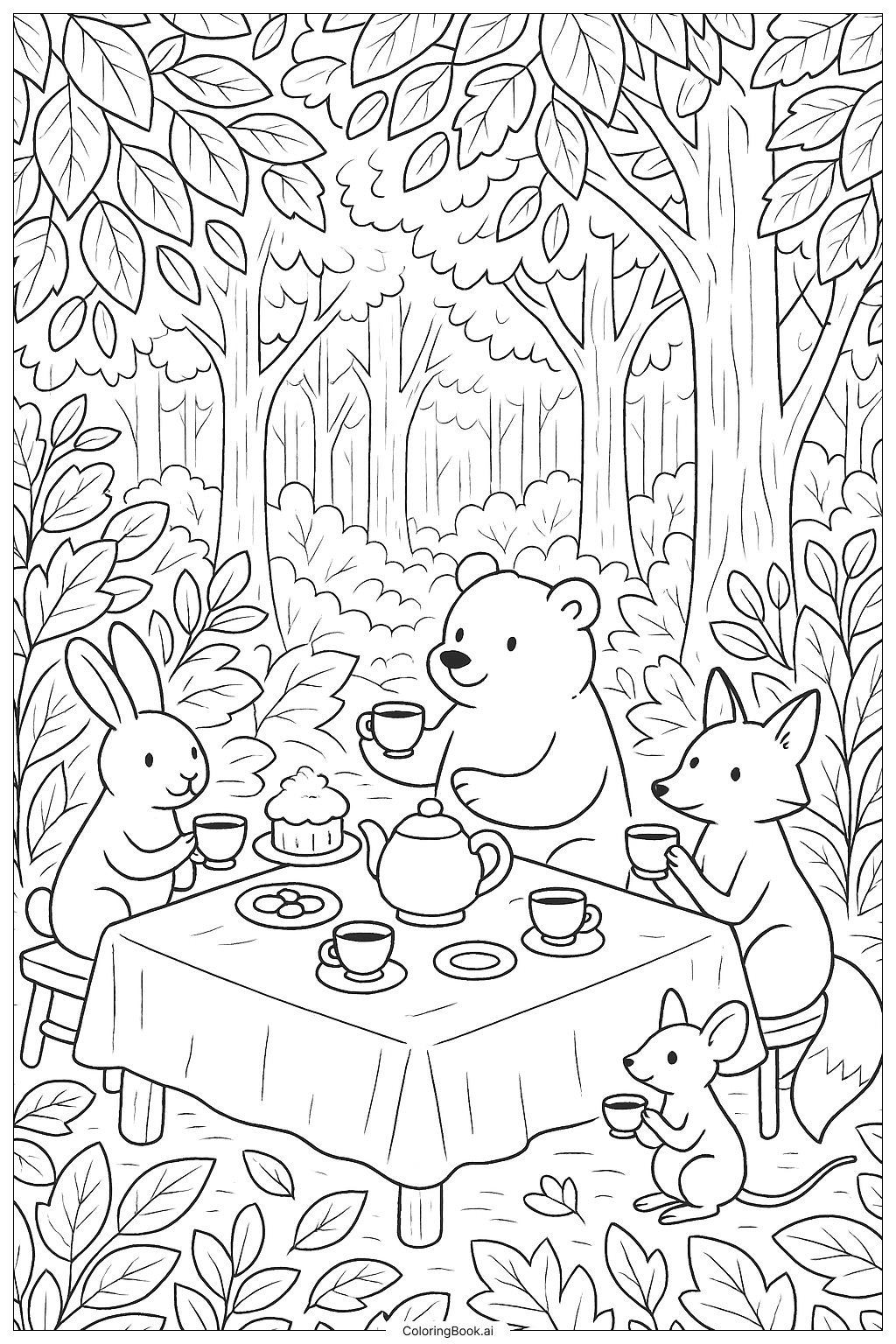
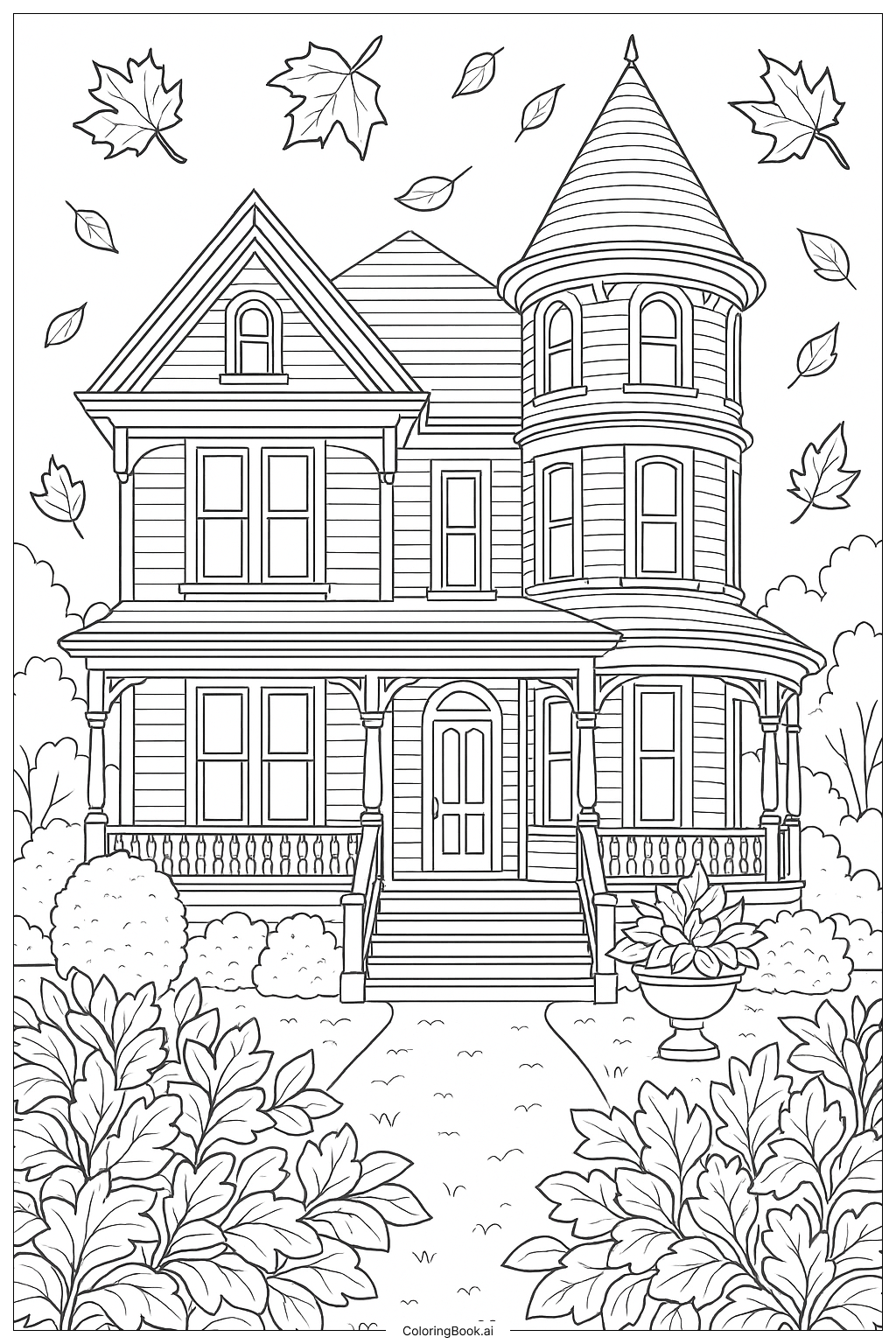
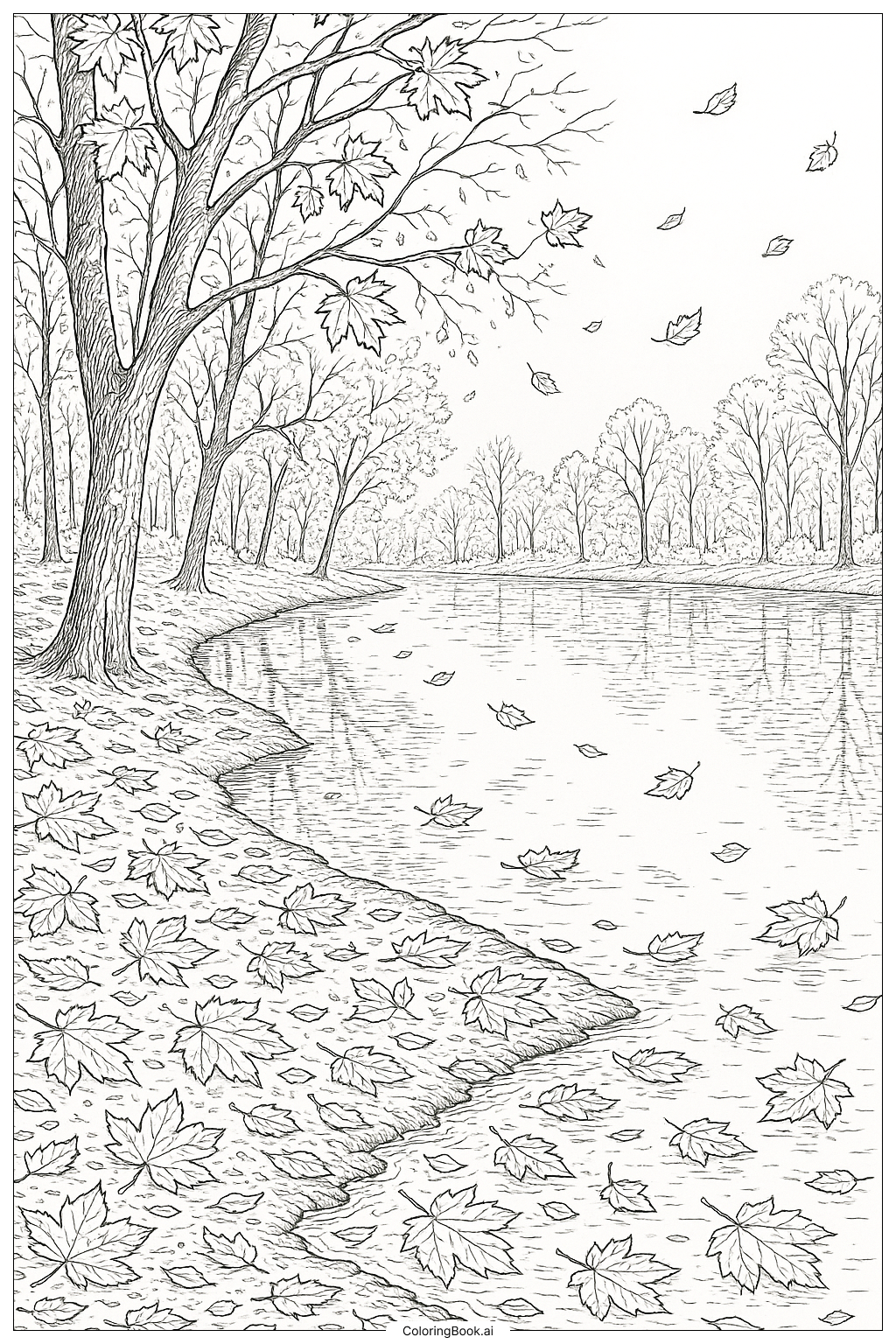
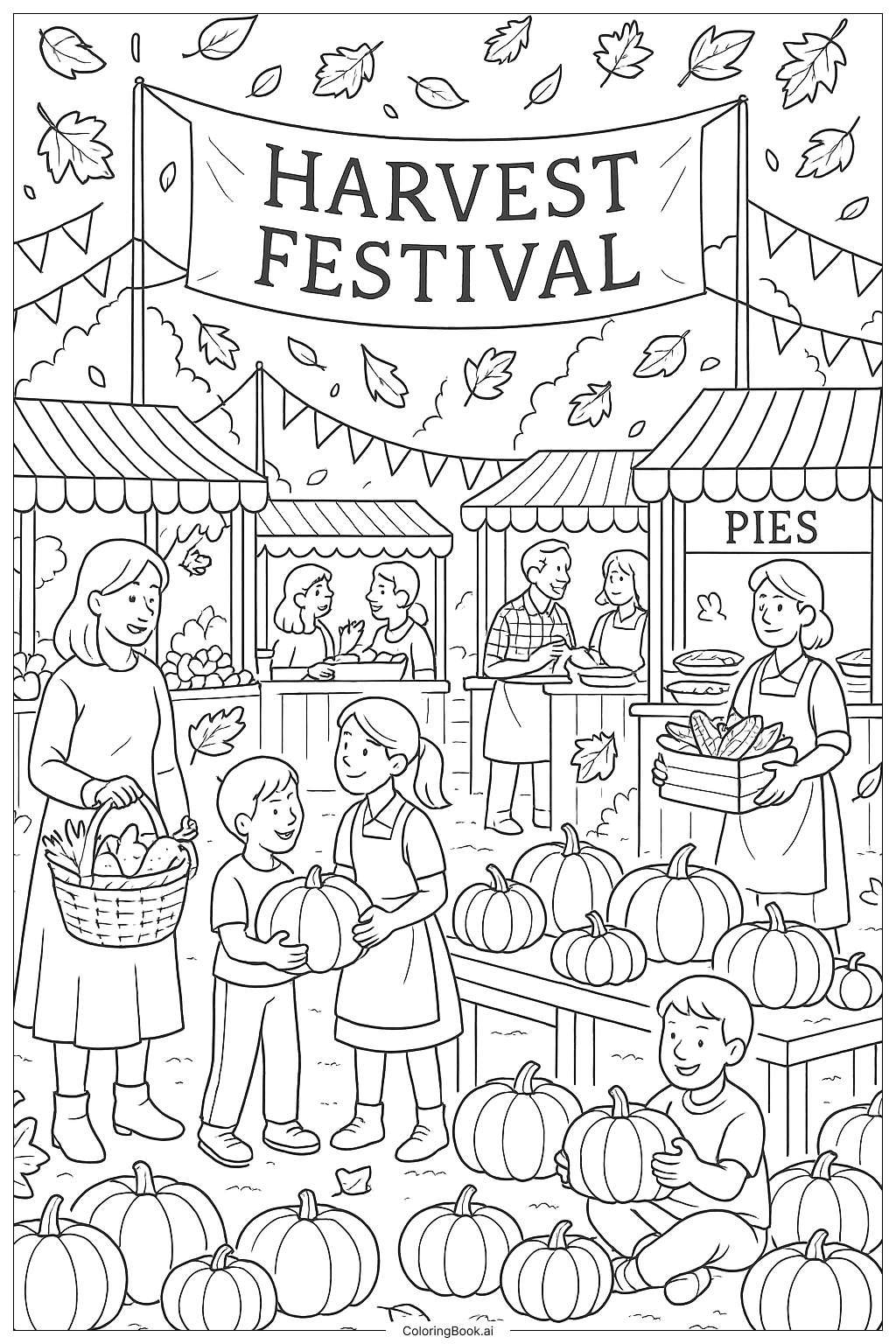
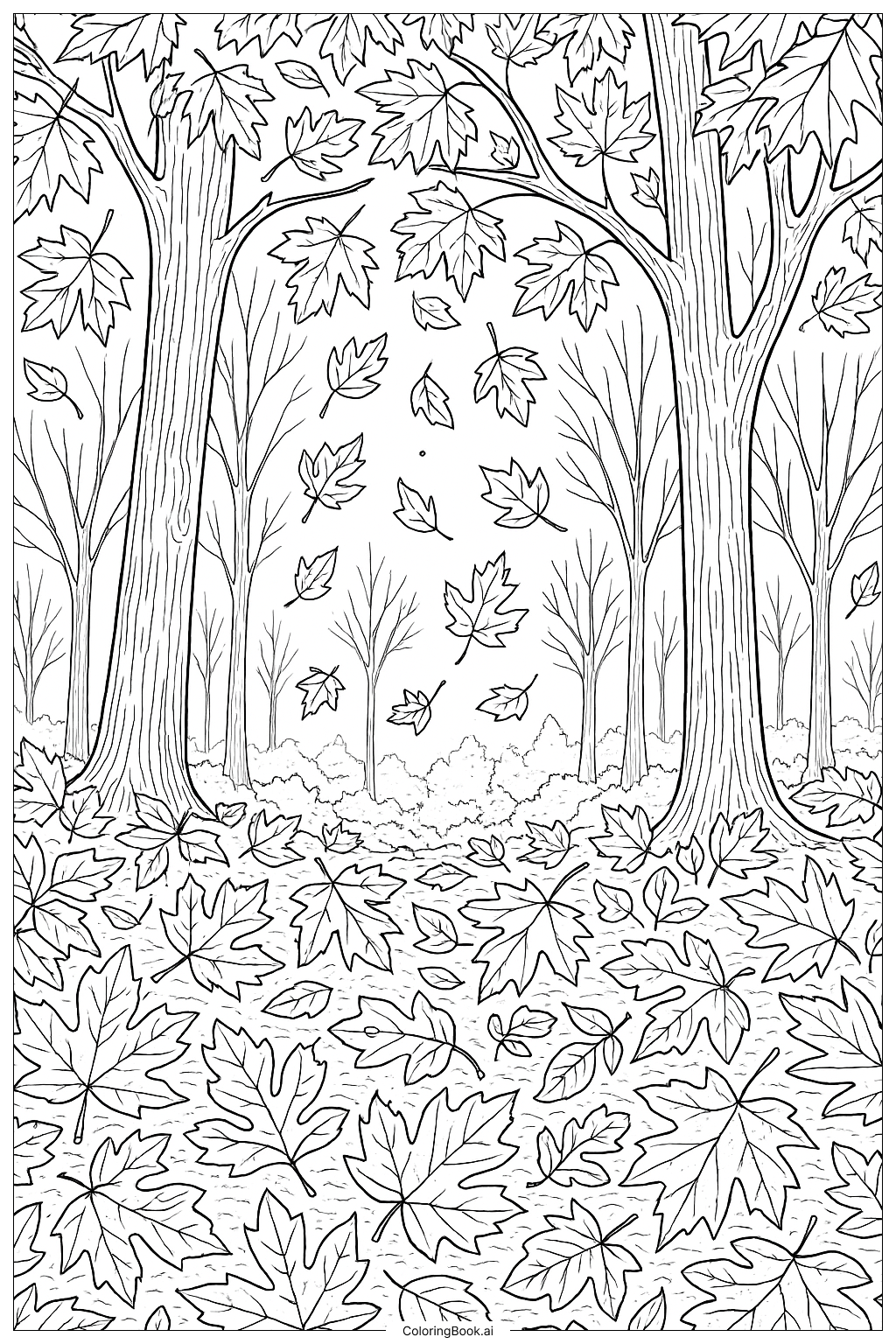
Use warm colors like red, orange, yellow, and brown to color the leaves. Try different shades to show the diversity of fall leaves. For tree trunks, use brown with some darker lines to show texture. The bushes and distant trees can be colored in lighter brown or green shades to create a sense of depth. You can also add some light blue or gray in the background sky to contrast with the warm leaves. Be careful with the small leaves falling in the middle; use bright colors to make them stand out. Try blending colors gently to show the soft feeling of autumn.
Coloring challenges: Which parts are difficult to color and need attention for Layered Forest Fall Leaves coloring page?
1. Many leaves of different sizes and shapes can be hard to color neatly. It requires patience to stay inside the lines. 2. Coloring tree trunks needs attention to show the rough texture with lines. 3. The background trees are thin and detailed, so it is tricky to color without making it look messy. 4. Balancing color brightness between fallen leaves and those in the air can be challenging. 5. Keeping the space between leaves and branches clean while coloring needs careful work to avoid coloring outside the lines.
Benefits of coloring books: Advantages of drawing Layered Forest Fall Leaves coloring page
Coloring this forest scene helps improve focus and patience. It encourages children to observe nature and understand the variety of colors found in fall leaves. Coloring different leaf shapes builds fine motor skills and hand control. The exercise also sparks creativity as children choose colors and decide how to blend them. Completing this image gives a sense of accomplishment and joy, making coloring fun and rewarding.