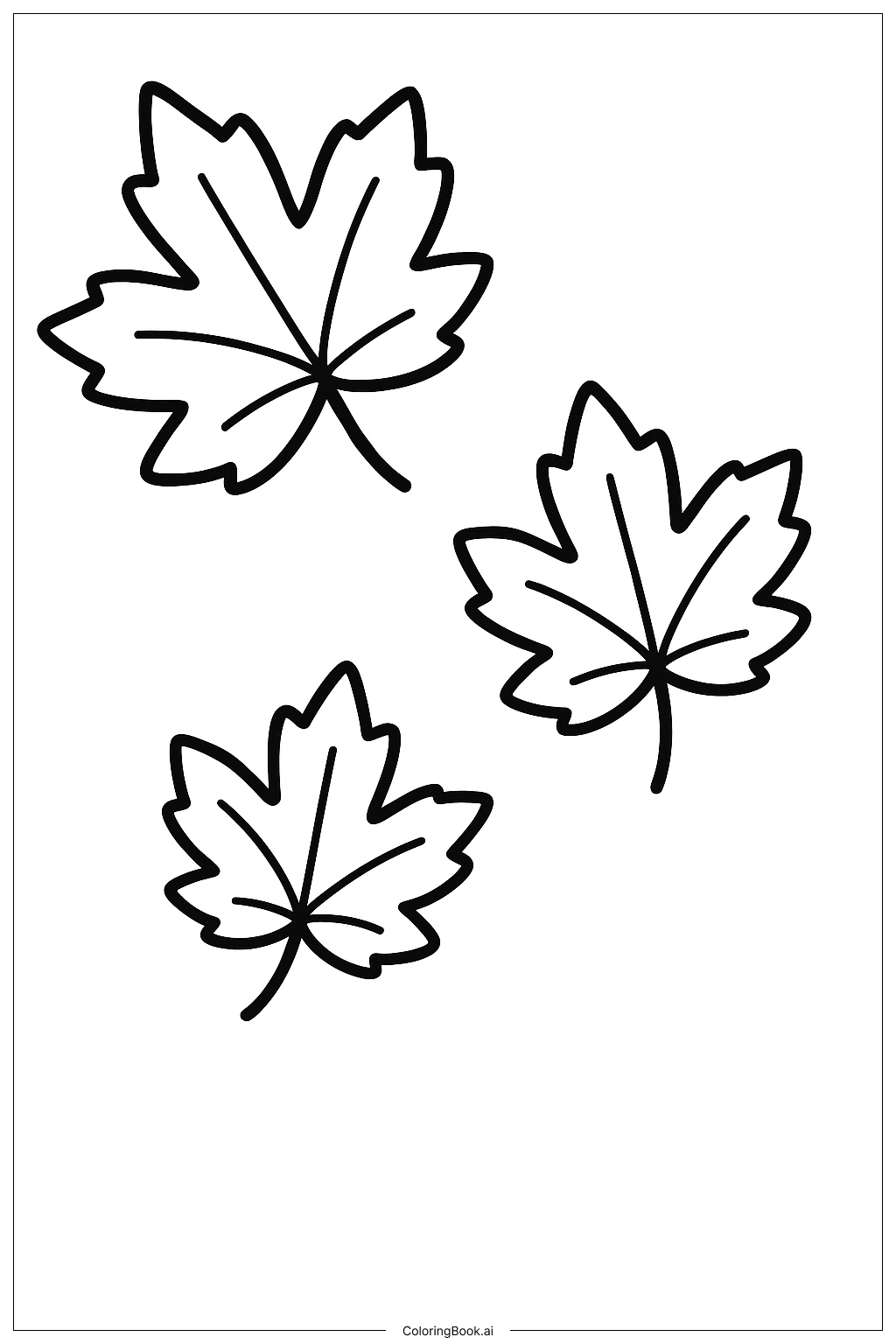
Coloring tips: How to color Falling Leaf Trail Fall Leaves coloring page well?
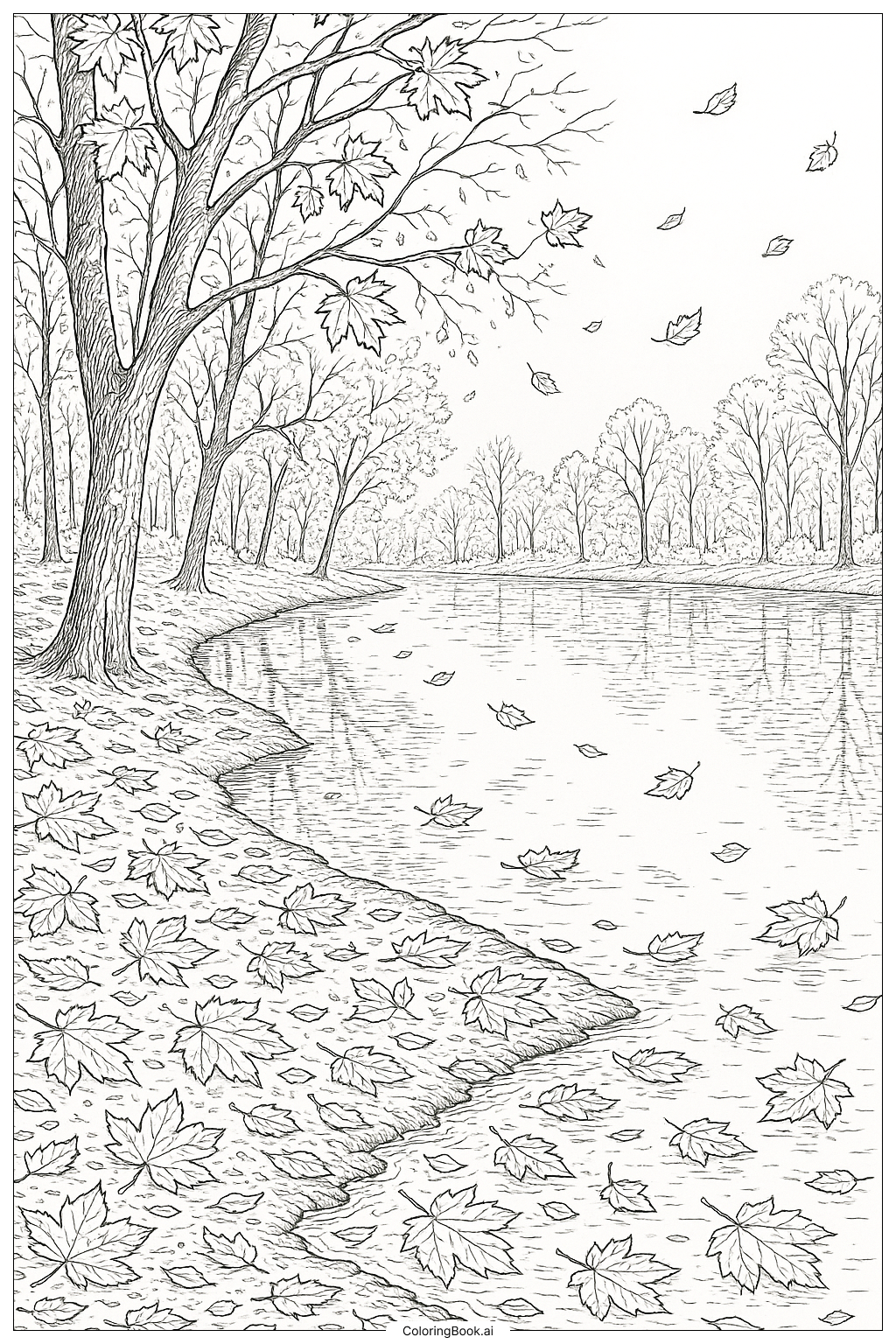
Use warm and vibrant colors like red, orange, yellow, and brown to bring the leaves to life, reflecting the natural hues of fall. You can start by coloring the entire leaf with one base color and then add shading along the veins for depth. Try blending different colors, such as red fading into orange or yellow to create a realistic look. Feel free to experiment with patterns, such as dots or stripes, to make your leaves unique and colorful. Remember to color inside the lines carefully to keep the shapes neat and clear.
Coloring challenges: Which parts are difficult to color and need attention for Falling Leaf Trail Fall Leaves coloring page?
1. Staying inside the lines can be tricky, especially around the jagged edges of the maple leaves.
2. Creating smooth color blends along the veins to give a natural shaded effect may require patience and control.
3. Choosing the right colors to show the fall theme without making the leaves look too dark or dull can be challenging.
4. Balancing the color intensity so that all leaves stand out individually but still look harmonious as a group.
5. Making sure the veins are visible after coloring, as very dark or vibrant colors might hide the leaf details.
Benefits of coloring books: Advantages of drawing Falling Leaf Trail Fall Leaves coloring page
Coloring this falling leaf page helps children improve their fine motor skills by controlling coloring tools around the leaf edges. It encourages creativity by letting them explore different color combinations to represent autumn's vibrant palette. The activity also boosts focus and patience, particularly when blending colors or coloring small areas neatly. Moreover, it introduces young artists to natural shapes and patterns, increasing their observation skills and appreciation for nature’s beauty during the fall season.