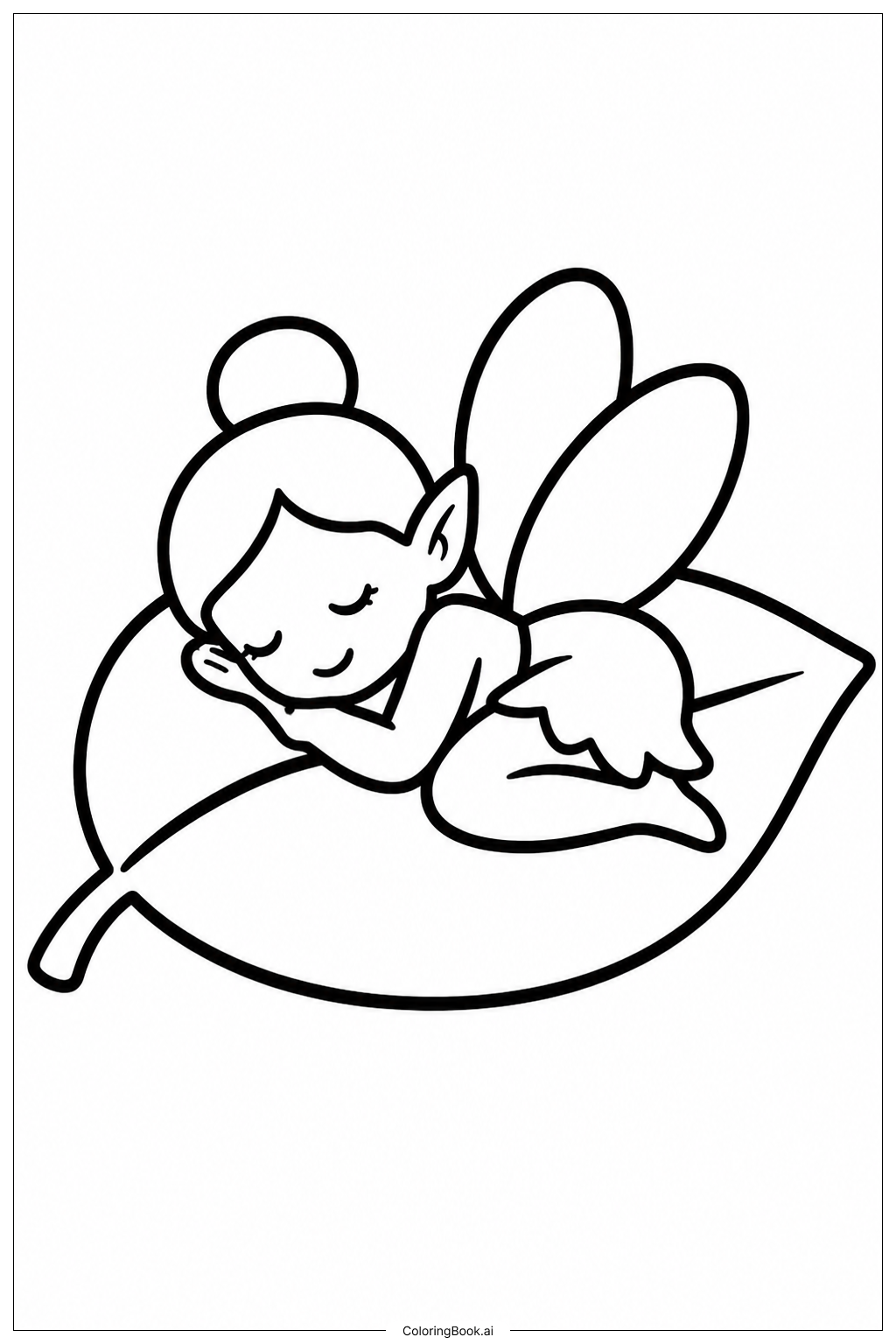
Coloring tips: How to color Sleeping Fairy On Leaf coloring page well?
Start with the fairy's skin using soft peach or warm ivory tones to give her a gentle, glowing look. Use pastel pink or lavender for her dress to keep the dreamy mood. Her wings can be colored with light blues, soft purples, or shimmery white to make them look translucent and magical. For her hair, try golden yellow, warm brown, or even a fantasy shade like mint green or rose. Color the leaf in fresh greens, using darker shades along the veins to add depth. The surrounding flowers can be any colors you love — pinks, yellows, and oranges all work beautifully. Use light blue or silver for dewdrops. To make the scene feel magical, blend colors softly and avoid harsh outlines. Colored pencils or watercolors work especially well for this image. Feel free to add a starry or moonlit background to set a peaceful nighttime mood.
Coloring challenges: Which parts are difficult to color and need attention for Sleeping Fairy On Leaf coloring page?
• Fairy Wing Details: The fairy's wings contain very fine lines and delicate patterns. Staying within these small sections without smudging or going over the lines requires a sharp pencil or a fine-tipped tool. Achieving a translucent, glowing effect on the wings also takes patience and careful color layering.
• Leaf Vein Texture: The large leaf is filled with many thin, branching veins. Coloring around each vein neatly while creating a natural gradient from light to dark green is tricky. Using too much pressure in one area can flatten the texture and make the leaf look flat instead of realistic.
• Fairy's Hair and Face: The flowing hair has many fine strands that curve around the fairy's face. Coloring each strand individually while keeping the overall shape smooth is a challenge. The tiny facial features, such as closed eyes and a small mouth, require very precise work with a fine tool to avoid losing the detail.
• Tiny Surrounding Elements: The small flowers, curling vines, and dewdrops around the fairy are packed close together. Each element has its own shape and detail, so careful attention is needed to color each one separately without letting colors bleed into neighboring areas.
• Blending for a Dreamy Mood: This image calls for soft, blended colors rather than flat fills. Achieving smooth gradients and gentle color transitions throughout the whole scene — especially on the fairy's dress and skin — takes skill and the right tools, such as blending stumps or water brushes.
Benefits of coloring books: Advantages of drawing Sleeping Fairy On Leaf coloring page
Coloring this sleeping fairy image offers many wonderful benefits for kids and adults alike. For younger children, it helps develop fine motor skills and hand-eye coordination as they carefully color small details like the fairy's wings and the leaf veins. It also encourages creativity by letting them choose their own color combinations to build a magical world.
For older kids and teens, this image is a great way to practice shading, blending, and color theory in a fun and low-pressure setting. Experimenting with light and shadow on the leaf or the fairy's dress builds real artistic confidence.
For adults, spending time with this peaceful, nature-inspired scene is a wonderful way to relax and unwind. The repetitive, focused nature of coloring is known to reduce stress and promote mindfulness, helping the mind slow down and stay in the present moment.
The fairy theme also sparks imagination and storytelling. Kids may find themselves inventing stories about where the fairy came from or what she is dreaming about. This kind of imaginative thinking supports emotional development and language skills.
Overall, this image is a calming, joyful, and enriching activity for anyone who picks up a colored pencil or brush.