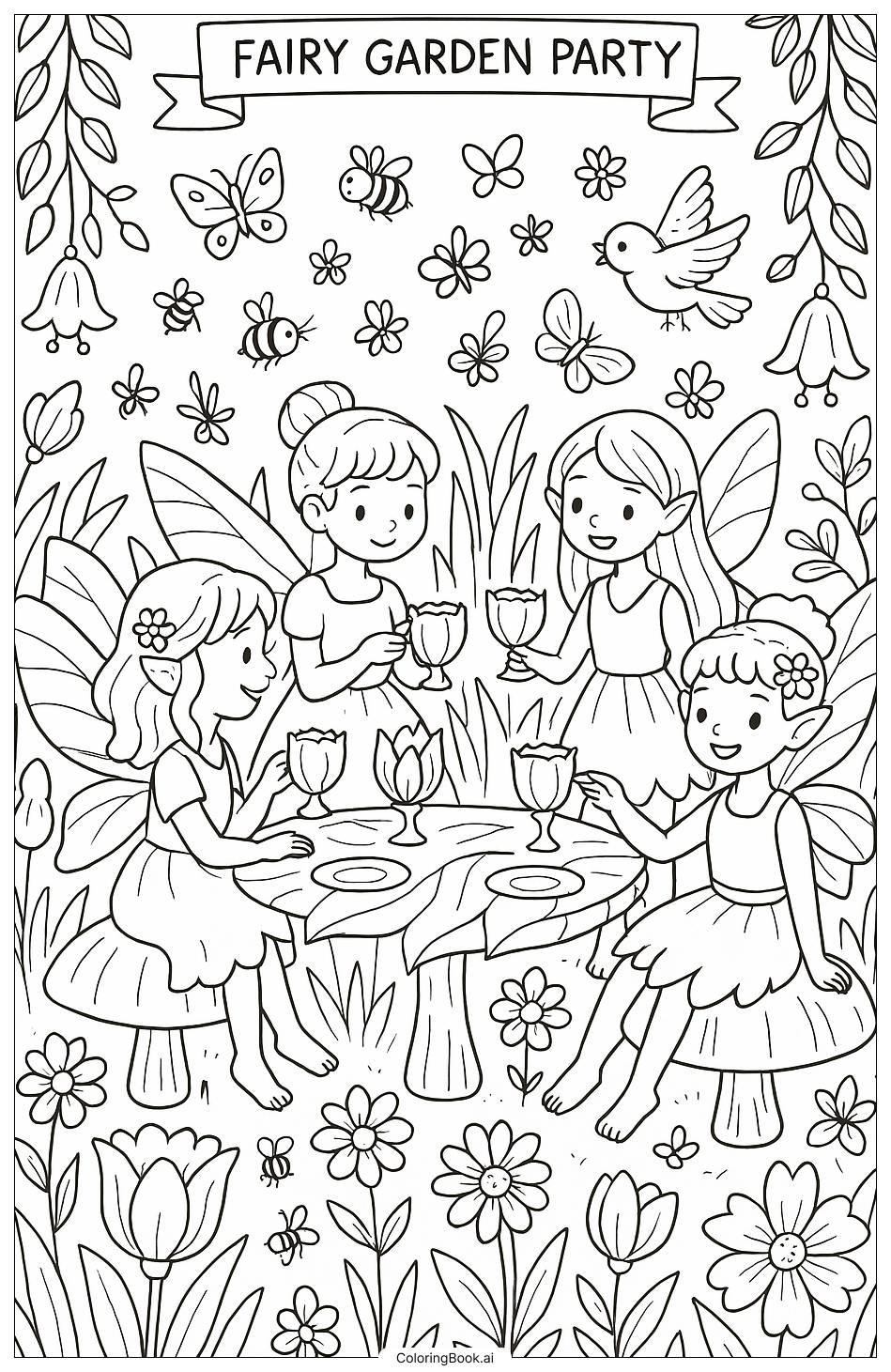
Coloring tips: How to color Fairy With Pet Frog coloring page well?
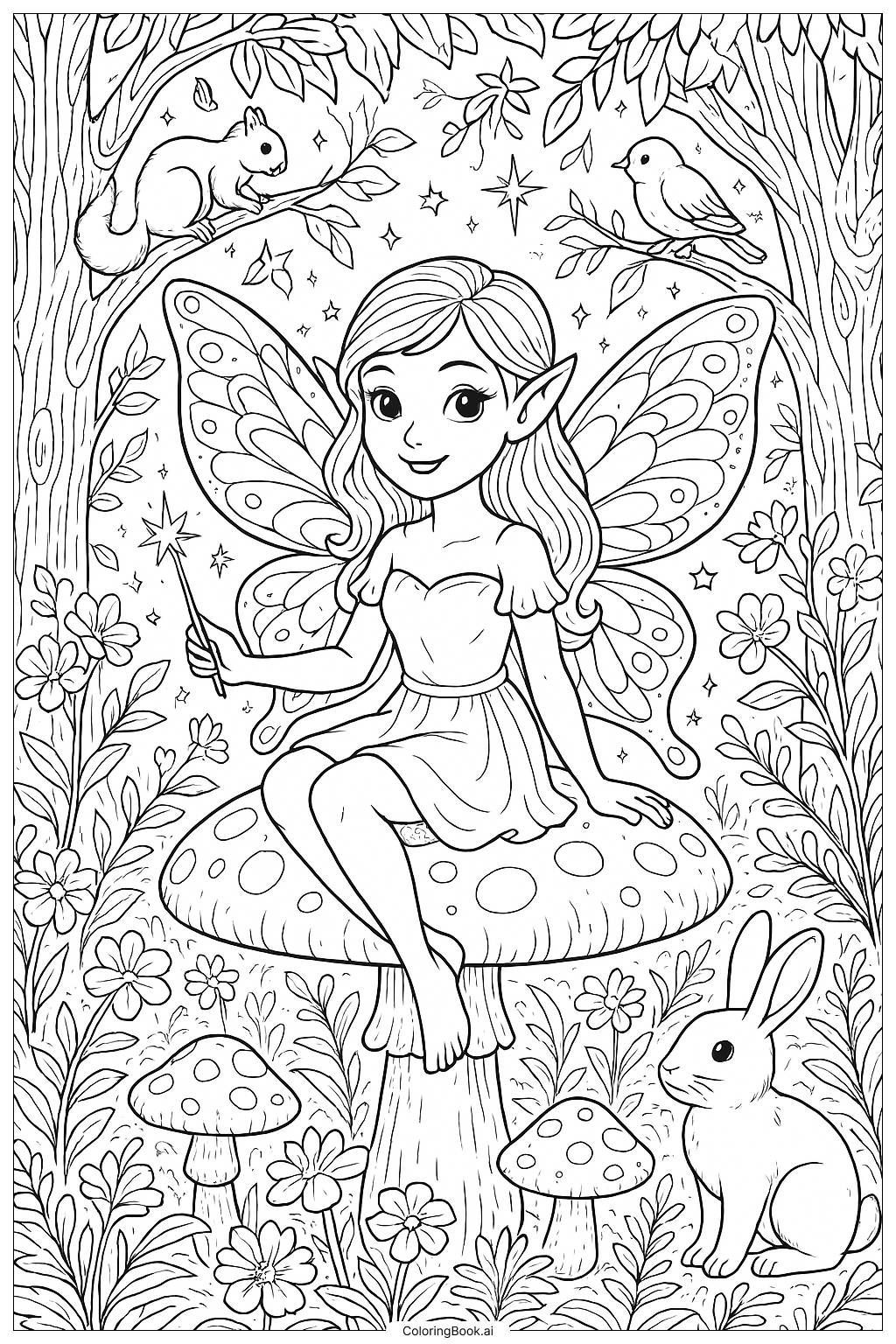
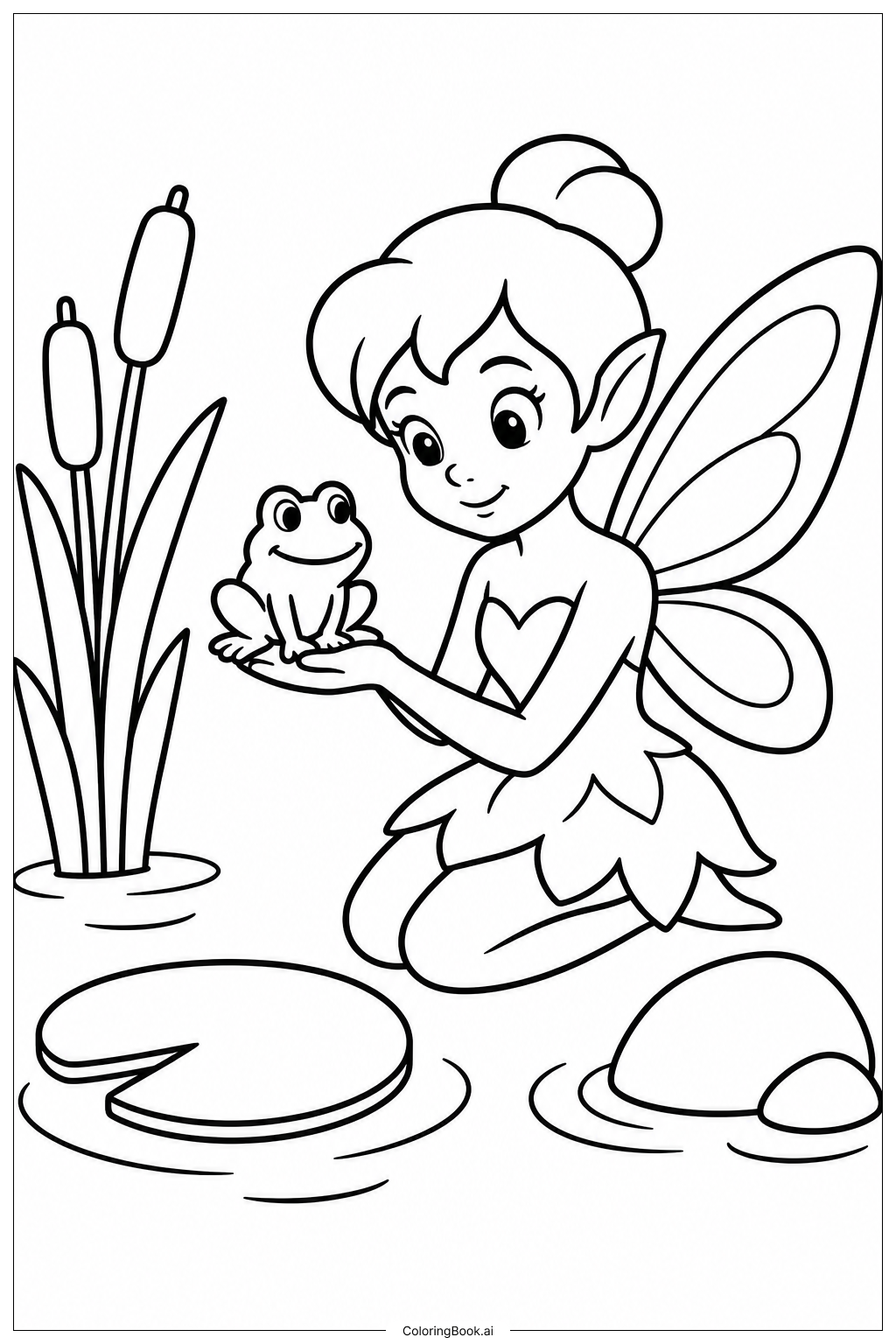
Start with the fairy's skin using a soft peach or light tan shade to keep her looking warm and friendly. For her dress, try pastel colors like lilac, mint green, or rose pink to give her a magical feel. Her wings look beautiful in sheer shades of light blue, lavender, or pale yellow. Add a touch of shimmer effect by blending two close shades together. Color her hair golden, auburn, or even a fun fantasy color like teal or purple. For the pet frog, bright green with a lighter belly works perfectly. Use a darker green for shading along the frog's back and legs. The background leaves and vines can be colored in various shades of green to add depth. Small flowers can be colored in bright yellows, pinks, or oranges to make the scene pop. Use colored pencils or fine-tip markers for the tiny details on the fairy's dress and wings.
Coloring challenges: Which parts are difficult to color and need attention for Fairy With Pet Frog coloring page?
• Fairy Wings Transparency: The wings often have delicate, lace-like patterns with thin lines and small sections. Staying inside these tiny areas is tricky, especially for younger colorists. Try using fine-tip colored pencils or thin markers to carefully fill each section without bleeding into the outlines. Working slowly and patiently is key here.
• Facial Details: The fairy's face includes small features like eyes, a nose, and a smile. These areas are very small and require a steady hand. Using sharp pencils rather than thick markers will help you color the eyes and lips with more control. Light skin tones also need gentle blending to look natural and smooth.
• Dress and Petal Layers: The fairy's dress is made up of overlapping layers and petal shapes. Each layer may need a slightly different shade to show depth and dimension. Deciding which parts are in shadow and which catch the light can be confusing. Try making the lower layers slightly darker and the top layers lighter to create a realistic layered look.
• Frog Texture and Shading: Frogs have smooth, slightly bumpy skin that reflects light. Getting the frog to look three-dimensional means adding highlights and shadows. Color the top and sides of the frog darker green, and leave the belly area a lighter yellowish green. This gives the frog a rounded, lifelike appearance.
• Background Botanical Elements: The leaves, vines, and flowers surrounding the fairy can feel overwhelming if you are not sure where to start. Use at least three different shades of green for the foliage to avoid a flat look. Space out the bright flower colors evenly so one area does not feel too heavy compared to the rest of the scene.
Benefits of coloring books: Advantages of drawing Fairy With Pet Frog coloring page
Coloring this fairy and frog scene brings many wonderful benefits for kids and beginners alike. First, it helps build fine motor skills. Carefully coloring inside the wings, the tiny dress details, and the frog's small features trains the hands and fingers to move with precision. This is a skill that helps with writing and other daily tasks too.
Second, it encourages creative thinking. Choosing colors for a magical fairy world has no wrong answers. Kids can experiment with fantasy palettes they would never see in real life, building confidence in their own creative choices.
Third, working through a detailed scene like this teaches patience and focus. Finishing each section step by step gives a sense of progress and accomplishment, which boosts self-esteem.
Fourth, coloring can be wonderfully calming. The quiet, repetitive motion of filling in shapes helps reduce stress and anxiety, making it a great after-school or bedtime wind-down activity.
Finally, this image sparks imaginative storytelling. Children often start creating little stories about the fairy and her frog while they color, which supports language development and creative expression. Overall, this page is a fun and enriching activity for any young colorist.