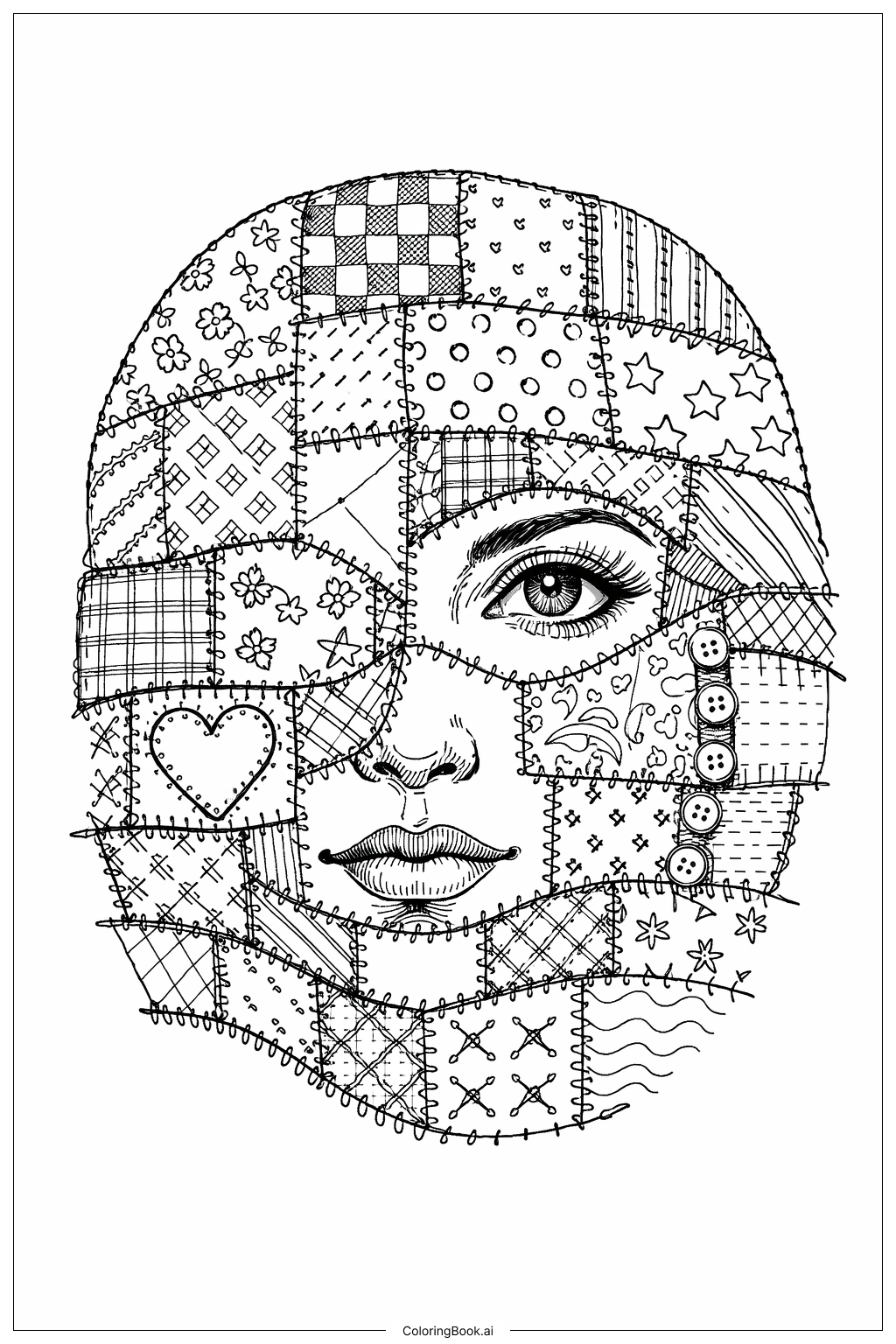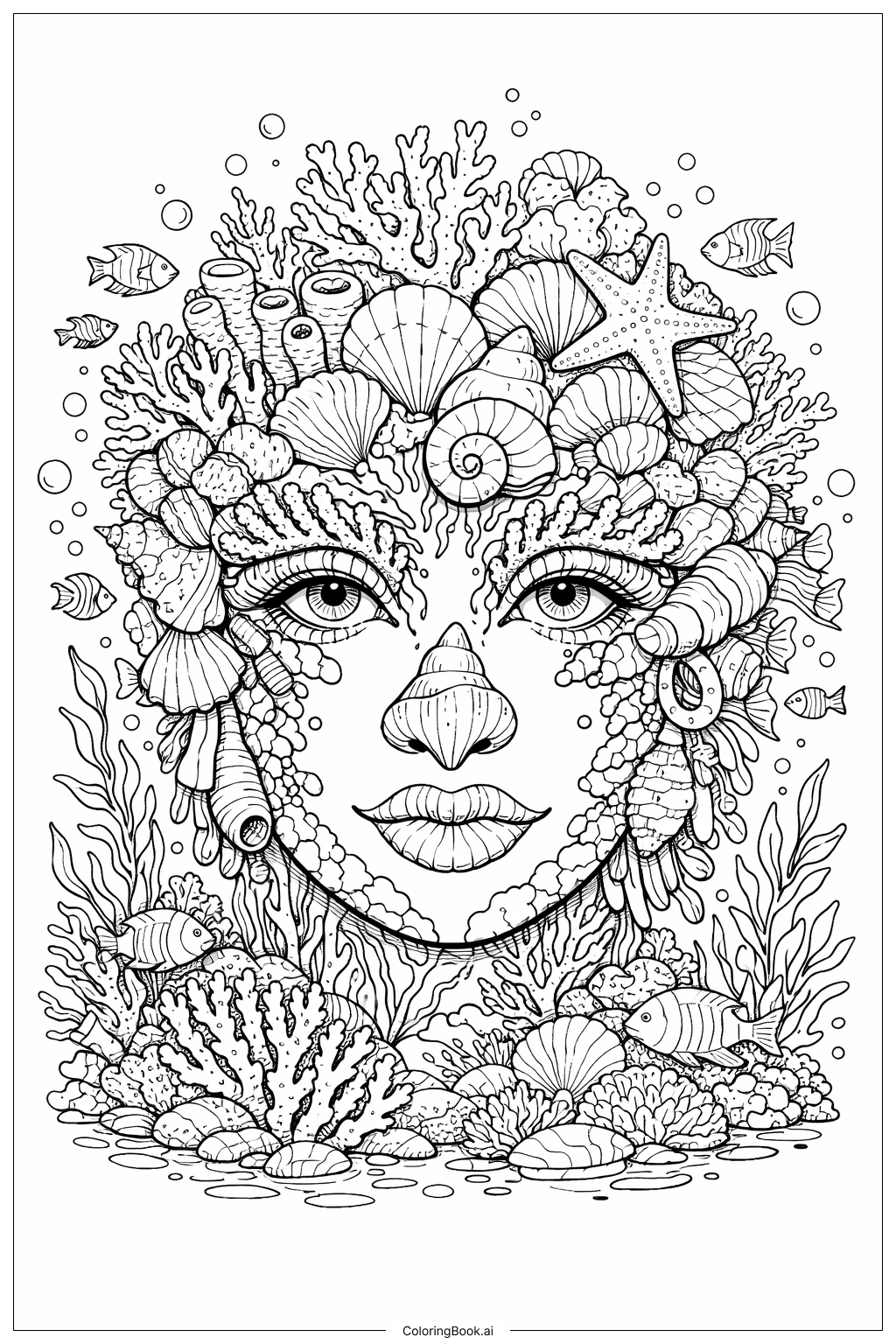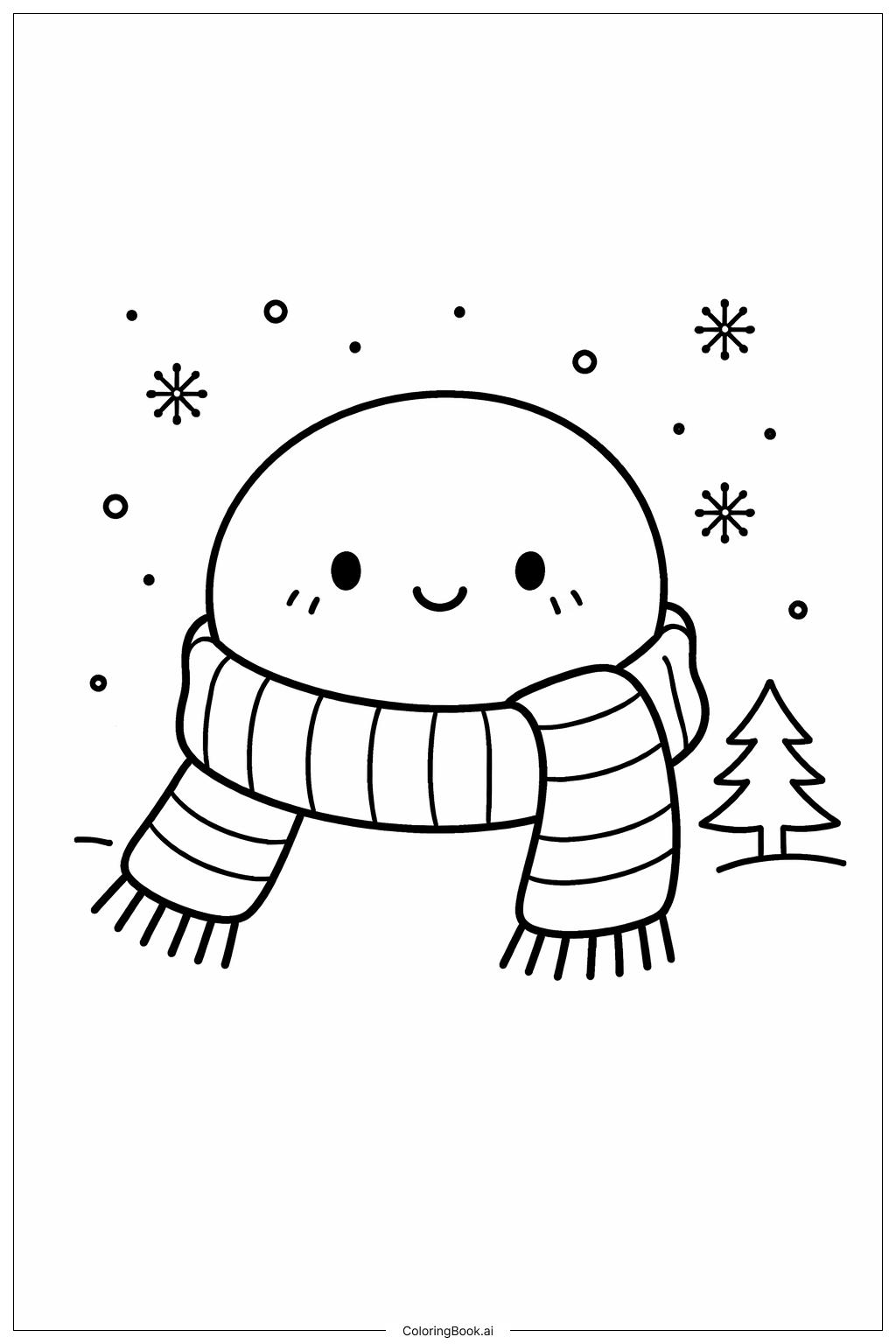
Coloring tips: How to color Face With Scarf coloring page well?
You can color the scarf in warm shades like red, orange, or purple to make it look cozy and bright. Try using different tones for the folds to show the layers of fabric—darker colors in the shadows and lighter colors where the scarf catches light. For the face, use soft skin tones that blend smoothly. Add gentle shading under the eyebrows and around the eyes to bring depth. The hair can be colored in natural shades like brown, black, blonde, or even fun colors like blue or pink to add personality. Don’t forget to color the eyes with shiny highlights to make them stand out. Feel free to use colored pencils or markers for clean edges and fine details.
Coloring challenges: Which parts are difficult to color and need attention for Face With Scarf coloring page?
• Fabric texture: The scarf has many folds and curves which require careful shading to show depth. Coloring these layers smoothly without mixing them up can be tricky. You need to decide where shadows and lights fall to keep the scarf looking realistic. • Facial features: The eyes and eyebrows are delicate and small details that require precision. Coloring inside the fine lines without going outside can be challenging for younger kids. • Hair strands: The hair peeking out requires gradual blending of colors to look natural, which might be difficult without practice. • Balancing colors: Choosing colors that work well together for both the face and scarf to avoid clashing can be confusing. This demands planning beforehand. • Contrast: Making sure the scarf contrasts well with the face so each element stands out and the image does not look flat is a subtle but important challenge.
Benefits of coloring books: Advantages of drawing Face With Scarf coloring page
Coloring this image helps improve fine motor skills, especially with the small areas in the face and folds of the scarf. It develops focus and patience because it requires careful shading and layering of colors. The image also encourages creativity by letting you choose colors for both the warm scarf and natural face tones. This practice boosts understanding of light and shadow, improving artistic skills. For children, it’s a fun way to learn about different textures like soft fabric and skin. Overall, coloring this Face With Scarf image supports artistic growth and relaxation while engaging the imagination.