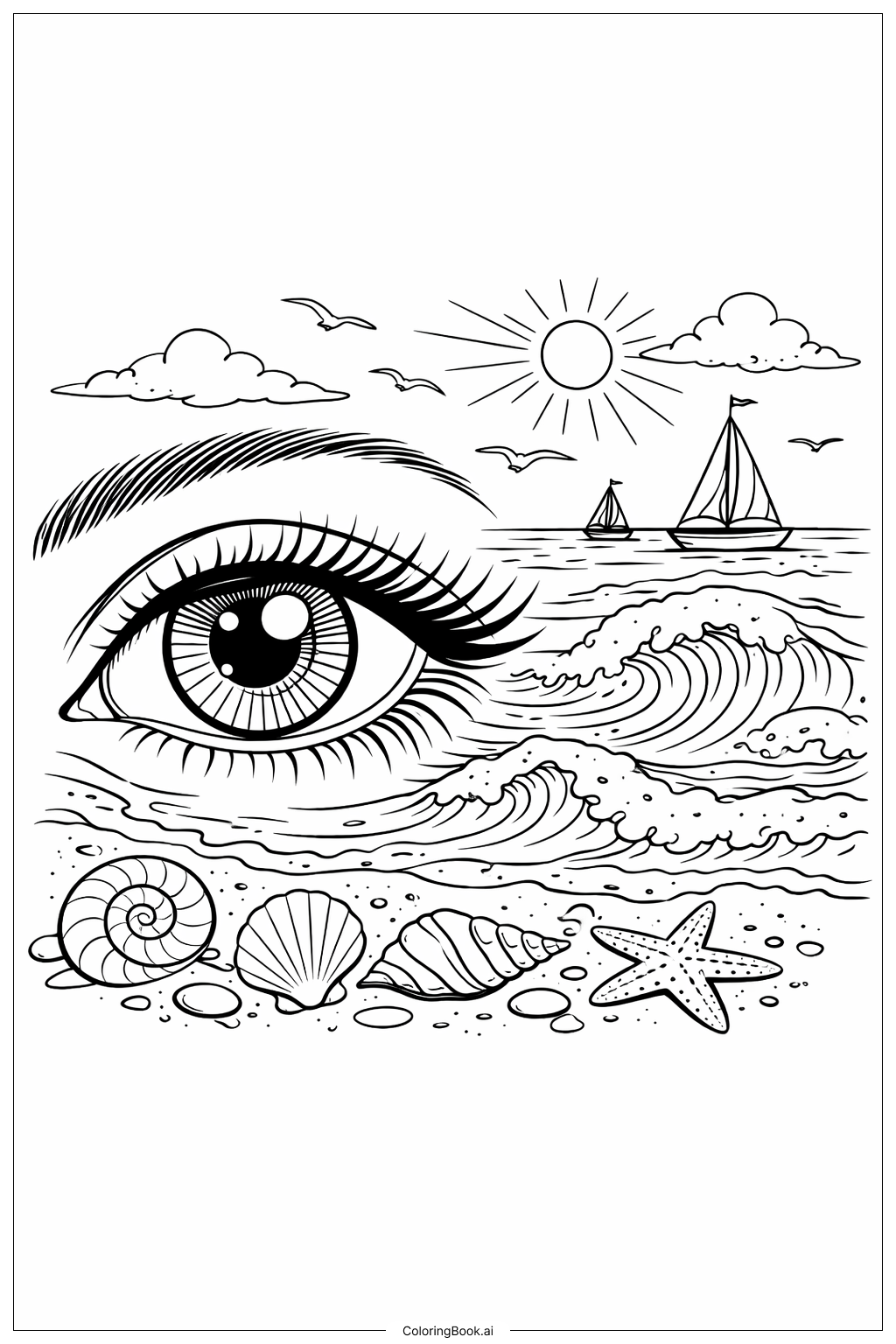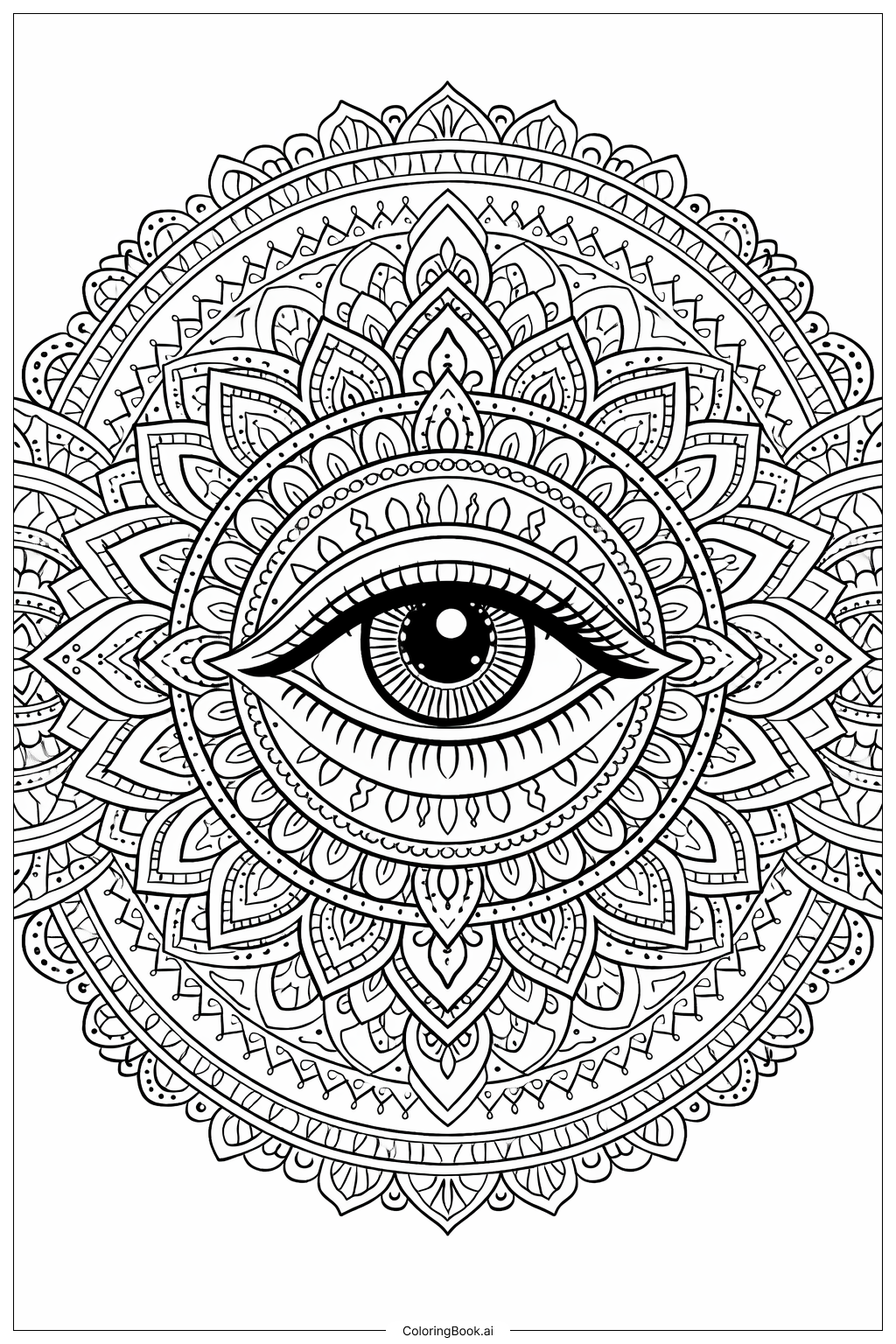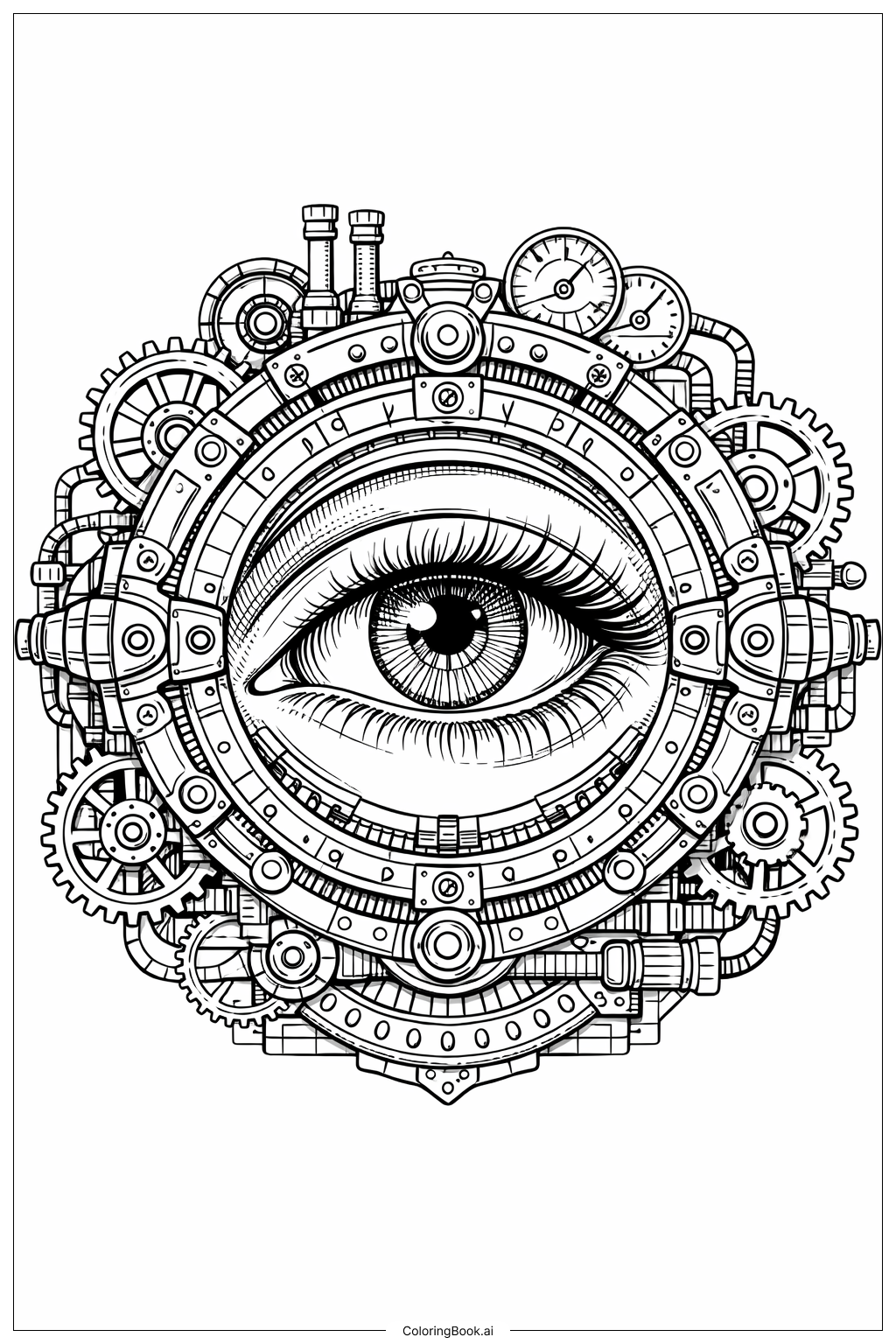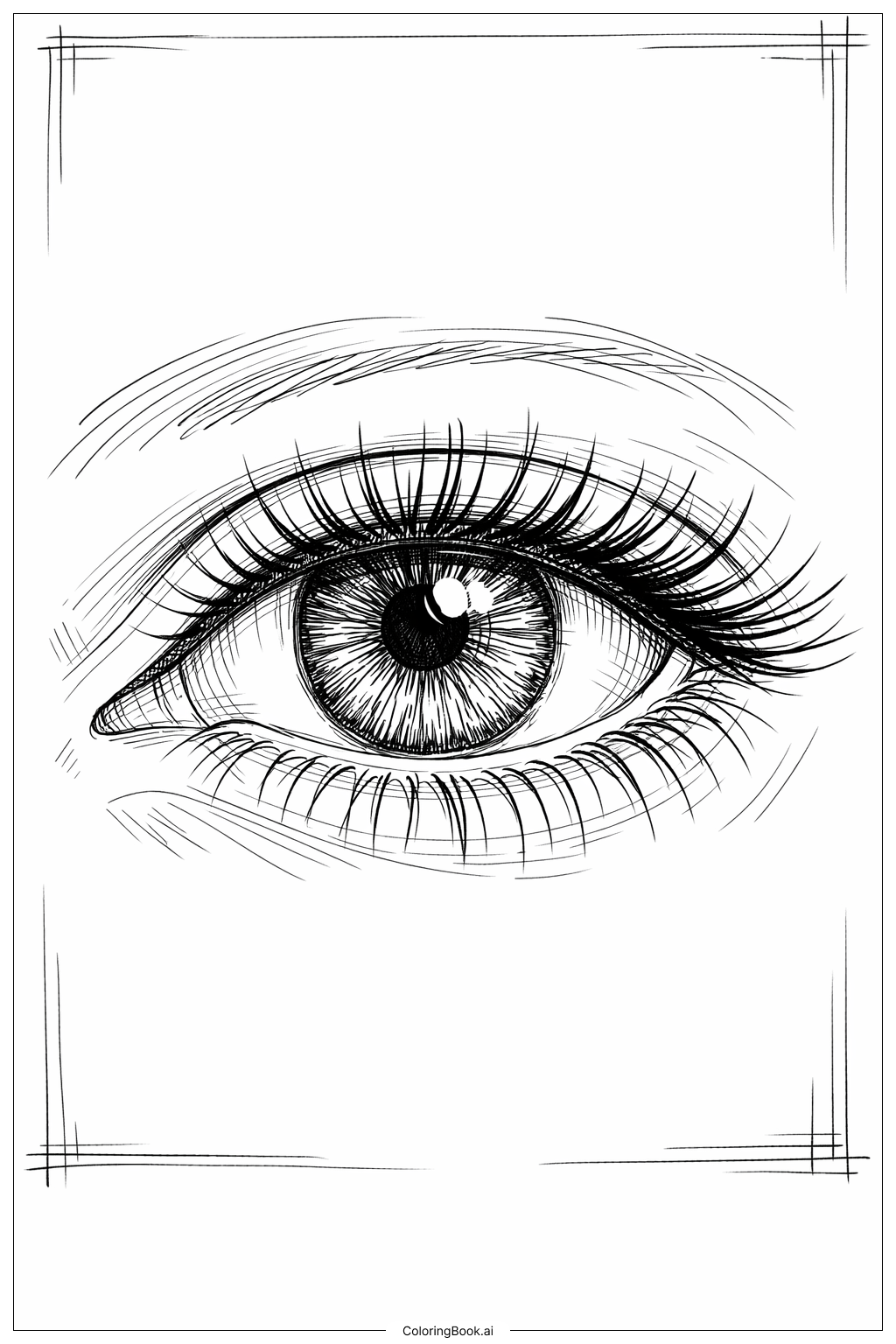
Coloring tips: How to color Realistic Human Eye Study coloring page well?
Start with the lightest colors first and slowly add darker shades. For the iris, try using shades of brown, green, blue, or grey. Add thin lines from the center outward to show the iris texture. Color the pupil solid black. Use a very light pink or peach for the inner corner and the whites of the eye. Add a tiny white highlight dot on the pupil to make the eye look alive. For the eyelashes, use dark brown or black. Color the eyelids with a soft skin tone. You can use light peach, tan, or brown depending on the skin tone you want. Try blending two colors together to make the skin look smooth. Take your time with each small section. This image has many fine details, so smaller crayons, colored pencils, or fine-tip markers work best.
Coloring challenges: Which parts are difficult to color and need attention for Realistic Human Eye Study coloring page?
• Iris Detail and Texture: The iris contains many tiny radiating lines that spread from the pupil outward. Coloring these lines neatly requires a very sharp pencil or a fine-tip marker. If the lines are filled with one flat color, the iris will look dull. Blending two or three shades and following the direction of the lines will give the iris a more realistic, three-dimensional appearance. This is one of the most demanding parts of the image.
• Eyelash Precision: The eyelashes are long, thin, and closely spaced. Coloring between them without smudging or crossing into the surrounding skin or eyelid area is tricky. Using a fine-tip tool and working slowly from the base to the tip of each lash will help keep lines clean and consistent.
• Skin Tone Blending: The skin around the eye has soft curves and subtle shadows. Achieving a smooth, natural skin tone requires blending at least two colors — a base tone and a slightly darker shade for depth around the eyelid crease and corners. Flat coloring without blending will make the skin look stiff and unrealistic.
• Highlights and Reflections: A realistic eye needs a bright highlight in the pupil and possibly a soft sheen on the eyeball surface. Leaving a small area uncolored or using a white gel pen after coloring can create this effect, but it requires planning ahead before you begin filling in color.
• Maintaining Proportion: Because the image is a close-up study, every small area is magnified. Any coloring that goes outside the lines or fills the wrong section is easy to notice. Patience and careful attention to boundaries are essential throughout the entire process.
Benefits of coloring books: Advantages of drawing Realistic Human Eye Study coloring page
Coloring this realistic eye illustration offers wonderful benefits for kids and teens. It teaches you about the parts of a real human eye in a fun and creative way. As you color each section, you learn where the iris, pupil, eyelid, and lashes are located. This makes science feel less like studying and more like art.
Working on the fine details of this image builds strong hand-eye coordination. Staying inside small spaces and following thin lines trains your hands to move with more control and steadiness. This skill helps with writing, drawing, and many other everyday activities.
Choosing colors for the skin, iris, and lashes encourages creative thinking. There is no single right answer, so you are free to experiment and express yourself. This builds confidence in your own artistic choices.
Focusing on a detailed image like this one also helps calm the mind. It asks you to slow down, pay attention, and be present in the moment. Many children and teens find this kind of careful coloring to be relaxing and stress-relieving after a busy day. Overall, this page combines art, science, focus, and fun in one rewarding activity.