Coloring tips: How to color Bear Epiphany Thought coloring page well?
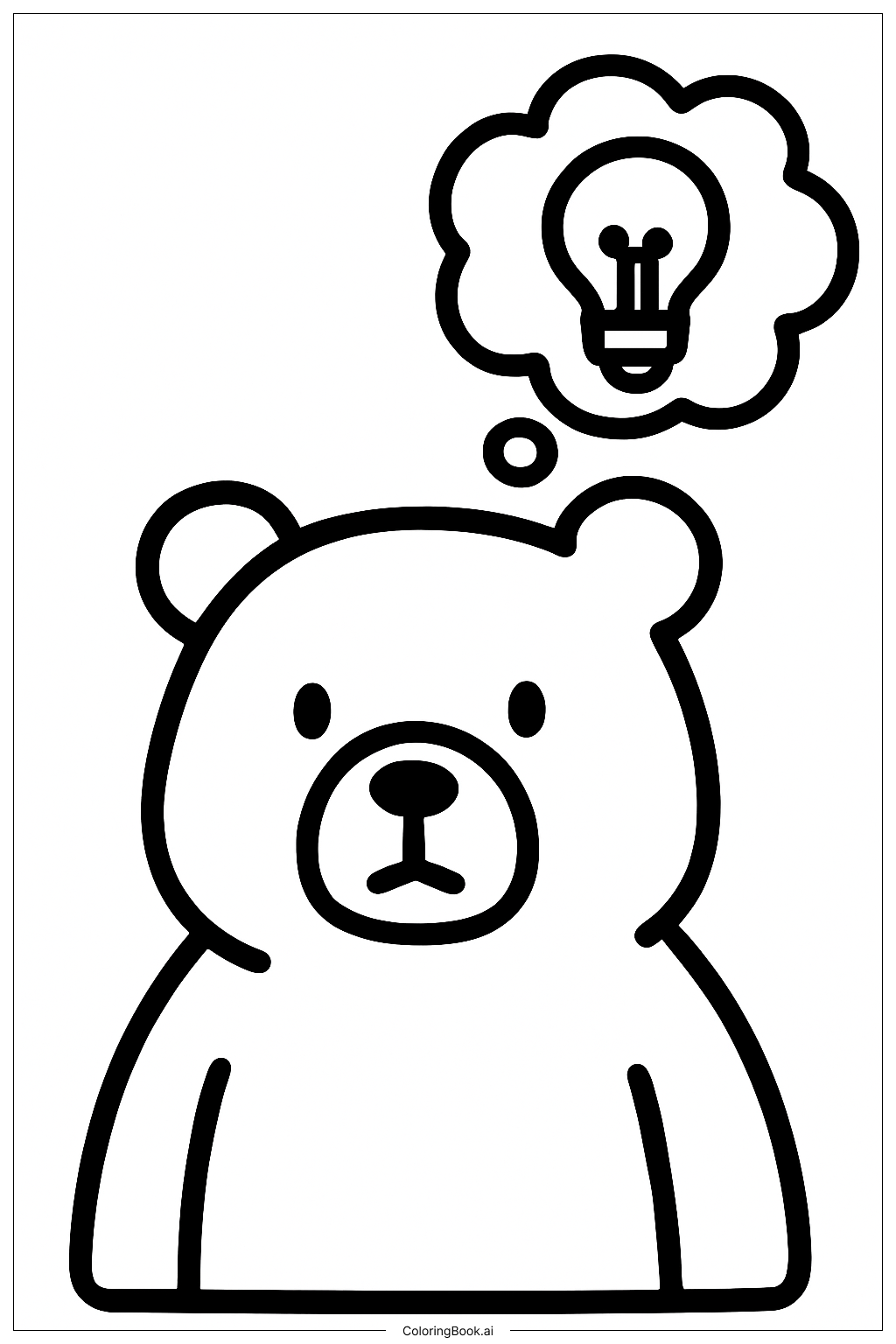
Here are some fun and easy coloring suggestions for this Bear Epiphany Thought page.
For the bear, use warm shades like brown, tan, or golden yellow. You can add darker brown to the ears, paws, and belly outline to create depth. A lighter shade on the face and chest area gives the bear a soft, friendly look.
For the thought bubble, try using light pastel colors such as sky blue, lavender, or pale yellow. These soft tones make the bubble look dreamy and magical, perfect for showing a big idea or a moment of discovery.
Inside the thought bubble, you can use bright and cheerful colors to show what the bear is thinking about. This is a great place to be creative and use your favorite colors.
For the background, choose a calm color like light green, soft blue, or warm peach to let the bear and thought bubble stand out.
Use colored pencils for small detail areas and crayons or markers for larger spaces. Start with light colors first, then add darker shades to create shadows and depth. Have fun and let your imagination guide your choices!
Coloring challenges: Which parts are difficult to color and need attention for Bear Epiphany Thought coloring page?
• Thought Bubble Details: The thought bubble floating above the bear contains small interior details such as curved lines and swirling shapes that represent ideas or dreams. These areas are narrow and close together, making it hard to color neatly without going outside the lines. A fine-tip colored pencil or a thin marker works best here.
• Bear Fur Texture: The bear's body is drawn with short, layered lines that suggest soft fur. Coloring these lines smoothly while keeping a consistent shade across the whole body can be tricky. If you color too quickly, the fur texture may look uneven or patchy. Use light, gentle strokes and layer the color slowly for a natural look.
• Facial Expression Details: The bear has a thoughtful and expressive face with small eyes, eyebrows, and a mouth. These features are very tiny and sit close together. Coloring them carefully without smudging the surrounding face area requires a steady hand and a sharp pencil tip.
• Background Versus Subject Separation: It can be difficult to keep the background color separate from the bear and the thought bubble. If the background color bleeds into the bear's outline, it may be hard to fix. Consider coloring the bear and thought bubble first, then fill in the background around them carefully.
• Choosing the Right Color Palette: This image blends a realistic animal with a fantastical concept. Deciding whether to use natural brown and earth tones for the bear or go with a more imaginative color scheme requires some planning before you begin coloring.
Benefits of coloring books: Advantages of drawing Bear Epiphany Thought coloring page
Coloring this Bear Epiphany Thought page offers wonderful benefits for children and young learners of all ages.
First, it helps children develop focus and concentration. Staying within the lines and choosing colors carefully builds patience and attention skills.
Second, it encourages creative thinking. Deciding what colors to use for the bear, the thought bubble, and the background lets children express their own imagination freely.
Third, it supports fine motor skill development. Holding crayons or colored pencils and filling in detailed areas strengthens the small muscles in children's hands, which helps with writing and other daily tasks.
Fourth, this image sparks curiosity and storytelling. The thought bubble gives children a chance to think about what the bear might be imagining or discovering. This can inspire creative writing or fun conversations.
Fifth, coloring can be a calming and relaxing activity. It helps children manage emotions and find a quiet moment of joy.
Finally, completing this Coloring Page gives children a sense of pride and accomplishment. It builds confidence and encourages them to keep creating. Whether colored with bright bold tones or soft gentle shades, this page is a joyful creative experience for Boys, Girls, and Adults alike.