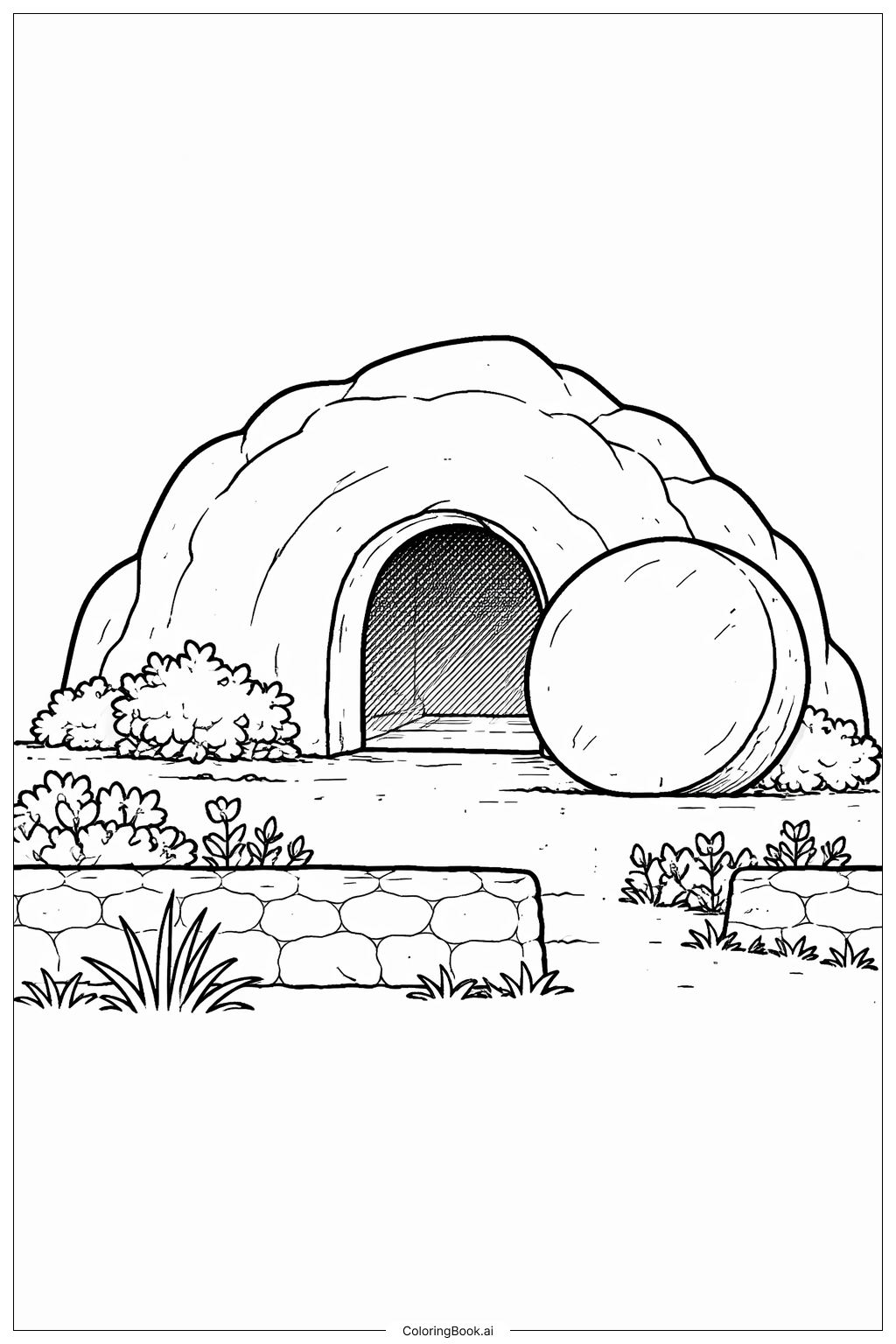
Coloring tips: How to color Empty Tomb With Simple Wall coloring page well?
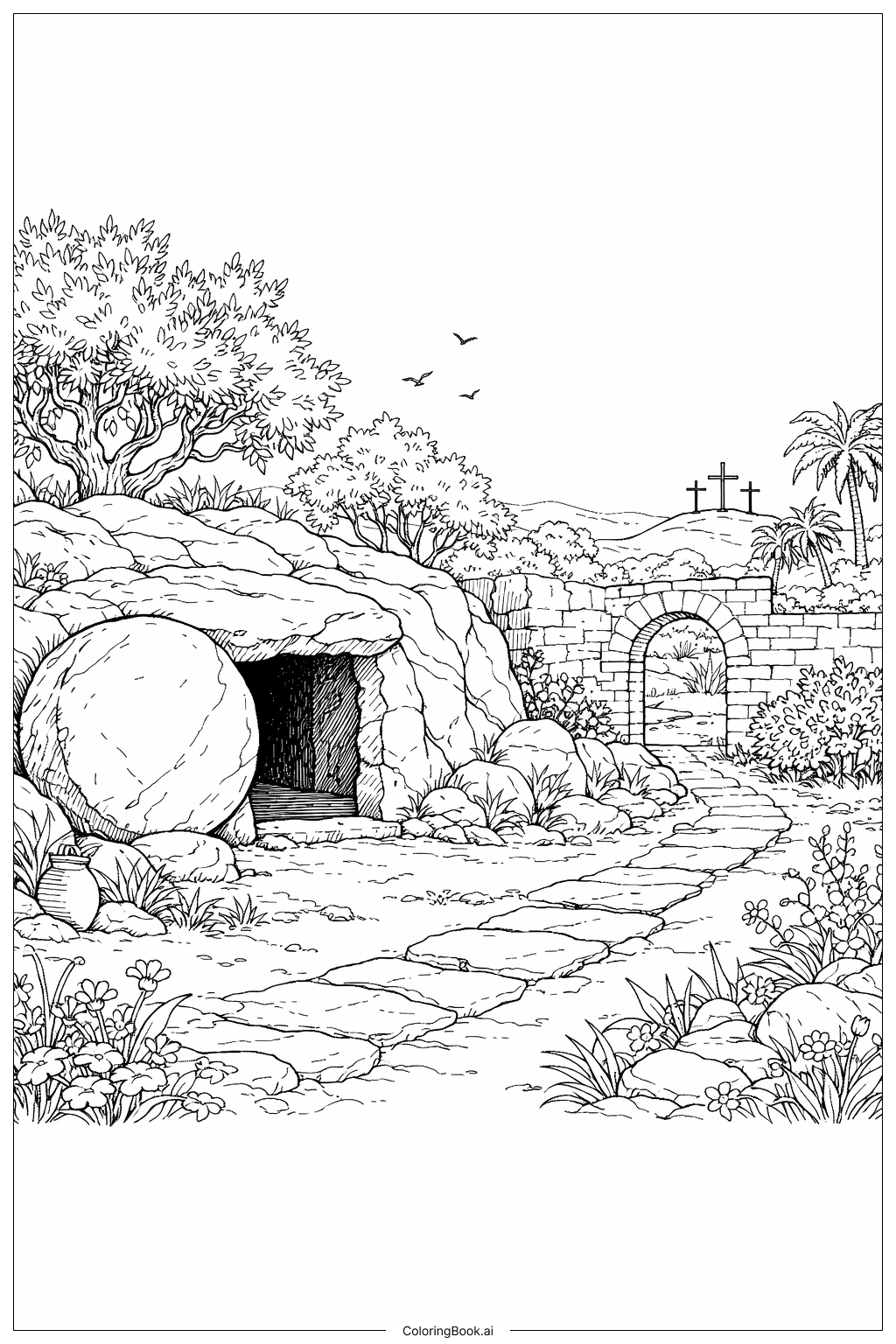
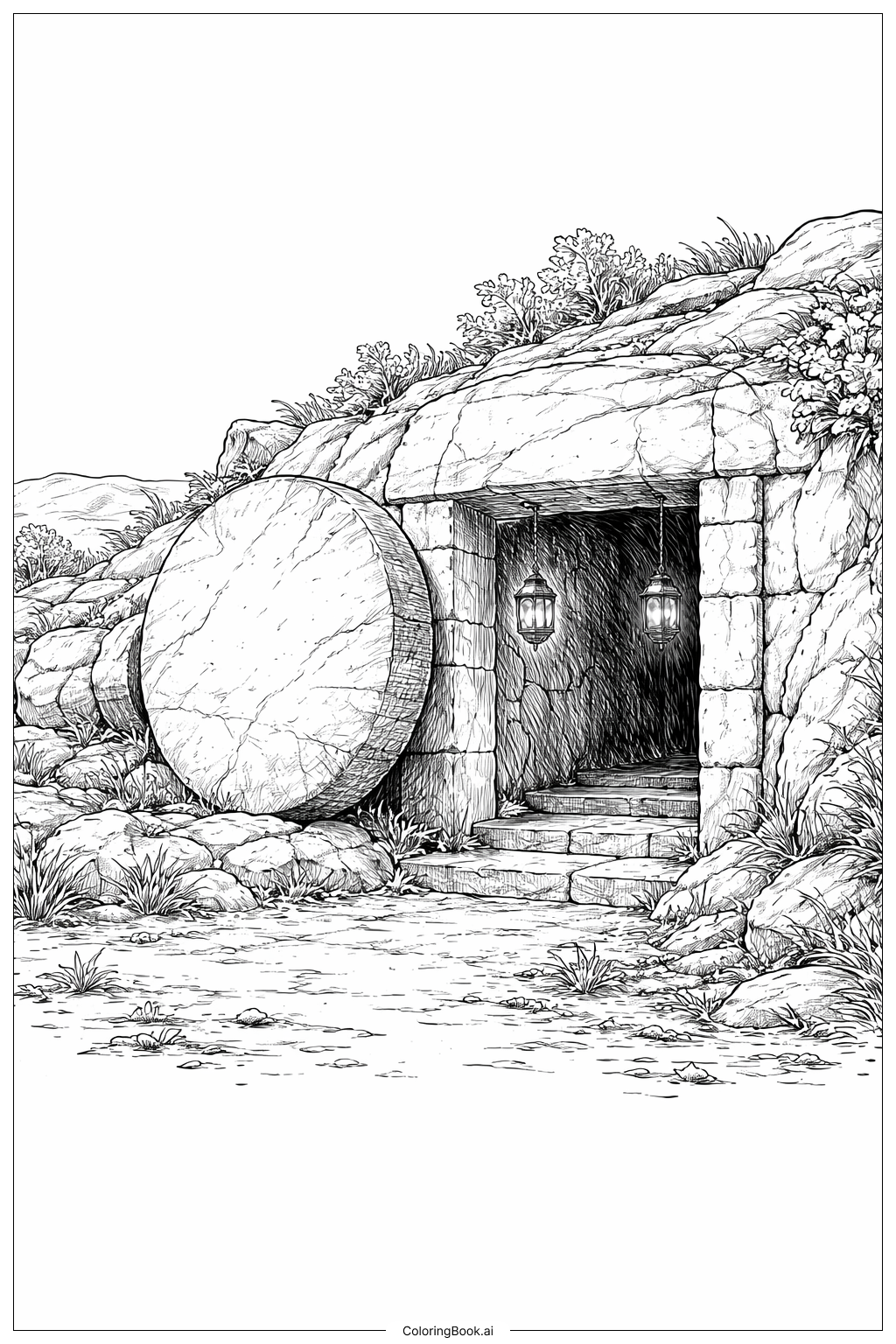
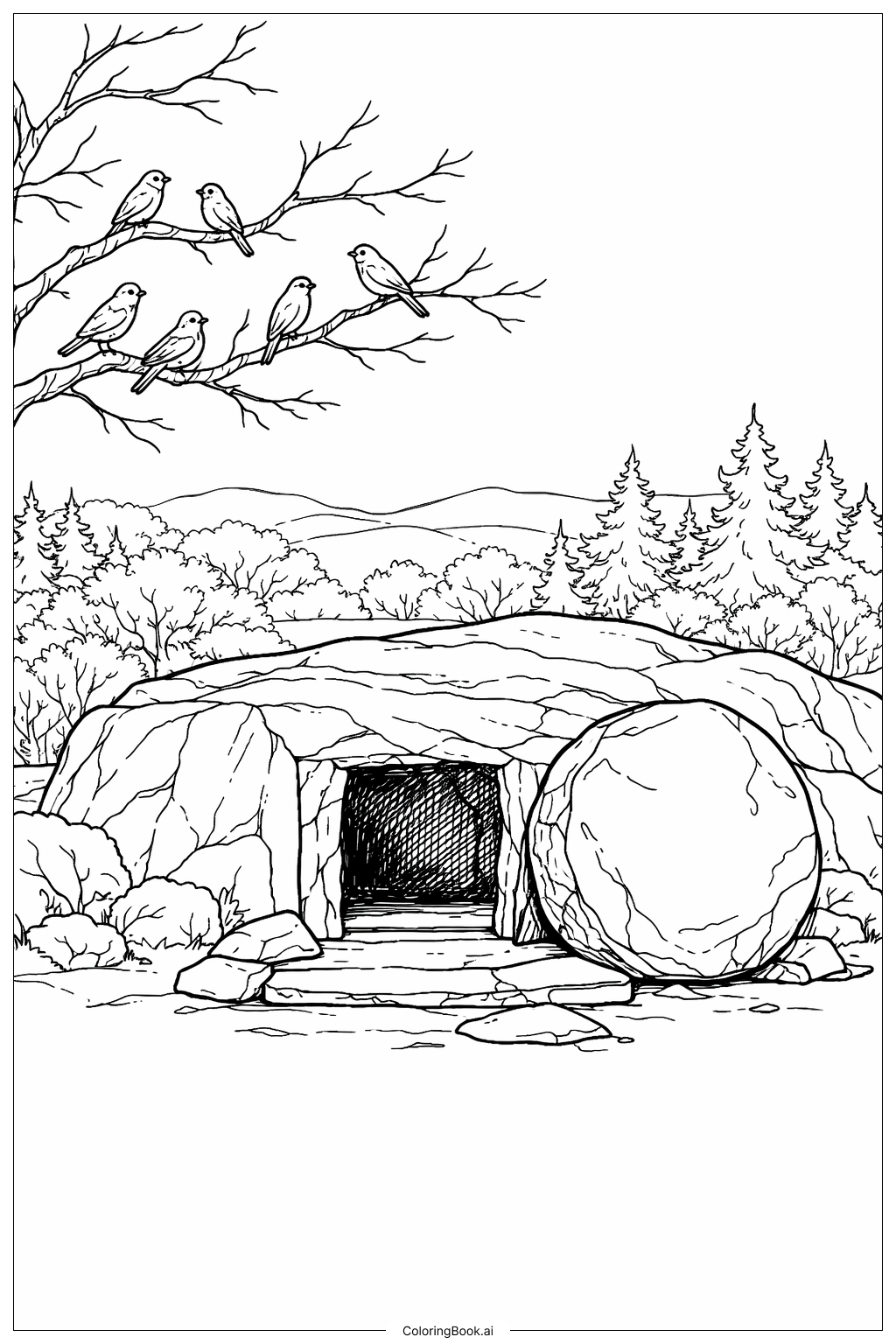
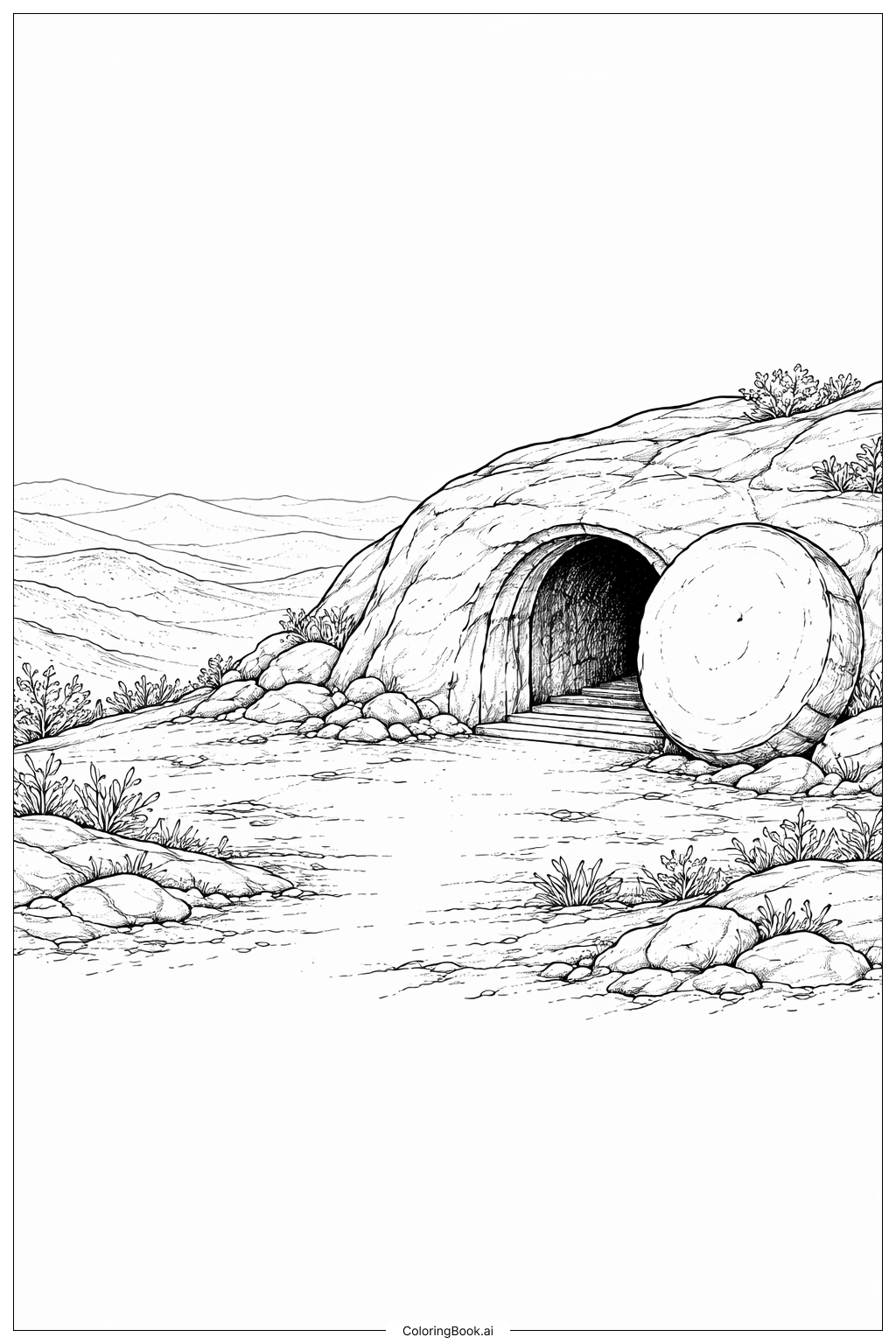
For this image, try using soft earth tones to color the stone wall and the tomb itself. Shades of gray, beige, and light brown can give the stones a natural look. You might add some green or olive colors for the plants and grass around the tomb. For the background, gentle blue or light pastel shades can create a calm sky feel. Experiment with different tones to show shadows inside the tomb’s opening, making the empty space look deep and mysterious. Using lighter colors on the wall’s edges and darker colors in the cracks will add texture and depth.
Coloring challenges: Which parts are difficult to color and need attention for Empty Tomb With Simple Wall coloring page?
• Stone Texture: Coloring the stone wall and tomb can be challenging because you need to show the uneven texture and shape of individual stones while keeping the wall looking natural.
• Shadows and Depth: Achieving the right shading inside the tomb’s opening is important to make it look clearly empty and three-dimensional. Too dark or too light can change the whole feeling.
• Fine Details: The small cracks between stones and the rough ground around the tomb require careful coloring to avoid smudging or blending colors too much.
• Simplicity vs Realism: Balancing the simple lines of the wall with natural stone textures needs attention to avoid making the image look too flat or too busy.
• Plant Elements: Coloring the small plants realistically while keeping the focus on the tomb requires subtle use of green shades and fine strokes.
Benefits of coloring books: Advantages of drawing Empty Tomb With Simple Wall coloring page
Coloring this image helps develop attention to detail as children learn to color small stone shapes and textures carefully. It encourages creativity by choosing different natural colors to show stones, plants, and shadows. Coloring the simple wall and empty space also improves focus and patience, since subtle shading is needed to bring depth. This page can teach about shapes and composition through the careful arrangement of the tomb and wall. Overall, it’s a calming and educational activity that connects children to history and natural elements while improving fine motor skills.