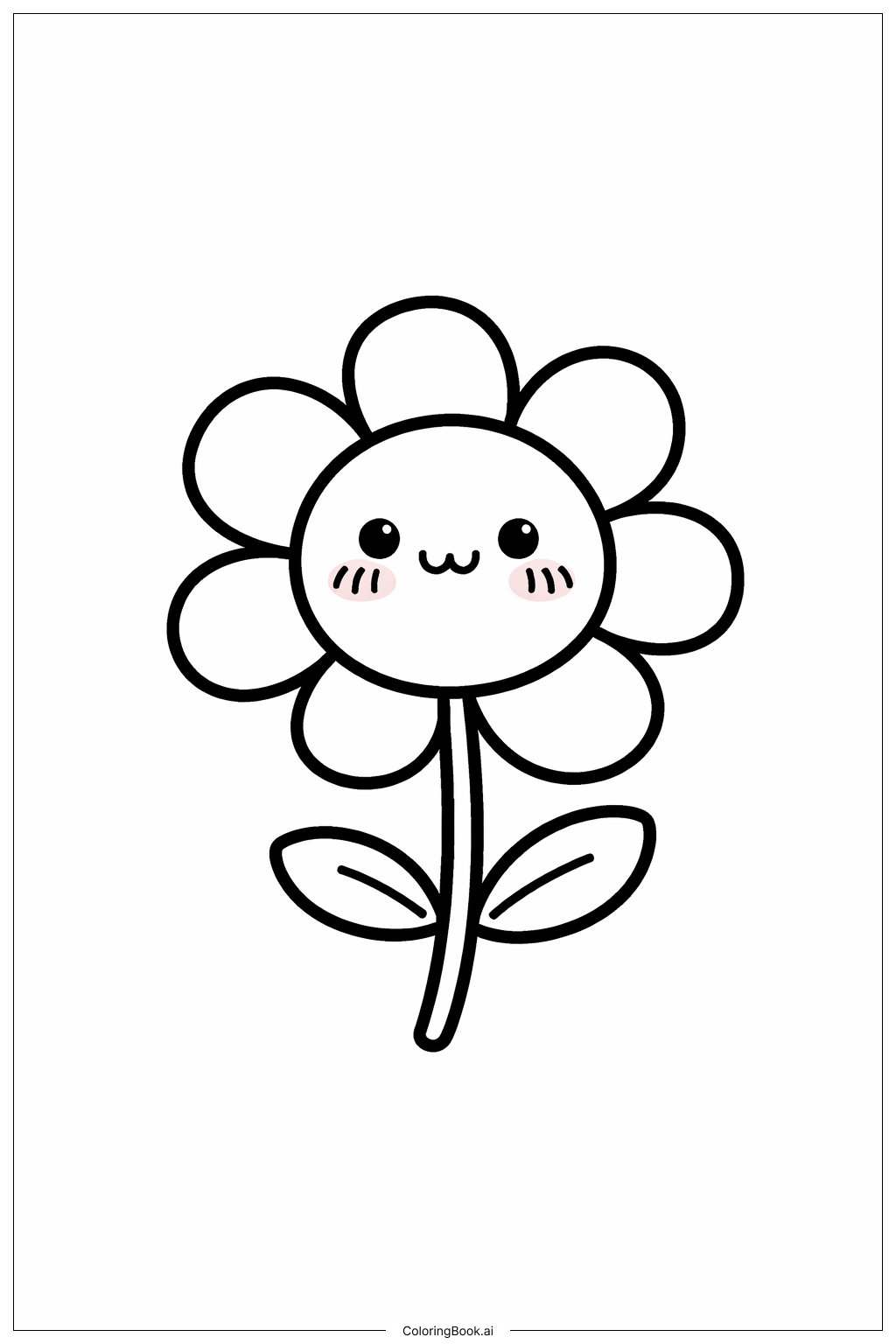
Coloring tips: How to color Emotions Shy Flower coloring page well?
Use soft and gentle colors like light pink, pastel yellow, and baby blue for the petals to show the flower's shy nature. Color the face with light peach or cream tones and add a soft pink blush to match the cheeks. Green shades are perfect for the stem and leaves, such as light green or mint. Avoid very bright or harsh colors, as they can change the shy feeling of the flower. You can also add some light shading to make the flower look more three-dimensional and lively.
Coloring challenges: Which parts are difficult to color and need attention for Emotions Shy Flower coloring page?
1. Keeping the colors soft and light can be hard, as bright colors may take away the shy feeling.
2. Coloring inside the petals and leaves carefully is important because their edges are round and close together.
3. The small cheeks need gentle coloring to keep their sweet blush look, which requires control and attention.
4. Adding shading without making the flower look dark or too bold can be tricky.
5. Balancing colors on the leaves and stem to look natural but still bright enough may be challenging for younger colorers.
Benefits of coloring books: Advantages of drawing Emotions Shy Flower coloring page
Coloring this shy flower helps children learn about emotions and how they can be shown through facial expressions and colors. It encourages them to use soft and gentle tones, which can improve their control and attention to detail while coloring. This activity also sparks creativity by letting kids decide on colors that express shy feelings. Focusing on small details like the cheeks can enhance fine motor skills. Overall, this coloring page offers a fun way to connect art and feelings.