Coloring tips: How to color Emotions Rainy Day Window coloring page well?
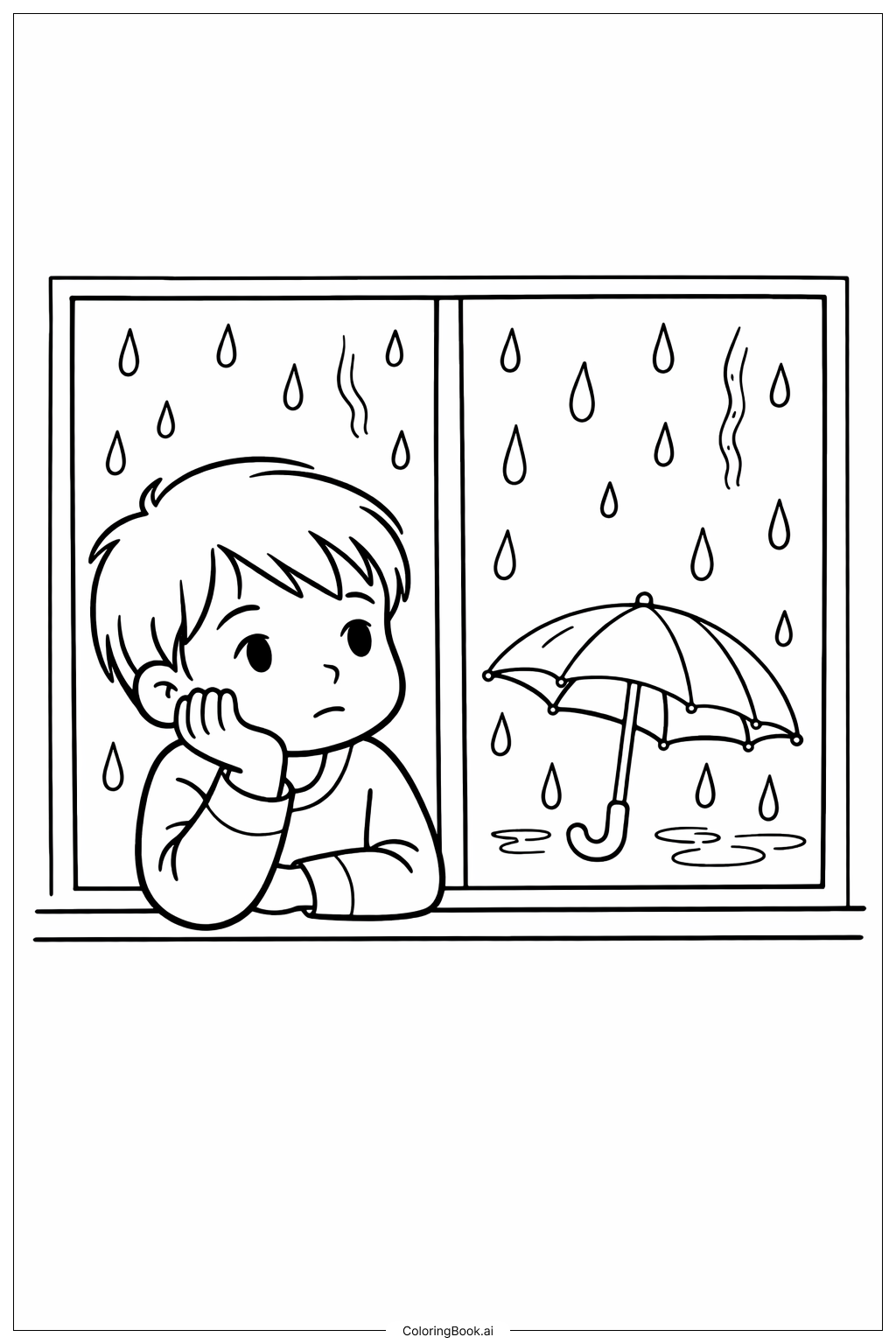
Start with the background outside the window. Use cool shades of gray and blue for the rainy sky. Add soft greens for the trees and muted browns for rooftops. For the raindrops on the glass, try light blue or silver streaks. Color the curtains in warm tones like cream, yellow, or soft pink to contrast with the cool outdoor colors. This helps show the difference between cozy indoors and the wet outside world. For the child's skin, use natural, warm tones. Their clothing can be any color you like — try something cozy like red, orange, or purple. For the child's facial expression, keep the area around the eyes and mouth light so the details show clearly. Use shading near the chin and cheeks to add depth and emotion to the face. Take your time with the raindrops — overlapping light blues and whites can make them look realistic and beautiful.
Coloring challenges: Which parts are difficult to color and need attention for Emotions Rainy Day Window coloring page?
• Raindrop Details on the Glass: The raindrops streaming down the window are small and closely spaced. Coloring each one carefully without smudging nearby areas requires a fine-tipped tool and a steady hand. Using light pressure helps keep the lines clean and realistic.
• Facial Expression and Emotion: The child's face carries a subtle, layered emotion. Capturing that feeling with color is tricky. The shading around the eyes, brows, and mouth must be gentle and gradual. Too much dark color can make the face look harsh instead of soft and thoughtful.
• Indoor vs. Outdoor Color Contrast: One of the key artistic challenges is showing the warm, safe feeling inside versus the cool, wet mood outside. Balancing warm and cool tones on the same page without making the colors look messy takes careful planning before you start coloring.
• Curtain Folds and Fabric Texture: The curtains have flowing folds that create light and shadow. Coloring these folds with slightly different shades of the same color adds depth. If you use only one flat color, the curtains may look stiff rather than soft and flowing.
• Window Frame and Glass Reflection: The window frame divides the scene into sections. Keeping the frame one clean, solid color while adding subtle reflections or light effects to the glass requires patience. Mixing very light gray or white into the glass area can suggest a glossy, wet surface without overwhelming the raindrops.
Benefits of coloring books: Advantages of drawing Emotions Rainy Day Window coloring page
Coloring this image offers wonderful benefits for children and adults alike. The rainy day theme encourages kids to slow down and think about feelings. As they color the child's face, they naturally begin to reflect on emotions like sadness, calm, or longing. This builds emotional awareness in a fun, creative way. The act of choosing colors for the indoor and outdoor spaces also strengthens decision-making and creative thinking skills. Working on fine details like raindrops and facial features improves hand-eye coordination and fine motor skills, which are important for writing and everyday tasks. The calming mood of the scene makes this a great coloring activity for winding down after a busy day. It can help reduce stress and anxiety in both children and adults. For kids aged 4 to 16, this image also sparks storytelling — they may start imagining what the child in the picture is thinking or feeling, which supports language development and empathy. Overall, this coloring page is both a relaxing creative outlet and a gentle tool for emotional learning.