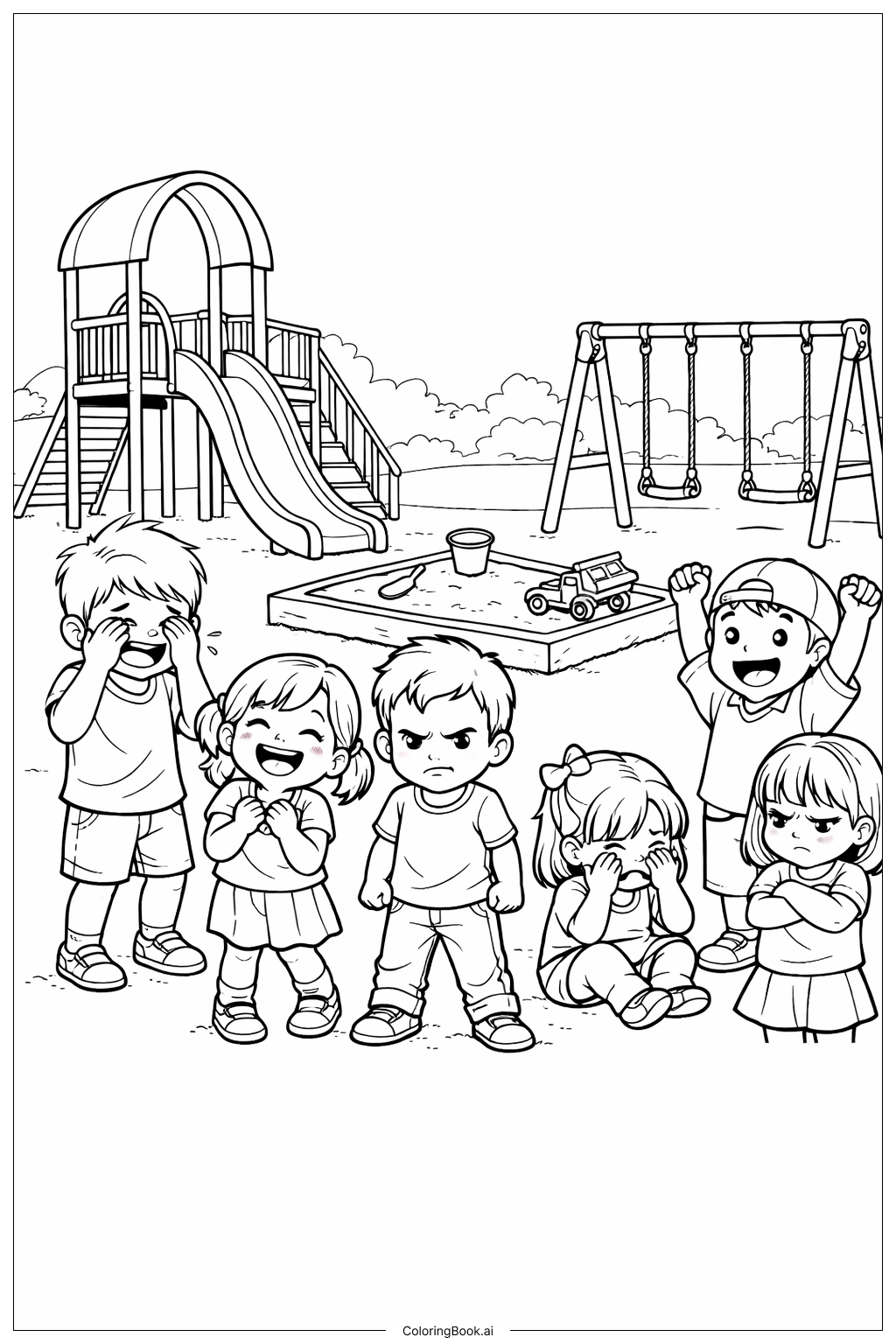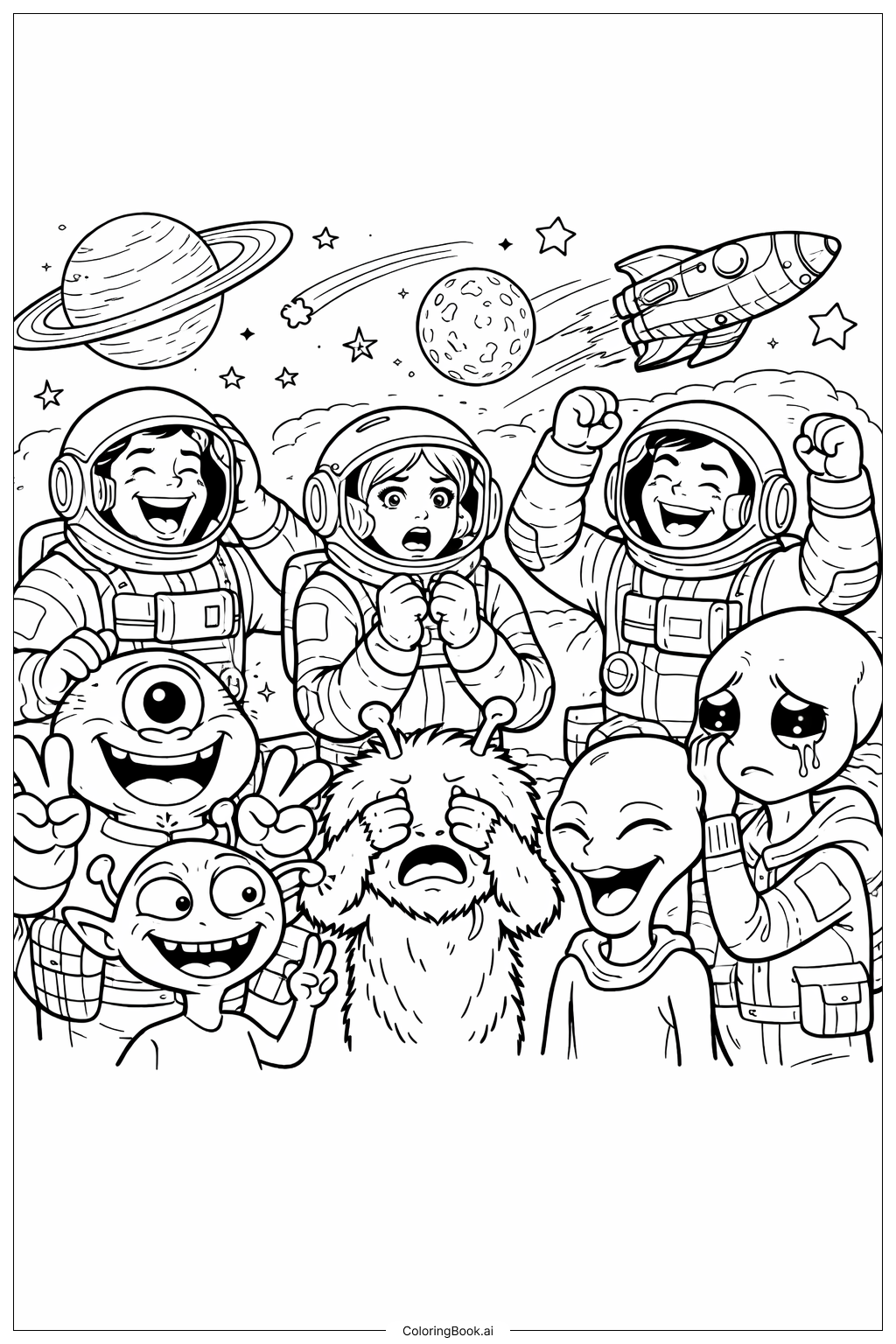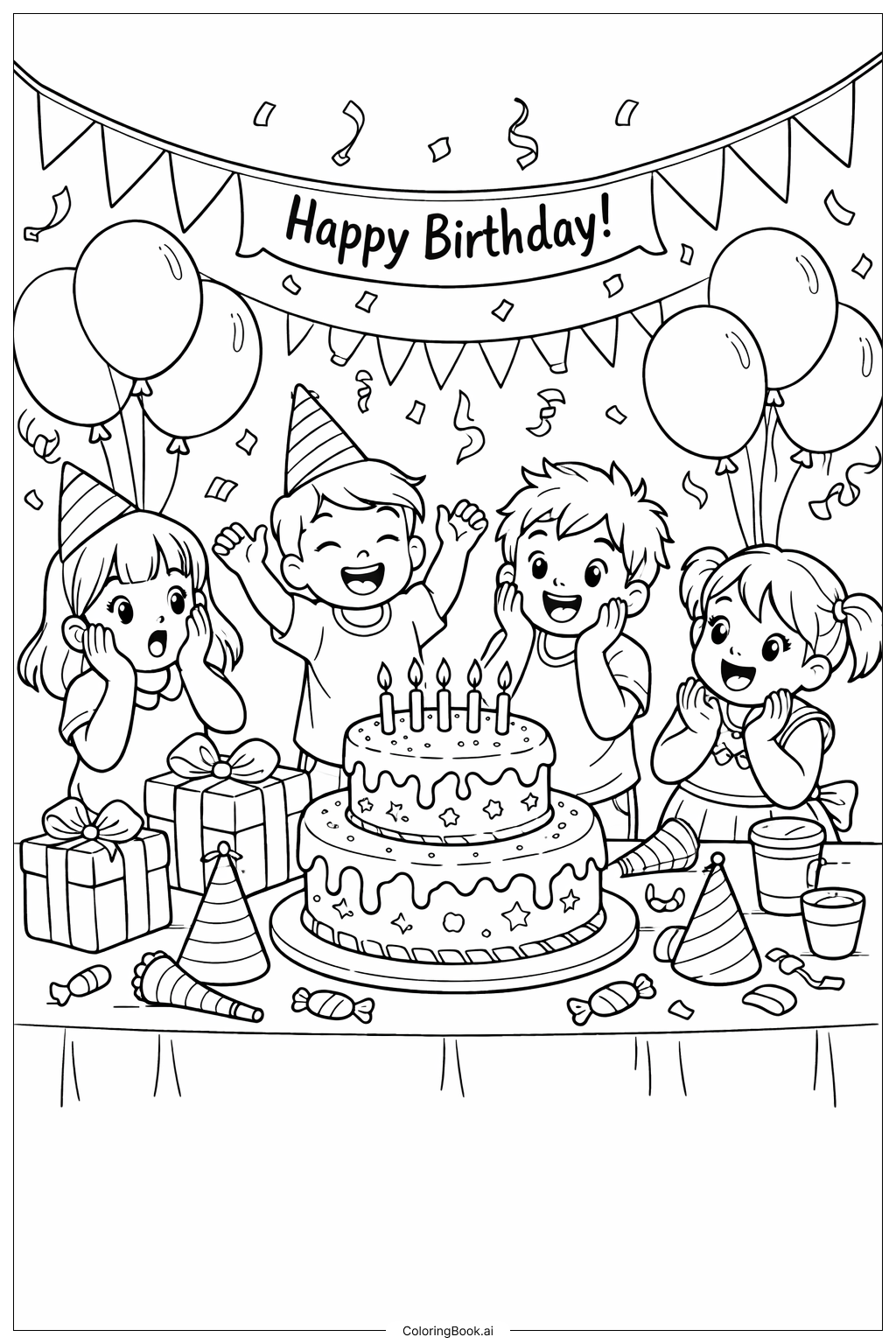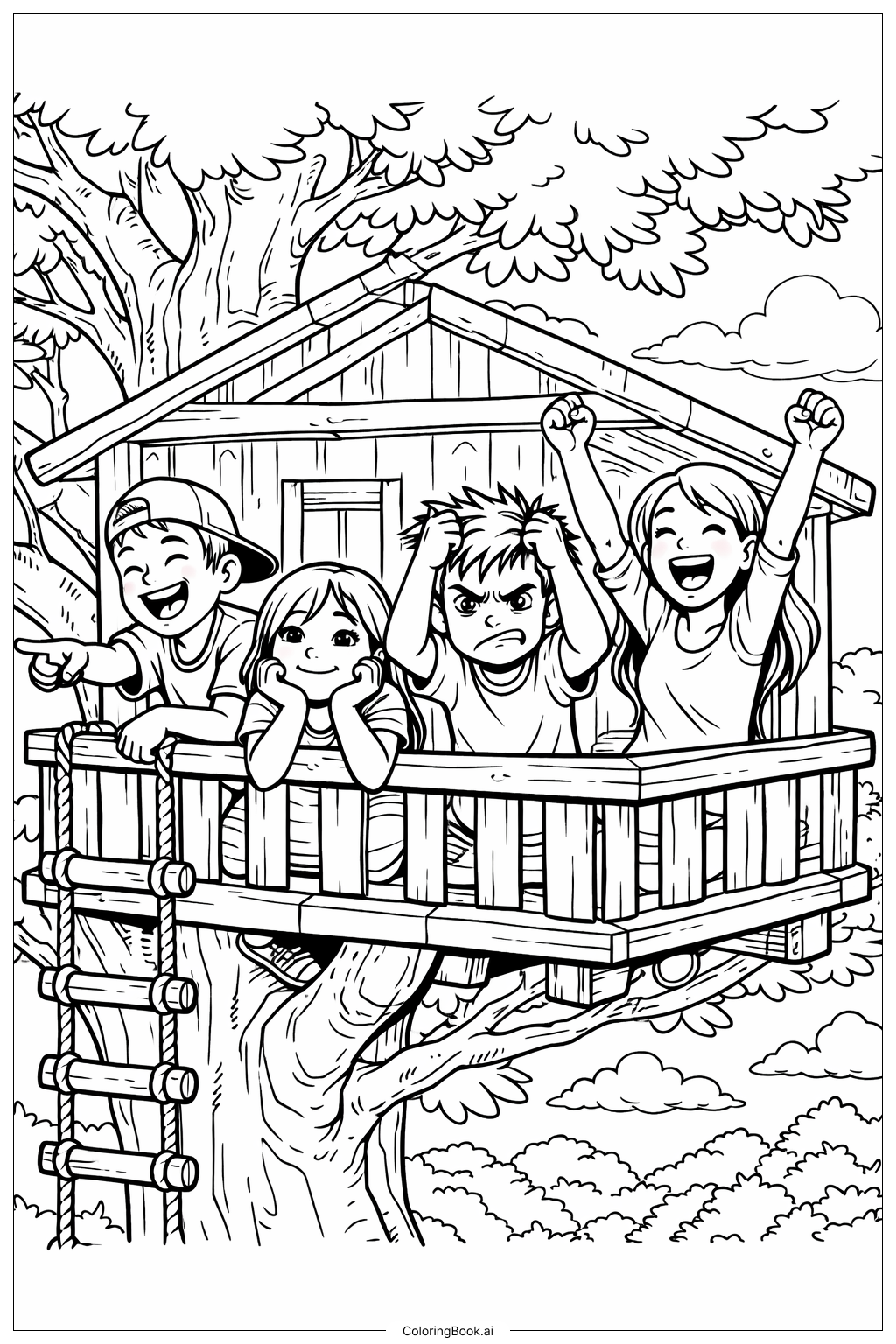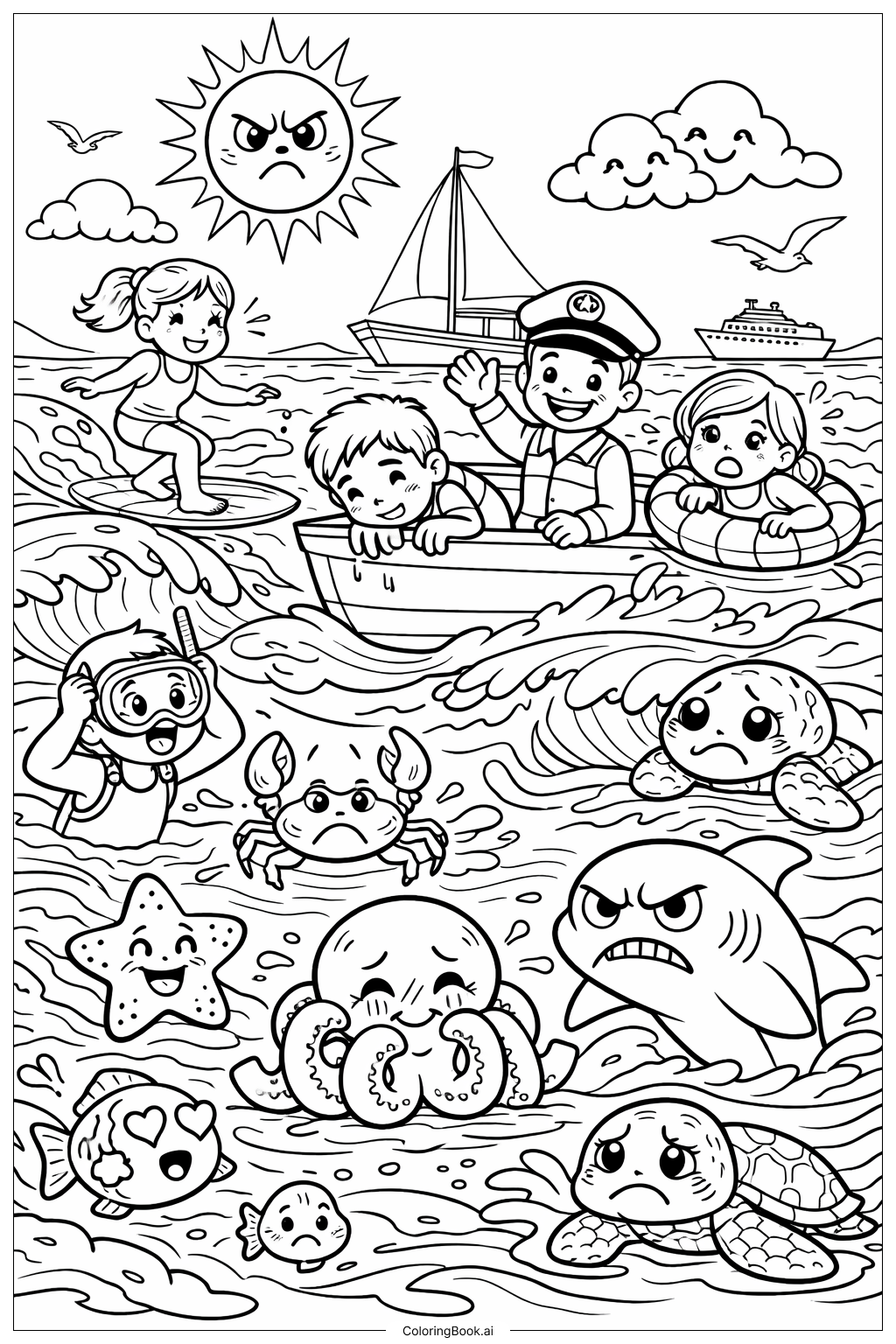
Coloring tips: How to color Emotions Ocean of Feelings coloring page well?
This ocean of feelings image is full of life and emotion, and your color choices can make each feeling pop beautifully.
Start with the ocean background. Use light blue or turquoise for calm, peaceful water. You can add darker blue or purple in the deeper areas to show mystery and depth.
For happy emotions, try bright warm colors like yellow, orange, and sunny gold. These feel cheerful and energetic.
For sad or worried emotions, cool colors like pale blue, gray, or lavender work really well. They feel soft and gentle.
Angry feelings can be shown with bold red, dark orange, or fiery crimson. Strong colors show strong feelings.
Surprised or excited characters can wear bright pink, lime green, or electric purple.
For the underwater details like bubbles, sea plants, and small sea creatures, use a mix of soft greens, aqua, and white to keep them from competing with the emotion characters.
Blend colors gently where two zones meet to create a smooth, flowing ocean feel. Colored pencils work great for soft blending, while markers give bold, striking results.
Most importantly, trust your feelings when you pick your colors. There is no wrong way to color an ocean of emotions!
Coloring challenges: Which parts are difficult to color and need attention for Emotions Ocean of Feelings coloring page?
• Wave and Water Textures: The ocean is filled with flowing waves and curved water lines. Coloring these smoothly without streaks or breaks takes patience and a steady hand. Young colorists may find it tricky to follow the curves evenly across the entire page.
• Facial Expressions on Small Characters: Each emotion is shown through a small face or figure. These faces have tiny eyes, mouths, and eyebrows that carry the feeling. Staying inside such small details requires a sharp pencil or thin marker, and rushing can cause colors to bleed into the wrong areas.
• Color Transitions Between Emotions: Each emotion may need a different color tone, and blending them smoothly where they meet in the ocean scene can be challenging. Keeping each emotion zone visually distinct without harsh edges takes planning and color awareness.
• Layered Underwater Elements: The ocean setting likely includes bubbles, sea plants, fish, or other underwater details layered behind and around the emotion figures. Coloring layered elements without muddying nearby colors requires working from background to foreground in a thoughtful order.
• Choosing a Consistent Color Mood: Because this image is about emotions, the overall color palette needs to feel harmonious yet expressive. Deciding which colors represent which feelings, and keeping that system consistent throughout the whole scene, is a creative challenge that requires thinking ahead before picking up the first crayon or marker.
Benefits of coloring books: Advantages of drawing Emotions Ocean of Feelings coloring page
Coloring this Emotions Ocean of Feelings page offers wonderful benefits for children and young people of all ages.
Emotional awareness grows naturally as kids choose colors for each feeling. Matching colors to emotions like red for anger or blue for calm builds emotional vocabulary in a fun, pressure-free way.
Creative expression is encouraged because there are no wrong answers. Kids can pick any colors that feel right to them, building confidence and self-trust.
Fine motor skills improve as children carefully fill in the wavy water textures, small facial expressions, and detailed underwater elements. This builds hand strength and pencil control.
Mindfulness and calm come from focusing on the peaceful ocean scene. The repetitive motion of coloring waves and flowing shapes helps reduce stress and anxiety.
Social and emotional learning (SEL) happens naturally. Parents and teachers can use this page to start conversations about feelings. Kids learn it is okay to feel many emotions at once, just like an ocean holds many creatures.
Imagination is sparked as children explore what lies beneath the surface of feelings, encouraging deeper thinking about their inner world.
This page is a beautiful tool for emotional growth through creative play.