Coloring tips: How to color Emotions Nervous Turtle coloring page well?
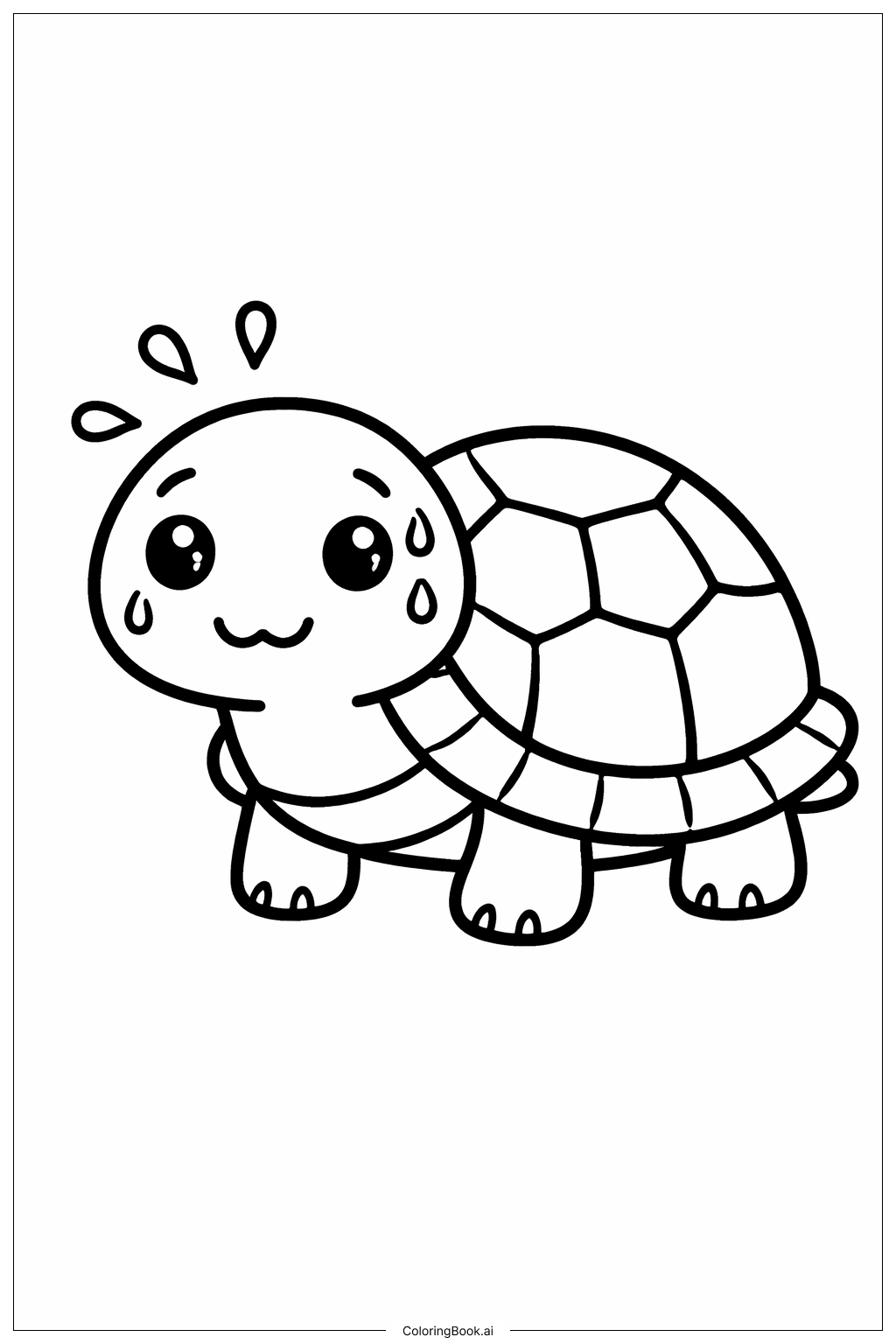
Use soft and gentle colors to match the turtle's nervous feeling. You can color the turtle’s body in light green or light brown. For the shell, try using darker shades of green or brown to give it a natural look. The sweat drops can be colored light blue to stand out. You may choose to color the eyes black with a little white sparkle to keep them shiny and expressive. Use a soft pink or peach color for the turtle’s cheeks if you want to add extra cuteness. Try to color inside the lines carefully to make the picture neat and pretty.
Coloring challenges: Which parts are difficult to color and need attention for Emotions Nervous Turtle coloring page?
1. Coloring the small sweat drops can be tricky because they are tiny and close to the face. It requires careful coloring to avoid going outside the lines.
2. The turtle’s shell has many shapes that need different shades or colors. It can be challenging to make each shape look neat and distinct.
3. The area near the turtle’s legs and neck has small spaces that need attention when coloring to avoid missing spots.
4. Coloring the eyes to look shiny and alive might be hard if the areas are too small.
5. Keeping the turtle’s face soft and gentle while adding color to show nervousness can be difficult for beginners.
Benefits of coloring books: Advantages of drawing Emotions Nervous Turtle coloring page
Coloring this nervous turtle helps children learn how to use colors to express emotions. It encourages focus and patience because of the small details in the shell and sweat drops. Coloring the different shell shapes helps improve fine motor skills and hand-eye coordination. It also allows kids to practice staying inside lines, building control and precision. Finally, it fosters creativity by letting children choose colors that match the turtle’s nervous but cute mood.