Coloring tips: How to color Emotions Lost and Found coloring page well?
Start with the child at the center. Use warm skin tones and soft hair colors to make them feel familiar and friendly. For the lantern, try a glowing yellow or orange to suggest light and warmth. Each emotion bubble can have its own color — bright yellow for happy, soft blue for sad, light purple for surprised, and calm green for peaceful. The treasure chest looks great in golden brown with jewel-toned gems spilling out. Use pastel shades for the hills and sky to keep the background soft and dreamy. Let kids pick the colors for the emotion faces freely — there are no wrong choices here. Mixing bright and soft colors together will make the whole scene feel magical and alive. Encourage creativity by letting each feeling be as unique as the child coloring it.
Coloring challenges: Which parts are difficult to color and need attention for Emotions Lost and Found coloring page?
• Emotion Bubble Variety: The floating emotion bubbles each have small expressive faces with tiny eyes, mouths, and eyebrows. Coloring these tiny facial features without smudging or going outside the lines requires a fine-tipped coloring tool and a steady hand. Children may need to slow down and work carefully in these small areas.
• Lantern Glow Effect: Capturing the warm glow of the lantern is tricky. To show light radiating outward, colorists need to blend a bright center color like yellow into softer oranges and whites around the edges. This gradient effect can be challenging for younger children who are still learning blending techniques.
• Background Depth and Layering: The rolling hills and dreamlike sky in the background contain multiple overlapping layers. Keeping each layer visually distinct while still maintaining a harmonious, soft color palette takes planning. Without careful color selection, the background can feel flat or confusing.
• Treasure Chest Details: The open treasure chest has small decorative elements like hinges, locks, and scattered gems. These tiny details are close together, making it easy to accidentally color over a neighboring section. Using a sharp pencil or fine marker is strongly recommended for this area.
• Consistent Emotional Color Coding: Because each emotion is meant to feel different, colorists must think about which colors represent which feelings. Keeping a consistent color language across all the emotion bubbles helps the story of the image make sense visually, which requires some planning before starting.
Benefits of coloring books: Advantages of drawing Emotions Lost and Found coloring page
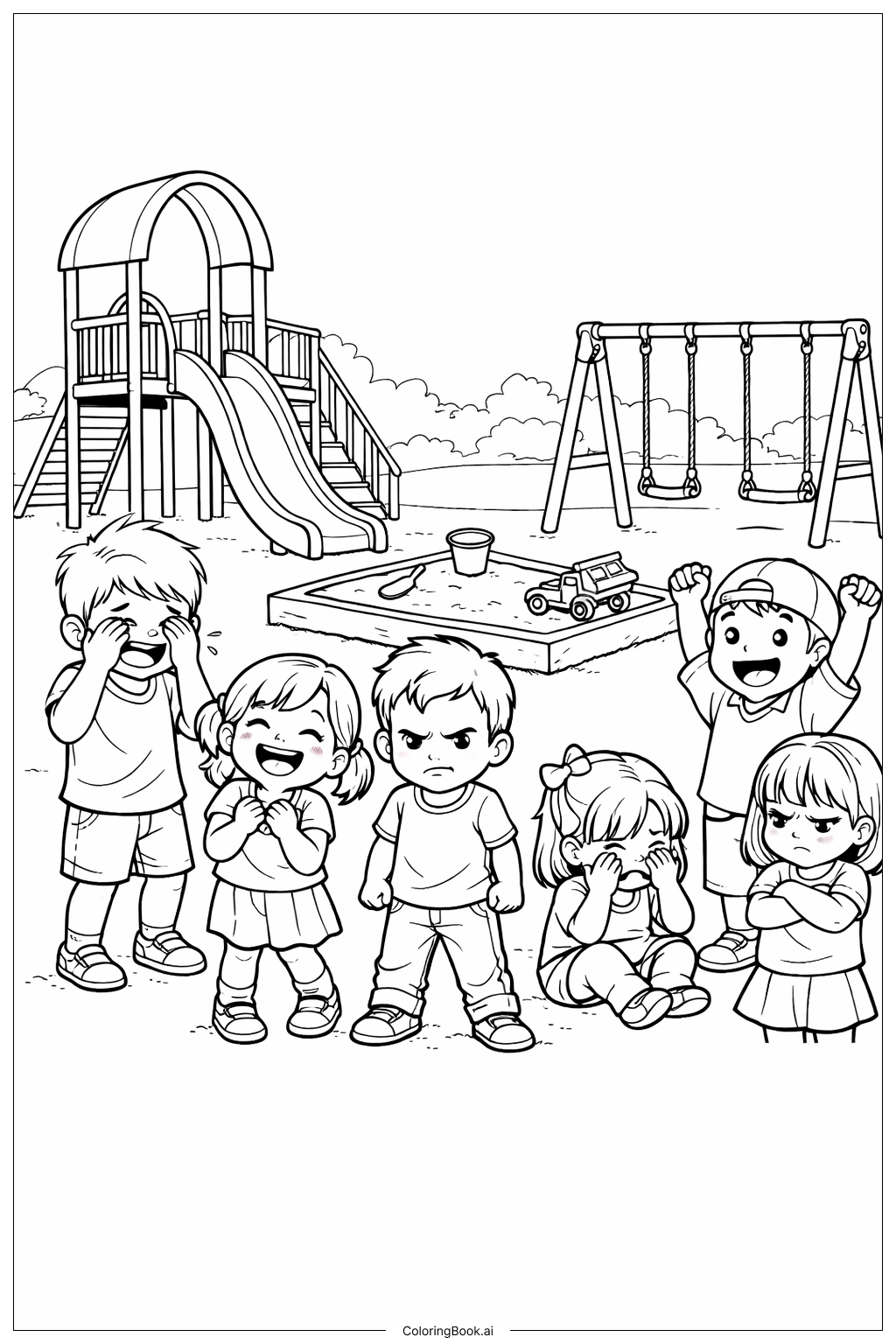
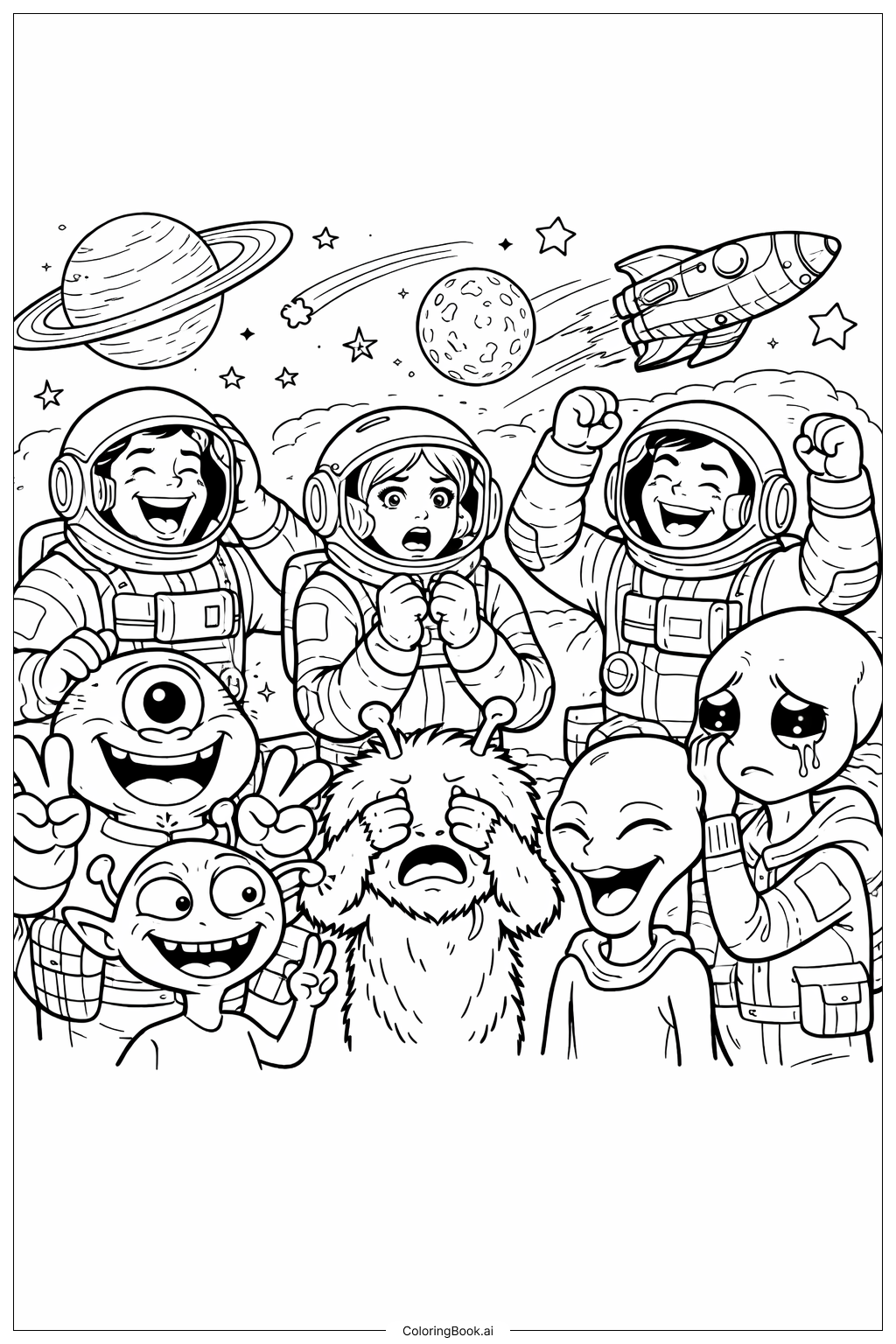
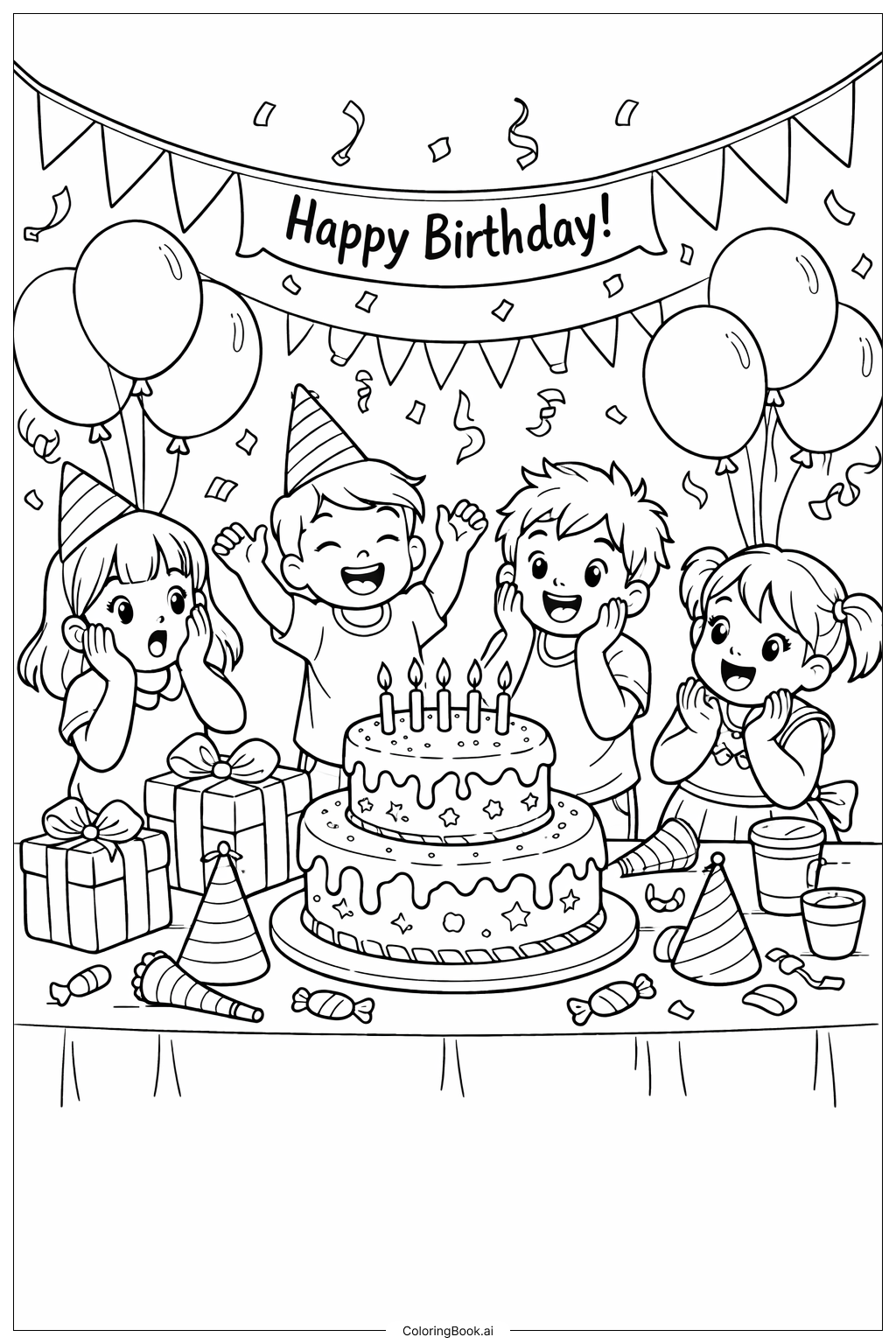
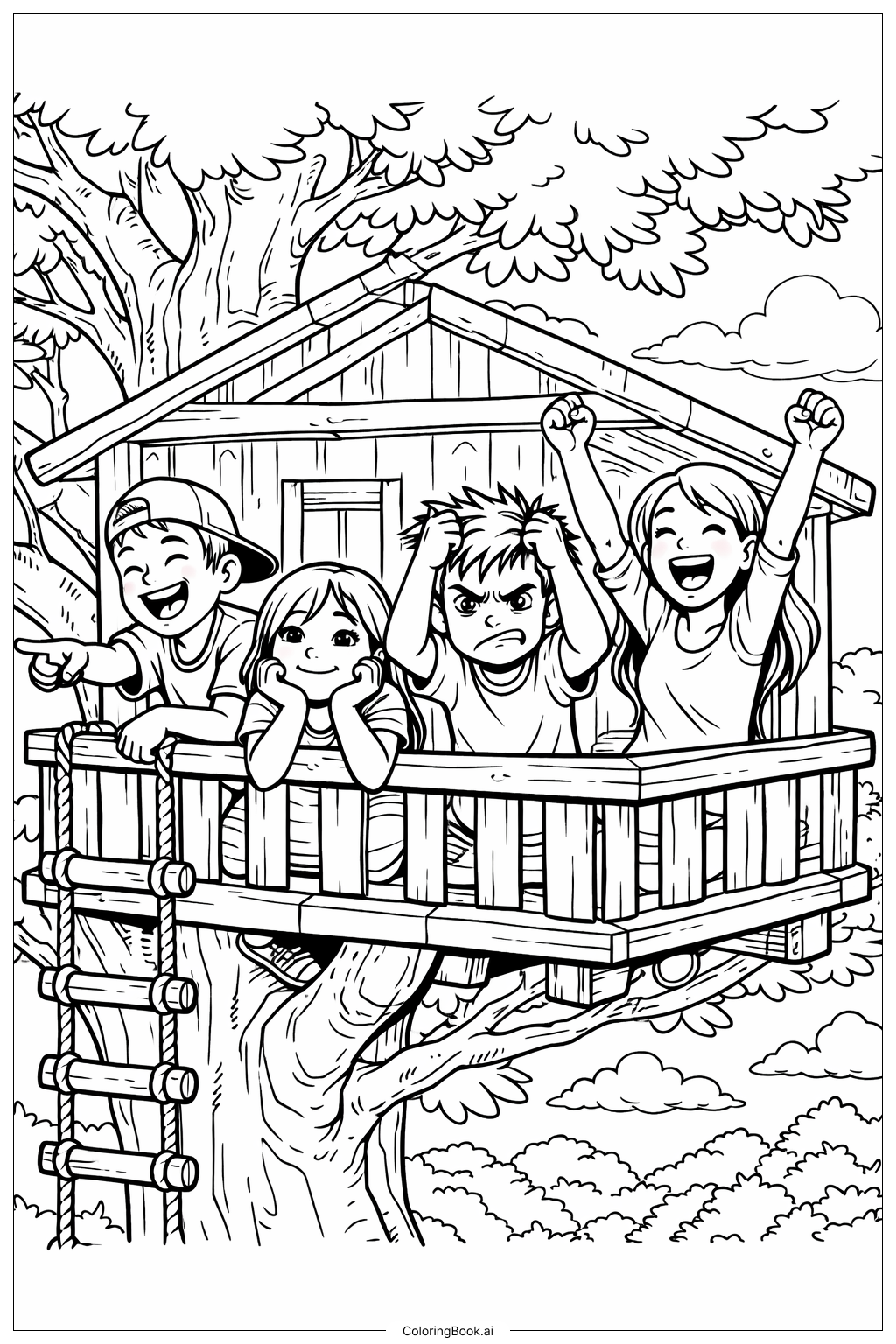
Coloring this Emotions Lost and Found page offers wonderful benefits for children. It helps kids explore and identify different emotions in a safe and playful way. As they choose colors for happy, sad, surprised, and calm faces, they naturally begin to think about how feelings look and feel — building emotional awareness and vocabulary.
The creative choices involved, like picking what color sadness or joy should be, encourage imaginative thinking and personal expression. There are no wrong answers, which helps build confidence.
Focusing on the detailed bubbles, tiny faces, and background scenery also trains fine motor skills and hand-eye coordination. Children practice precision and control as they work within the small sections of the design.
The quiet, focused nature of coloring promotes mindfulness and calm. It gives kids a peaceful activity that slows them down and helps them feel grounded.
Sharing and discussing their finished page with parents or friends opens up natural conversations about feelings, which supports emotional intelligence and communication skills. Overall, this page is a gentle and joyful tool for both creative growth and emotional learning.