Coloring tips: How to color Emotions Happy Sun coloring page well?
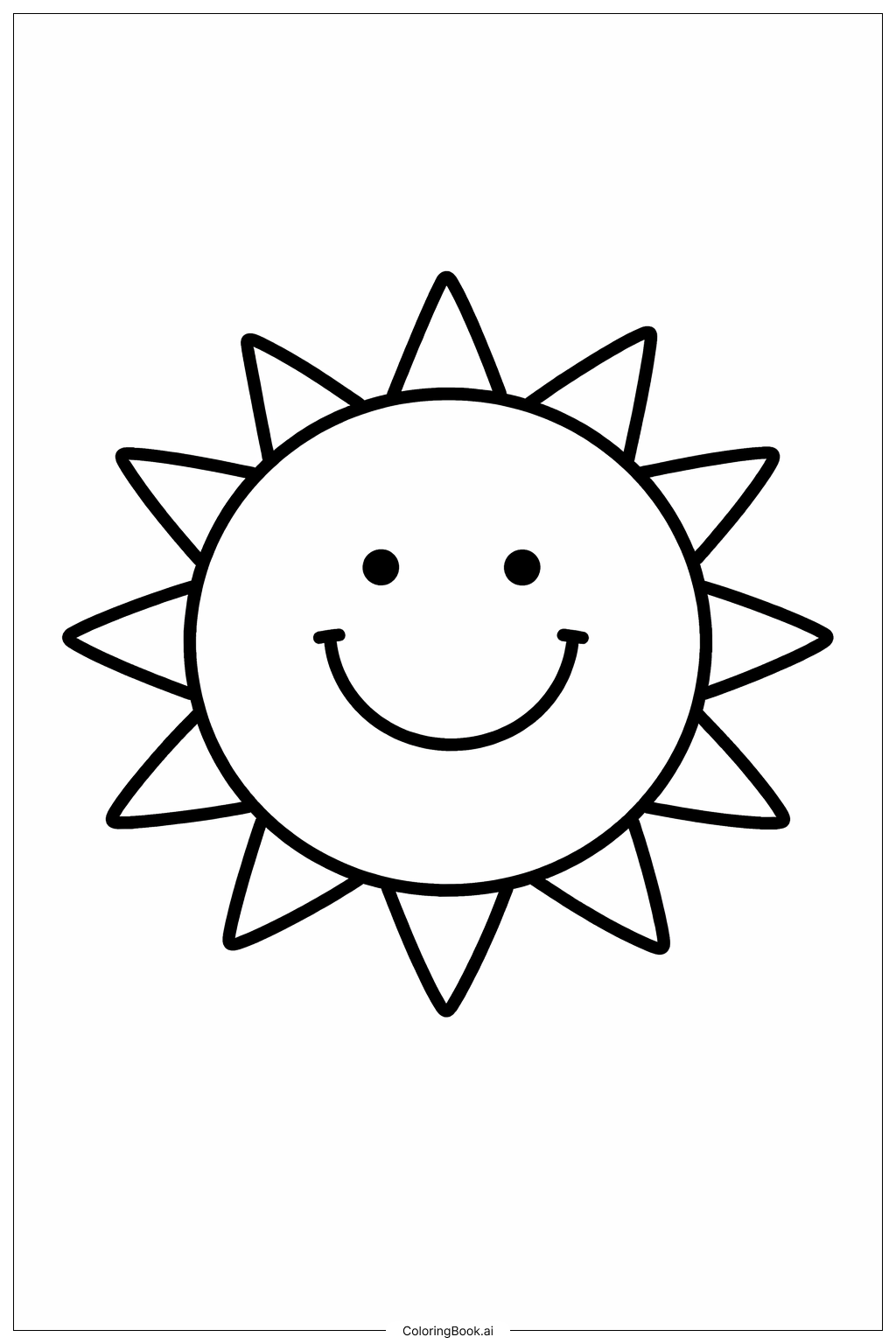
To bring this Emotions Happy Sun to life, use warm yellows and bright oranges for the sun’s face and rays. Soft gradient coloring from golden yellow at the center to fiery orange at the tips can add a realistic glow effect. Consider using light blue or soft white for the small clouds around to create a calm sky contrast. You can also add subtle red or pink shades inside the cheeks or mouth area to highlight the cheerful expression. For the rays, try alternating colors for each ray or using a light shimmer effect with a pale yellow to make it shine. Keep colors bright and bold to reflect happiness and energy, making this a fun and lively coloring experience for kids.
Coloring challenges: Which parts are difficult to color and need attention for Emotions Happy Sun coloring page?
• Facial Expression Details: Coloring the sun’s happy face requires attention to small areas like the eyes, eyebrows, and smile. Staying within these tiny lines can be challenging for younger children. • Varied Sun Rays: The rays around the sun come in different shapes - some are straight, others wavy. Coloring each ray evenly without overlapping can demand patience and control. • Gradient Shading: Achieving a smooth transition from yellow to orange to provide a glowing look might be hard for beginners but adds depth. • Cloud Accents: Coloring the small clouds softly so they do not overpower the bright sun can be tricky, requiring a lighter touch with pencils or crayons. • Consistency: Keeping the bright, happy mood requires consistent use of warm and soft tones without muddling colors, which can be difficult for some kids who like mixing many shades.
Benefits of coloring books: Advantages of drawing Emotions Happy Sun coloring page
Coloring this Emotions Happy Sun page helps children connect with positive feelings like happiness and warmth. It encourages creativity through choosing bright, cheerful colors and practicing shading techniques. The clear, joyful facial expression supports emotional recognition and development, helping kids understand how emotions can be shown visually. Working on the varied rays and small details improves fine motor skills and hand-eye coordination. Overall, filling this image with color promotes focus, relaxation, and a sense of accomplishment, making it a meaningful and enjoyable activity for children aged 4 to 16.