Coloring tips: How to color Emotions Garden of Faces coloring page well?
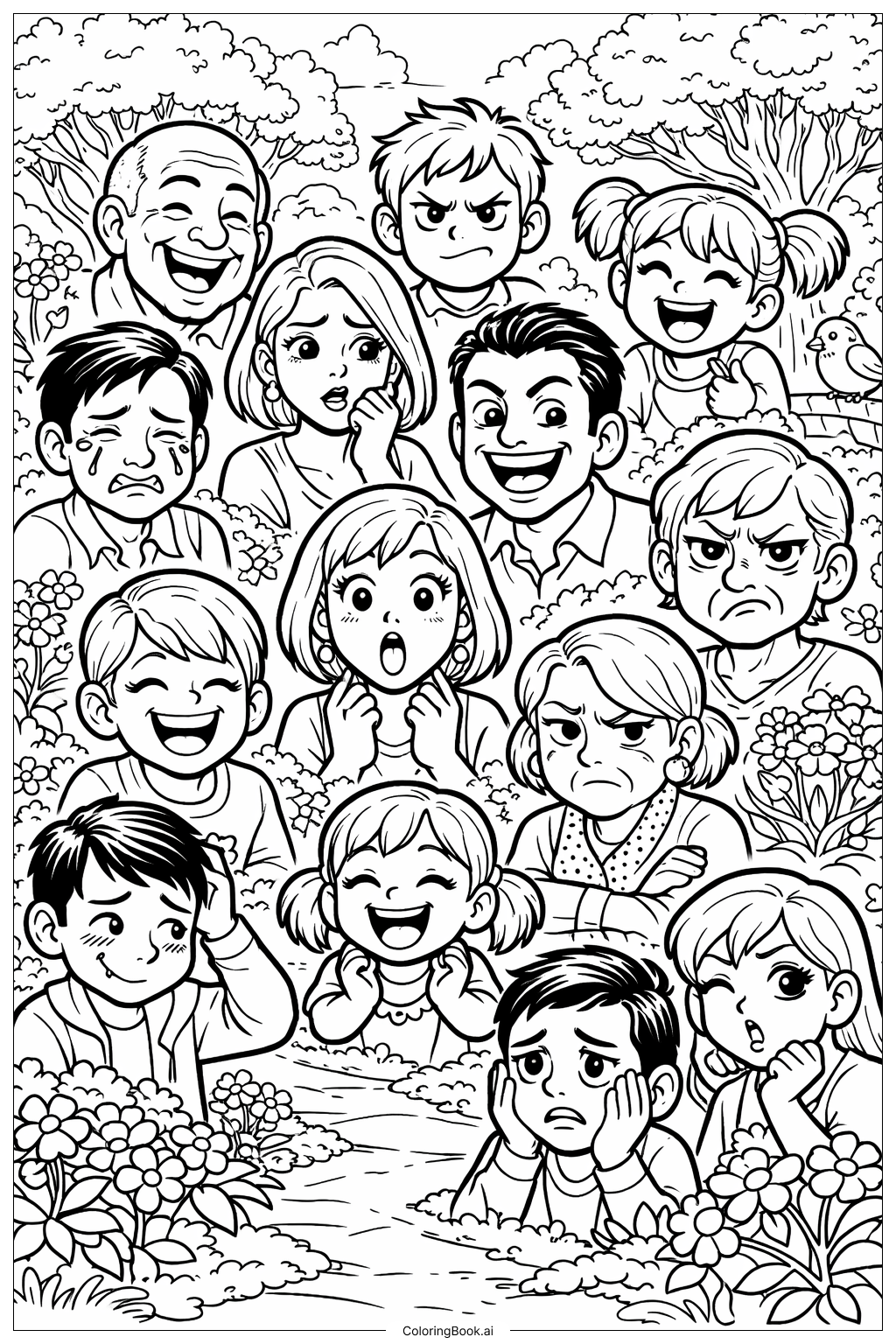
When coloring this image, try using bright and cheerful colors for the happy and excited faces, such as yellow, orange, and pink. For faces showing calmness or sadness, softer blues, purples, or greens can work well. Use green shades of various tones to fill the leaves and plants in the garden. You can add extra creativity by mixing warm colors with cool colors to highlight different emotions. Think about using different textures for flowers, like blending light and dark shades to show depth. Feel free to use rainbow colors for some faces to celebrate the garden’s variety of feelings. Have fun experimenting with color combinations to make the Emotions Garden really shine!
Coloring challenges: Which parts are difficult to color and need attention for Emotions Garden of Faces coloring page?
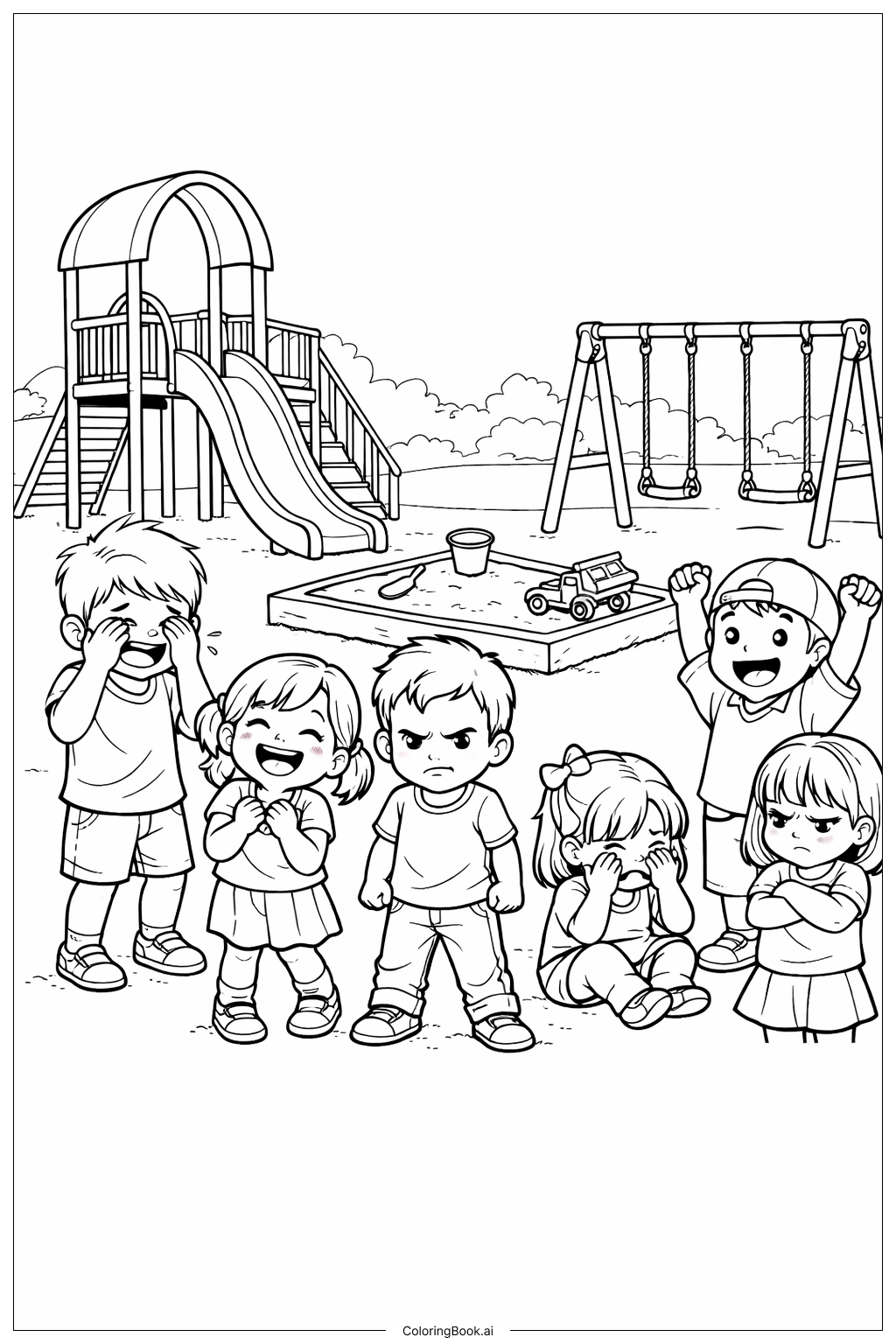
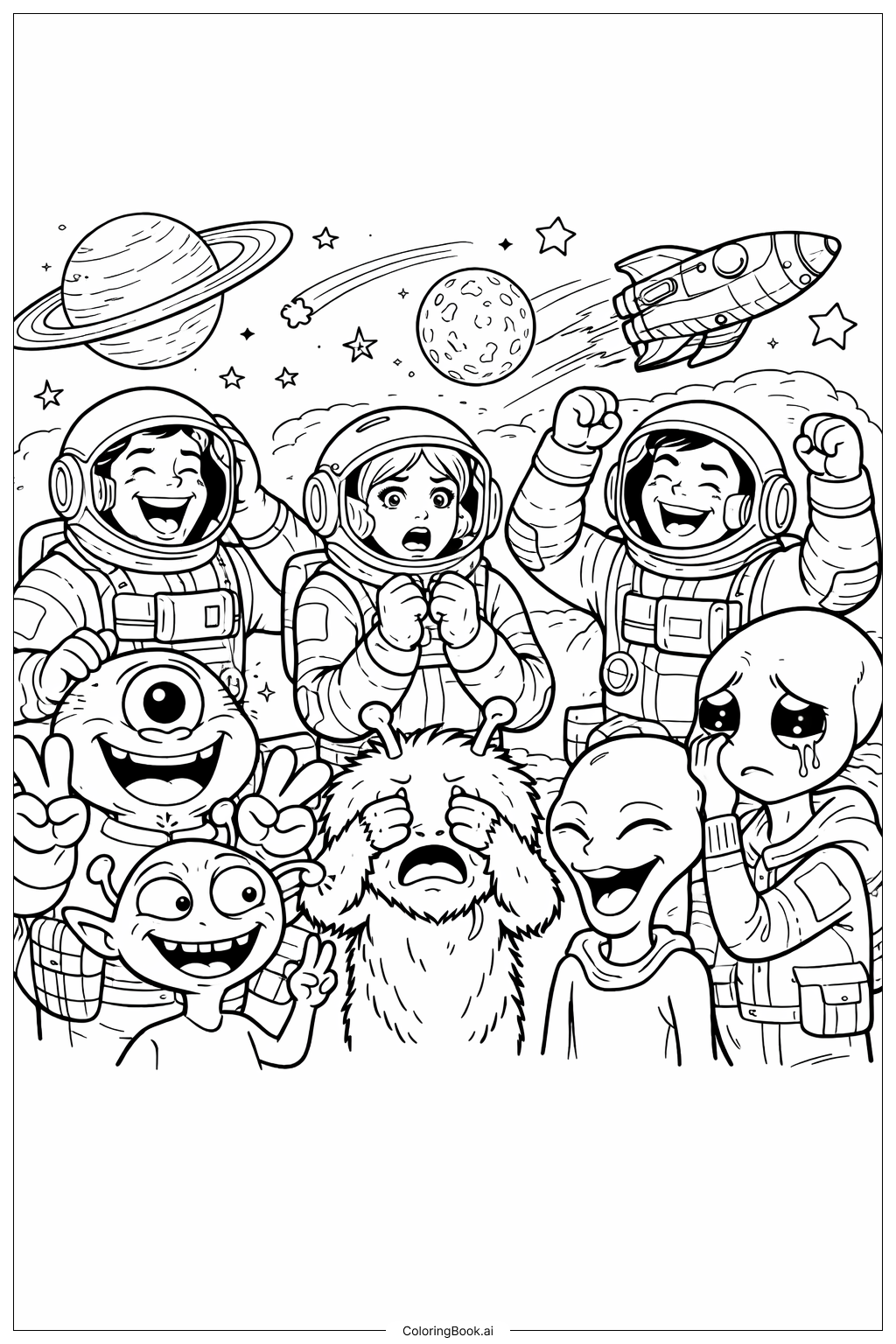
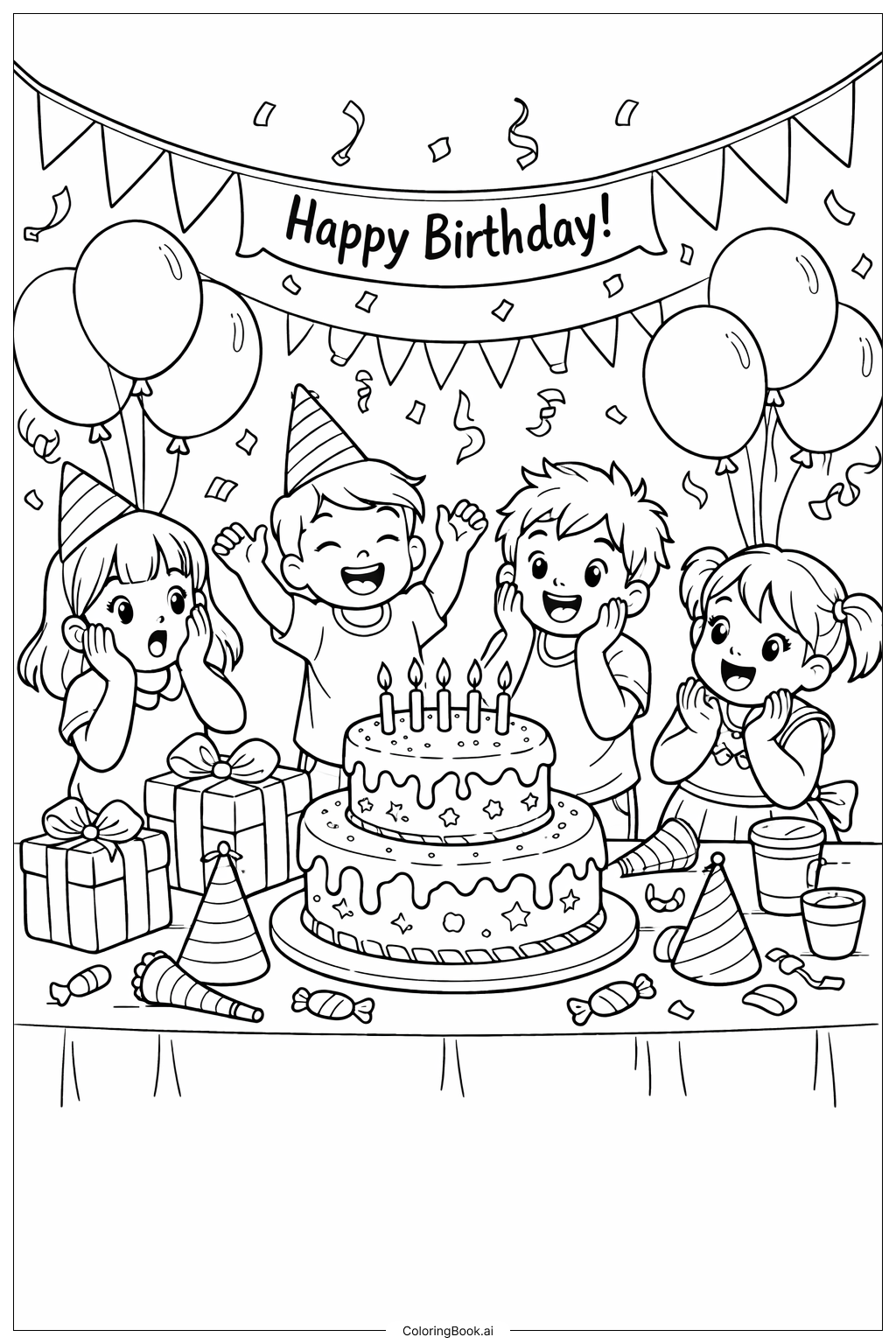
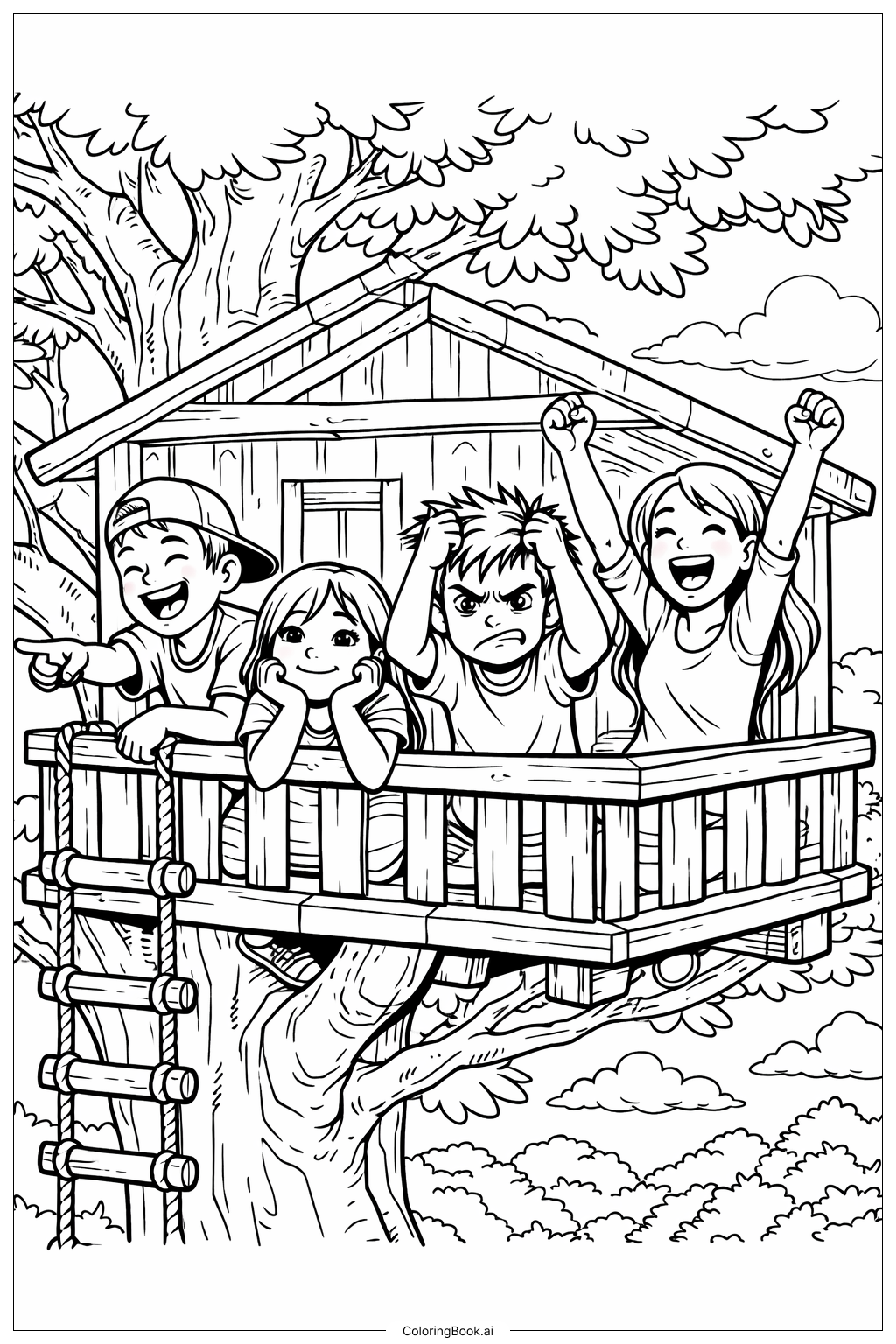
• Multiple Faces: The image has many faces close to each other. It can be tricky to choose colors that make each face stand out on its own without blending together.
• Small Details: Some faces have small eyes, mouths, or unique expressions. Coloring these carefully requires fine motor skills and patience.
• Overlapping Elements: Leaves, flowers, and faces often overlap, adding complexity in deciding which parts to color first and how to avoid colors mixing unintentionally.
• Emotional Variety: Capturing different emotions with color can be challenging. Selecting the right shades to match feelings like happiness, sadness, or surprise requires some thought.
• Shaped Patterns: The background has swirling and curved shapes that can be difficult to color evenly inside tight spaces. Staying within the lines while maintaining smoothness takes practice and concentration.
Benefits of coloring books: Advantages of drawing Emotions Garden of Faces coloring page
Coloring this Emotions Garden of Faces helps children develop their creativity and emotional awareness. As they choose colors to represent feelings, they learn to recognize and express different emotions. The variety of faces encourages empathy by inviting kids to think about how others feel. Coloring the plants and swirling garden designs improves hand-eye coordination and fine motor skills. Focusing on detailed faces and intricate shapes enhances concentration and patience. Overall, this image offers a fun and meaningful way for children to practice coloring while exploring emotions in a safe and enjoyable setting.