Coloring tips: How to color Emotions Friendly Fish coloring page well?
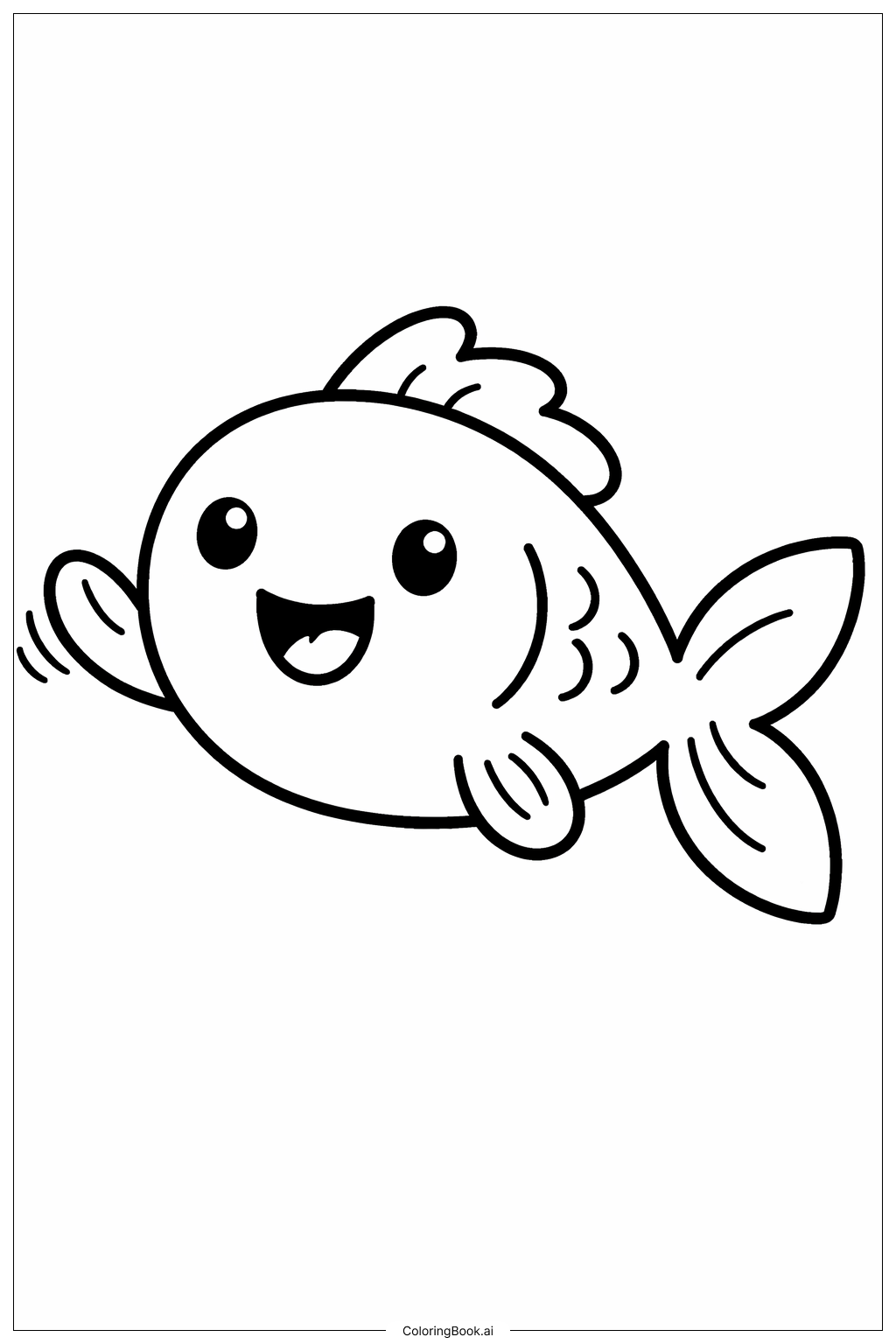
To color this image, try using bright and happy colors to match the friendly mood of the fish and its ocean friends. Consider coloring the fish in shades of blue and orange to make it stand out. Use green and yellow for the seaweed and underwater plants to bring the scene to life. You can use light blue or turquoise for the water background to keep it calm and inviting. Feel free to add your favorite colors to the bubbles and stars on the fish’s body for extra fun. Don’t forget to color the smiling sea creatures in warm shades like pink, red, and purple to keep the friendly feeling going.
Coloring challenges: Which parts are difficult to color and need attention for Emotions Friendly Fish coloring page?
• Small Decorative Patterns: The fish’s body has many small bubbles, stars, and wave patterns which require careful coloring to stay inside the lines and make each detail clear.
• Facial Expressions: Capturing the warmth and friendliness of the fish’s face takes attention to detail, especially around the eyes and smile areas.
• Overlapping Elements: Some seaweed and smaller sea creatures overlap with the fish and each other, challenging colorists to choose different shades that avoid blending together.
• Shading Water Effects: To make the underwater scene vivid, blending subtle shades of blue can be tricky for beginners.
• Symmetry Balance: Keeping the colors balanced on both sides of the fish while adding variety to patterns encourages focus and precision.
Benefits of coloring books: Advantages of drawing Emotions Friendly Fish coloring page
Coloring this image helps children develop fine motor skills by practicing staying inside detailed lines and patterns. The friendly fish encourages positive emotions and creativity as kids choose colors that reflect happiness and kindness. It also introduces children to concepts of underwater life and helps build focus by requiring attention to small areas. Coloring different textures like smooth fish scales and flowing seaweed supports sensory awareness. Finally, this page can promote emotional learning, as children discuss the feelings the fish represents while enjoying a relaxing and fun art activity.