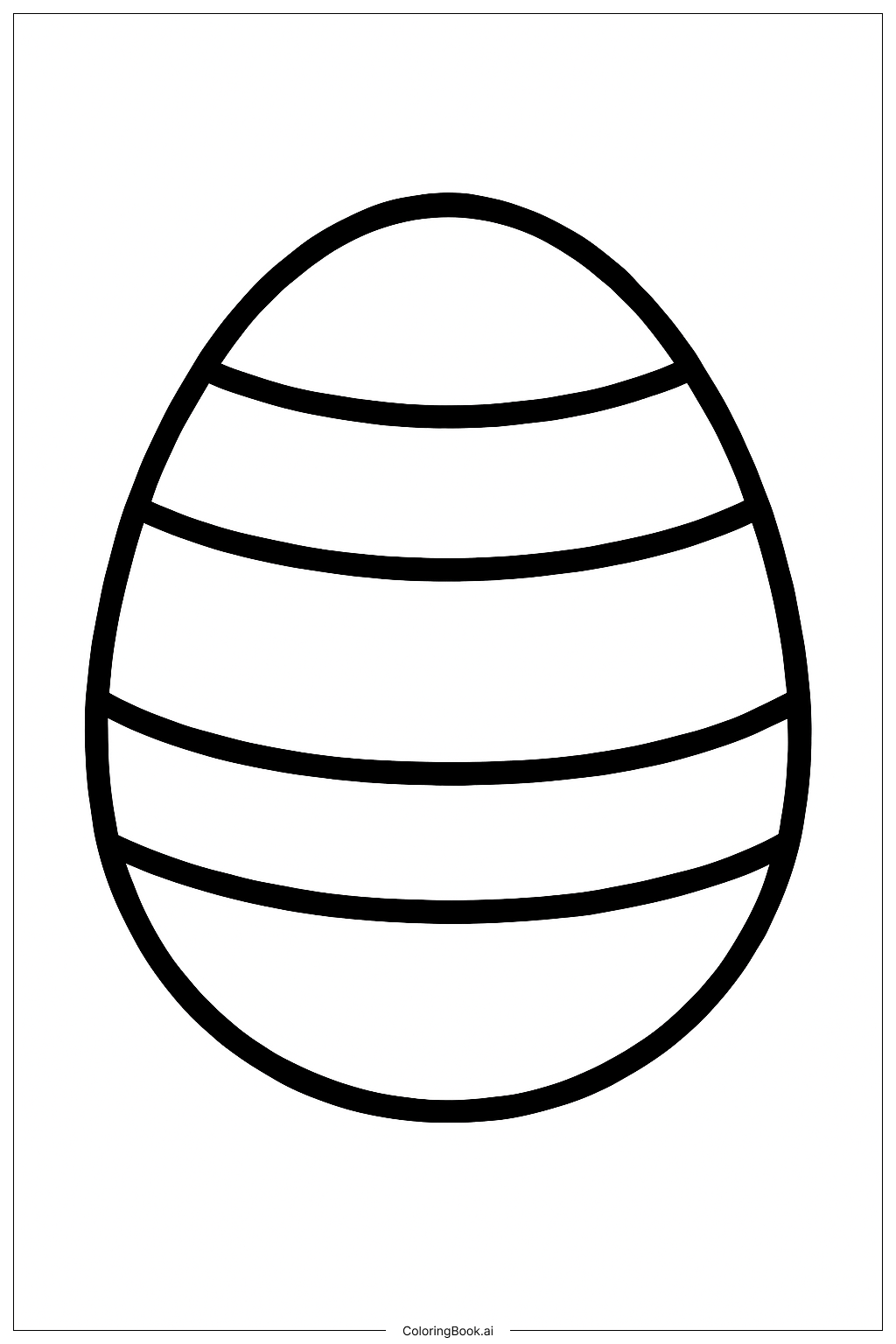
Coloring tips: How to color Easter Egg With Stripes coloring page well?
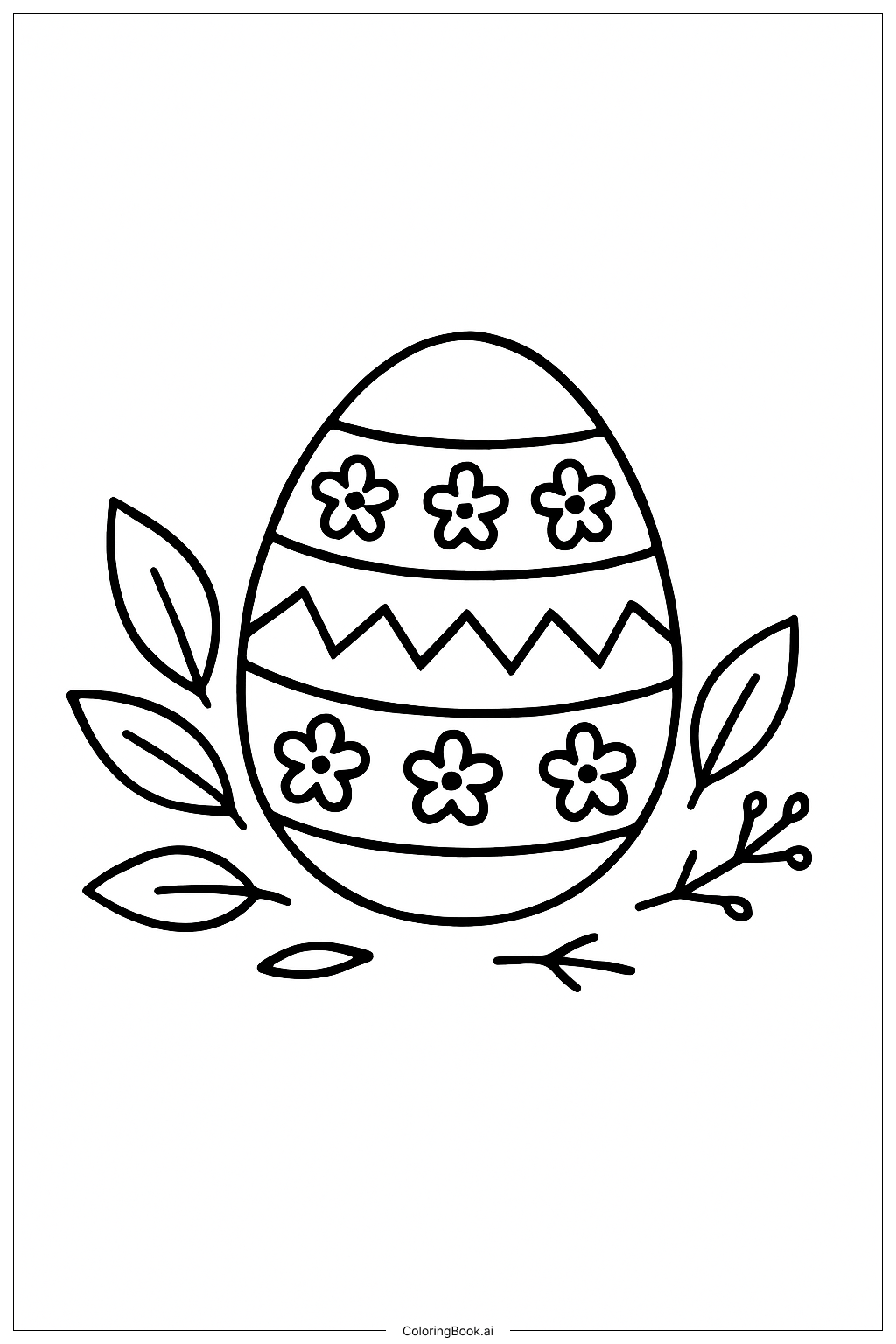
Try using a variety of bright and cheerful colors to make each stripe stand out. You can alternate warm colors like red, orange, and yellow with cool colors such as blue, green, and purple. For a special touch, consider using pastel shades typical of Easter themes. Coloring the stripes in a gradient, fading from one color to another, can give the egg a smooth, magical look. If you want a bold design, pick contrasting colors for neighboring stripes. Keep the background simple so the colorful stripes really pop. Feel free to add tiny dots or patterns inside some stripes for extra detail and creativity.
Coloring challenges: Which parts are difficult to color and need attention for Easter Egg With Stripes coloring page?
• Maintaining even color fill: Coloring inside the thin stripes without going outside the lines can be challenging, especially for younger children who are still developing fine motor control. • Consistent color choice: Deciding which colors to use next to each other needs planning to avoid clashing or dull combinations. Balancing warm and cool colors takes attention. • Curved stripe alignment: Because the stripes curve around the egg’s rounded shape, keeping the colors flowing smoothly along these curves requires patience. • Repeated pattern: Coloring many similar stripes may become monotonous, so keeping focus for long periods while maintaining neatness is important. • Staying within lines on small spaces: Some stripes may be narrow, making it tricky to color without crossing borders, especially when using thicker crayons or markers.
Benefits of coloring books: Advantages of drawing Easter Egg With Stripes coloring page
Coloring this Easter Egg With Stripes image can help improve hand-eye coordination because it requires careful control to stay within the lines. It encourages creativity by allowing you to experiment with different color combinations and patterns. The repeated stripes promote focus and patience as you work through a detailed design. Coloring curved shapes enhances spatial understanding and how colors interact on rounded surfaces. Finally, completing a festive image like this can boost confidence and give a feeling of celebration connected to Easter traditions.