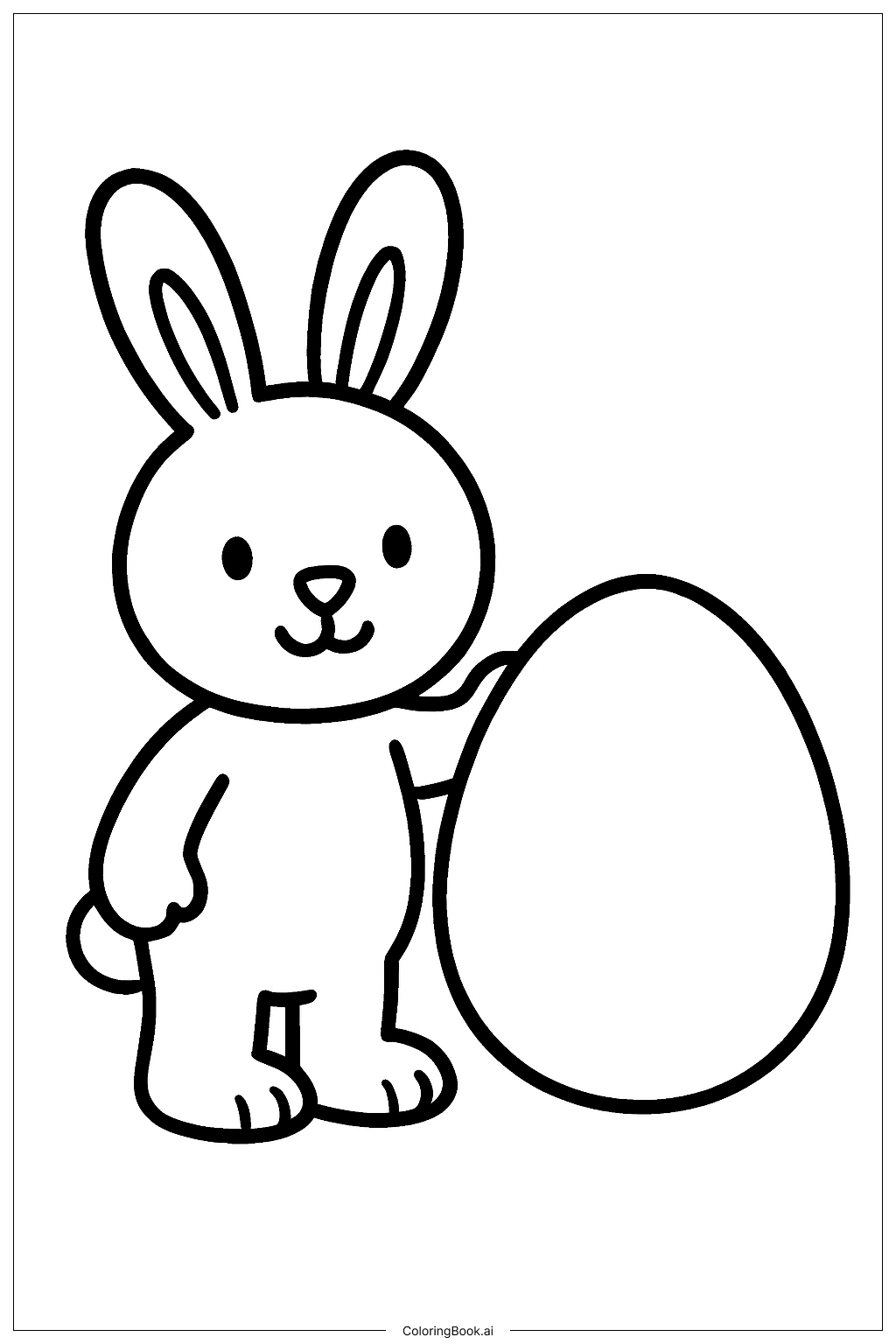
Coloring tips: How to color Easter Bunny And Egg Duo coloring page well?
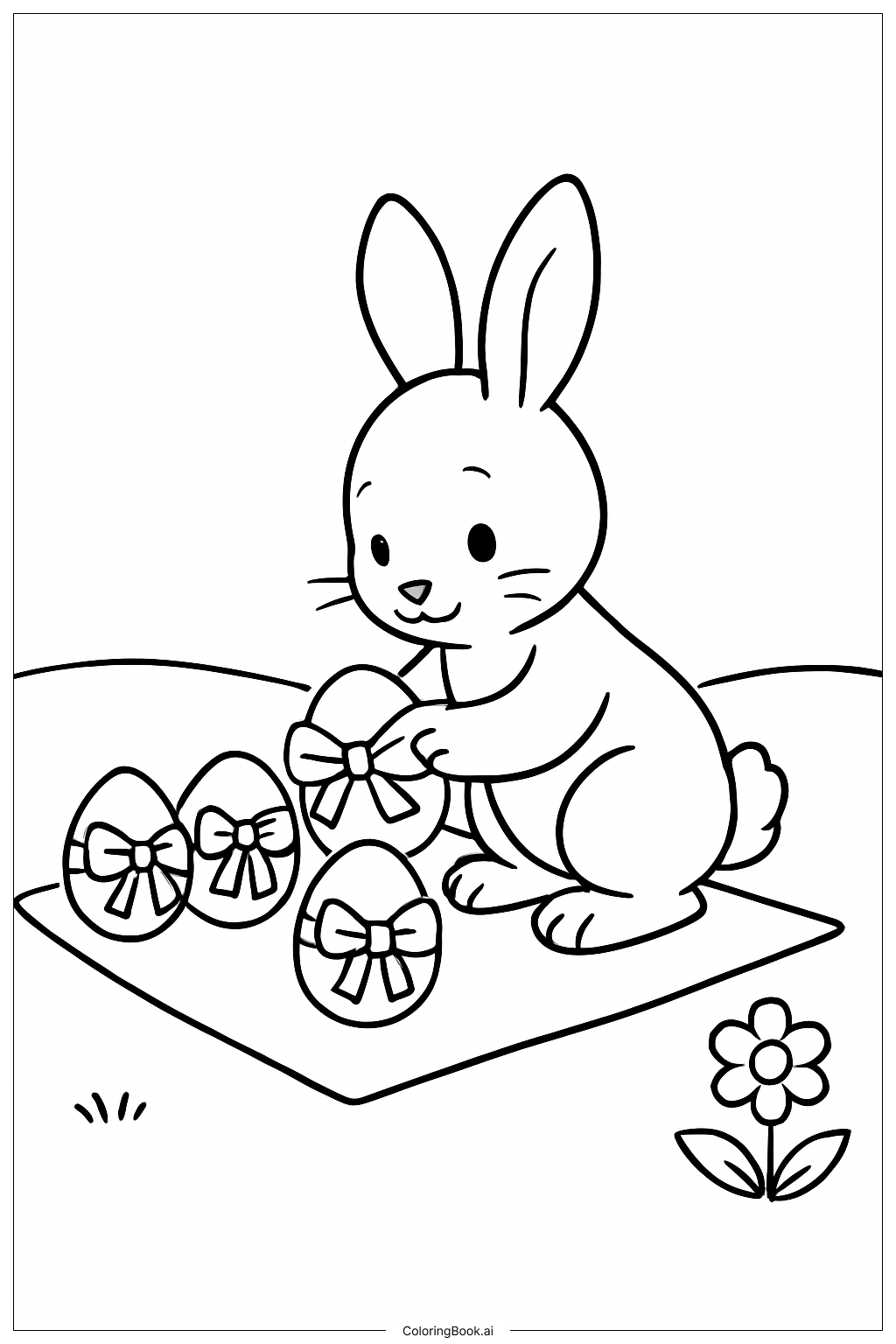
Start with the Easter Bunny's fur. Use soft whites, creamy tans, or light grays to keep it looking fluffy and gentle. Add a touch of pink inside the ears for a realistic and cute look. For the Easter egg, let your imagination run free. Try bright spring colors like yellow, sky blue, mint green, coral, and lavender. Use different colors for each pattern section on the egg to make the designs pop. You can alternate warm and cool colors to create a fun, eye-catching effect. For the background details like flowers or grass, use cheerful greens and pastel tones to complete the spring feeling. Colored pencils work great for small pattern areas, while crayons or markers can fill in larger sections quickly. Feel free to mix and blend shades to add depth and make the image feel alive and festive.
Coloring challenges: Which parts are difficult to color and need attention for Easter Bunny And Egg Duo coloring page?
• Bunny Fur Texture: The Easter Bunny's body may have small lines or curves suggesting soft fur. Coloring these areas smoothly while keeping the fluffy look can be tricky. Try using short, light strokes with colored pencils to mimic the direction of fur rather than filling it in with flat color blocks.
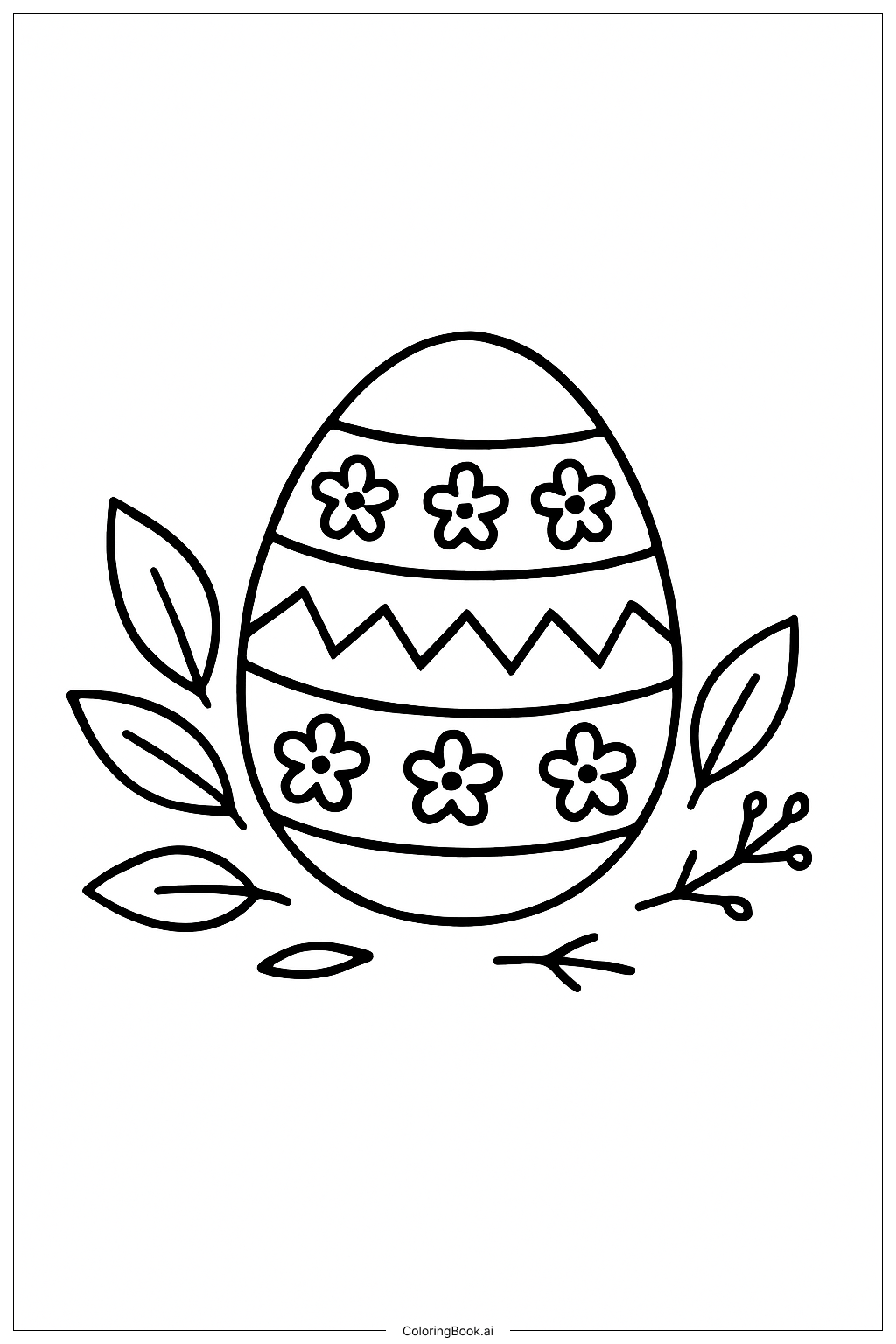
• Egg Pattern Details: The Easter egg is covered in multiple small sections filled with swirls, dots, flowers, and zigzags. Each tiny section requires careful attention to stay inside the lines. Younger colorists may find it challenging to control their tools in such small spaces. A fine-tip colored pencil or a thin marker works best here.
• Color Variety and Balance: With so many sections on the egg, choosing colors that look good together without repeating the same color in neighboring areas takes planning. Picking a small set of colors beforehand and rotating them helps keep the design balanced and visually pleasing.
• Maintaining Consistent Pastel Tones: Easter scenes typically call for soft, pastel shades. Applying light colors evenly without pressing too hard can be difficult, especially with crayons. Practicing gentle pressure and layering thin coats helps achieve that soft, springtime look.
• Blending Transition Areas: Where the bunny meets the background or where the egg patterns meet each other, smooth color transitions can be hard to achieve. Using a blending pencil or lightly layering two similar shades side by side helps create a cleaner, more polished finish without harsh edges.
Benefits of coloring books: Advantages of drawing Easter Bunny And Egg Duo coloring page
Coloring this Easter Bunny And Egg Duo page brings many wonderful benefits for kids and Adults alike. For younger colorists, it helps build fine motor skills and hand-eye coordination as they carefully fill in the bunny's fur and the egg's detailed patterns. Choosing colors and planning which shades go where encourages creative thinking and decision-making. The variety of shapes and designs on the Easter egg introduces kids to concepts like pattern recognition and symmetry in a fun, hands-on way. Sitting down to color also promotes focus and patience, skills that are valuable both in and out of the classroom. For older kids and Adults, the detailed egg patterns offer a calming, meditative experience that helps reduce stress and quiet a busy mind. The festive Easter theme sparks a sense of seasonal joy and can become a meaningful activity shared between family members during the holiday. Completing the page gives colorists a sense of accomplishment and pride. Whether used as a holiday decoration, a card, or simply enjoyed for the process, this coloring page makes Easter feel extra special and creative for everyone involved.