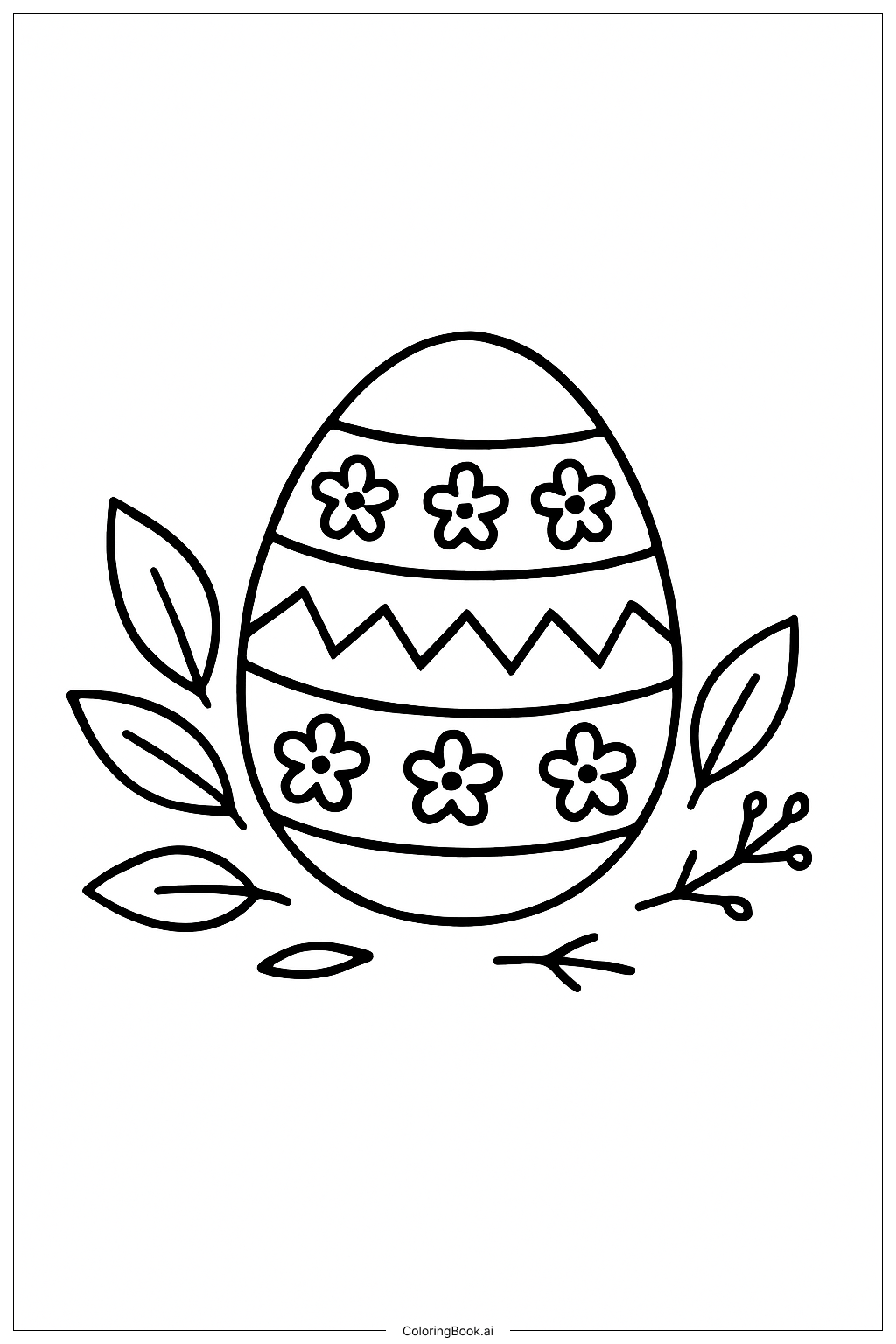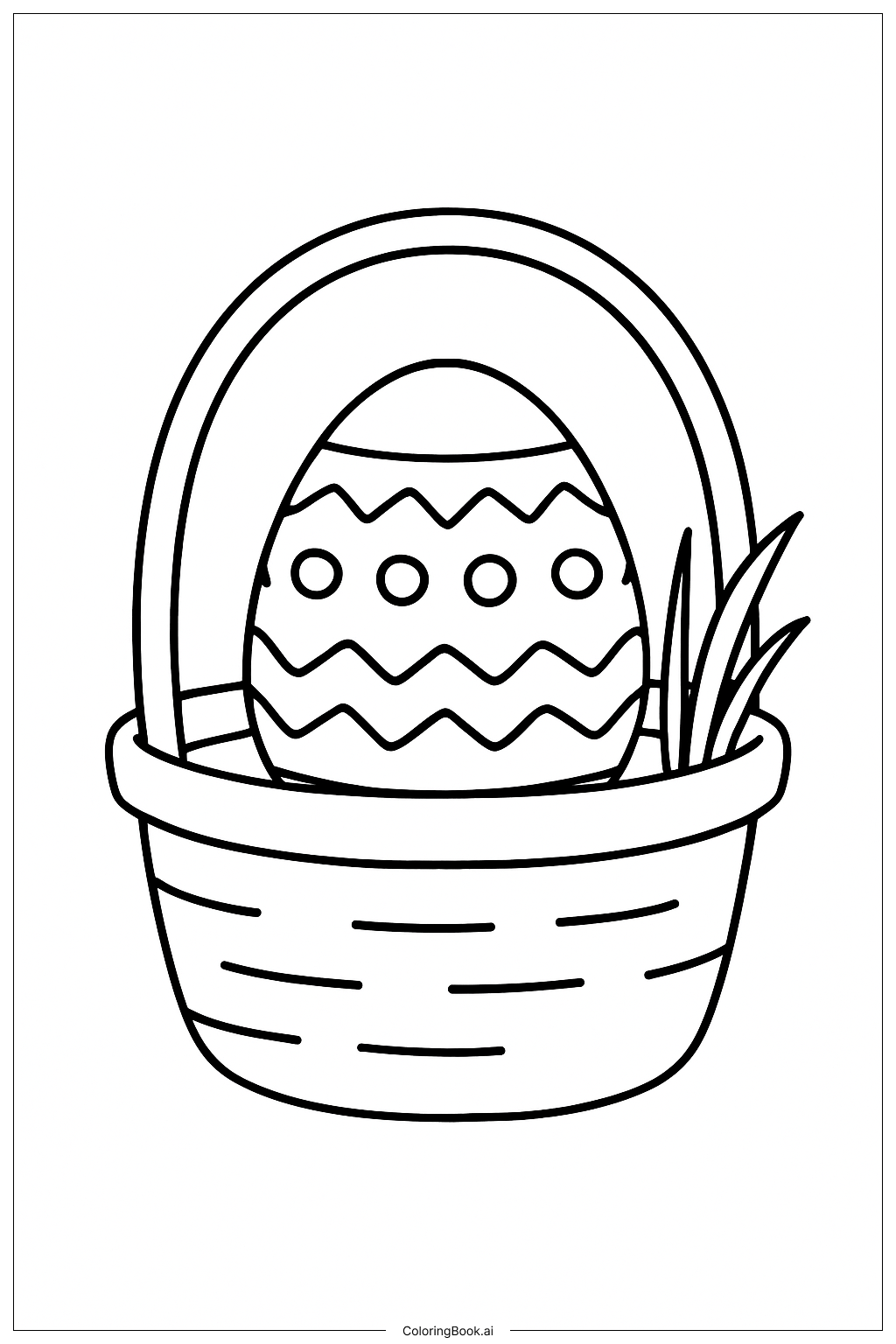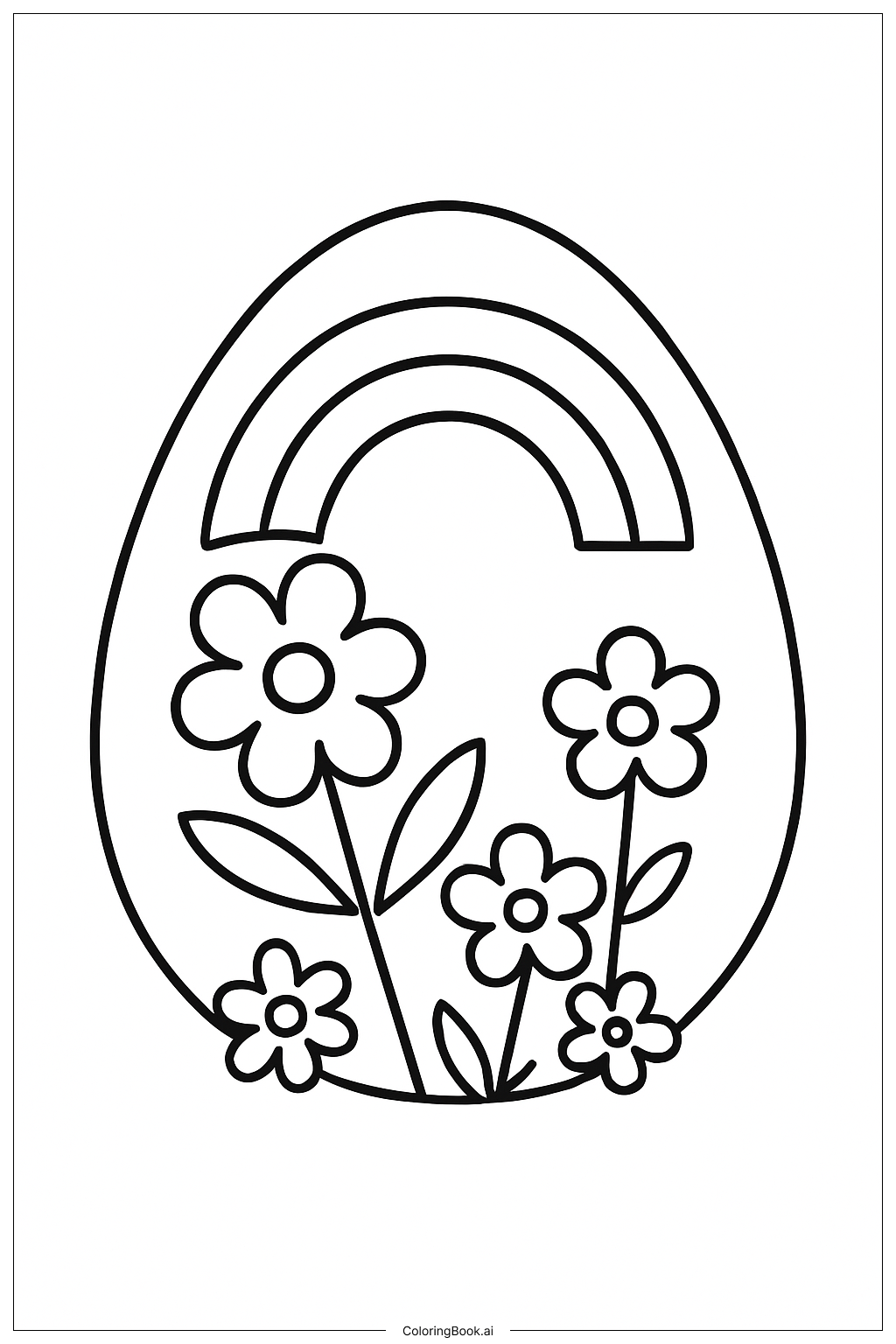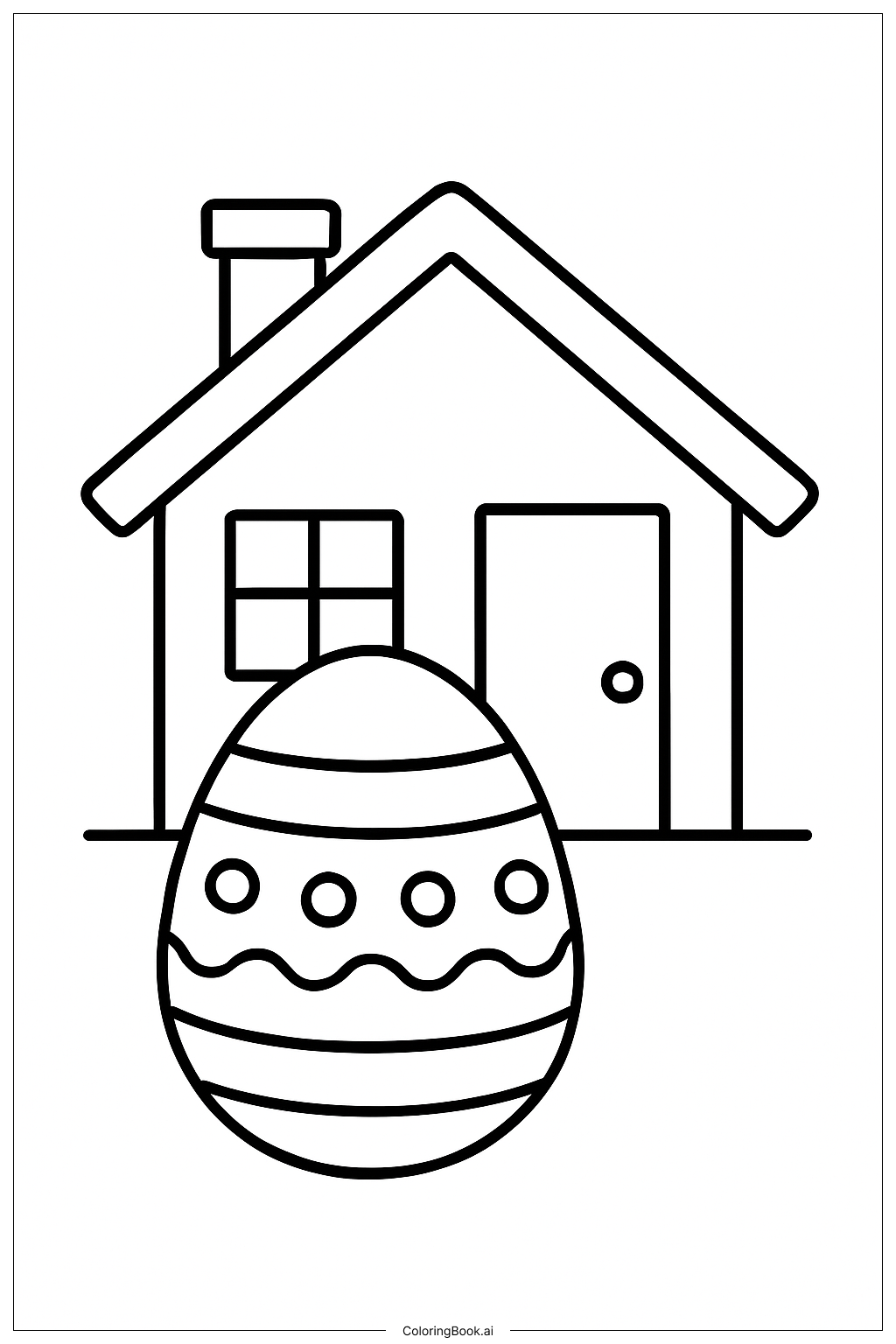
Coloring tips: How to color Easter Egg With Big Leaf coloring page well?
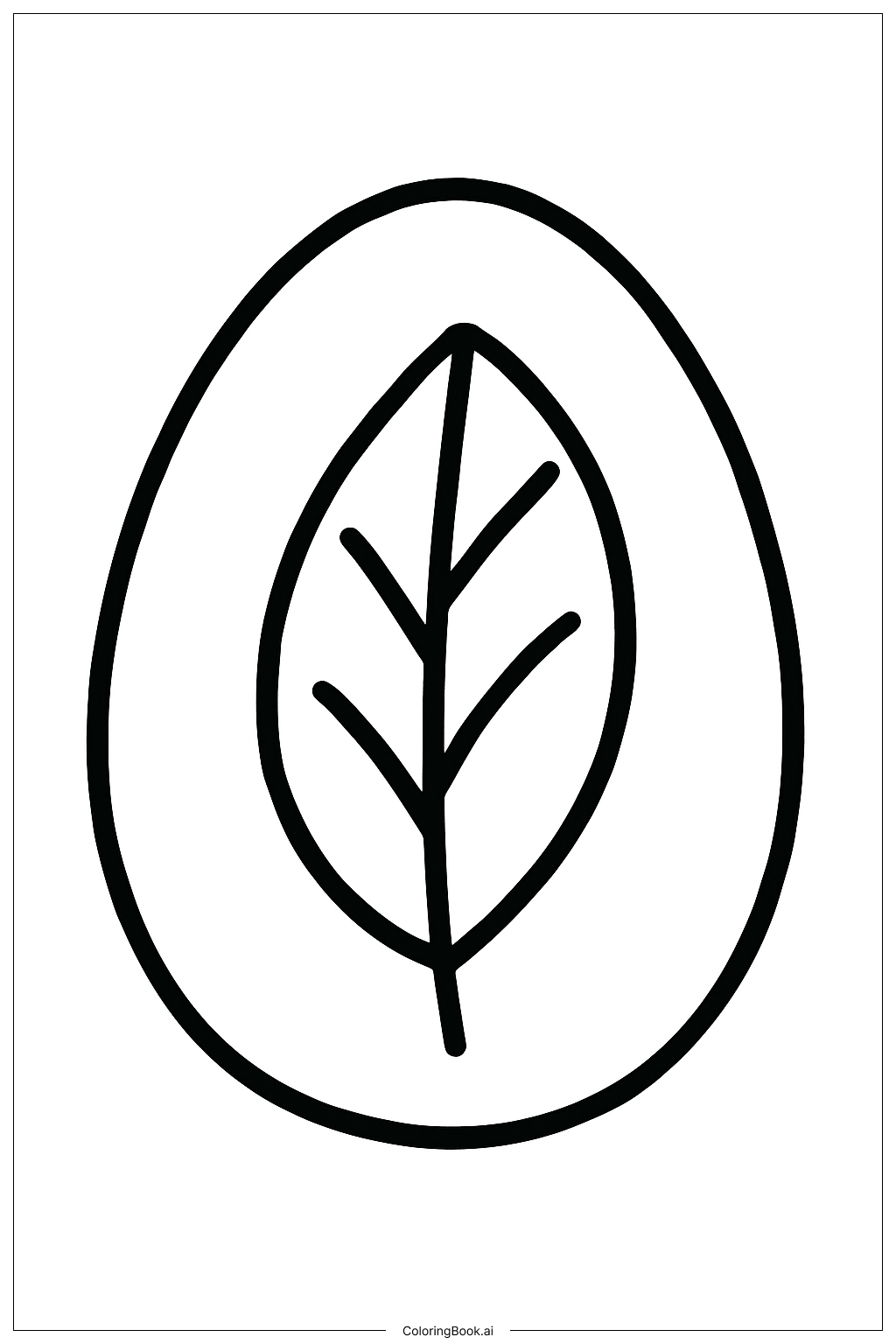
Start with the Easter egg by choosing soft spring colors like pastel pink, lavender, sky blue, or mint green. Use different shades for each section of the egg's pattern to make it pop. You can outline each design element with a slightly darker version of the same color for a neat, polished look. For the big leaf, go with various shades of green — from light lime to deep forest green — to add depth and make it look lifelike. Add yellow or gold along the leaf's veins to make them stand out. If you want a bold look, try bright, saturated colors. For a softer feel, stick to pastels. Don't forget the background — a light sky blue or soft yellow can bring the whole scene to life and give it that cheerful Easter spirit.
Coloring challenges: Which parts are difficult to color and need attention for Easter Egg With Big Leaf coloring page?
• Egg Pattern Sections: The Easter egg is covered with multiple decorative sections divided by curved and geometric lines. Keeping each section a distinct color without bleeding into the neighboring area requires a steady hand and careful attention. Using fine-tipped colored pencils or markers works best here to stay within the lines.\n\n• Smooth Color Gradients on the Egg: The rounded shape of the egg invites shading to show its three-dimensional form. Blending colors smoothly from light to dark across a curved surface can be tricky, especially for younger colorists. Practicing gentle circular strokes and building up color in layers helps achieve a realistic, glowing finish.\n\n• Leaf Vein Details: The big leaf features a network of fine veins branching out from the main stem. These thin lines are easy to accidentally cover with too much color. A good approach is to color the veins first with a light yellow or white, then fill in the surrounding leaf area with green, being careful not to overpower those delicate lines.\n\n• Balancing Two Focal Elements: The egg and the leaf are both strong visual elements. Choosing colors that complement rather than compete with each other is a real creative challenge. If the egg is colorful and bright, keeping the leaf in natural, earthy greens helps maintain visual harmony without one overpowering the other.\n\n• Background Space: Deciding what to do with the background can be confusing. Leaving it white keeps focus on the main subjects, but adding a soft color like pale yellow or sky blue can elevate the whole composition. The challenge is applying background color evenly without streaks or smudges near the detailed edges of the egg and leaf.
Benefits of coloring books: Advantages of drawing Easter Egg With Big Leaf coloring page
Coloring this Easter Egg With Big Leaf page brings a wonderful mix of fun and learning for kids of all ages. Working on the egg's detailed patterns helps children develop fine motor skills and hand-eye coordination as they carefully fill in each small section. Choosing colors and planning a color scheme encourages creative thinking and boosts artistic confidence. The leaf's natural vein structure introduces kids to the beauty of nature and can spark curiosity about plants and the natural world. Focusing on staying within the lines and blending colors smoothly helps build patience and concentration — skills that carry over into schoolwork and everyday tasks. For older kids and teens, the challenge of shading the egg's rounded surface offers a satisfying introduction to basic art techniques like highlighting and depth. The Easter theme also connects colorists to seasonal traditions, making the activity feel meaningful and festive. Whether done alone or with family and friends, this page provides a calm, screen-free creative outlet that reduces stress and promotes a sense of accomplishment once the finished piece comes to life in full color.