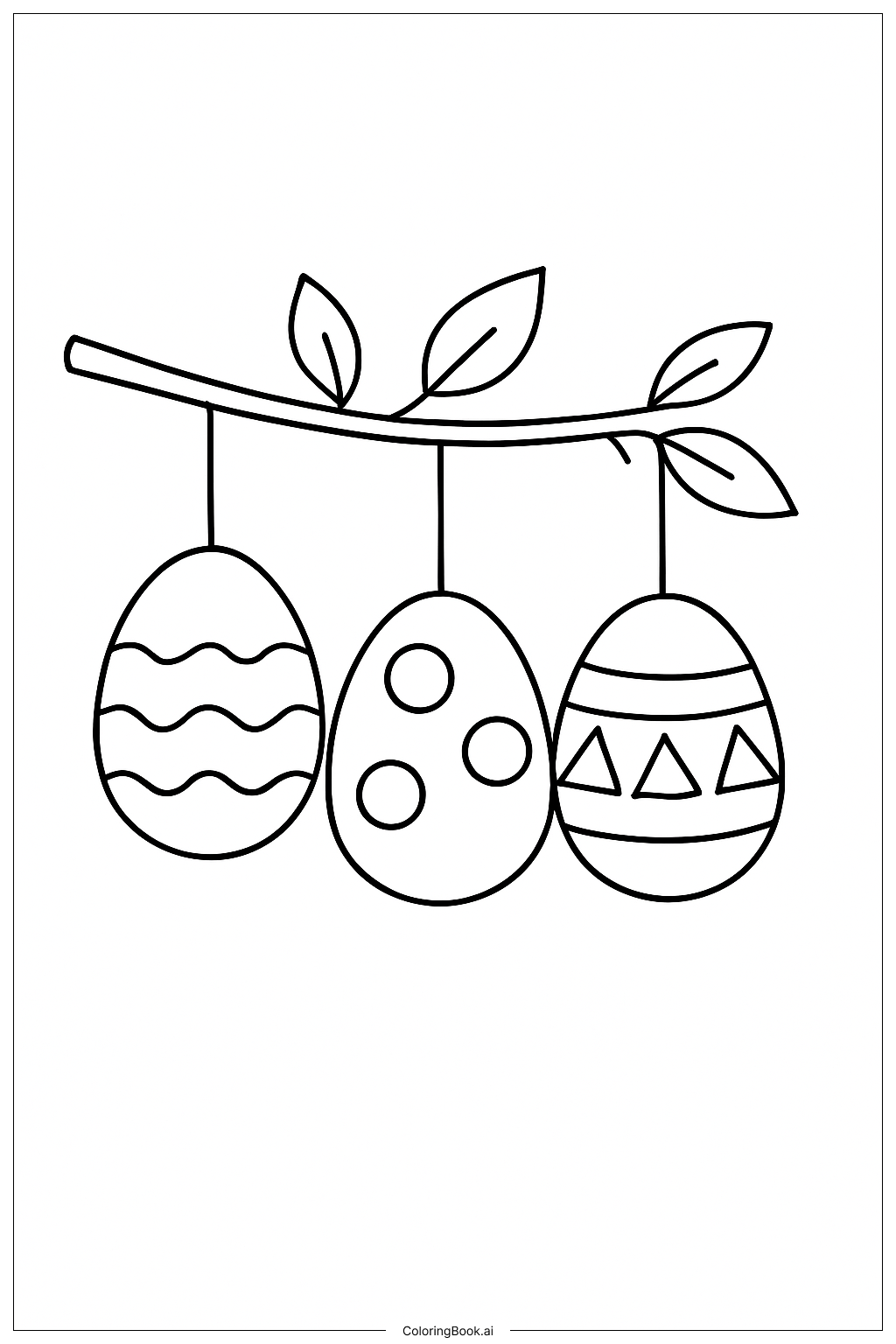
Coloring tips: How to color Easter Egg Tree Decoration coloring page well?
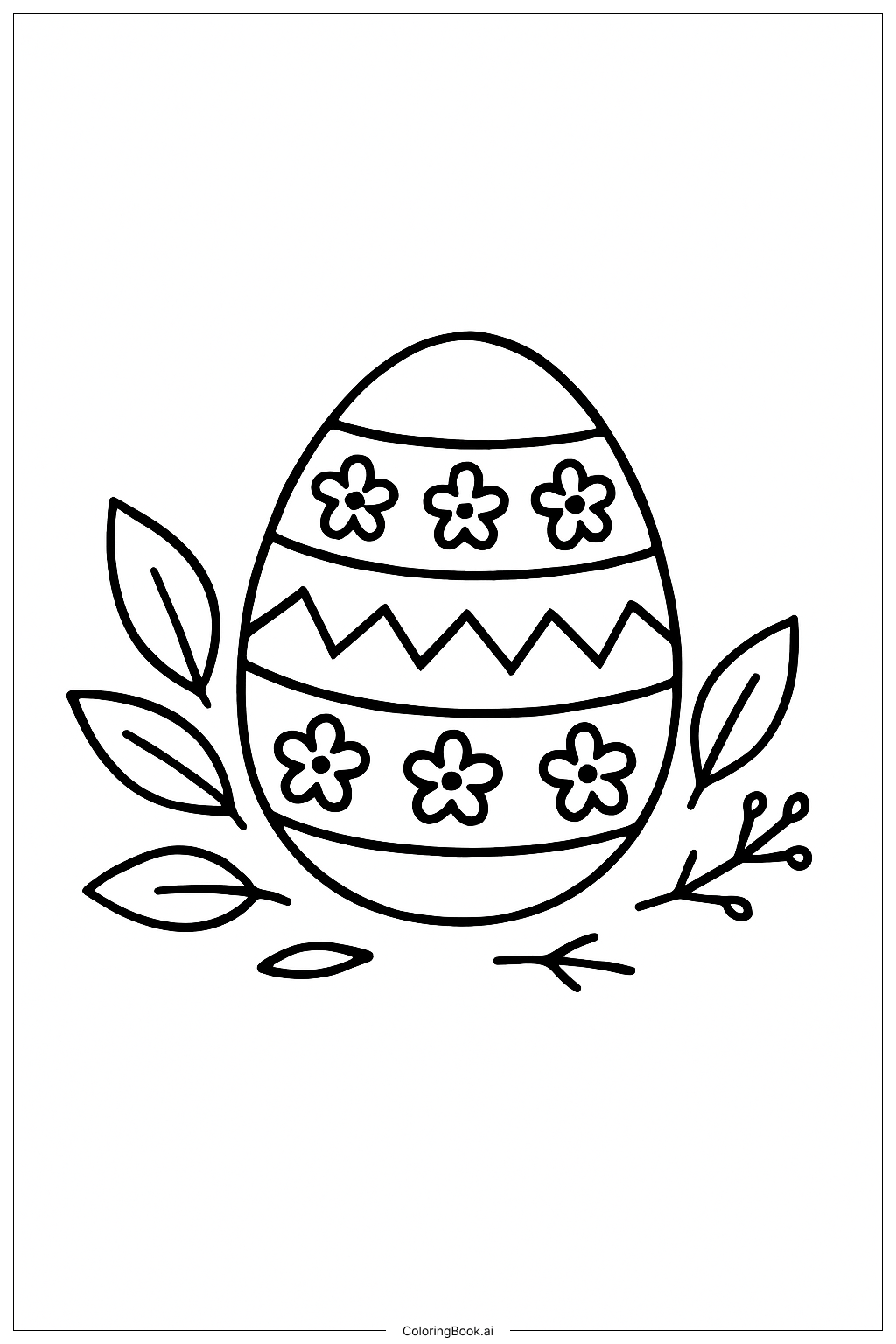
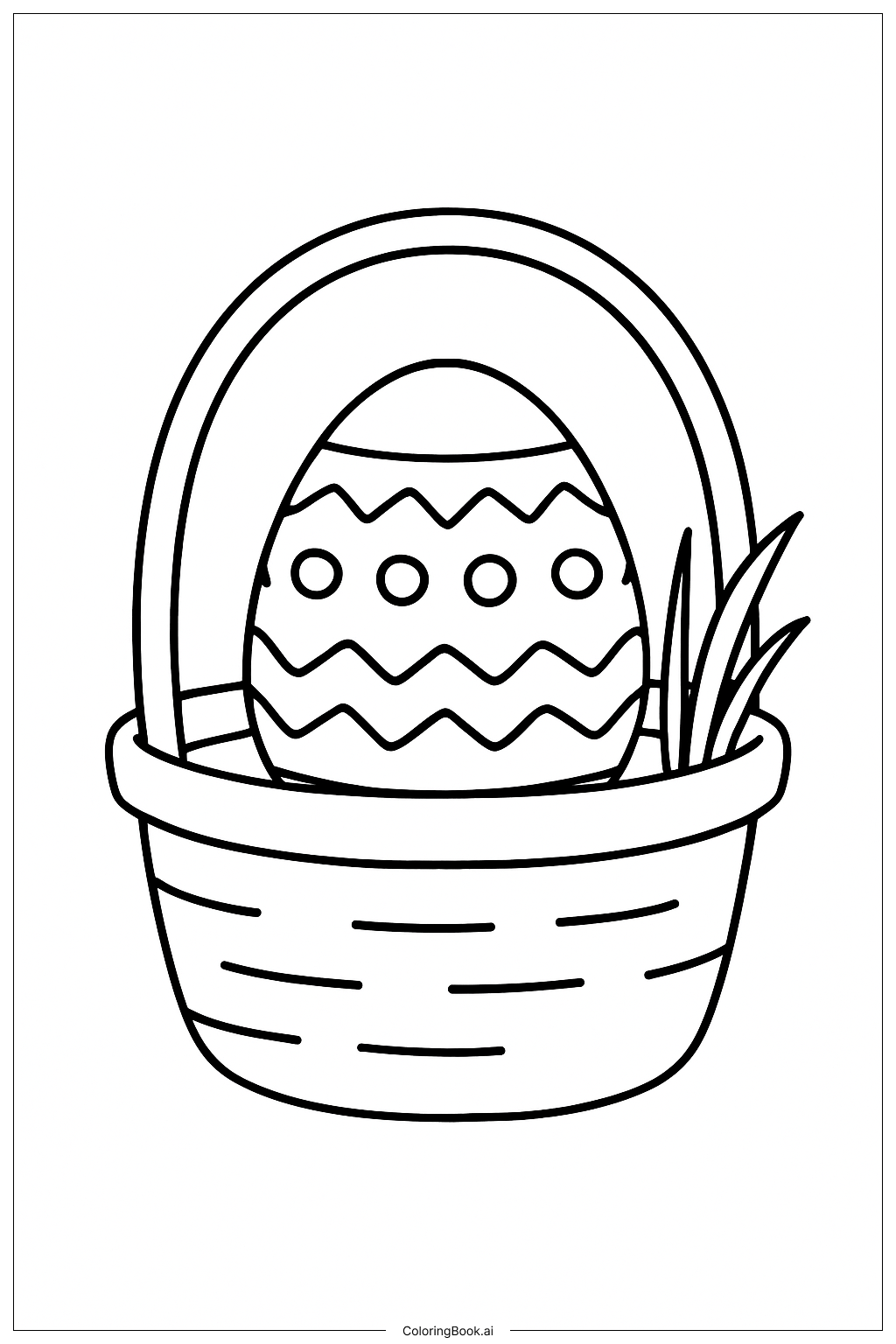
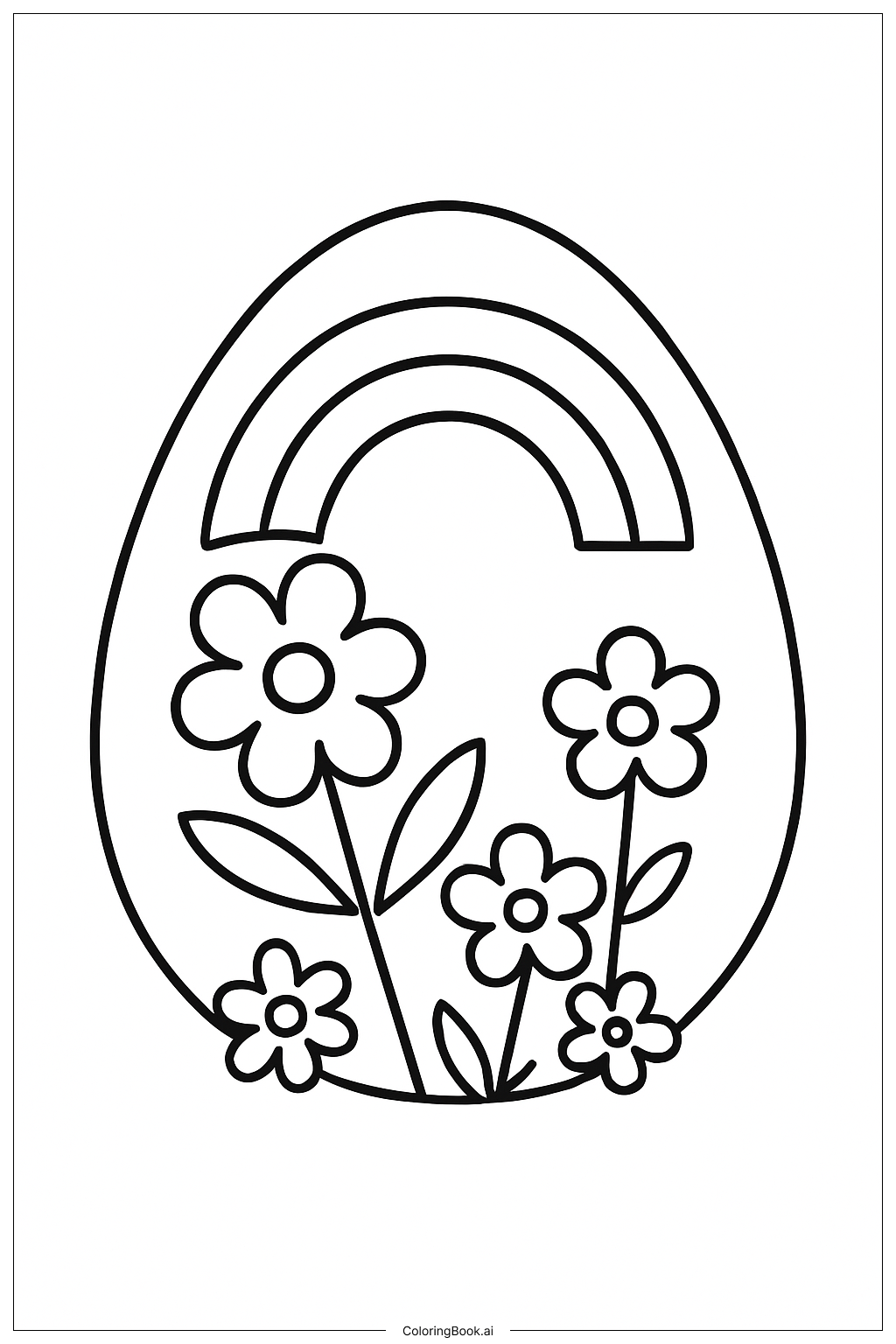
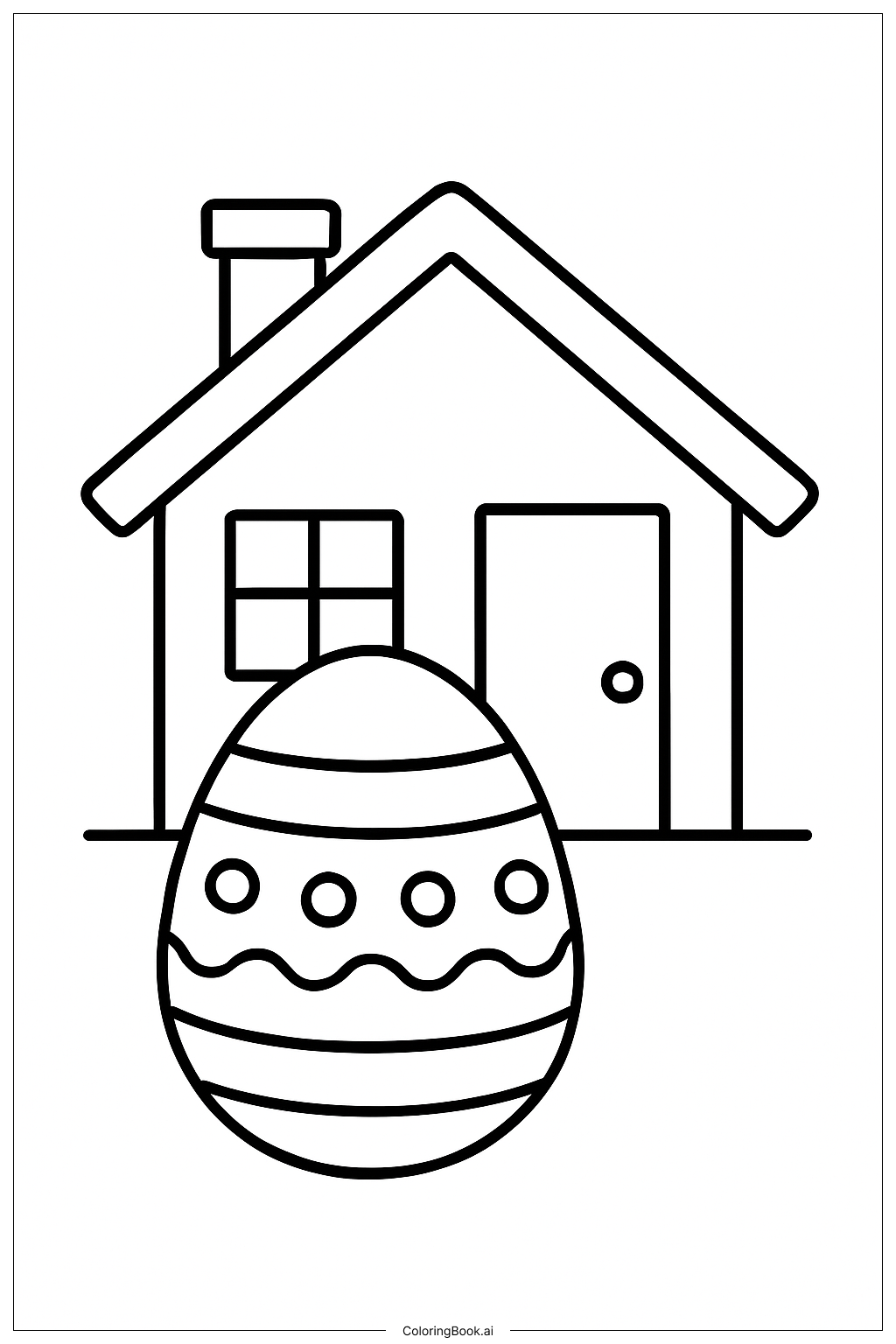
For coloring these Easter eggs, consider using bright, cheerful colors. You can choose pastel shades like soft pink, baby blue, and light yellow for a classic Easter look. Alternatively, vibrant colors like deep red, royal blue, and bright green can add a modern twist. Try using glitter pens or metallic colors to make the eggs stand out. Don't be afraid to mix colors or patterns on the same egg for a playful effect. Encourage kids to use their imagination by adding their own designs on the eggs or creating a colorful background to enhance the overall look.
Coloring challenges: Which parts are difficult to color and need attention for Easter Egg Tree Decoration coloring page?
1. **Detailing**: The patterns on the eggs have intricate designs, like waves and triangles. Younger children may find it challenging to color within these small areas without going outside the lines. Encouraging them to take their time can help. 2. **Color Choices**: Selecting colors that complement each other can be tricky. Kids might struggle with finding the right shades that work well together, especially with the patterns present. 3. **Blending Techniques**: If using colored pencils, blending colors for a smoother look may require practice. Children can experiment with layering colors to create depth, which may be hard for beginners. 4. **Color Overlap**: Kids might want to use different colors on the same egg, leading to situations where colors overlap. Knowing how to manage this without causing a muddy look can be a learning experience. 5. **Branch and Leaves**: The branch and leaves might be neglected as kids focus on the eggs. Reminding them to add color to these parts ensures a more balanced and completed look.
Benefits of coloring books: Advantages of drawing Easter Egg Tree Decoration coloring page
Coloring this Easter egg design offers a variety of benefits for children. First, it encourages creativity as kids explore different color combinations and patterns. Second, working with fine details helps improve hand-eye coordination and fine motor skills. Children learn to control their movements while coloring carefully inside the lines. Additionally, coloring promotes relaxation and focus. Engaging with a fun art project can reduce stress and is a great way to express emotions. It also provides an opportunity for parents or teachers to bond with children while discussing color choices and designs. Overall, this activity is not only enjoyable but also educational!